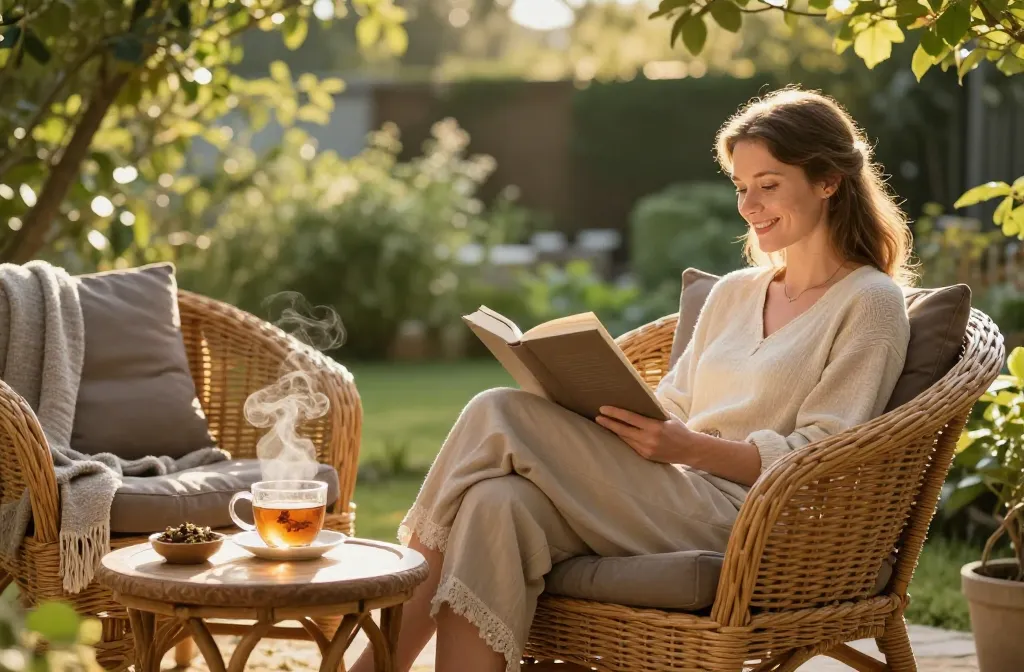
Weekends should feel like mini-vacations, not just a break from emails. The secret? A thoughtfully designed outdoor living space that invites you to slow down, breathe deep, and savor the moment. Let’s turn your backyard into a sanctuary where time moves at your pace—not your phone’s.
Start With the “Why” Before the “What”
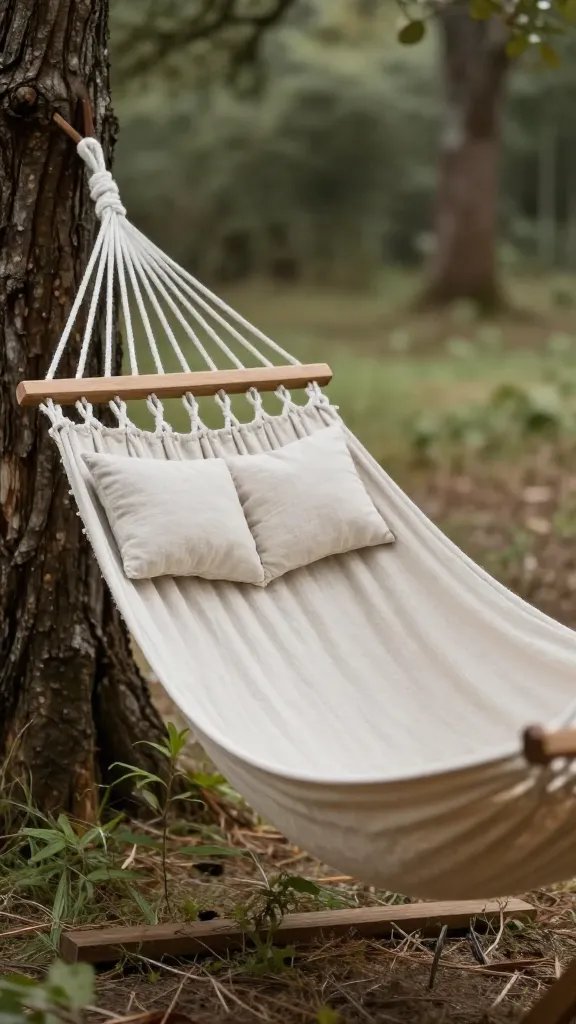
Before you buy that Instagram-worthy hammock or pricey fire pit, ask yourself: What do you actually want to *feel* in this space? Calm? Connected? Creative? Your answers will guide every design choice.
Pro tip: If your goal is mindful living, skip anything that screams “high maintenance” (looking at you, elaborate water features that need weekly algae scrubbing).
Mindset Shifts for Slow Living Design
- Embrace imperfection: Wobbly pavers add character, not stress.
- Prioritize comfort over aesthetics: That sleek metal chair? Probably awful for lounging.
- Leave room for spontaneity: A blank corner might become your future reading nook.
Zone Out (Literally) With Purposeful Areas
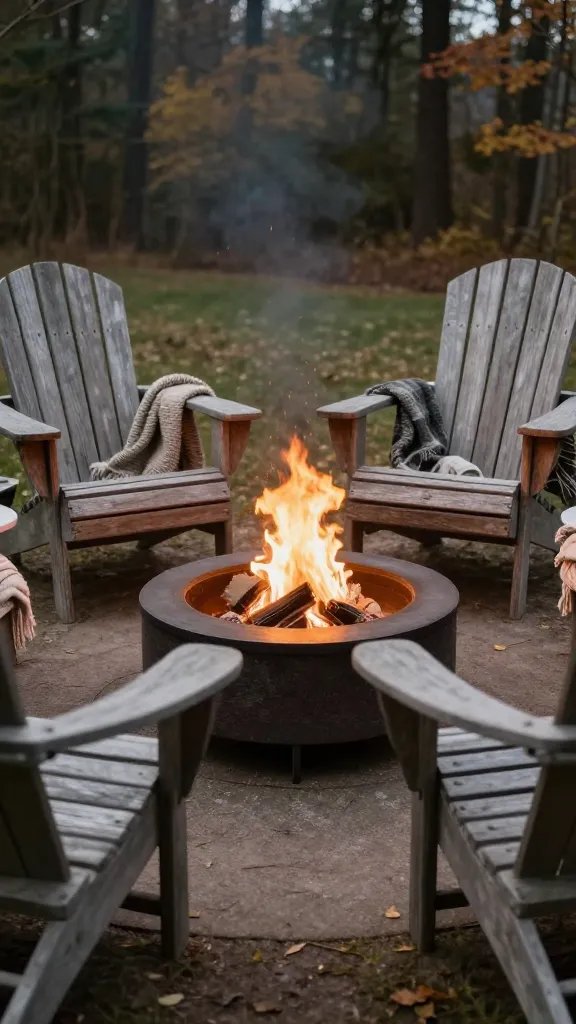
Break your space into “activity zones” to avoid a cluttered patio that feels chaotic. Here’s how to nail it:
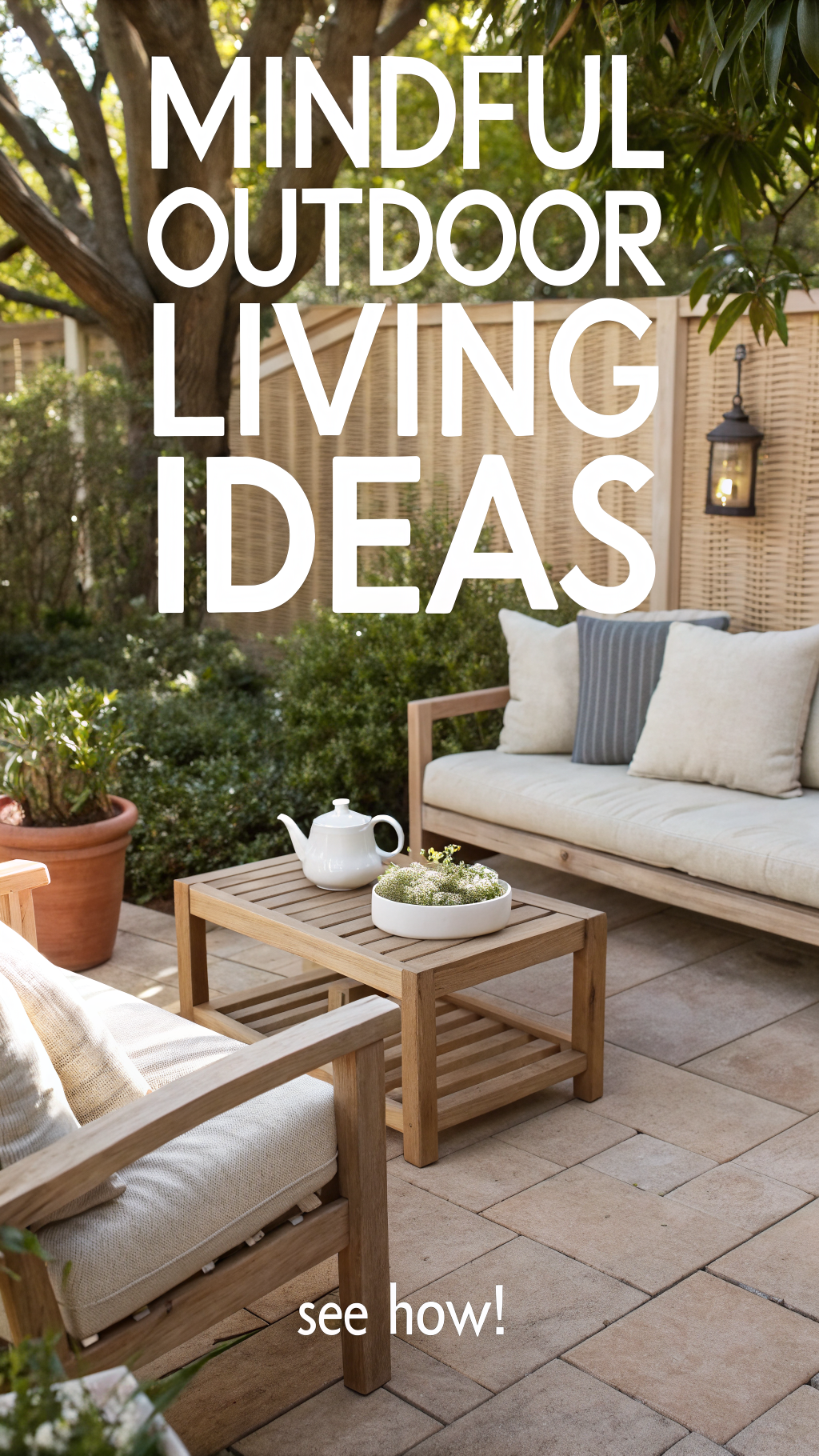
- The Unplug Zone: No outlets, just deep-cushioned seating and maybe a side table for herbal tea.
- The Slow Dining Spot: A rustic table where meals last hours, not minutes.
- The Barefoot Corridor: Soft grass or warm wood decking between zones to ground you.
Materials That Age Gracefully (Like a Fine Wine)

Nothing kills slow-living vibes faster than materials that demand constant upkeep. Here’s your cheat sheet:
- Furniture: Teak > cheap resin (weathers beautifully) | Wicker > metal (no scorched thighs in summer)
- Flooring: Decomposed granite > concrete (softer underfoot) | Cedar decking > composite (warmer texture)
- Textiles: Sunbrella fabric > anything labeled “dry clean only” (because who has time?)
Sensory Tricks to Slow Your Roll

Mindful spaces engage all five senses—not just your eyes. Try these:
Sound
Wind chimes (go for bamboo, not shrill metal) or a small fountain masked by greenery. FYI, the trickling water sound also drowns out neighbor’s regrettable karaoke nights.
Smell
Plant jasmine or lavender near seating areas. Pro tip: Rosemary bushes double as snack stations when you’re grilling.
Touch
Mix textures—a nubby wool throw over smooth stone, pebbles bordering fluffy moss. Your inner child will thank you.
The “No WiFi” Rule (& Other Slow Living Hacks)

Designate your outdoor space as a tech-free zone. No laptops, no doomscrolling—just an old-school paperback and maybe a notebook for jotting down random thoughts. Other rules to consider:
- Shoes optional (grass between toes = instant stress relief)
- Meals served family-style (fewer dishes, more chatting)
- One oversized pillow per person (because sprawled relaxation is mandatory)
FAQ: Outdoor Slow Living Spaces
How small can my outdoor space be and still work?
Even a balcony counts! Focus on vertical gardening and foldable furniture. A 6’x6’ area fits two lounge chairs and a side table perfectly.
What if I hate gardening but want greenery?
Low-fuss plants like succulents in pots or air plants (Tillandsia) that thrive on neglect. IMO, fake plants are fine if you admit they’re fake.
How do I keep bugs away without chemicals?
Citronella candles, oscillating fans (mosquitoes hate wind), and planting mint or marigolds. Also, stop leaving half-empty wine glasses out overnight.
Can I create this vibe on a budget?
Absolutely. Thrift store finds + DIY pallet furniture + dollar store solar lights = slow living magic. The goal is atmosphere, not a magazine spread.
Your Weekend Sanctuary Awaits
Creating an outdoor living space for slow weekends isn’t about perfection—it’s about designing a place where you can finally stop. Where the only notification is birdsong, and the only rush is deciding whether to nap or read next.
Now go forth and lounge unapologetically. Your future self (the one who isn’t checking emails on a Saturday) will thank you.