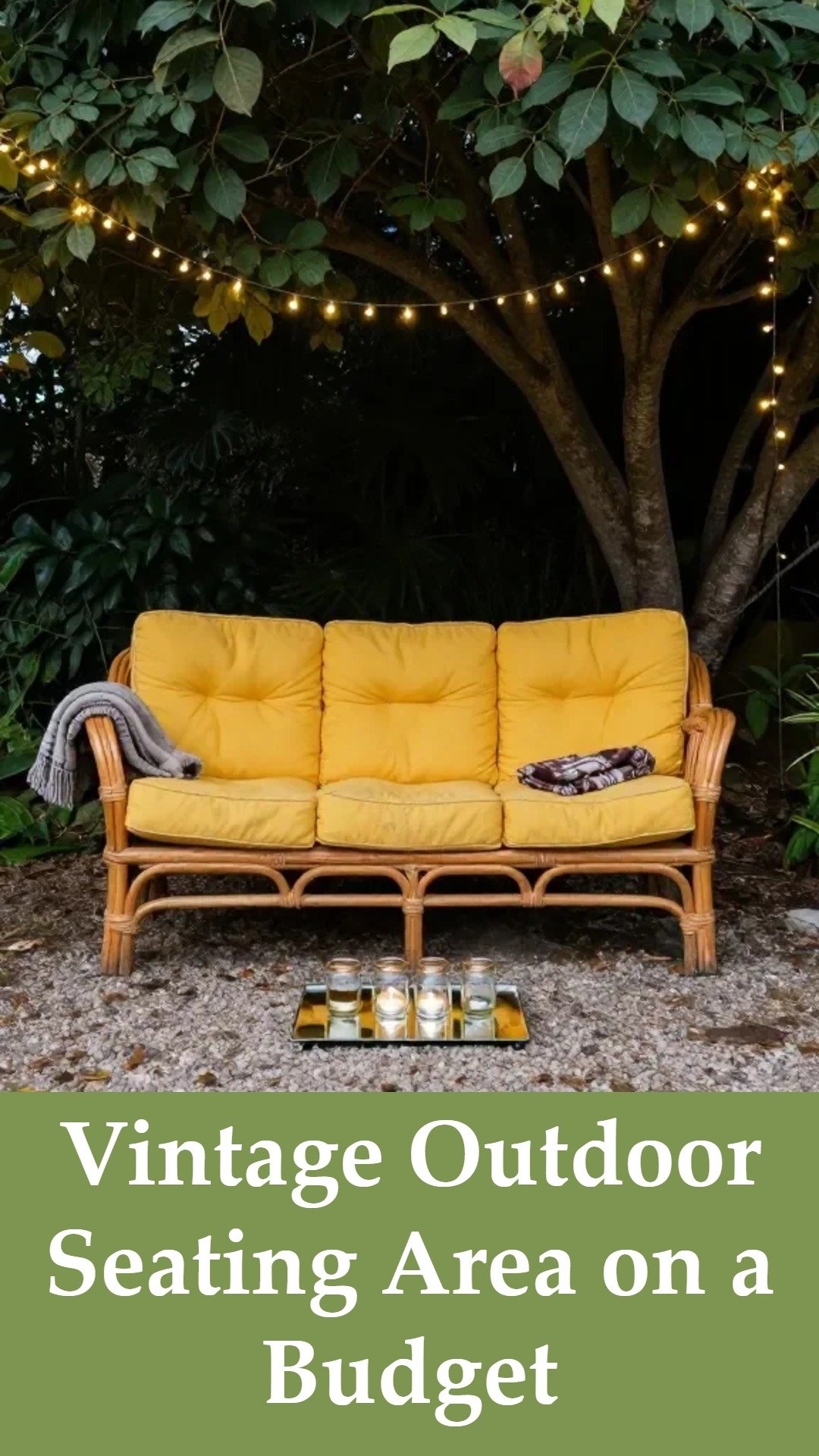
An outdoor scene unfolds as if you’re stepping into a sun-warmed dream: a weathered wooden bench, a throw pillow that somehow looks chic even after a thousand picnics, and fairy lights that twinkle like tiny constellations above a patch of grass. The air smells faintly of pine and fresh-cut grass, and distant laughter drifts in from a nearby yard. You can already hear the clink of glasses, the soft rustle of a throw, and the slow, satisfying creak of a chair welcoming your weight. You didn’t plan a magazine-worthy setup, and that’s the beauty of it.
Frustration often kicks in before the vision even starts to take shape. You want a cozy outdoor vibe, but the budget is screaming, “No way!” You scroll through glossy catalogs and think, “If only I had a perfect focal piece, everything else could fall into place.” The truth is you can create something amazing without breaking the bank. The secret isn’t chasing perfect; it’s building around something you already love and letting everything else fall into place—cheaply, practically, and stylishly.
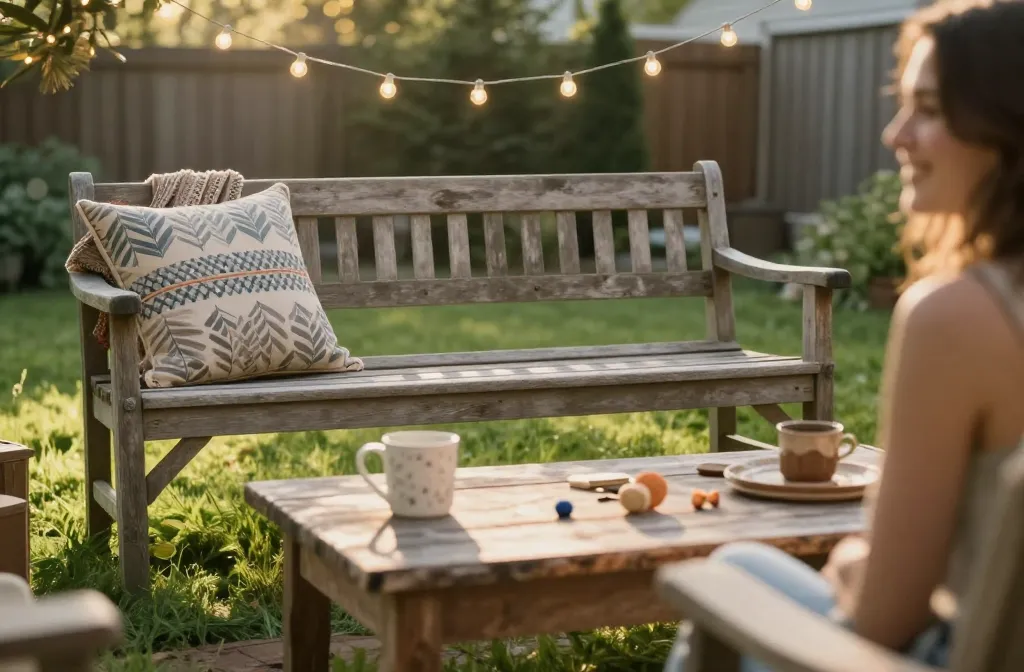
You’re in good company here. I’ve spent years helping people design outdoor spaces that feel curated rather than slapped together on a clearance shelf. I’ve made mistakes, discovered a few hacks, and learned how to spin a single standout piece into a full, welcoming scene. FYI, you don’t need a designer’s paycheck to get there. You just need a plan, a little elbow grease, and a willingness to hunt for treasures in the most unexpected places.
Let’s uncover the core philosophy first. The core idea is simple: let one good piece anchor the space, then layer with affordable, adaptable elements that can be swapped, refreshed, or reimagined without drama. Think of it as a movie trailer for your outdoor life—a strong lead, cost-effective supporting cast, and a setting that feels lush even if the budget didn’t demand a blockbuster. Now, let’s dive into practical steps, clever hacks, and playful ideas that will turn your yard, patio, or balcony into an inviting retreat.
1. Pick Your Star Piece and Build Around It
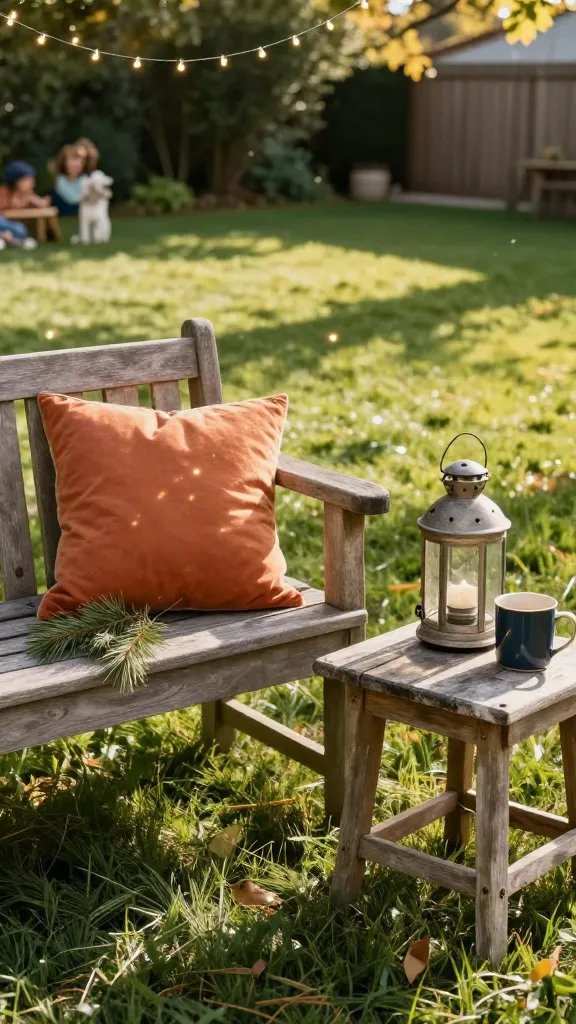
Choosing the main piece sets the tone and guides every other decision. Do you want a bold statement chair, a sturdy bench, or a coffee table with character? The star should be something that excites you when you see it and has easy styling potential.
– Look for durable hardware and a timeless silhouette. A star piece can be unique but still versatile.
– Consider size and scale. The space should breathe, not feel overwhelmed by one focal item.
– Think about comfort first. If you’re not happy lounging, you won’t use the space, period.
How to test your star piece in reality
– Place the item where it would usually live and note how the light changes throughout the day.
– Sit in it for 10 minutes with a cup of tea. Do you stay or migrate to a chair elsewhere? If you migrate, rethink comfort or height.
– Imagine two guests joining you: does it still feel inviting, or does it feel crowded?
2. Scour the Cheap-Value Market for Fast Wins
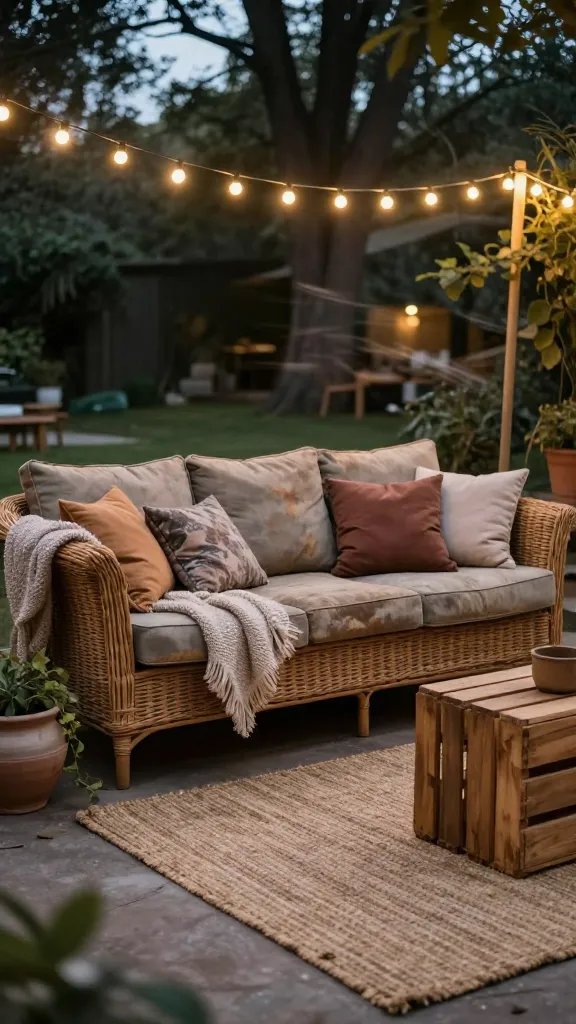
The magic happens when you learn to see potential in thrift-store finds, flea markets, and DIY-yard-sale lots. You’ll be surprised what you can transform with a little imagination.
– Thrift stores often hide sturdy frames and unusual textures that just need a fresh coat of love.
– Flea markets can yield romantic, slightly imperfect pieces that gain character with a simple makeover.
– Garage sales sometimes offer “oops” stains or mismatched parts that balance out when paired with the right cushions.
Quick makeover tricks
– Sand lightly, then repaint in a color that harmonizes with your star piece.
– Swap hardware for something more cohesive (new knobs on a table leg, for example).
– Add weatherproof cushions in sun-friendly colors to tie everything together.
3. The Budget-Friendly Palette That Feels Luxe
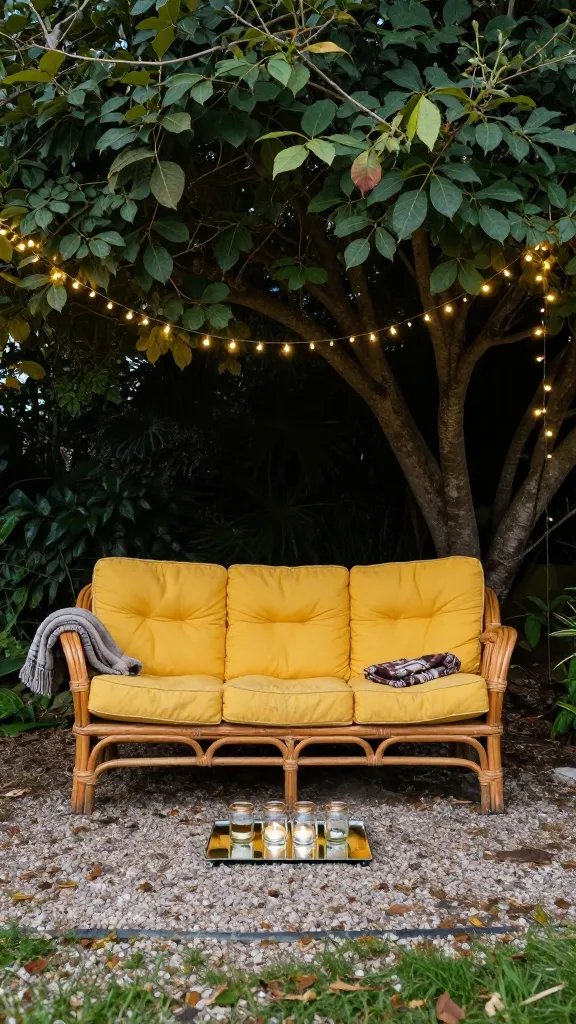
Color matters more than you think. A well-chosen palette makes disparate pieces look intentional.
– Pick a neutral base: earthy tones like taupe, gray, or cream. They adapt and hide dirt well.
– Add a pop with one vibrant color that complements the star piece.
– Bring in texture with natural materials: jute, rattan, and cork.
Choosing cushions and blankets
– Look for outdoor fabrics labeled UV-resistant and water-repellent.
– Mix patterns sparingly: one bold print plus solid colors keeps it grounded.
– Bring in a cozy blanket for cool nights—your space will feel instantly lived-in.
4. The Groundwork: Rugs, Surfaces, and Zoning
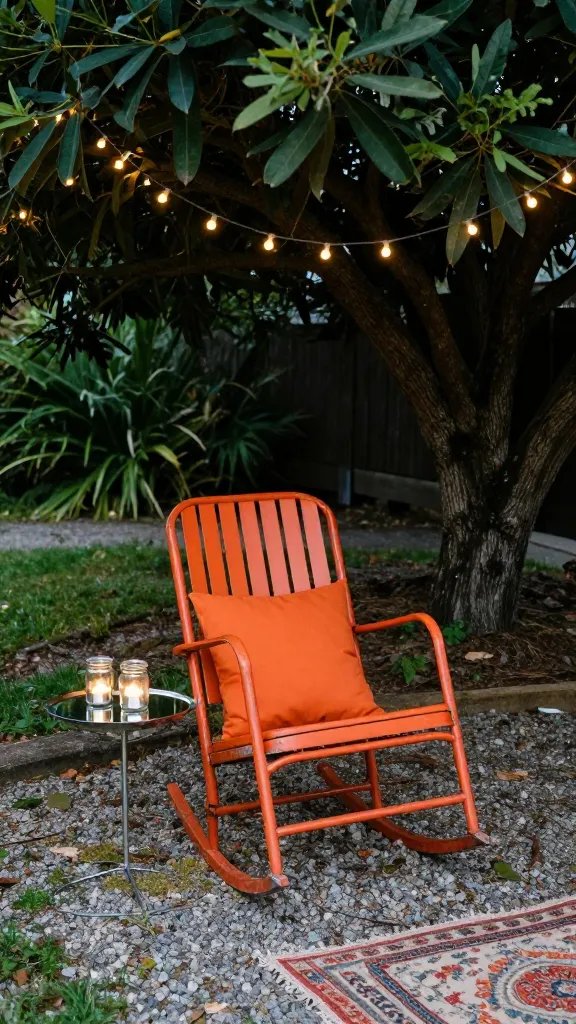
A well-placed rug can define a zone and make everyone feel anchored. It also covers a multitude of flooring sins.
– Outdoor rugs add warmth underfoot and pull everything into a cohesive area.
– Use a rug to separate seating from a cooking or play zone if you have a larger space.
– Ensure the rug is weatherproof and easy to clean.
Layering ideas
– Pair a flat-weave rug with a soft throw to create a comfy, grown-up lounge vibe.
– Choose a rug with a subtle pattern to prevent visual chaos and keep the eye focused on the star piece.
5. Seating That Feels Planted Without Breaking the Bank
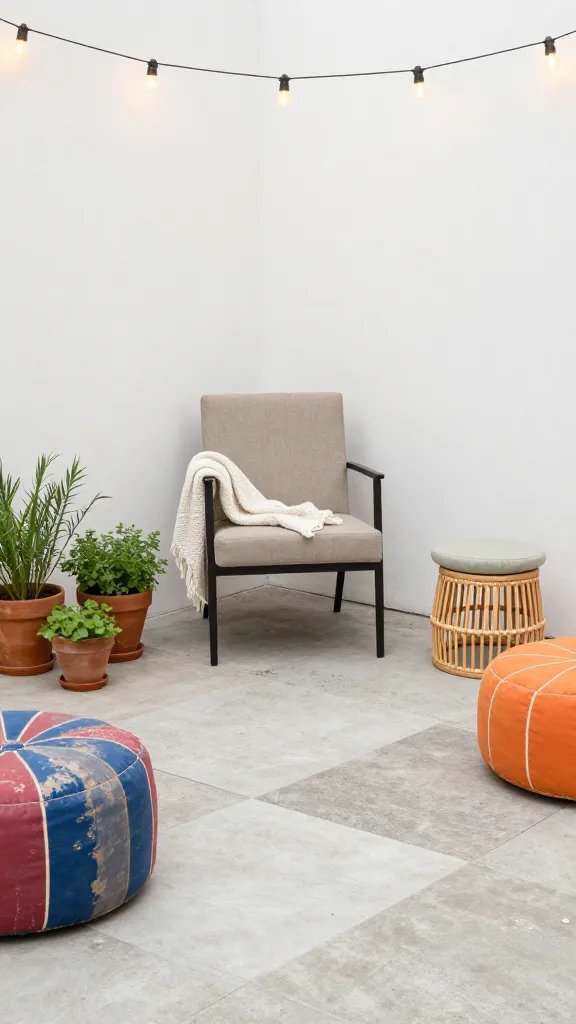
Your seating strategy should invite lingering, conversation, and the occasional nap.
– Start with the star seating base (the chair, bench, or loveseat you chose).
– Add modular stools or poufs that can be moved around as people arrive or leave.
– Remember, comfort is king: test cushions for firmness, density, and resilience to weather.
DIY cushion swap ideas
– Use outdoor cushion covers with zippers so you can swap fabrics seasonally.
– Reupholster a used chair with outdoor fabric if you find a steal—no need to invest in new frames every season.
6. Lighting That Creates Mood, Not Glare
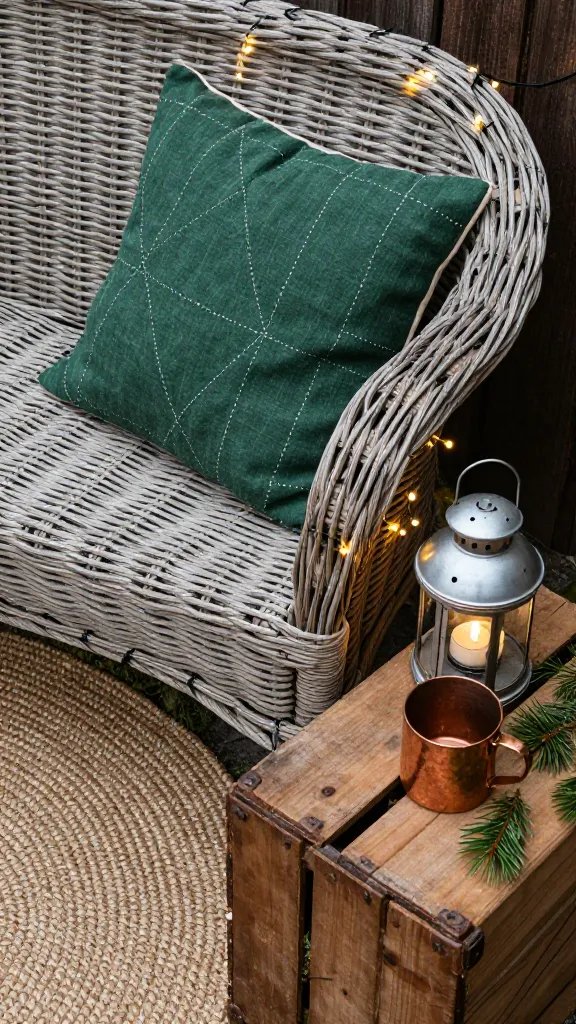
Good lighting makes evenings magical and safe. Cheap lighting often does both, with the right placement.
– String lights overhead add whimsy and warmth.
– Solar lanterns along the path create inviting pockets of space.
– A single focal light near the star piece draws eyes and gathers people.
Ambience tips
– Dim the lights for sunset and raise them as you relax into the night.
– Use warm white bulbs to avoid hospital-like brightness.
7. Natural Elements That Elevate the Space
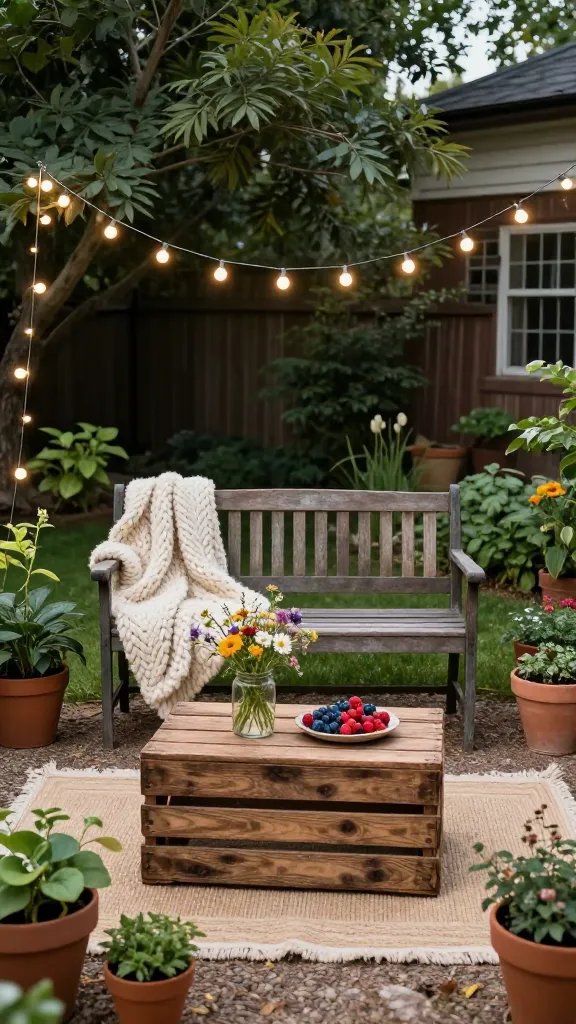
Plants and greenery are the cheapest, most impactful upgrades you can make.
– Use potted plants to frame the seating area and add color.
– Choose drought-tolerant species if you’re not keen on constant watering.
– Create a small herb corner for easy access during outdoor meals or drinks.
Low-cost plant hacks
– Propagate cuttings from friends’ gardens to grow your own mini jungle.
– Use upcycled vessels like jars, tins, or repurposed bottles as quirky planters.
– Add a bird feeder or small fountain for instant life and sound.
8. Storage That Keeps the Space Tidy and Useful
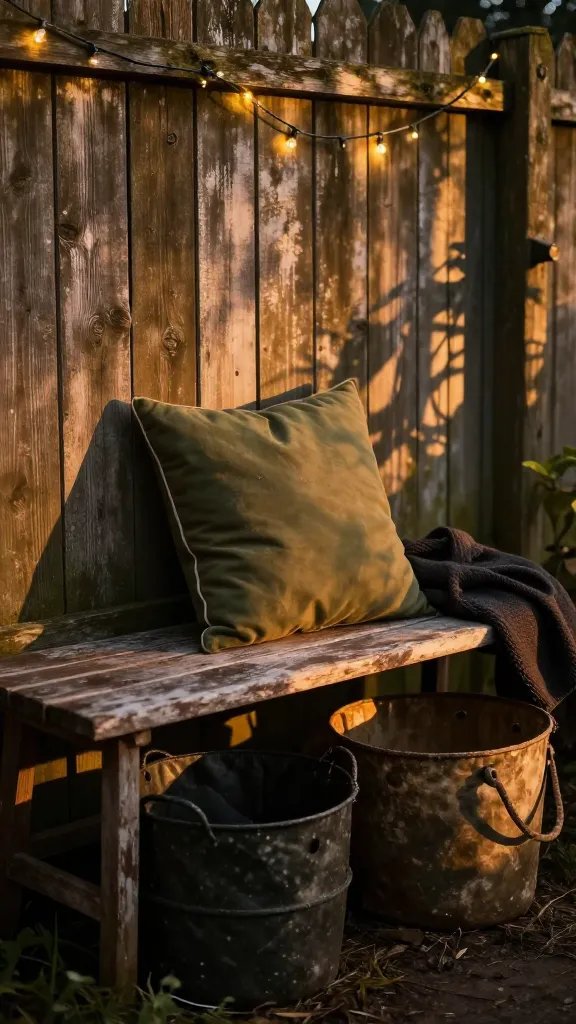
A clutter-free space feels more relaxing. Smart storage keeps cushions dry, blankets ready, and decor accessible.
– Use waterproof trunks or benches that open for stashing odds and ends.
– Consider a weather-resistant tote or bin that you can tuck away when not in use.
– Store oversized items under a bench or behind a screen to maintain a clean look.
Smart organization tips
– Keep a small tool kit handy for quick cleanups or repairs.
– Label storage containers so you grab exactly what you need.
9. The Secret Sauce: Flexibility and Design Psychology
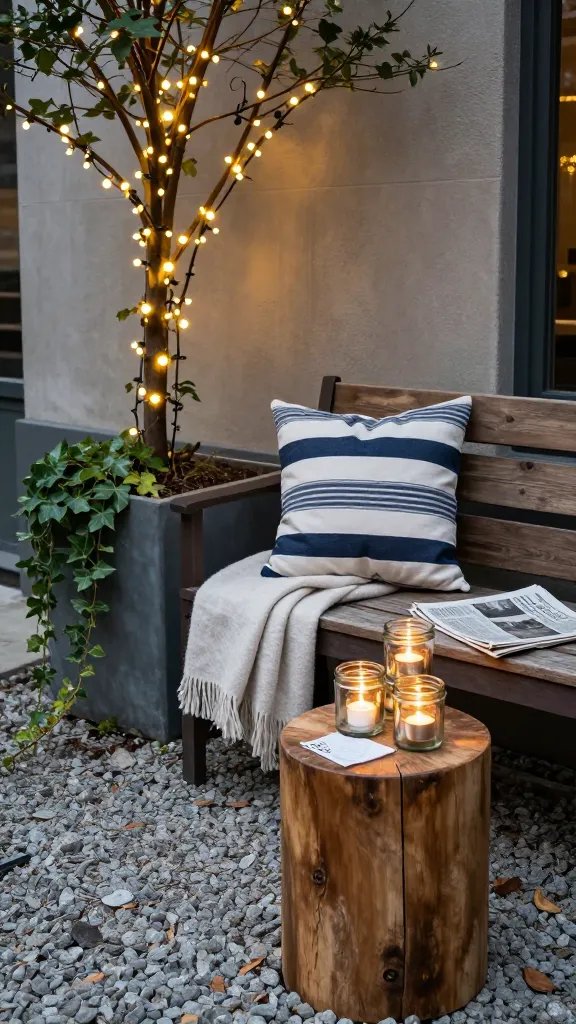
The real trick is designing for flexibility. A space that can morph with moods, seasons, and guests feels alive.
– Use modular furniture that can be rearranged easily.
– Allow negative space to create breathing room—don’t fill every square inch.
– Think seasonally: swap cushions, blankets, and decor to refresh the vibe without buying new furniture.
When to reinvent without buying
– Move a chair from the corner to the center for a new conversation circle.
– Change the orientation of the seating to face a different focal point (fire pit, TV, or garden view).
10. A Simple Routine to Keep It Fresh
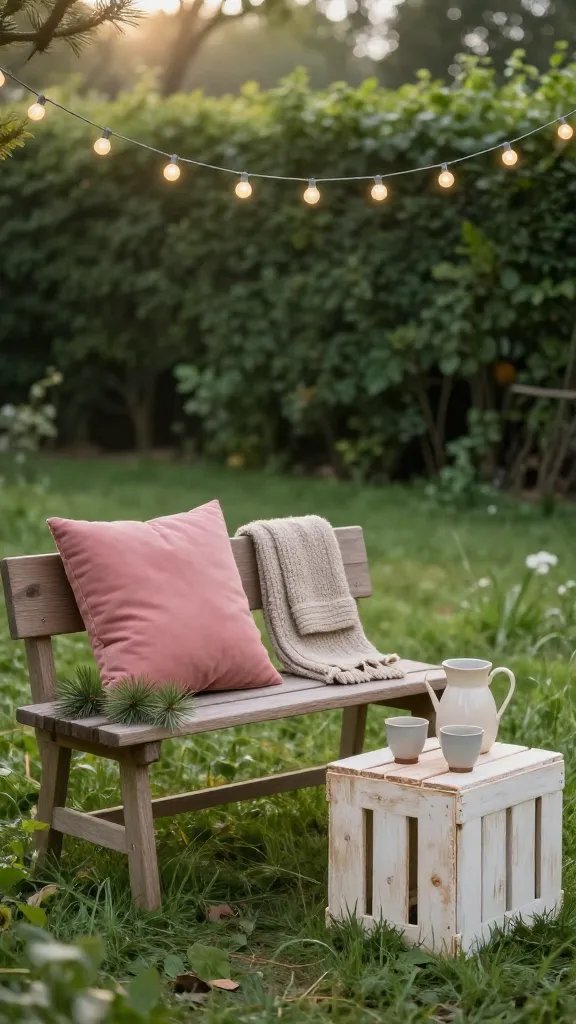
Maintenance matters more than you’d expect. A space that’s easy to care for stays loved.
– Quick weekly clean: wipe surfaces, swap damp cushions for dry ones, sweep debris.
– Seasonal refresh: rotate pillows, replace worn fabrics, and inspect for weather damage.
– Invite friends to help with a “design swap” day—turn cleanup into a fun event.
FAQ
How do I choose the best star piece for a small balcony?
Focus on comfort and scale. A leaning chair or a compact bench can anchor a tiny balcony while leaving room for a small table and a couple of stools. If your balcony has a view, orient the seating to face it. If not, face a focal point like a fire pit or plant display.
What if I don’t have a lot of money to spend?
Start with a single strong piece and borrow or reuse what you already own. Look for second-hand frames or cushions that can be refreshed with new covers. Layer with affordable textiles, and use lighting, greenery, and texture to create a rich feel without overspending.
How can I make outdoor furniture last longer on a budget?
Invest in weatherproof covers and store cushions indoors when not in use. A light sealant or protective finish on wooden pieces can extend life, and using slipcovers keeps fabrics cleaner longer. Regular checks for loose screws and rust prevent major issues later.
What about pets and kids? How do I keep the space practical?
Choose durable, wipeable fabrics, and place seating where it’s easy to supervise play or pets. Consider washable cushion covers and rugged materials that stand up to wear. Safety first: ensure corners are rounded and furniture is stable to prevent tipping.
Can I do this in a rented space?
Absolutely. Focus on removable elements: cushions with washable covers, freestanding planters, and portable lighting. Use temporary paint or decals on fences if allowed, and choose lightweight, freestanding furniture that’s easy to move.
How can I make the space feel cohesive without spending a lot?
Establish a single, cohesive color story and texture palette. Use one dominant accent color, a handful of neutrals, and repeated textures (wood, rattan, jute). Continuity creates the perception of a curated space even if every piece has a thrifty origin.
Conclusion
You don’t need a designer’s budget to create an outdoor seating area that feels considered, cozy, and totally you. Start with one good piece that makes your heart skip a beat, then hunt for cheap, high-potential finds that complement it. Layer in color, texture, and light, and let natural elements do the heavy lifting. The result will be a space people instinctively want to gather in—whether you’re hosting a sunset micro-dream or a casual coffee-and-chat moment.
So, what’s your star piece going to be? Have you spotted a thrift-store treasure that could anchor your entire setup? IMO, the joy is in the hunt as much as the rest, and the payoff is a welcoming outdoor room that feels personal, affordable, and incredibly liveable. If you’re feeling stuck, drop a comment with what you’ve found and we’ll brainstorm together.