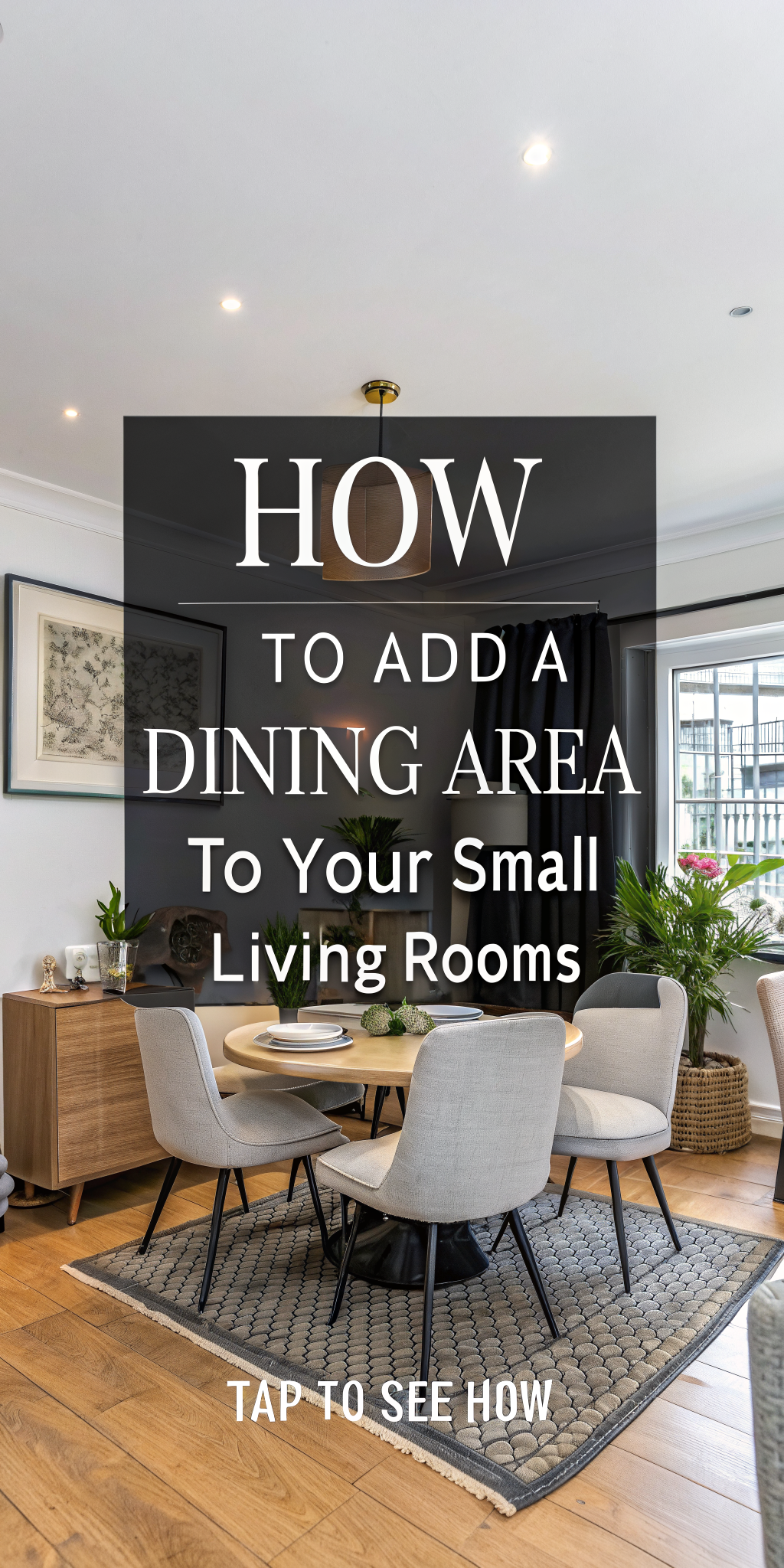
Living in a small space doesn’t mean you have to choose between having a proper place to eat and a comfortable living room. You can absolutely have both without turning your home into an obstacle course or selling your couch. The trick is getting creative with your layout, furniture choices, and a bit of visual magic. Let’s dive into how you can squeeze a dining area into your compact living room without making it feel like a sardine can.
Measure Everything (Yes, Everything)
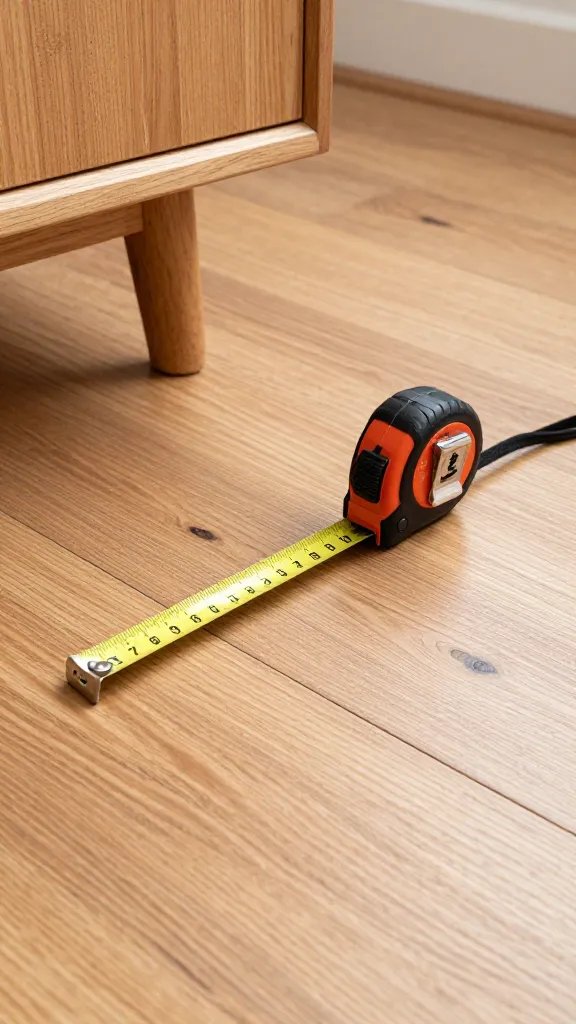
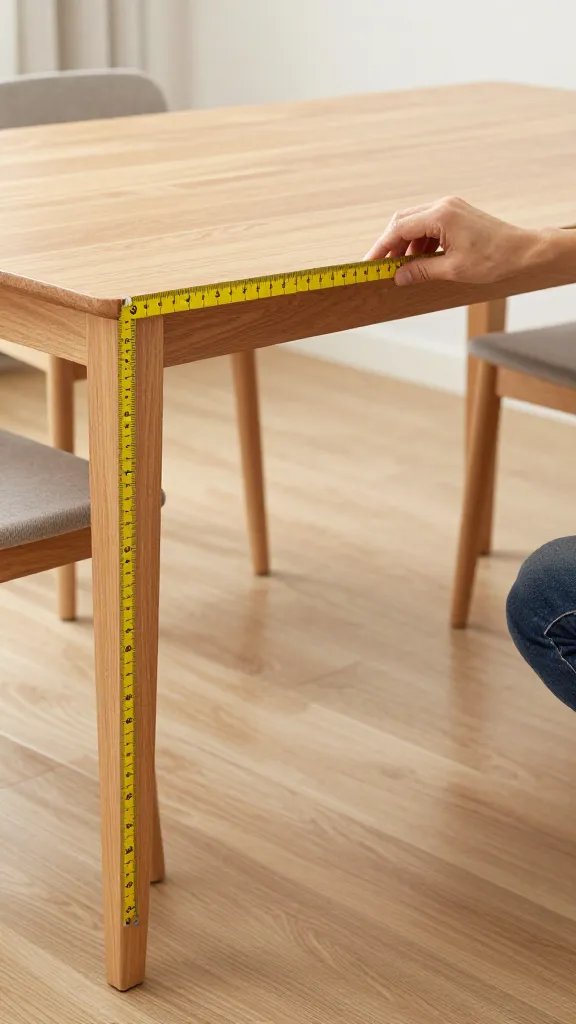
Before you start playing furniture Tetris, grab a tape measure and get serious about your space. You need to know exactly what you’re working with here.
Start by measuring the entire room, then mark out where your current furniture sits. Note the location of windows, doors, radiators, and outlets. These aren’t just details—they’re your layout constraints that’ll save you from buying furniture that blocks your only heat source or window.
Leave at least 36 inches of clearance around your dining table so people can actually pull out chairs without doing gymnastics. For walkways between furniture, aim for 24-30 inches minimum. Trust me, your shins will thank you for this.
Choose the Right Table (Size Matters)
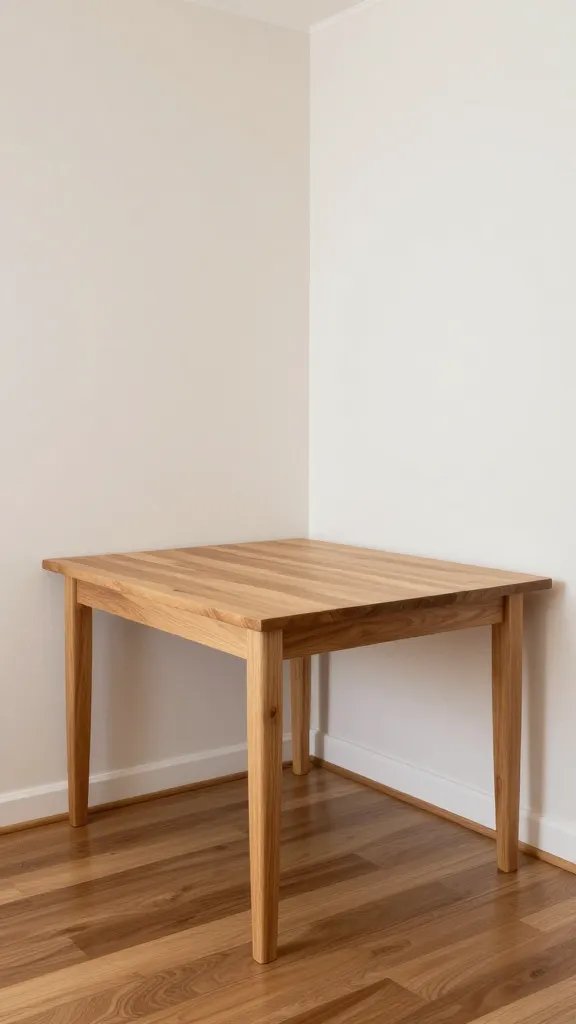
Your dining table choice can make or break this whole operation. Forget that eight-seater farmhouse table you’ve been eyeing on Instagram. We’re going practical here.
Round Tables Are Your Friend
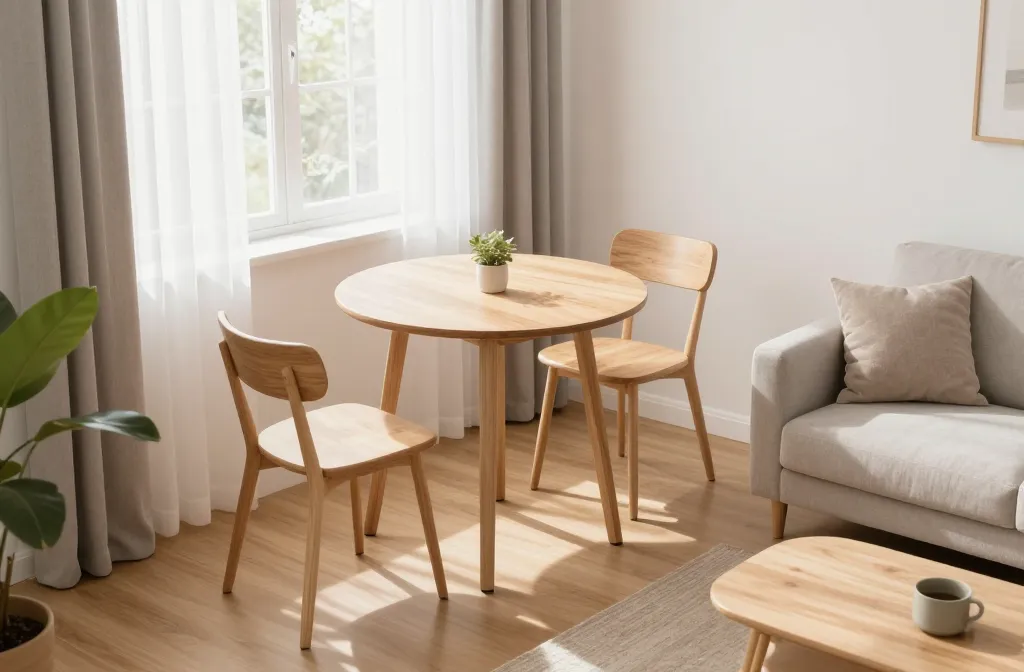
Round tables work wonders in small spaces because they don’t have corners trying to attack your hips every time you walk by. They also create better flow and can often squeeze an extra person in when needed. A 36-inch round table comfortably seats four people without eating up your entire room.
Drop-Leaf and Extendable Options
Drop-leaf tables are the transformers of the furniture world. You can keep them small for everyday use, then expand them when you’re hosting. Extendable tables work the same way—compact most of the time, party-ready when needed.
Wall-mounted drop-leaf tables take this concept even further. Fold it down when you need it, fold it up when you don’t. It’s basically furniture origami.
Get Strategic With Placement
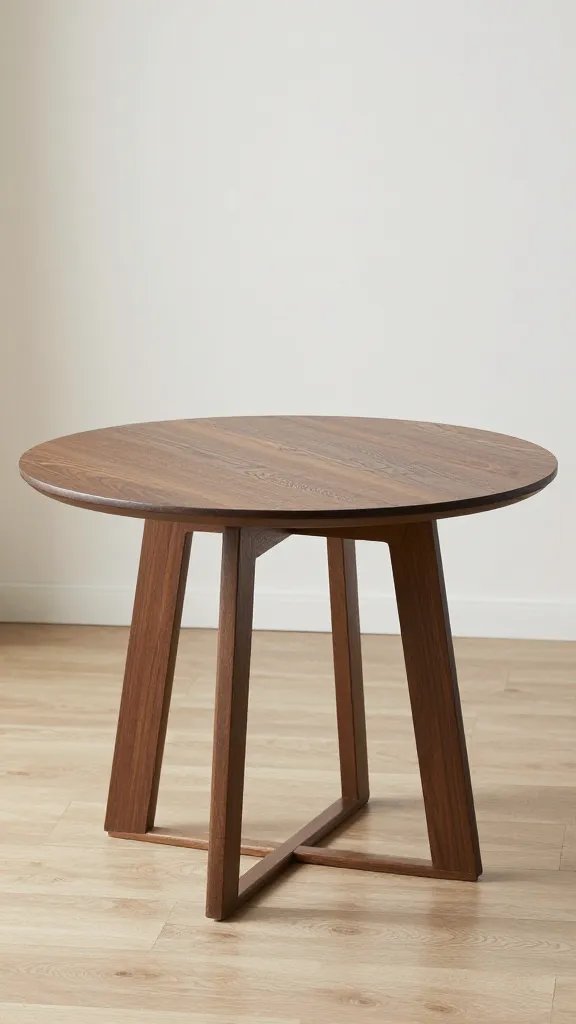
Where you put your dining area matters just as much as what you put there. The wrong spot can make your living room feel choppy and awkward.
Try positioning your dining table against a wall or in a corner to maximize floor space in the center of the room. This creates a natural separation between your dining and lounging areas without needing physical dividers.
Another clever move? Place your dining table behind your sofa. This works especially well if your sofa doesn’t need to sit against a wall. You create two distinct zones while keeping everything flowing together. The back of your sofa acts as a subtle room divider without blocking sightlines.
Window placement can also be your secret weapon. A small table tucked near a window creates a cozy dining nook that feels intentional, not cramped.
Multi-Functional Furniture Is Your Secret Weapon
In small spaces, furniture that pulls double duty isn’t just smart—it’s essential. Why own five pieces when two can do the job?
Console tables that convert to dining tables are genius. They sit slim against a wall as a normal console, then pull out and unfold into a proper dining surface. Some even have storage built in. Storage ottomans can serve as extra seating when guests come over, then tuck away neatly under the table or in a corner.
Benches work better than individual chairs because you can slide them completely under the table when not in use. Plus, you can squeeze more people onto a bench than you’d think. IMO, benches are one of the most underrated space-saving solutions out there.
Create Visual Separation Without Walls
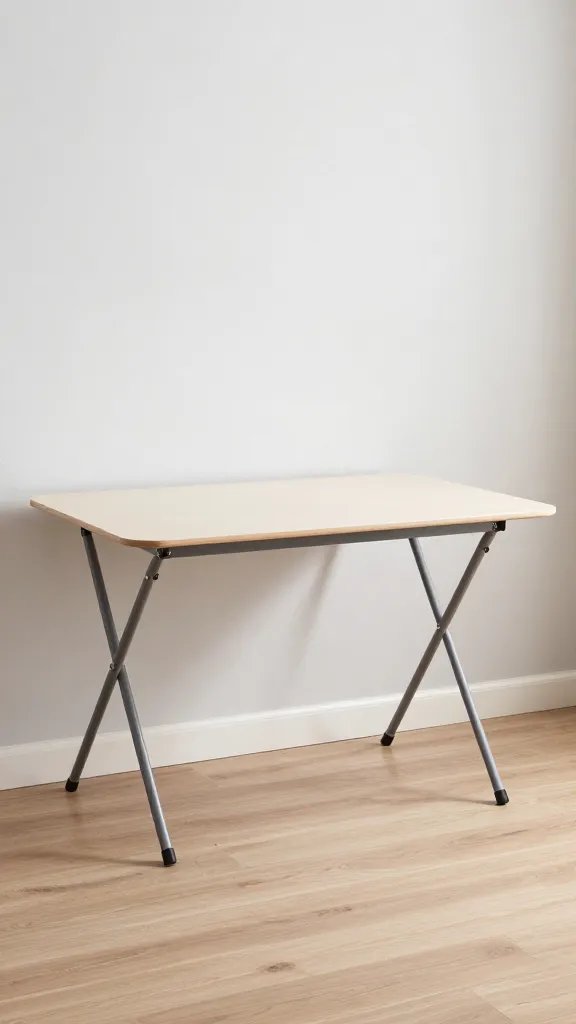
You don’t need actual walls to define your dining area. Visual tricks work just as well and keep your space feeling open.
Area rugs are the easiest way to designate your dining zone. Place a rug under your dining table and chairs, and boom—you’ve created a separate area. Just make sure the rug is large enough that chairs don’t fall off the edge when pulled out.
Lighting also does serious heavy lifting here. A pendant light or small chandelier hanging above your dining table screams “this is the eating zone” without taking up any floor space. It draws the eye up and creates a focal point that naturally separates the area from your living space.
Different paint colors or an accent wall can subtly distinguish areas too, though this requires more commitment than a rug you can swap out.
Embrace Minimalism (Just a Little)
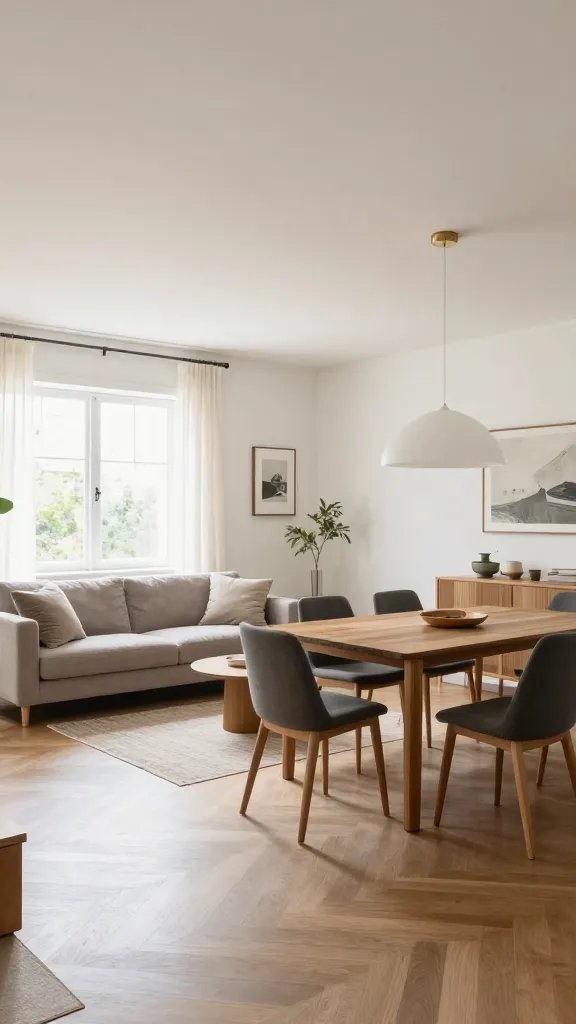
Look, I’m not saying you need to Marie Kondo your entire life, but small spaces demand some restraint. Every piece of furniture and decor needs to earn its place.
Skip the bulky china cabinet and opt for floating shelves instead. Choose chairs with slim profiles or transparent materials like acrylic that take up physical space but not visual space. Keep your table clear when you’re not eating—it’s a dining table, not a storage unit.
Vertical storage becomes your best friend. Wall-mounted shelves, tall narrow cabinets, and hanging organizers keep your stuff accessible without cluttering your limited floor space.
Smart Styling Makes Everything Feel Bigger
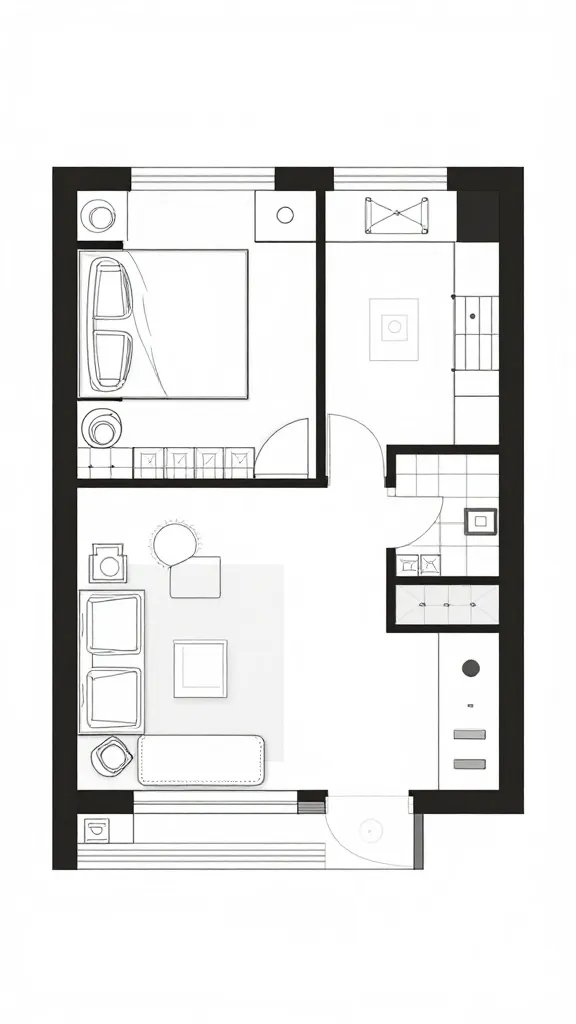
The finishing touches can make your combined living-dining space feel either cramped or cleverly designed. Choose wisely.
Stick with a cohesive color palette throughout the room. This doesn’t mean everything needs to match, but wild color variations will make the space feel chaotic and smaller. Light colors generally make spaces feel more open, but don’t be afraid of darker colors on a single accent wall—it can actually create depth.
Mirrors strategically placed can visually double your space. FYI, putting a mirror across from a window bounces natural light around and makes everything feel airier.
Keep window treatments minimal. Heavy curtains eat up visual space. Simple blinds or light fabric curtains keep things feeling open while still giving you privacy.
Frequently Asked Questions
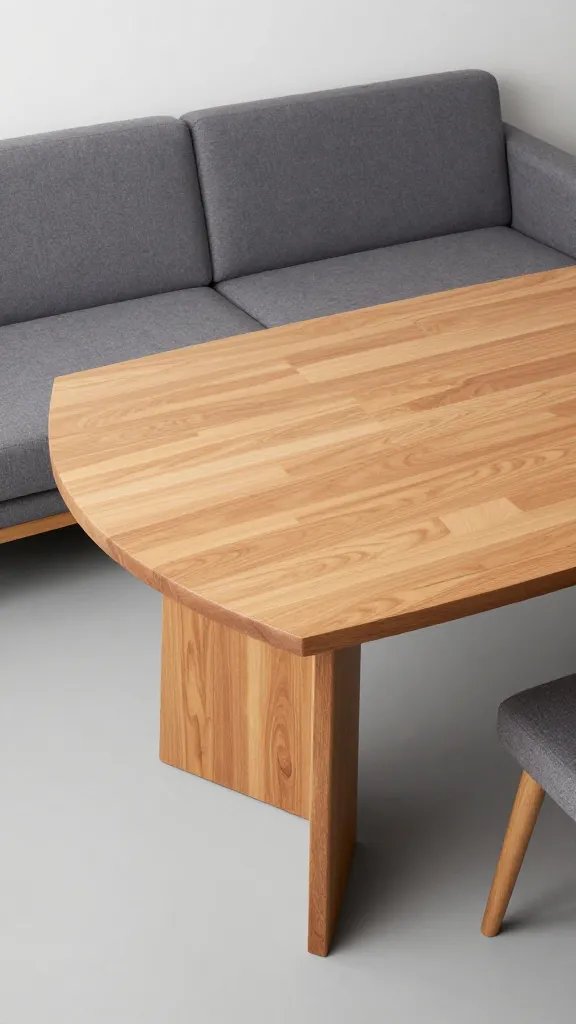
What’s the absolute smallest dining table that’s actually functional?
A 30-inch square or round table is about as small as you can go while still having a functional dining surface for two people. Anything smaller turns into more of a side table. If you regularly host guests, look for something in the 36-42 inch range that can accommodate four people comfortably.
Can I use a coffee table as a dining table?
Sure, if you enjoy eating at knee height! Seriously though, some coffee tables convert to dining height with adjustable mechanisms. These can work great in studio apartments or tiny spaces where you truly can’t fit both pieces of furniture. Just make sure it’s actually designed for this—your regular coffee table will give everyone back problems.
How do I keep my living room from feeling like a restaurant?
Balance is key. Don’t let the dining furniture dominate the space. Keep your living room seating as the primary focus, and style your dining area to complement rather than compete with it. Using residential-style dining chairs instead of commercial-looking ones helps, and keeping table settings minimal when not in use prevents that restaurant vibe.
Should I get armless chairs to save space?
Armless chairs definitely save space and tuck under tables more easily. They’re particularly smart for small dining areas. However, if you like to linger over meals or work at your dining table, chairs with arms are more comfortable. Consider a mix—armless chairs on the sides, armed chairs at the ends.
What if my living room is too small for any table?
Look into wall-mounted fold-down tables that literally disappear when not in use. Bar-height tables against a wall with stools can work in impossibly tight spaces. Or embrace the TV tray life—no shame in it. Sometimes adaptable, movable solutions beat permanent furniture in truly tiny spaces.
How do I deal with different flooring between areas?
Different flooring can actually help define your dining zone from your living area, so lean into it! If you’re renting and can’t change the flooring, use a large area rug under your dining set to create visual cohesion and tie the two areas together.
Conclusion
Adding a dining area to your small living room takes some planning and creativity, but it’s absolutely doable. The key is choosing appropriately sized furniture, placing it strategically, and using visual tricks to define separate zones without making the space feel cramped. Your small living room can handle both functions beautifully—you just need to be intentional about every choice you make. Start with measurements, invest in smart multi-functional pieces, and don’t be afraid to experiment with different layouts until something clicks. Your future dinner parties (or just regular Tuesday dinners) will be worth the effort.