
Introduction
Drowning in stress and distraction? This simple, step-by-step guide is your lifeline. Learn the easy foundational techniques to start practicing mindfulness today—from focused breathing to non-judgmental awareness—and build a calmer, more present life from the ground up. Take the first step to calm now!
The Modern Problem of Stress and Distraction
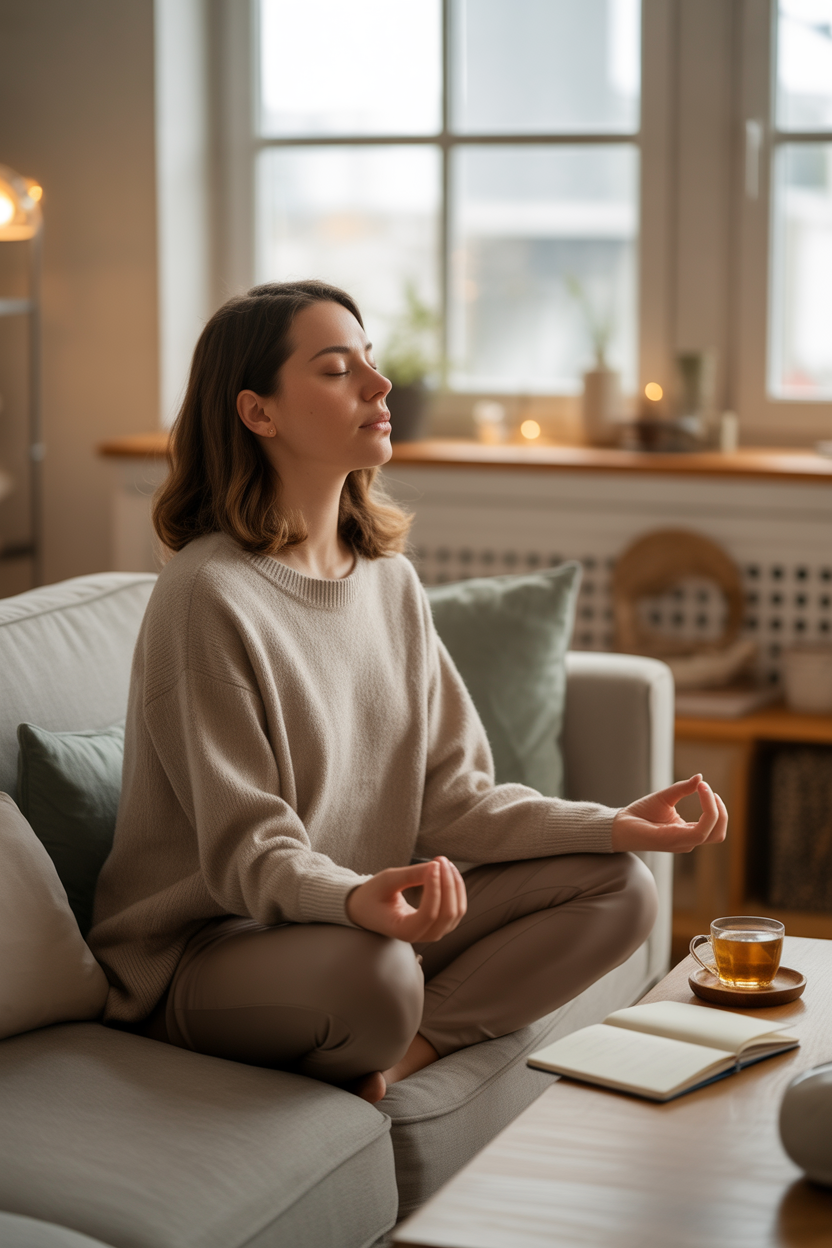
In today’s fast-paced environment, stress and distraction have become increasingly prevalent concerns. The omnipresence of technology, including smartphones, tablets, and computers, has created a constant state of connectivity that many individuals find difficult to escape. Notifications, emails, and social media updates constantly vie for attention, fragmenting concentration and heightening feelings of anxiety. As a result, individuals often find themselves overwhelmed, struggling to navigate the demands of work and life while managing an ever-expanding digital landscape.
In addition to technological distractions, many people face overwhelming workloads and societal expectations. The pressure to succeed, coupled with increased responsibilities in both personal and professional realms, can lead to significant stress levels. Statistics indicate a considerable rise in workplace stress, creating an environment in which productivity suffers and mental well-being deteriorates. The increasing competition in various sectors further exacerbates this issue, pushing individuals to work longer hours with little time for rest and rejuvenation.
The psychological and physiological effects of stress are profound. Individuals experiencing chronic stress often exhibit symptoms such as irritability, fatigue, anxiety, and difficulty concentrating. These symptoms not only affect personal health but also impact interpersonal relationships and overall productivity. Prolonged exposure to stressors can lead to serious health issues, including cardiovascular disease, depression, and weakened immune function. It is crucial to address these symptoms promptly to prevent further escalation of the problem.
Amid these challenges, mindfulness has emerged as a potential remedy for modern stress and distraction. By fostering present-moment awareness and promoting a non-judgmental approach to experiences, mindfulness practices can help individuals regain focus and alleviate anxiety. Through simple techniques, individuals can cultivate resilience against the pressures of contemporary life, ultimately enhancing their mental and physical well-being.
What Mindfulness Is (and What It Isn’t)
Mindfulness is a mental practice that emphasizes being fully aware of the present moment. It encourages individuals to observe their thoughts, feelings, bodily sensations, and the surrounding environment without judgment. This heightened state of awareness fosters a deeper connection to one’s experiences, allowing a person to engage with life more fully. The essence of mindfulness is not about emptying the mind or escaping from reality; rather, it involves acknowledging and accepting the current circumstances and any emotional responses elicited by them.
It is crucial to differentiate mindfulness from similar concepts, such as meditation. While meditation is often a practice that fosters mindfulness through dedicated time spent focusing on breathing or specific thoughts, mindfulness itself is more about incorporating awareness into everyday life. For example, a mindful walk in nature involves paying attention to each step, the sights and sounds around, and one’s breathing without letting the mind wander off into distractions. This practice can be done in any setting, whether one is engaged in routine tasks like eating or cleaning.
Additionally, misconceptions about mindfulness often lead individuals to believe it requires an empty mind or an absence of thoughts. However, mindfulness can coexist with thoughts racing through the mind; rather than attempting to suppress these thoughts, individuals are encouraged to acknowledge them and let them pass, much like leaves floating down a river. This perspective shift is central to understanding mindfulness as a practice of awareness and acceptance.
In summary, mindfulness is about enhancing present-moment awareness and recognizing thoughts without judgment, distinguishing it from meditation and other practices aimed at achieving a blank state of mind. This understanding lays the groundwork for effectively integrating mindfulness techniques into daily routines.
Core Benefits: Finding Calm, Focus, and Clarity
Mindfulness has emerged as a powerful tool for managing stress, fostering mental clarity, and enhancing overall emotional well-being. Various scientific studies have illustrated the numerous benefits of integrating mindfulness into daily life. For instance, research indicates that consistent mindfulness practice can significantly reduce symptoms of anxiety and depression. It promotes finding calm by encouraging individuals to remain present, thereby alleviating the mental clutter that often accompanies stressful situations.
Enhanced focus is another substantial benefit associated with mindfulness. Practicing mindfulness helps in training the mind to concentrate on the present moment, thereby improving attention spans. According to a study published in the journal “Cognitive, Affective, & Behavioral Neuroscience,” individuals who engage in mindfulness training demonstrate increased activity in brain regions associated with attention and executive functioning. This heightened state of awareness not only fosters productivity but also enhances one’s ability to navigate complex tasks with greater efficiency.
Moreover, mindfulness provides clarity by inviting a deeper understanding of one’s thoughts and feelings. When individuals practice mindful observation without judgment, they cultivate a clearer perspective on their experiences. Research published in “Psychological Science” indicates that mindfulness meditation can improve cognitive flexibility and problem-solving skills, equipping individuals to approach challenges with a balanced mindset. As a result, this mental clarity can lead to improved interpersonal relationships and enhanced creativity, as individuals feel more equipped to express themselves authentically.
In resilience-building, mindfulness emerges as an essential practice. By developing the ability to remain grounded amid life’s pressures, individuals become more adept at managing stress and bouncing back from setbacks. The benefits of mindfulness extend far beyond personal health, promoting growth in professional settings, ultimately contributing to a more fulfilling and productive life.
A Simple, Step-by-Step Guide to Your First Practice
Embarking on your first mindfulness practice can be a rewarding experience, and following a simple, step-by-step guide can make the process approachable. Begin by selecting a quiet and comfortable space where you can sit undisturbed for a few minutes. This can be a quiet room in your home, a garden, or any place that feels calming. The aim is to create an environment conducive to relaxation and focus.
Once you have chosen your location, set a timer for the desired duration of your practice. For beginners, a time frame of five to ten minutes is recommended, as this duration allows you to engage fully without feeling overwhelmed. You can gradually increase this time as you become more comfortable with the practice. Having a specific time in mind helps to establish a routine, further integrating mindfulness into your daily life.
Next, settle into a comfortable position, either sitting or lying down. Begin by taking a few deep breaths, inhaling through the nose and exhaling through the mouth. Let your breath flow naturally, focusing on the sensation of the air entering and leaving your body. Should your mind wander, gently guide your attention back to the breath. It is important to accept that wandering thoughts are a natural part of mindfulness; they are not an obstacle but rather an opportunity to practice redirecting your focus.
If discomfort arises during your practice—be it physical or mental—acknowledge these feelings without judgment. Sometimes, simply adjusting your posture or consciously relaxing tense muscles can alleviate discomfort. The journey to mindfulness often includes challenges, but addressing them is crucial for growth. Remember, this practice is about cultivating awareness and self-compassion, making it perfectly normal to encounter difficulties along the way.
Making Mindfulness a Habit and Finding Your Path Forward
To truly embrace mindfulness as a consistent practice, it is essential to cultivate it into a habit that seamlessly integrates into daily life. One effective strategy is setting reminders at specific intervals throughout the day. These reminders could be as simple as a notification on a smartphone, prompting you to take a moment to breathe deeply, observe your surroundings, or practice a brief meditation. By doing this, the practice of mindfulness becomes a regular part of your routine rather than an occasional activity.
Additionally, consider joining mindfulness groups or communities, whether online or in person. Such groups can provide support, encouragement, and accountability as you navigate your journey towards a more mindful lifestyle. Engaging with others who share similar goals fosters a sense of community, making the path to mindfulness more enjoyable and less solitary. Together, members can share experiences, tips, and resources to improve their practices, facilitating mutual growth.
In this digital age, taking a mindfulness course can also be beneficial. These courses often provide guided meditations, reminders, and even progress tracking features, helping you stay committed and engaged in your practice. Choosing an online mindful course that resonates with your personal preferences can enhance the overall experience, reinforcing the habit of mindfulness.
It is crucial to remember that developing mindfulness is a personal journey, and it is essential to be patient and gentle with oneself during this process. Everyone’s approach to mindfulness is unique; thus, exploring various methods—such as yoga, breathing exercises, or even journaling—will help you find what resonates best with you. By embracing this exploration, you will create a fulfilling, personalized mindfulness practice that encourages a balanced and peaceful life.