Introduction
Feeling rushed? Discover 3 practical tips to embrace a slower pace and integrate Mindfulness into your hectic routine. Learn how simple shifts can reduce overwhelm, increase your presence, and help you find joy in the everyday. It’s time to slow down and read now!
Understanding Slow Living
Slow living is a lifestyle philosophy that emphasizes a mindful approach to daily activities, encouraging individuals to align their lives with their core values and aspirations. This concept, which has gained traction in recent years, contrasts sharply with the fast-paced lifestyle that many people experience today. The origins of slow living can be traced back to the slow food movement, initiated in Italy during the 1980s as a response to the rise of fast food and industrialized agriculture.
This movement highlighted the importance of food quality, sustainability, and the joy found in shared meals. Over time, the principles of this movement have expanded into all facets of life, creating a broader understanding of how to cultivate a slow living approach.

At its essence, slow living promotes mindfulness and intentionality. It encourages individuals to simplify their lives, taking the time to savor experiences rather than rushing through them. This shift in mindset fosters a deeper connection not only with oneself but also with the environment and relationships. By slowing down, individuals can cultivate a heightened awareness of their surroundings and gain insight into their emotional and mental well-being. This results in a more fulfilling existence, where each day is approached with purpose and reflection.
The principles of slow living revolve around several key aspects: prioritization, simplicity, and connection. It invites individuals to consciously select activities that resonate with their personal values, ultimately enhancing overall satisfaction. Whereas modern life often glorifies busyness and achievement, slow living encourages taking a step back to evaluate what truly matters. By finding harmony in one’s routines, slow living offers a path towards a more meaningful life marked by resilience, mindfulness, and deeper connections with the world around us.

Tip 1: Prioritize Mindfulness in Everyday Tasks
Incorporating mindfulness into daily routines is essential for embracing slow living, as it allows individuals to cultivate a greater awareness of the present moment. Mindfulness can be practiced in various everyday tasks, transforming mundane activities into opportunities for reflection and appreciation. One effective technique is mindful breathing, which can be employed anytime and anywhere. Taking a moment to focus on the breath—observing each inhale and exhale—instantly grounds one in the present and mitigates feelings of stress or distraction.
Another area where mindfulness can significantly enhance the slow living experience is during meals. Engaging fully in the act of eating allows one to savor flavors, textures, and aromas, fostering a deeper connection with food. Instead of hurriedly consuming meals, individuals can practice mindful eating by minimizing distractions, such as electronic devices, and taking the time to appreciate each bite. This practice not only heightens enjoyment but can also lead to improved digestion and healthier eating habits, as awareness of hunger and fullness cues becomes sharper.
Additionally, mindfulness can be applied to activities like commuting or completing household chores. By intentionally engaging in each task, whether it is driving, walking, or washing dishes, individuals can transform these moments into brief meditative experiences. For instance, focusing on the rhythm of one’s steps while walking or the sensation of water while washing dishes encourages a sense of tranquility and mindfulness. Adopting this approach enhances overall well-being and reduces stress, enabling one to appreciate simple moments that are often overlooked.
Thus, by prioritizing mindfulness throughout daily tasks, individuals can experience a richer and more fulfilling slow living lifestyle, while contributing positively to their mental and emotional health.
Tip 2: Declutter Your Space and Mind
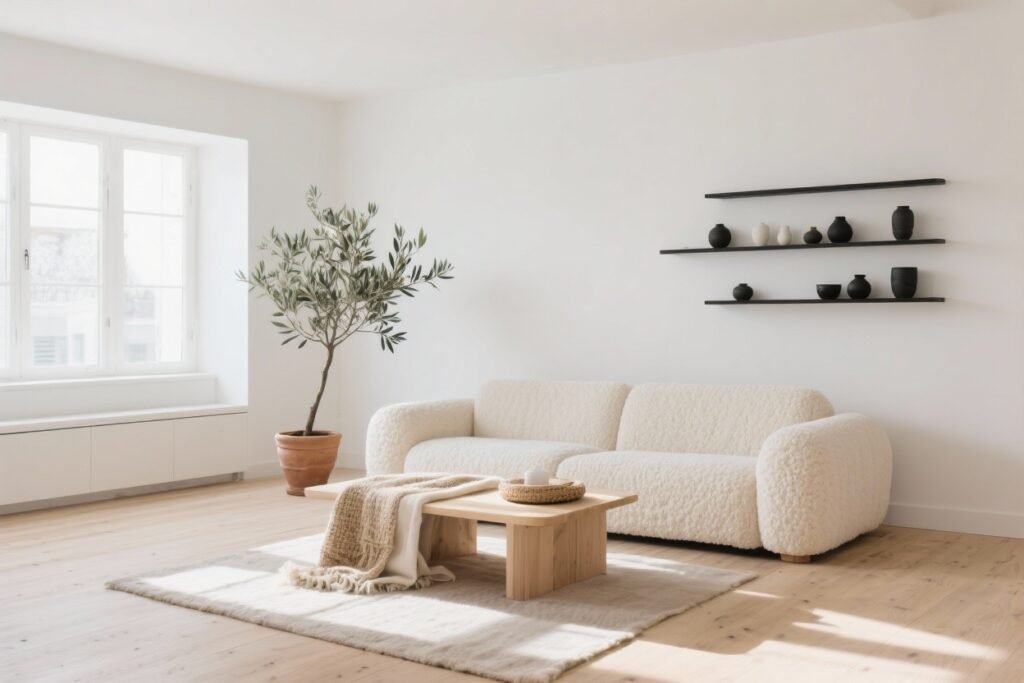
Embracing slow living fundamentally requires a clear environment that aligns with a peaceful mindset. A cluttered space often translates to a cluttered mind, making it challenging to slow down and enjoy the present moment. Thus, decluttering becomes a pivotal practice in transitioning to a more mindful lifestyle. The process begins with your physical environment. Start by assessing your surroundings—identify items that no longer serve a purpose or bring you joy. By removing unnecessary physical belongings, you create a streamlined space that promotes calmness and focus.
Implement the principle of “one in, one out” when acquiring new items, which encourages intentionality about what you bring into your living space. Furthermore, organizing your home can significantly impact your mental clarity. Consider categorizing belongings based on usage or sentimental value, and utilize storage solutions that are both practical and aesthetically pleasing. Labeling containers can also enhance efficiency and make it easier to maintain order in your environment.
The impact of decluttering extends beyond physical items; it also encompasses mental commitments. Simplifying your schedule and saying no to unnecessary obligations allows for greater focus on what truly matters. Prioritize commitments that align with your values and provide fulfillment. This assessment of your time management helps eliminate the distractions that fragment your thoughts and energy.
Letting go of unnecessary distractions also involves digital decluttering. Reduce screen time, unsubscribe from excessive notifications, and curate your online consumption. By managing the digital clutter in your life, you create mental space that fosters tranquility and reflection. In adopting a decluttered approach, both physical and mental, you create an environment conducive to slow living, enabling a deeper connection with yourself and the world around you.
Tip 3: Schedule Time for Leisure and Connection
In the fast-paced world we inhabit, carving out time for leisure and genuine connections with others is essential for maintaining emotional well-being. To embrace a slower lifestyle, consider establishing specific days dedicated to family activities or personal hobbies that bring immense joy. Setting aside time for these endeavors not only enhances our enjoyment of life but also fosters stronger relationships with those around us.
One effective practice is to designate weekends or certain evenings as “family time.” During these periods, make an effort to engage in activities that everyone enjoys, whether it is playing board games, embarking on nature walks, or cooking a meal together. The quality time spent with loved ones nurtures close bonds and creates lasting memories, which are vital components of a fulfilling life.
Moreover, integrating hobbies into your schedule can significantly contribute to your overall happiness. Choose activities that inspire creativity and relaxation, such as gardening, painting, or reading. Allocating intentional time for these leisure pursuits can reduce stress levels and enhance your sense of personal accomplishment. It serves as a reminder that life’s pleasures often stem from simple, enjoyable experiences.
Additionally, consider implementing technology-free evenings into your routine. This practice encourages meaningful interactions and strengthens connections, without the distractions of electronic devices. Use this time to engage in deep conversations, share stories, or participate in activities that require teamwork, such as puzzles or DIY projects. These moments of undistracted connection will not only improve the quality of your relationships but also reinforce a sense of community within your household.
By prioritizing leisure and connection in your life, you cultivate an environment that fosters emotional health while encouraging deeper relationships with friends and family. Nurturing these aspects will undoubtedly contribute to a more balanced and fulfilling existence.