Short intro: If your outdoor space feels cramped, you’re not doomed—you’re about to unlock a layout that feels bigger, cozier, and totally doable. I’ll walk you through simple moves, budget-friendly picks, and a few pro hacks to make your tiny patio shine. Let’s turn that compact slice of outdoors into your favorite hangout.
1. Know Your Space: Measure, Then Multiply Your Feel-Good Factor
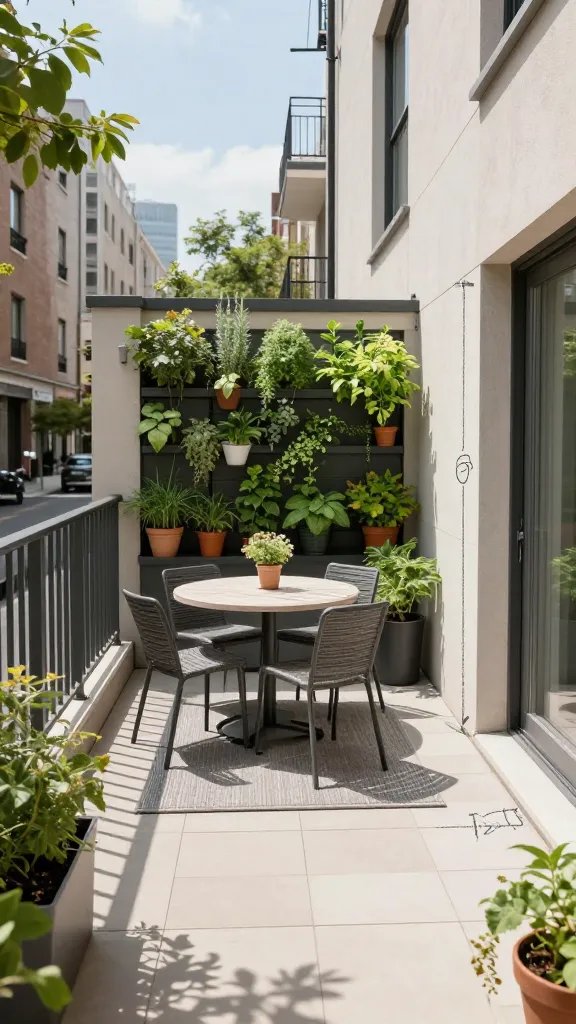
– Before you buy a single chair, measure length, width, and height of every usable corner. Yes, even the sliver by the railing counts.
– Sketch a quick floor plan. Pro tip: cut out paper shapes of furniture to test fit before you commit.
– Consider traffic flow. You don’t want to elbow-dump your guests every time someone walks by.
Subsection: Key Measurements to Gather
– Overall patio area (in feet or meters)
– Door swing and entry points
– Clearance for chairs to pull out
– Height restrictions (if you have a pergola or ceiling)
2. Pick a Focal Point That Keeps Attention Where You Want It
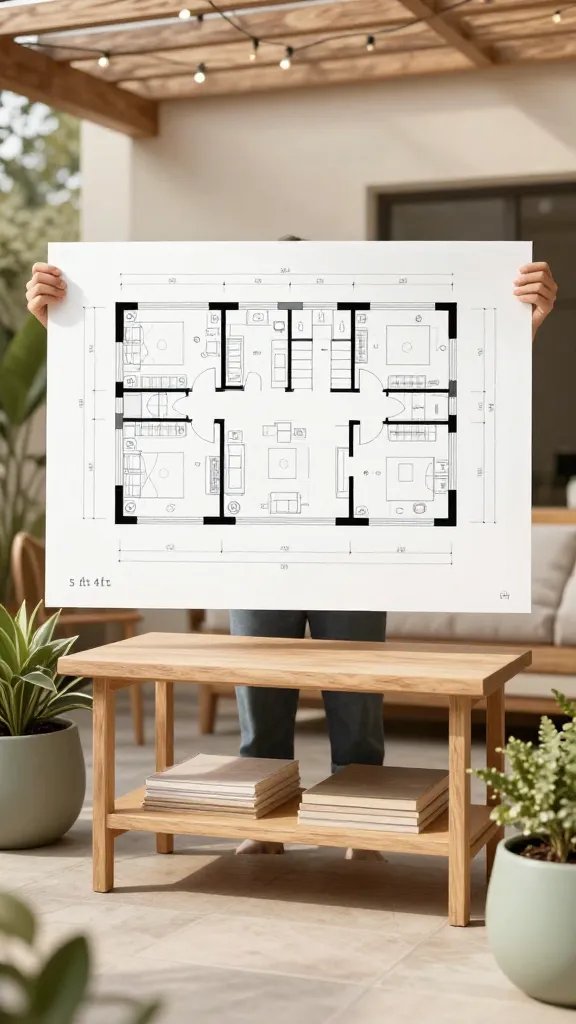
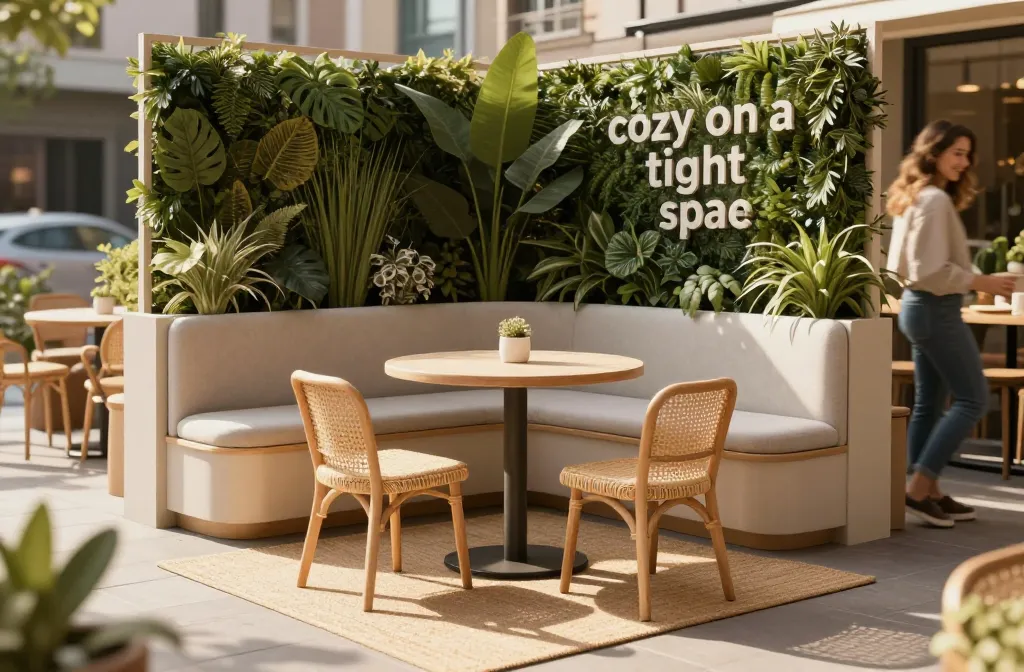
A tiny patio needs a hero anchor. It could be a compact dining set, a cozy conversation nook, or a statement plant wall. The trick is to choose one element that draws the eye and then arrange everything else around it.
- Dining set that fits perfectly without overcrowding
- Rounded seating to soften edges
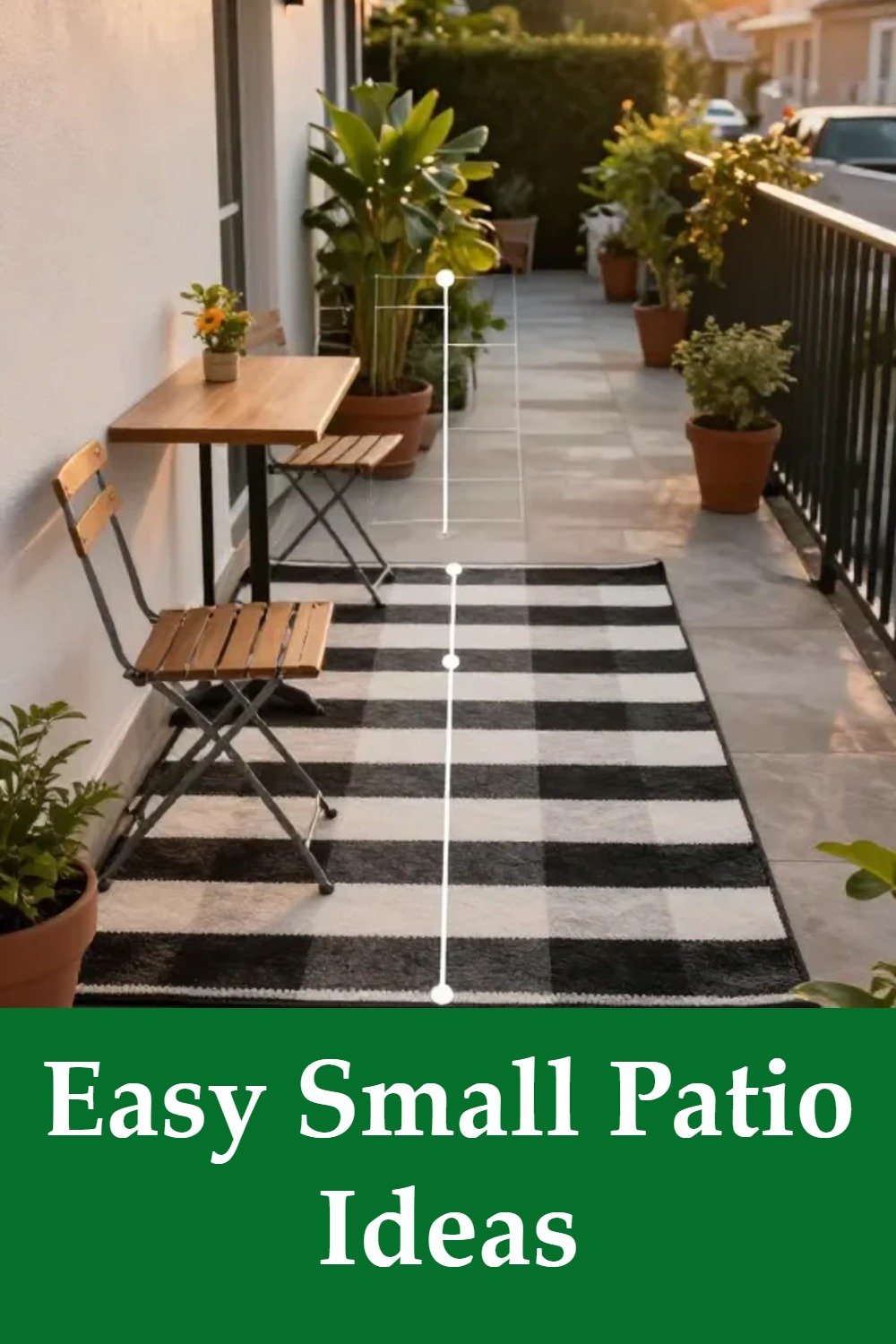
- A bright outdoor rug to define the space
Subsection: What Counts as a Focal Point?
– A small bistro table with two chairs
– A vertical garden or trellis
– A striking planter with bold color
3. Layer Seating Like You Mean It
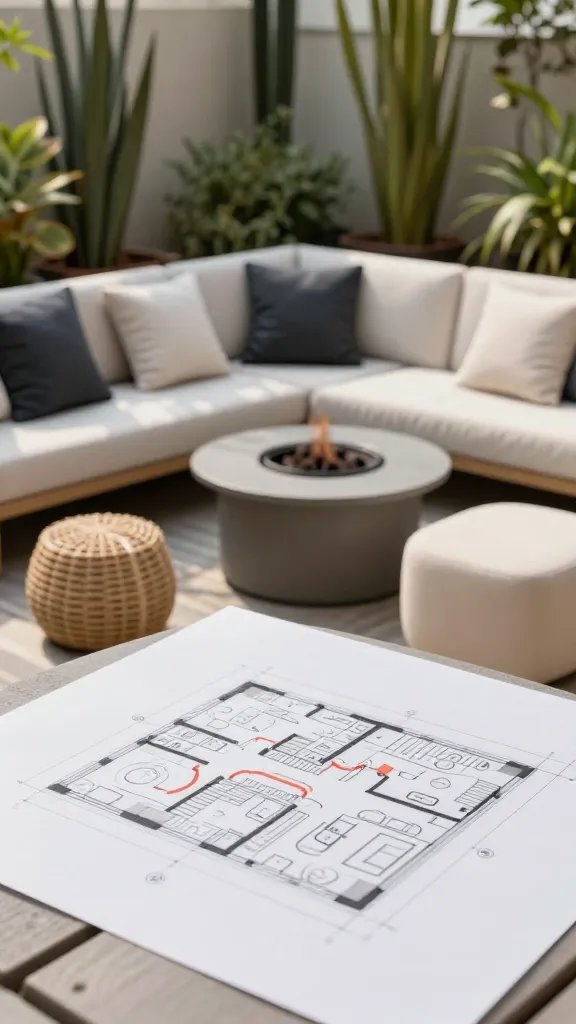
Tiny patios benefit from varied seating: a compact loveseat, a couple of chairs, and a stool that doubles as side table. Use circular arrangements to keep conversations natural and paths clear.
- Two comfy chairs facing a central coffee table
- A slim bench along the wall for extra seating
- One ottoman or pouf that can be moved around
Subsection: If You Only Have One Corner
– Place a small two-seat dining set diagonally to make space feel open
– Use a folding chair as a flexible add-on for guests
4. Rugs That Make the Space Feel Bigger (without breaking the budget)
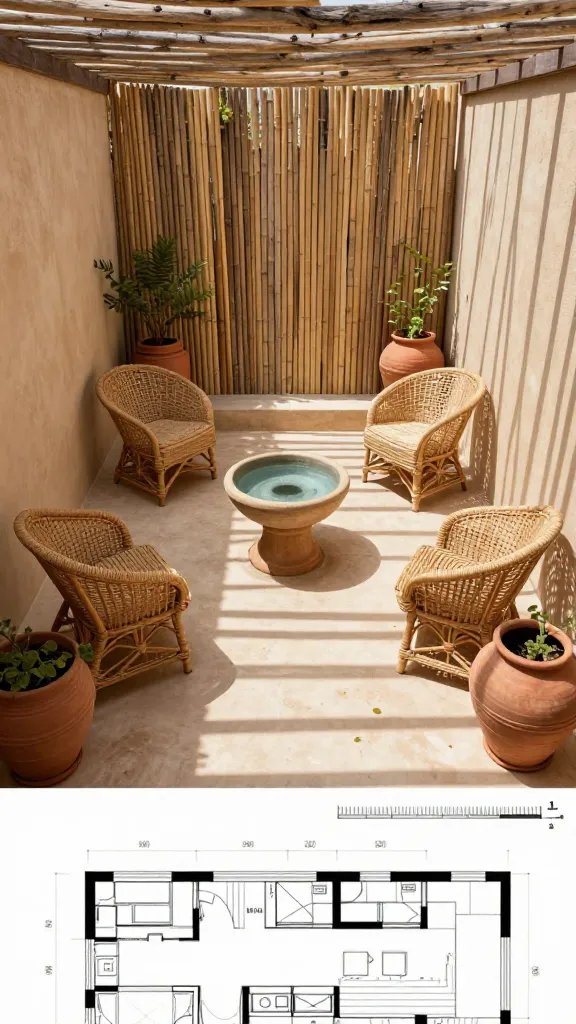
Rugs are instant room-makers outdoors. A well-chosen rug pulls everything together and anchors furniture without slipping.
- Size matters: aim for a rug that fits under at least two seating pieces
- Go for durable, weather-friendly materials
- Pattern and color can trick the eye—lighter tones can brighten a small patio
Subsection: Rug Placement Tricks
– Center the rug under the main seating cluster
– Let a bit of rug peek beyond the furniture to extend the floor visually
– Consider a rug with a subtle border to “frame” the space
5. Tables That Are Practically Invisible Yet So Useful
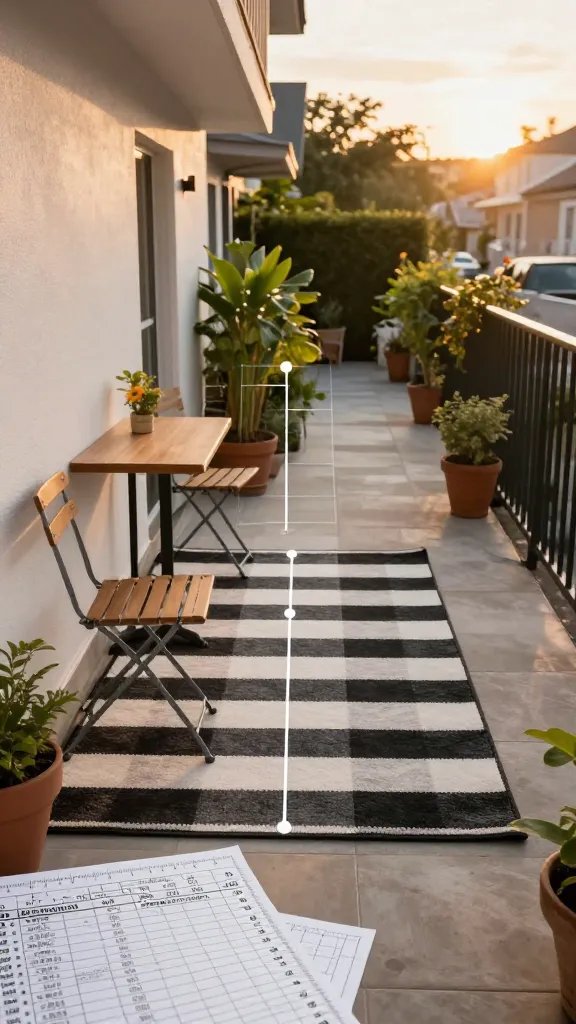
Small patios need function without clutter. Choose nesting tables, fold-away options, or a slim coffee table that can double as a serving station.
- Nesting coffee tables you can tuck away
- Foldable dining set for when you need a larger surface
- A high-top table for optional bar seating
Subsection: Material Matters
– Teak, aluminum, and resin wicker wear well outdoors
– Transparent glass on a compact table helps the space feel airy
– Cushions with removable covers simplify cleaning
6. Lighting: Keep It Cozy and Functional
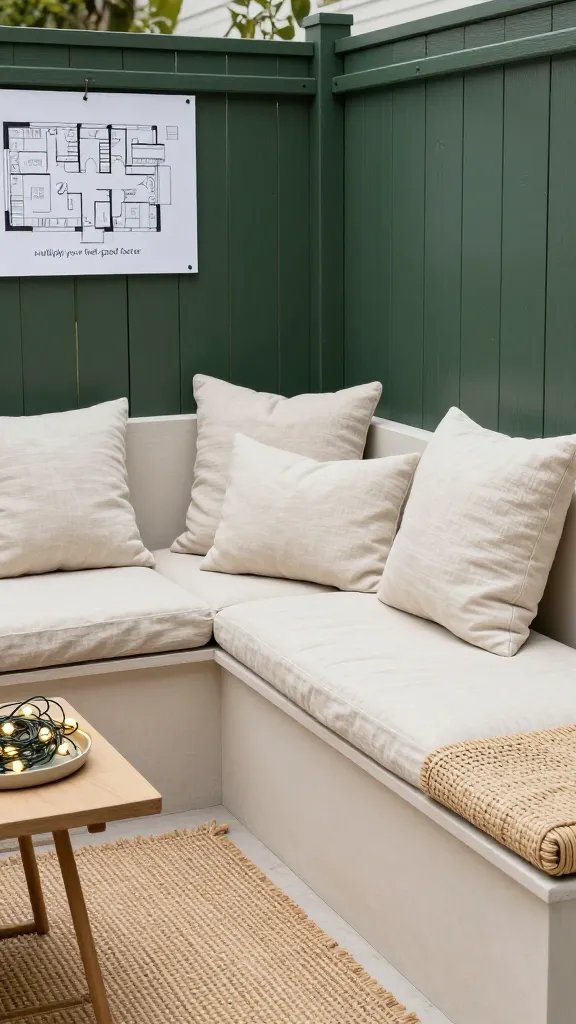
Good lighting turns a patio into a living space after dark. Layer light with string lights, lanterns, and a small wall-mounted fixture if you have a nearby wall.
- Warm-tone bulbs for a welcoming vibe
- String lights hung overhead cast a flattering glow
- Side lanterns for intimate corners
Subsection: Safety First
– Ensure cords are tucked away and weatherproofed
– Use battery-operated candles for a soft, safe glow
7. Color Psychology: Make the Space Feel Bigger with Tone
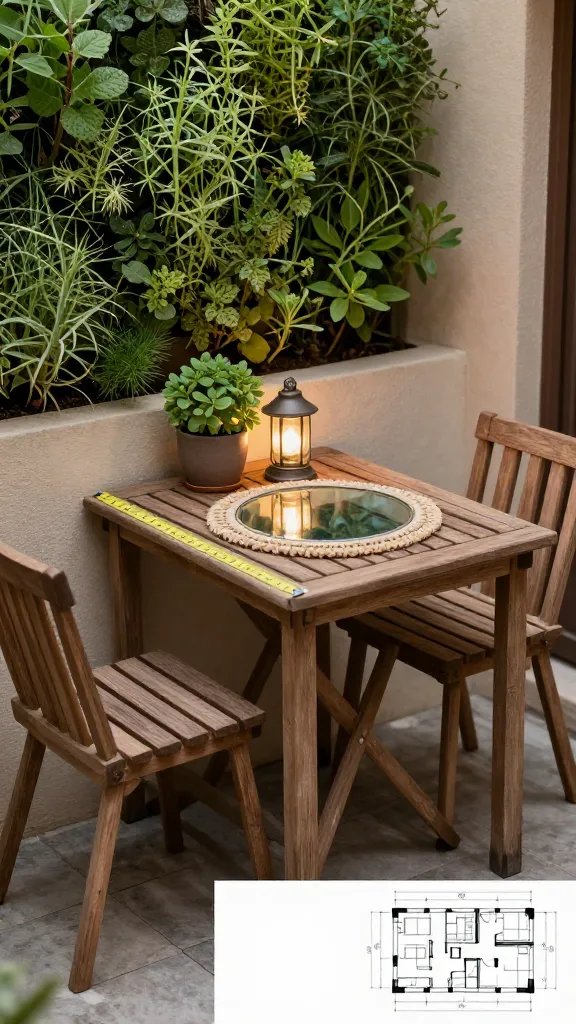
Color influences how large a space feels. Light, cool tones recede, while warm tones come forward. For tiny patios, mix light neutrals with a few bold accents.
- Neutral base for furniture (cream, taupe, gray)
- One bold accent color (turquoise, olive, coral)
- Add color with cushions, throws, and planters
Subsection: Cushion Care on a Budget
– Pick machine-washable covers to simplify upkeep
– Consider colorfast, outdoor-rated fabrics to resist fading
8. Storage Without the Stigma: Hidden Solutions That Look Good
Small patios demand clever storage. Use benches with storage, ottomans that open, and wall-mounted shelves to keep essentials out of sight.
- Storage benches double as seating
- Weatherproof storage boxes discreetly tucked under seating
- Vertical storage for tools and cushions
Subsection: Seasonal Switch-Up
– Store away cushions during heavy rain seasons
– Use breathable covers to prevent mold and mildew
9. Greenery That Grows Up, Not Out
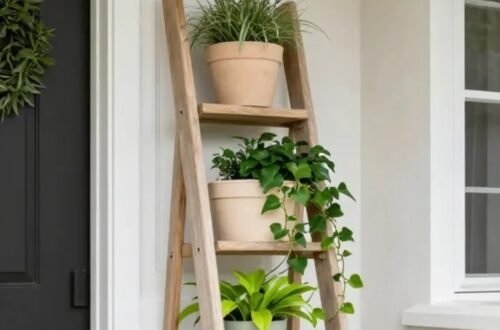
Plants soften the edges of a small patio and add life. Go vertical with planters, railing pots, and a slim herb wall if space is tight.
- Vertical herb garden on a wall or fence
- Compact shrubs in pots to anchor corners
- Trellises with climbing vines to add height
Subsection: Watering Without Drama
– Drip irrigation or self-watering pots save time
– Group plants with similar sun needs for easier care
10. Quick-Start Layouts You Can Copy Tonight
Here are three easy setups you can implement with common items.
- Two-small-chair dining nook with a slim table
- Cozy conversation corner with a loveseat, two chairs, and a small coffee table
- Mini lounge area with a bench, two ottomans, and a weatherproof rug
Subsection: How to Decide Which Layout
– Consider primary use: dining, lounging, or mixed
– Measure for clearance: you should be able to walk around chairs with ease
– Think about shade and sun paths during the day
FAQ
What size should a small patio furniture set be?
Measure your space and aim for a layout that leaves at least 3 feet of clearance around seating. A common approach is a compact 4-foot by 6-foot seating zone or a two-person dining set in a similar footprint. If you have an oddly shaped corner, use furniture with rounded edges to maximize usable area.
How can I make a tiny patio feel bigger without buying new furniture?
Start with a light rug that defines the space and anchors furniture. Use mirrors or reflective surfaces to bounce light, and keep clutter to a minimum. Elevate vertical space with hanging planters or a tall plant stand to draw the eye upward. FYI, simplicity goes a long way here.
What are the best materials for small patios?
Materials that resist weather and require low maintenance win in small spaces. Think powder-coated aluminum, resin wicker, teak (if you’re willing to maintain it), and ceramic or composite tile. Keep cushions in quick-drying fabrics to reduce risk of mold.
How do I budget for a small patio layout?
Start with a clear plan and prioritize essentials: seating plus a surface for drinks and snacks. Look for multi-functional pieces (table that doubles as storage, bench that hides cushions). Shop sales, consider secondhand finds, and add inexpensive textiles like cushions to refresh the vibe.
Can I do a small patio layout in a rental?
Yes. Use portable, non-permanent furniture, weatherproof fabrics, and modular pieces that you can rearrange or bring with you. A few anchor pieces and lightweight accents will transform a rental balcony or courtyard without making a big commitment.
What about lighting if I have limited outlets?
Choose solar-powered string lights, LED lanterns, or battery-operated fixtures. You’ll get warm, inviting light without relying on electrical outlets. FYI, solar options work surprisingly well for small patios with sun exposure.
Conclusion
Small patios absolutely can feel roomy and inviting with the right layout. Start by defining a focal point, layer seating, and anchor the space with a rug. Add texture through cushions, lighting, and planters, then store smart so the area never feels cluttered. The result? A cozy retreat you’ll actually use, not just admire on a screenshot.