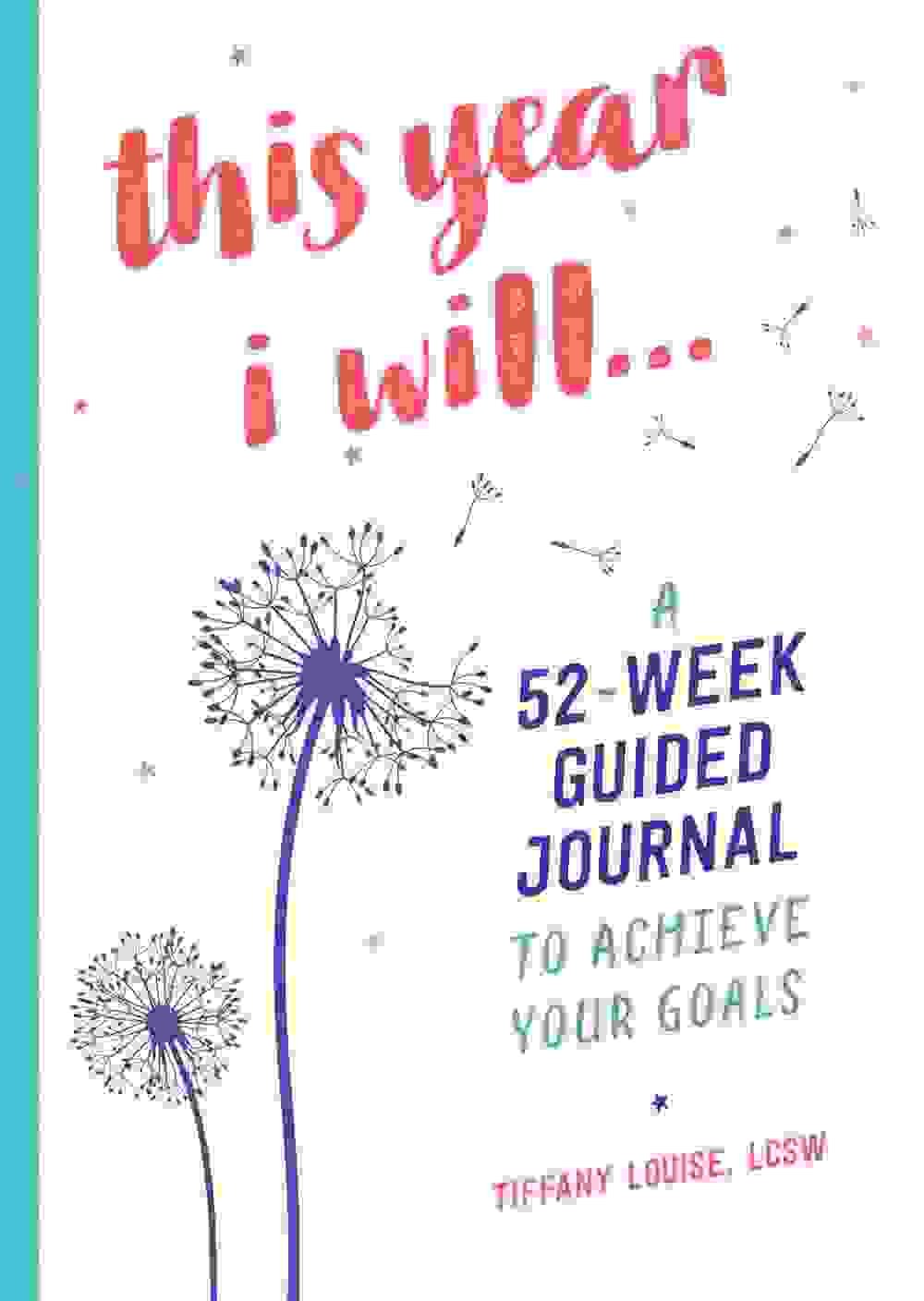
There’s something oddly comforting about a fresh start bound between two covers. When we picked up *This Year I Will…: Weekly Prompts to Create the Life You Want*, we weren’t looking for another pretty notebook destined to gather dust on a shelf. We wanted a structure we could actually live with-something that would nudge us gently, week after week, instead of shouting “New Year, New You” for three days and then disappearing.From the first pages, it was clear this isn’t a typical blank journal. Licensed therapist and mindset coach Tiffany Louise doesn’t leave us staring at an empty page, wondering what to write. Instead, she offers psychology-informed prompts that feel more like a steady conversation than a self-improvement drill. Each week, we’re invited to pause, reflect, and choose one small, intentional step forward-nothing flashy, just grounded, doable actions that add up over time.As we moved through the sections, the values-based questions forced us to look past the goals we thought we “should” have and toward the ones that actually fit our lives. The quarterly check-ins became a kind of ritual-moments to step back, notice what had shifted, and recalibrate without the usual guilt or pressure. Over time, we noticed a subtle but real change: less mental clutter, more clarity; fewer vague resolutions, more concrete, meaningful commitments.In this review, we’ll walk through how this 52-week guided journal is structured, what it’s like to actually use it week after week, and who we think will (and won’t) get the most out of it.
Discovering This Year I Will and How It Fits Into Our Daily Routine
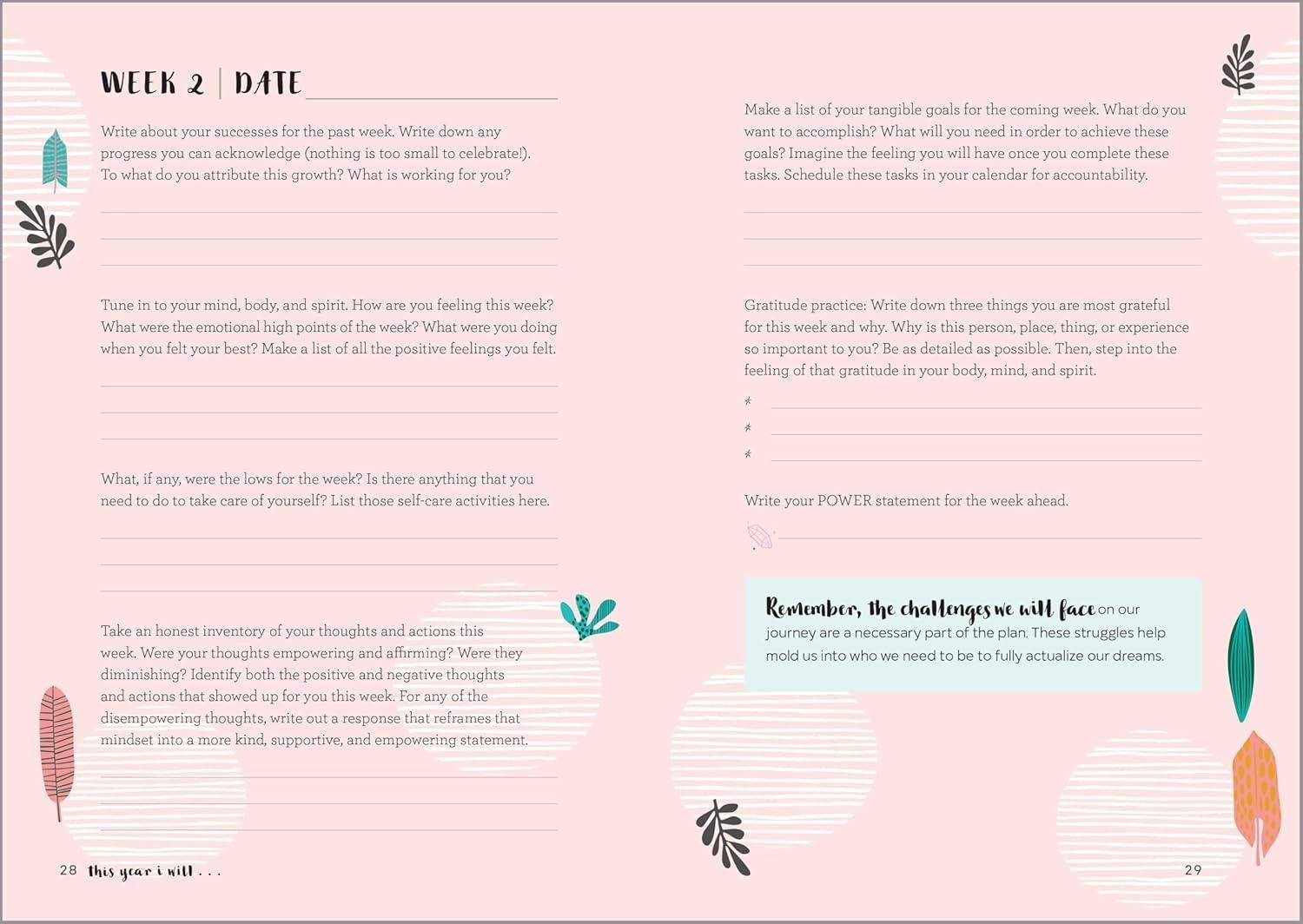
We started weaving this guided journal into our mornings, pairing one of the **weekly prompts** with coffee before the day rushes in. Instead of a long to-do list, we now begin with a short moment of reflection that helps us feel more **clear and grounded**. The questions are gentle but honest, asking us what truly matters this week, which habits we want to nurture, and where we might need a pause. We appreciate that it leans on a **values-based framework**, so our goals feel like they belong to us, not to outside expectations. On especially hectic days, we still manage to jot down a few thoughts, and over time those small check-ins have shifted our inner dialogue toward more **self-trust and compassion**.
To keep it practical, we built a simple rhythm around its structure:
- Sunday evenings: Set a weekly intention using the new prompt.
- Mid-week: Revisit a few lines to clear mental clutter and refocus.
- Quarterly check-ins: Use the built-in reviews to notice patterns and adjust our plans.
- Year’s end: Celebrate the tiny wins we’d normally forget.
| Feature | How It Fits Our Routine |
|---|---|
| 52 Weekly Prompts | One short ritual every week |
| Quarterly Check-Ins | Built-in time to course-correct |
| Compact Layout | Easy to carry in a work bag |
| Values Focus | Keeps our goals aligned and realistic |
For us, it has become less of a notebook and more of a quiet companion that keeps our days intentional rather than reactive. If we skip a week, we simply open to the next page-no guilt, just a fresh prompt and a new chance to begin again. Start your weekly ritual here
What We Loved About the Weekly Prompts and Guided Reflections
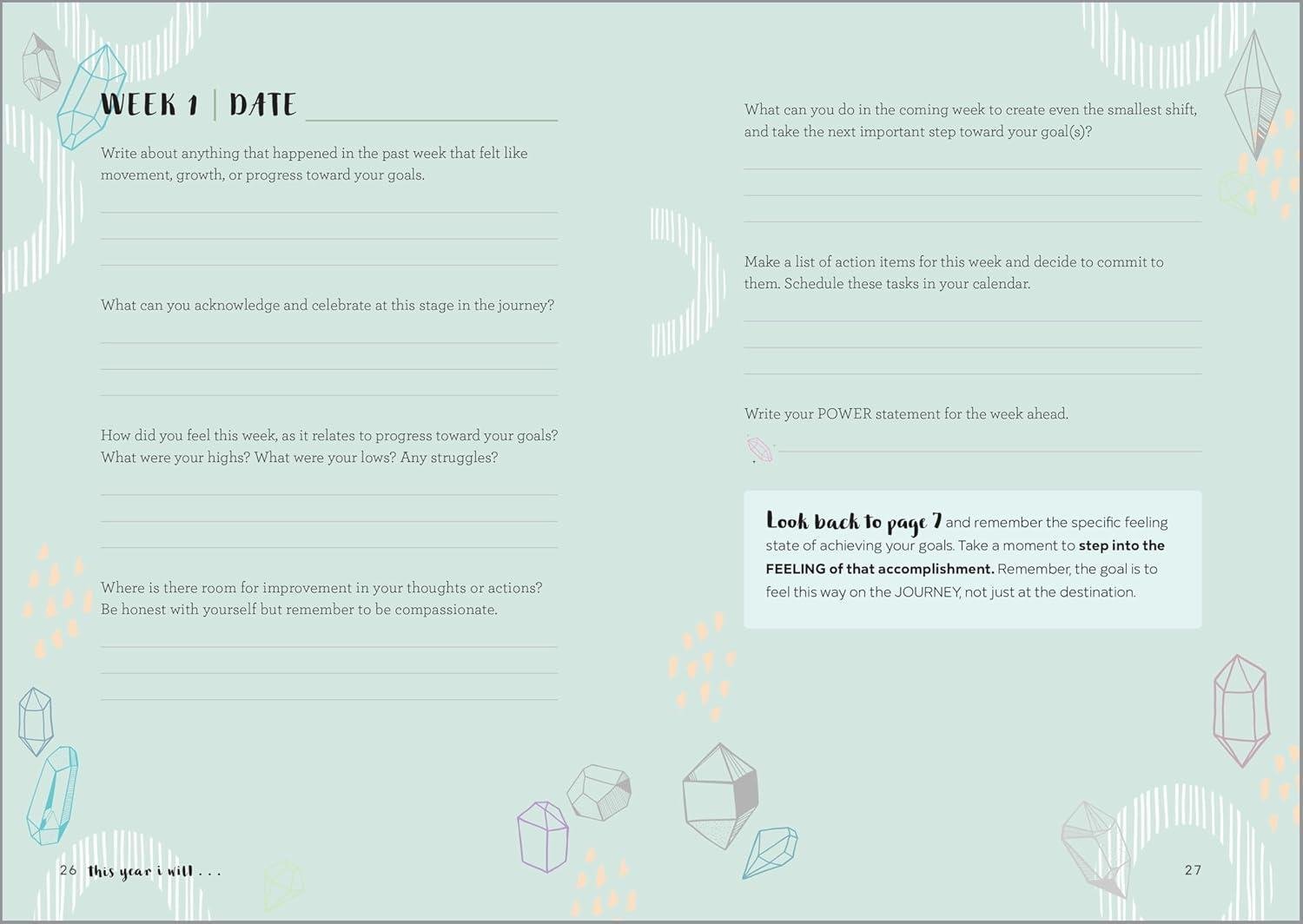
What stood out to us immediately was how the weekly prompts feel both **gentle and precise**. Each question nudges us away from autopilot and back toward what truly matters, helping us set goals that reflect our own values rather than external expectations. The rhythm of checking in once a week became a small ritual of grounding, where we could clear mental clutter and notice what actually moved the needle on our well-being. We especially appreciated the way the guided reflections invite us to celebrate tiny wins as much as big milestones, quietly shifting our inner dialogue from self-criticism to **self-trust** and curiosity.
- Psychology-backed prompts that feel thoughtful, not generic
- Quarterly and mid-year check-ins that reveal our progress over time
- Values-based questions that replace guilt with clarity and focus
- Compact layout that fits naturally into a busy week
| Feature | How It Helped Us |
|---|---|
| Weekly Prompts | Kept us consistent without feeling overwhelming |
| Guided Reflections | Turned vague intentions into concrete next steps |
| Quarterly Check-Ins | Made our growth visible and easier to course-correct |
Over time, the structure of these prompts made it easier for us to move through transitions, build new habits, and stay motivated one week at a time. Each reflection felt like a small conversation with a wise coach-firm enough to keep us honest, kind enough to keep us going. If we’re craving more intention and less obligation in our days, this weekly framework gives us a clear, compassionate path forward.
Start Your Weekly Reflection Journey Today
How This Year I Will Helped Us Clarify Goals and Track Real Progress
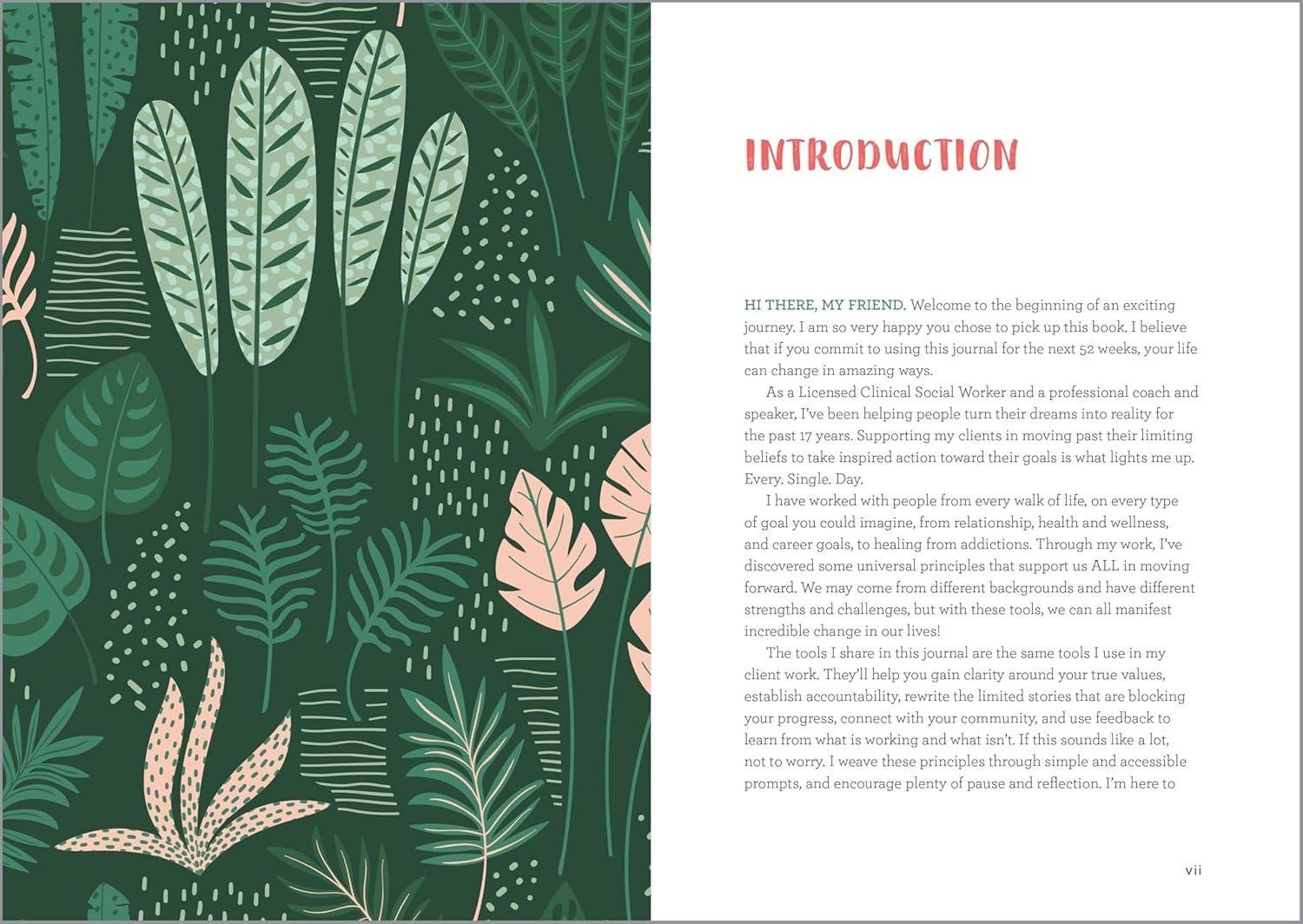
As we moved through each of the 52 weeks, the prompts gently pushed us to define what we actually wanted, not what we felt we “should” want. The values-based questions helped us tease apart goals rooted in external expectations from those that genuinely mattered to us. Instead of creating an overwhelming to-do list, we found ourselves shaping a small set of meaningful intentions, guided by reflections like:
- What do we want to feel more of this week?
- Which habits support our long-term vision?
- Where can we let go of guilt and choose aligned action?
| Feature | How It Helped Us |
|---|---|
| Weekly Prompts | Turned vague wishes into clear, value-based goals. |
| Quarterly Check-Ins | Showed real progress and where to kindly course-correct. |
| Clean Layout | Made it easy to stay consistent, even on busy weeks. |
The built-in check-ins became our quiet progress reports, revealing that change was happening in subtle but powerful ways. Looking back over past entries, we could literally see mental clutter giving way to focus, and self-criticism softening into self-trust. Instead of abandoning our intentions halfway through the year, these structured reflections nudged us to adjust and recommit with compassion. For us, that combination of gentle accountability and psychological insight turned this from “just a journal” into a steady, practical system for real growth. Explore the journal and start tracking your year
Who This Journal Is Really For and How We Recommend Using It
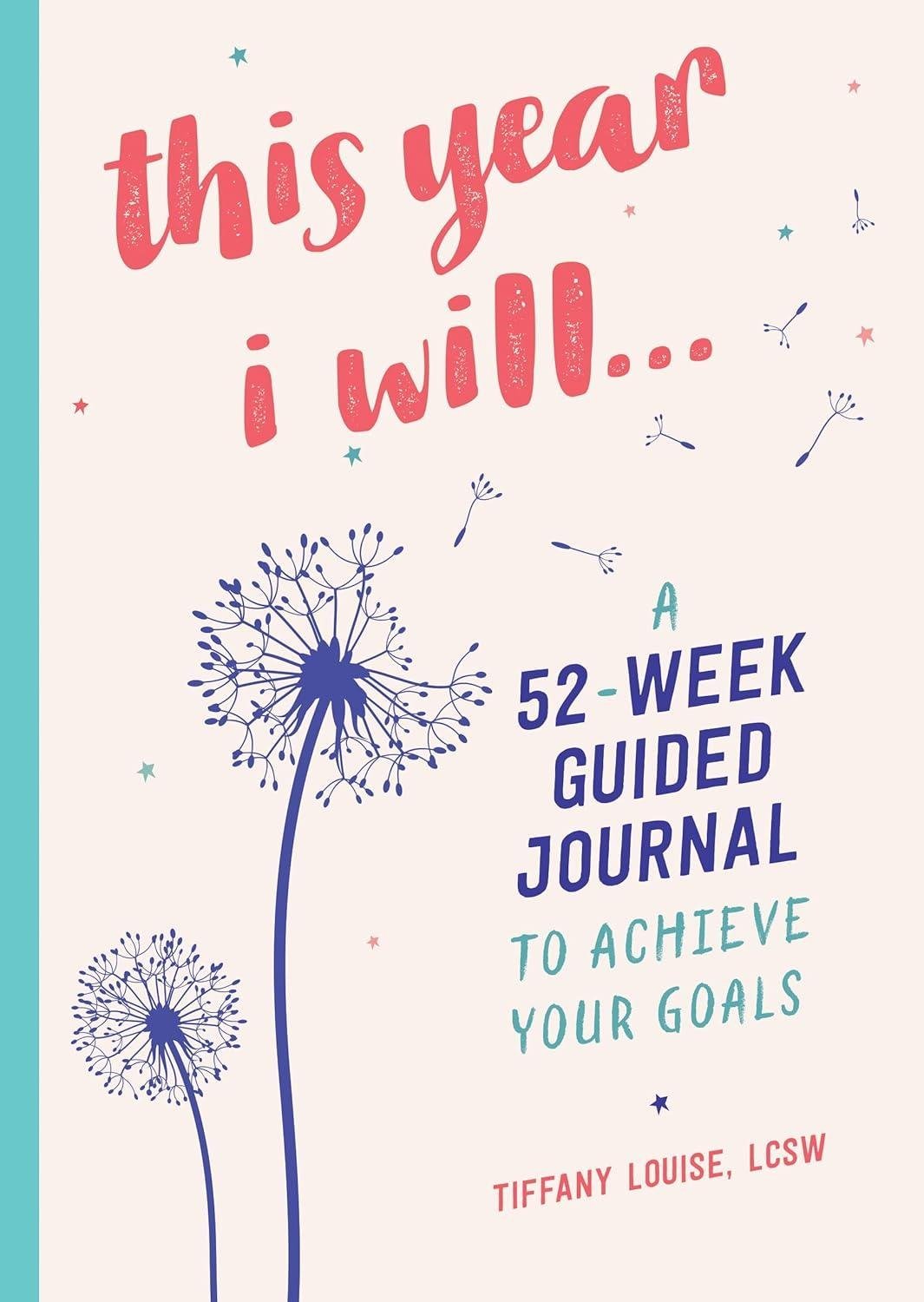
This guided planner is best suited for us when we’re craving structure without pressure. It shines for people who are juggling busy work or family lives, navigating a big transition, or simply feeling that low-grade restlessness that says, “we’re meant for more than just autopilot.” Because the prompts are rooted in values rather than external checklists, it’s especially helpful if we’ve tried traditional goal-setting systems and ended up feeling guilty or overwhelmed. The compact size and clean layout make it realistic for those of us who only have a few quiet minutes each week, yet still want to see real movement in areas like self-care, career, relationships, or creativity.
To get the most out of it, we treat it as a weekly ritual instead of an occasional notebook. We like to pair each prompt with a specific time and place-Sunday evenings with tea, a midweek lunch break, or a quiet morning commute-so reflection becomes non-negotiable self-time. Our simple routine looks like this:
- Begin by rereading last week’s entry and noting any wins, no matter how small.
- Answer the new prompt honestly, focusing on how we want to feel, not just what we want to do.
- Choose one tiny action for the coming week that aligns with our values-based goals.
- Use the quarterly and mid-year check-ins to course-correct with kindness, not criticism.
| If we are… | This journal helps us… |
| Feeling mentally cluttered | Create space for focus and peace |
| In a life transition | Process change one week at a time |
| Building new habits | Track growth with gentle accountability |
| Hard on ourselves | Shift our inner voice toward self-trust |
Start Your 52-Week Reset Today
Customer Reviews Analysis

Customer Reviews Analysis
As we sifted through reader feedback on This Year I Will…: Weekly Prompts to Create the Life You Want, a clear pattern emerged: this is not just a “nice to have” stationery item for many buyers, but a year-long companion that reshapes how they think about goals, habits, and self-reflection. The reviews are emotionally rich, often personal, and surprisingly consistent in what they praise-and in what doesn’t work for a smaller subset of users.
Overall Sentiment
Most reviewers describe the journal in enthusiastic, even transformative terms. Terms like “changed my life,” “breakthrough,” and “exactly what I needed” appear repeatedly. The star ratings skew strongly toward the 5‑star end, with readers emphasizing both emotional impact and practical usefulness.
| Aspect | Reader Sentiment |
|---|---|
| Overall Satisfaction | Very high, often 5⭐ |
| Ease of Use | “Simple” and “easy to maintain” |
| Emotional Impact | From “clarity” to “I cried a bit” |
| Gifting Potential | Frequently bought as gifts |
| Criticism | Layout can feel tiring or confusing |
What Readers Love
1. Structured, Weekly Guidance
Reviewers repeatedly appreciate the week‑by‑week format. They highlight how the prompts provide “a clear, structured approach” without feeling overwhelming. The journal uses weekly questions and reflection pages to create a steady rhythm: enough structure to keep us on track, but short enough that many people fit it into busy lives in “five minutes” at the end of the week.
This rhythm appears to help readers who struggled with traditional journaling. Several reviewers admit that ordinary blank-page journals left them stuck; this guided format told them where to begin, and they finally felt they could “actually engage in the activities and prompts and use it as it was meant to be used.”
2. Depth Without Harshness
The emotional tone of the prompts draws special praise. Readers emphasize that the questions go “deep into your feelings” and invite us to examine values, blocks, and patterns-yet do so gently, “without condemning” and with a “benevolent and unassuming” voice.
For many, this balance seems to be the real magic: they feel safe enough to be honest about fears, obstacles, and what might happen if they do not pursue their goals. One reviewer describes being moved to tears when writing about the consequences of not achieving their intentions-and then feeling newly motivated and “accomplished.”
3. Mindset Shifts and “Power Statements”
A recurring theme is mindset work. Readers mention a strong focus on mental shifts, calling the journal “a great support if you’re serious about achieving your goals” and noting that “most of the work is mental and a change in mind set.”
One element that stands out in the feedback is the use of weekly “Power Statements.” These short, affirming sentences act as anchors when negative thoughts arise. Reviewers describe them as “a beacon” to reset unhelpful thinking-a simple tool with “big return.” This kind of cognitive reframing appears to help keep momentum going throughout the year.
4. Compatibility With Busy Lives
Many reviewers frame their lives as stretched thin: working parents, new business owners, students, and goal-oriented professionals. They value that the journal is “easy to maintain,” forgiving if we “miss a week or two,” and designed so we can “just pick up where you left off.”
That flexibility seems critical; instead of punishing us for inconsistency, the structure invites re-entry. This makes it feel workable for those of us who want meaningful reflection but can’t commit to elaborate daily rituals.
5. Usefulness Across Life Stages and Relationships
A surprising strength is how widely the journal travels. Reviewers mention:
- Using it personally, then gifting it to a spouse who “doesn’t use tools like this” but ended up loving it.
- Buying copies for daughters searching for colleges or navigating early adulthood.
- Sharing it with friends and family members who are “goal oriented” or starting new ventures.
The journal becomes a kind of shared language for talking about goals, progress, and blocks-something that can be passed from one person to another in families or friendships.
| Who Uses It | How They Describe the Benefit |
|---|---|
| Working parents | “Easy to maintain,” fits tight schedules |
| New entrepreneurs | Clarifies milestones and emotional stakes |
| Students / young adults | Helps with focus, planning, and self-discovery |
| Partners & friends | Becomes a shared reflection tool |
Common Themes in Praise
- Clarity and focus: Readers feel more aware of what they want and what blocks them.
- Emotional release: Weekly reflections “clear the air” from the week and create “clear energy and clarity.”
- Practical progress: Reviewers report concrete achievements they hadn’t expected-or that arrived in “completely different” ways than imagined.
- Gift-worthiness: Many buy multiple copies for loved ones, which suggests strong trust in the journal’s impact.
What Doesn’t Work for Everyone
Among the overwhelmingly positive reviews, a minority voice stands out: not everyone clicks with the layout. One reader found the structure “worn out” and demotivating, in part because the book is split into sections they hadn’t realized were there. They wished for a clearer overview or more obvious breakdown at the start.
This tells us something important: while some of us thrive on a detailed framework, others may feel constrained or overwhelmed if the architecture of the journal isn’t made explicit upfront. For users who like to understand the roadmap before they begin, the book may ask for more trust than they’re comfortable with.
| Potential Drawback | Who Might Feel It |
|---|---|
| Layout feels confusing or tiring | Users who want a clear structural overview first |
| Emotional intensity | Those not ready for deep reflection on “what if I don’t” |
| Commitment over time | Anyone hoping for a quick, one-off exercise |
Our Takeaways from the Crowd
Taken together, the customer reviews paint a picture of a journal that functions as a gentle, persistent coach. It doesn’t simply ask us what we want; it nudges us to explore why we want it, what might stand in the way, and how our lives could look both with and without those goals realized.
If we are craving structure, emotional honesty, and a weekly practice that works alongside a busy life, the experiences of other readers suggest this book can be a powerful ally. If we prefer completely open-ended pages or demand a clearly mapped-out system before starting, we may find ourselves less aligned with its design.
For most reviewers, though, This Year I Will… doesn’t just help design a year; it helps redesign the way they relate to their own ambitions, blocks, and sense of possibility.
Q&A
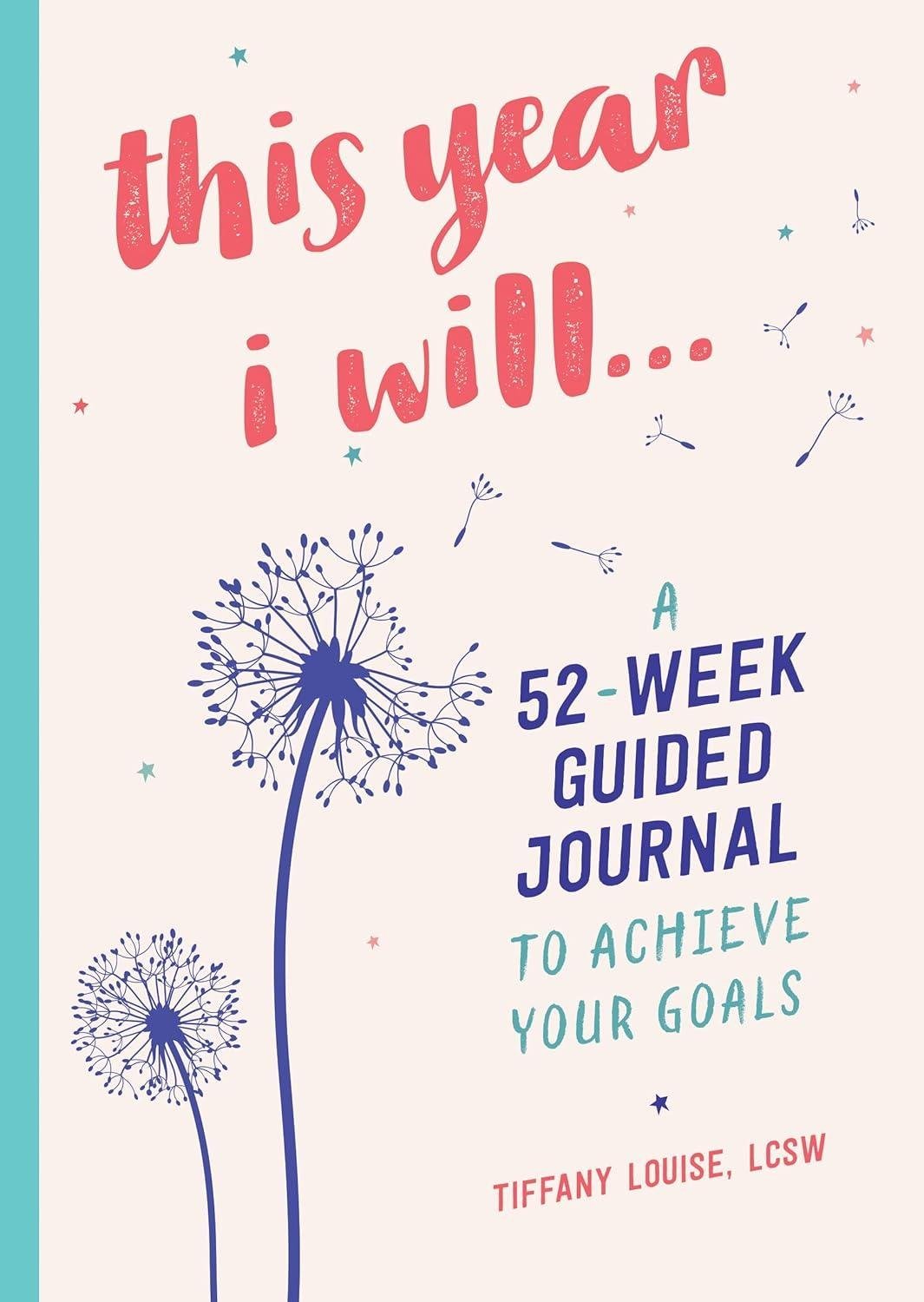
### Q&A: What We Wondered Before Using *This Year I Will…* (And What We Learned)**Q: Is *This Year I Will…* just another pretty journal with blank pages?** A: No. The pages are structured with weekly prompts, not empty lines. Each week gives us guided questions that nudge us to reflect, reset, and then choose one or two specific actions. It feels more like a gentle coach on paper than a blank notebook.—**Q: How much time do the weekly prompts actually take?** A: We typically spend 10-20 minutes per week. Some prompts invite us to go deeper, but the layout keeps things concise. It works as a Sunday reset ritual or a quick midweek check-in when life is busier.—**Q: Do we need to start in January, or can we jump in anytime?** A: We can start whenever we're ready. The journal is organized by "Week 1 to Week 52," not by dates. That makes it a flexible companion for a birthday, a new season, or any "fresh start" moment.—**Q: What makes these prompts "psychology-backed" and not just motivational fluff?** A: The author, Tiffany Louise, is a licensed therapist and mindset coach, and it shows. The questions often ask us to name our values, rewrite unhelpful thoughts, and break goals into small, realistic steps. It leans more on self-awareness and behavior change than on vague inspiration.—**Q: Will this help us set better goals, or just make lists we never look at again?** A: The focus is on values-based goals. We're encouraged to ask, "Is this what we truly want or what's expected of us?" Because the prompts return to priorities repeatedly-and the quarterly check-ins revisit them-we're less likely to create pretty-but-empty resolutions.—**Q: How do the quarterly and mid-year check-ins work?** A: Every few months, there's space to pause and review: What shifted? What worked? What do we want to release or adjust? These sections help us measure our growth without harsh self-criticism. It feels like a course correction, not a performance review.—**Q: Does it address "mental clutter" in a concrete way?** A: Yes. Several prompts ask us to identify what's draining our energy, capture persistent worries, or list tasks we can simplify, delegate, or drop. Writing it out gives us a clearer sense of what to let go of and where to focus.—**Q: Is this more about productivity or about emotional well-being?** A: It's a blend, but it leans slightly toward emotional well-being. The journal cares about how we feel while we're pursuing goals: grounded, kind to ourselves, and aligned with what matters. Productivity becomes a byproduct of clarity rather than the main event.—**Q: What if we're not "journal people" or feel awkward writing?** A: The prompts are direct and structured, so we're never staring at a blank page wondering what to say. Even bulleted answers or short phrases work. We don't need to be poetic; we just need to be honest.—**Q: Is it helpful during big life transitions, or better for "normal" years?** A: It's well-suited to transitions. Many prompts revolve around change, identity, and letting go of old stories. If we're moving, changing jobs, or stepping into a new role, the weekly check-ins give us a steady, predictable anchor.—**Q: How portable is it? Will we actually carry it around?** A: At 5.83 x 8.27 inches and 152 pages, it's slim enough to slip into a bag without feeling like a brick. We've found it easy to keep on a nightstand or take to a café for a quiet hour.—**Q: Does it get repetitive over 52 weeks?** A: The themes-values, intention, self-trust-do repeat, but the questions shift enough to keep things fresh. The repetition actually helps us see patterns: what we keep saying we want, and where we keep getting stuck.—**Q: Is this a good option for someone dealing with serious mental health issues?** A: It's supportive and thoughtfully designed, but it's not therapy. We see it as a complement to professional help, not a replacement. The tone is gentle and encouraging, so it can sit alongside therapy or coaching as a self-reflection tool.—**Q: Can we use it with a partner, friend, or group, or is it strictly personal?** A: The writing itself is personal, but we can absolutely share reflections. We've found that choosing a weekly prompt and then chatting about our answers with a friend creates deeper conversations than the usual "How's it going?"—**Q: How does it compare to other one-year guided journals?** A: This one stands out for its focus on intention over obligation. Some journals push daily tracking and hustle; this one leans into weekly reflection, self-compassion, and values-based planning. If we want less pressure and more clarity, it fits that niche.—**Q: Who will get the most out of *This Year I Will…*?** A: In our experience, it's best for people who: – Crave structure but don't want a strict daily routine – Want their goals to feel meaningful, not performative – Appreciate a therapeutic tone without clinical jargonIf we're looking for an all-in-one planner, this isn't it. If we want a year-long conversation with ourselves about who we're becoming, it comes much closer.—**Q: Can we pick it up if we miss a few weeks, or will we feel like we "failed"?** A: The journal doesn't scold us for gaps. We can simply turn the page and begin again at the next week. That built-in kindness might be one of its quietest, most helpful features-because our year rarely goes exactly as planned.
Discover the Power
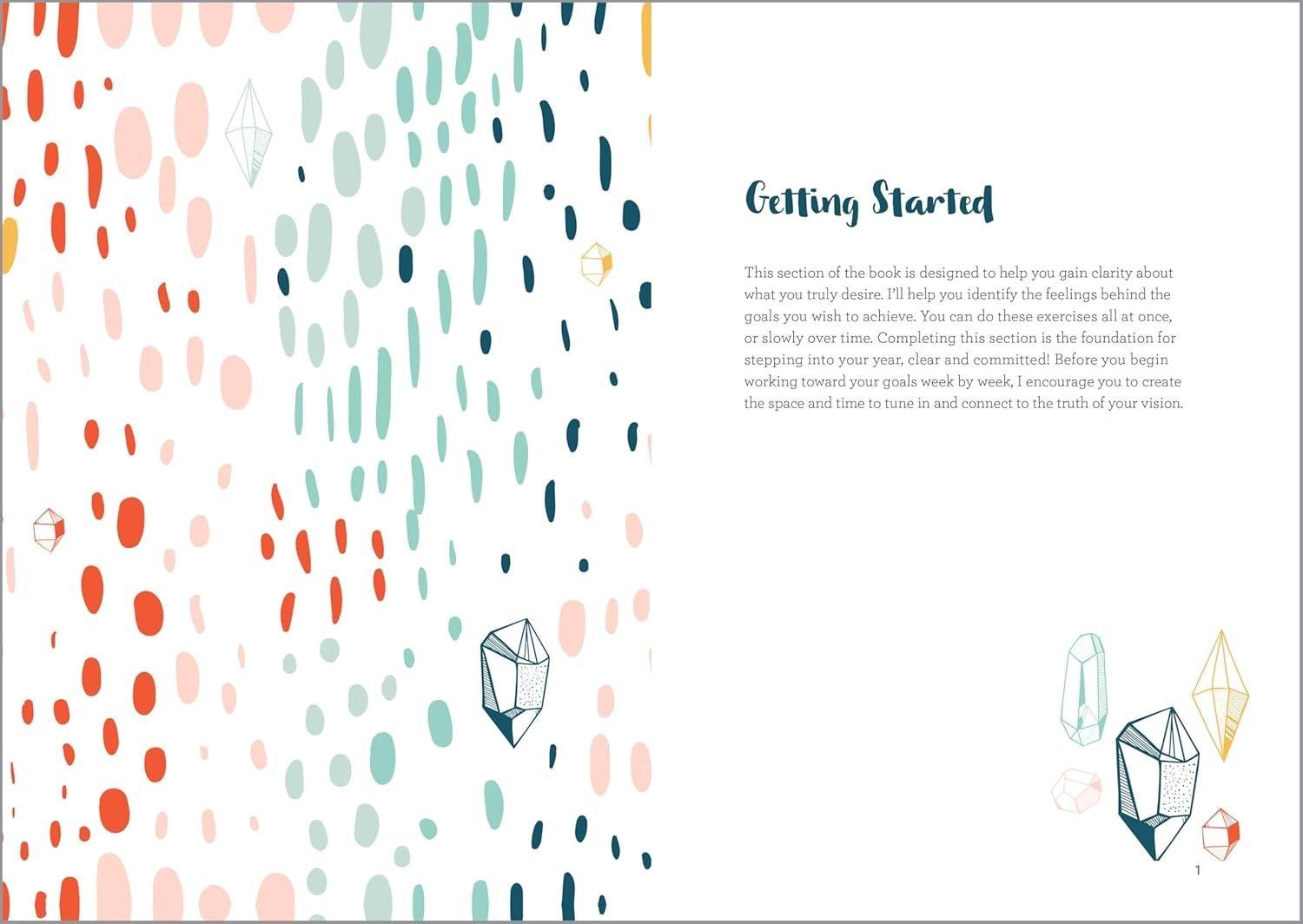
As we close the cover on *This Year I Will…*, we're left with the feeling that this isn't just another pretty journal destined for the nightstand stack. It's a quiet but consistent invitation to sit with ourselves-once a week, for a year-and ask better questions about what we want our days, and ultimately our lives, to look like.We appreciate how the prompts lean away from performance and toward presence, gently nudging us from "shoulds" into choices that are actually ours. The quarterly check-ins, the focus on values, and the compassionate tone all work together to make this feel less like a self-improvement project and more like an ongoing conversation with our future selves.If we're going to "design our year," tools like this help make that design more intentional, more grounded, and more honest. Whether we use it to navigate a big transition or simply to bring more clarity into an ordinary year, the framework is there; we just have to show up on the page.If this sounds like the kind of structure and softness you've been looking for, you can explore *This Year I Will…* here:
Check out *This Year I Will…: Weekly Prompts to Create the Life You Want* on Amazon.