Beige. It’s the unsung hero of home decor, often unfairly dismissed as “boring” or “bland.” But let me tell you, when styled right, a beige living room is anything but. It’s a sanctuary, a blank canvas brimming with potential for warmth, timeless elegance, and ultimate coziness. Forget sterile showrooms; we’re talking about creating a space that wraps you in a comforting hug the moment you walk in. Ready to transform your beige from basic to breathtaking? Let’s dive in.
Beige: Your Unsung Hero (or Why It’s Not Boring, Promise!)
Listen, I get it. Beige has a reputation for being, well, beige. But that’s like saying a perfectly ripe avocado is “just green.” It’s so much more! Beige offers an incredible foundation, a serene backdrop that allows other elements in your room to truly shine without competing for attention. It’s calming, versatile, and frankly, a genius choice for anyone craving a warm, timeless aesthetic.
Think of it as the ultimate neutral superpower. It doesn’t demand attention, but it quietly elevates everything around it. This unassuming hue provides a sense of stability and peace, making it perfect for a space where you unwind and recharge.
The Right Shade of Beige Matters
Not all beiges are created equal, my friend. Just like finding the perfect foundation for your skin, choosing the right beige for your walls or main furniture pieces is crucial. Are you leaning towards a warmer beige with subtle yellow or pink undertones, or a cooler one with hints of gray?
* Warm Beiges: Think biscuity, sandy tones. These often feel incredibly inviting and pair beautifully with other warm colors like terracotta or olive. They’re fantastic for north-facing rooms that need a little extra sun.
* Cool Beiges: These lean more towards greige (beige + gray) or have faint green undertones. They offer a sophisticated, modern feel and can prevent a room from feeling too “yellow” or overwhelming. They work wonders in south-facing rooms with abundant natural light.
Grab some swatches, paint a few test patches, and observe them throughout the day. Trust your gut – the right shade will just *feel* right.
Texture, Texture, Texture: The Cozy Multiplier
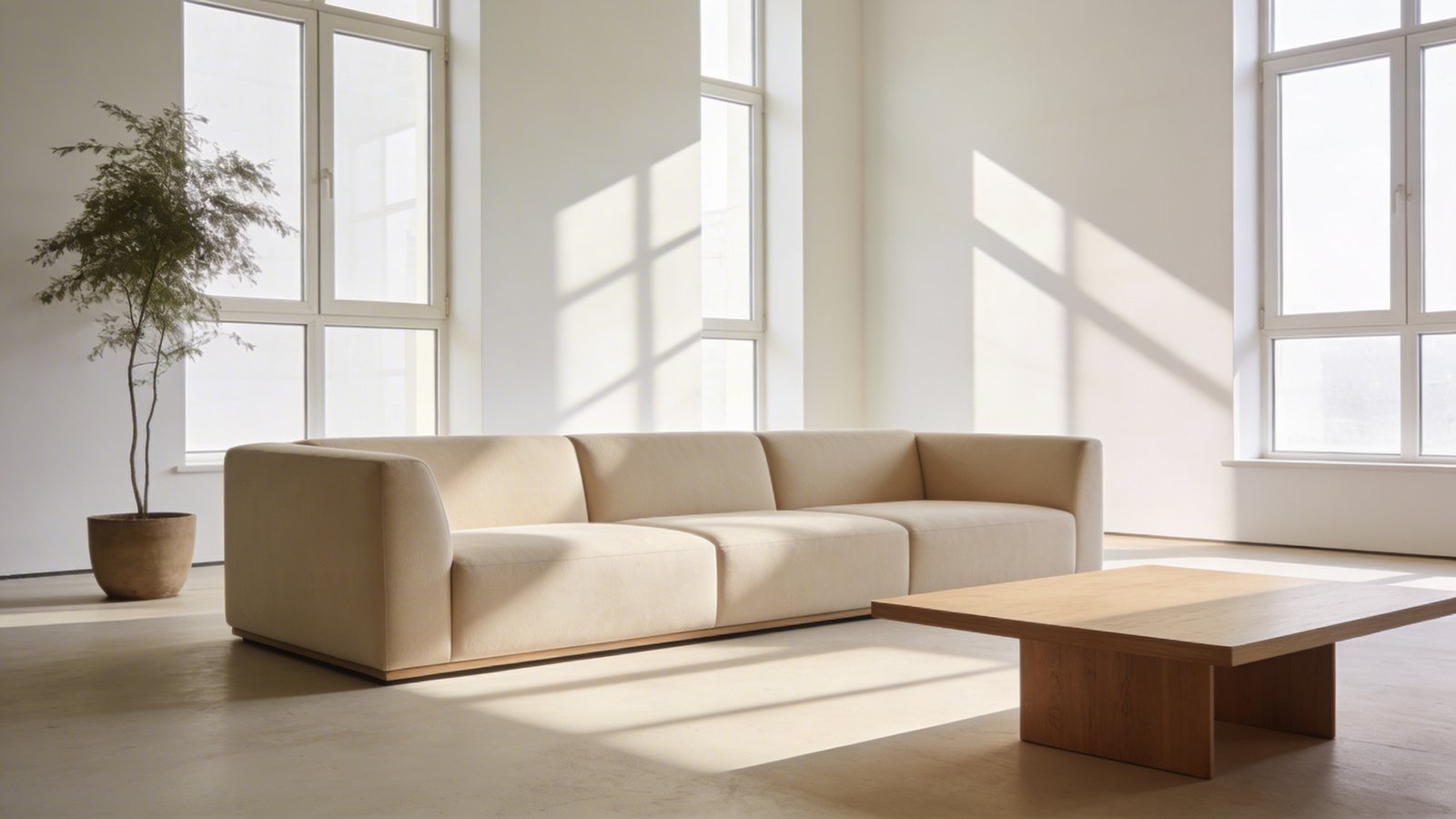
This is where the magic truly happens, people. If your beige living room feels flat or uninspired, I guarantee you haven’t embraced the power of texture. It’s the secret sauce that transforms a plain neutral space into a multi-dimensional haven. Layering different textures adds visual interest, depth, and that all-important cozy factor.
Think beyond just color; consider how each fabric, surface, and material *feels* and how it interacts with light. This tactile feast for the eyes is what makes a room feel rich and inviting, even with a monochromatic palette. Don’t be shy – mix it up!
A Tactile Feast for the Eyes (and Hands)
So, how do you actually *do* this layering thing? It’s simpler than you think. Start with your biggest pieces and work your way down.
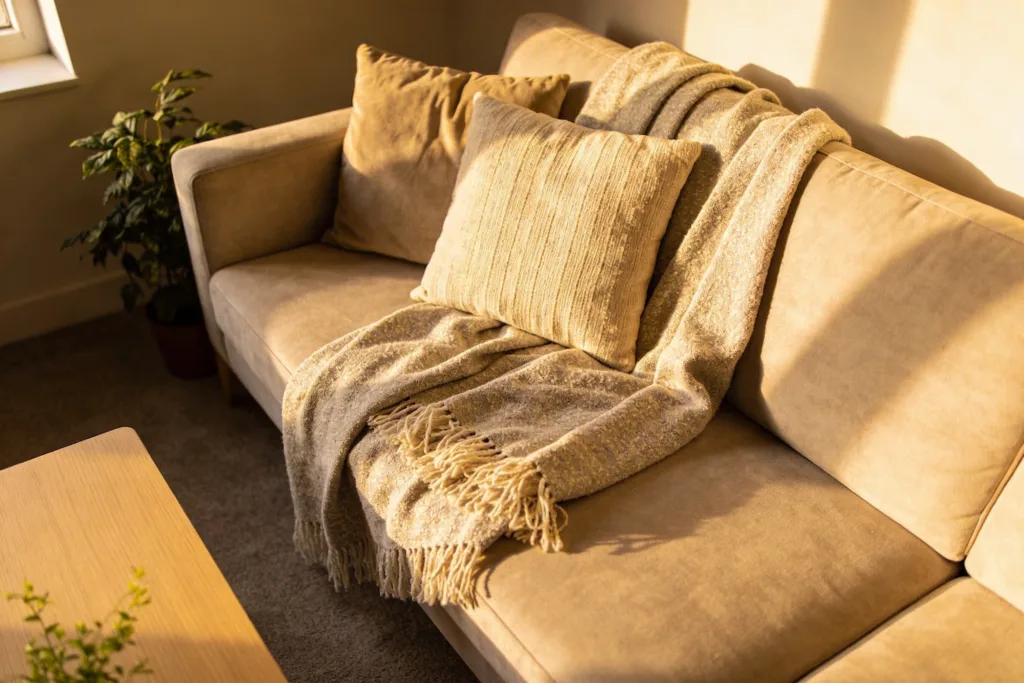
* Sofa & Armchairs: If your main seating is beige, consider fabrics with inherent texture like a nubby linen blend, a plush boucle, or even a soft chenille. These materials catch the light differently and beg to be touched.
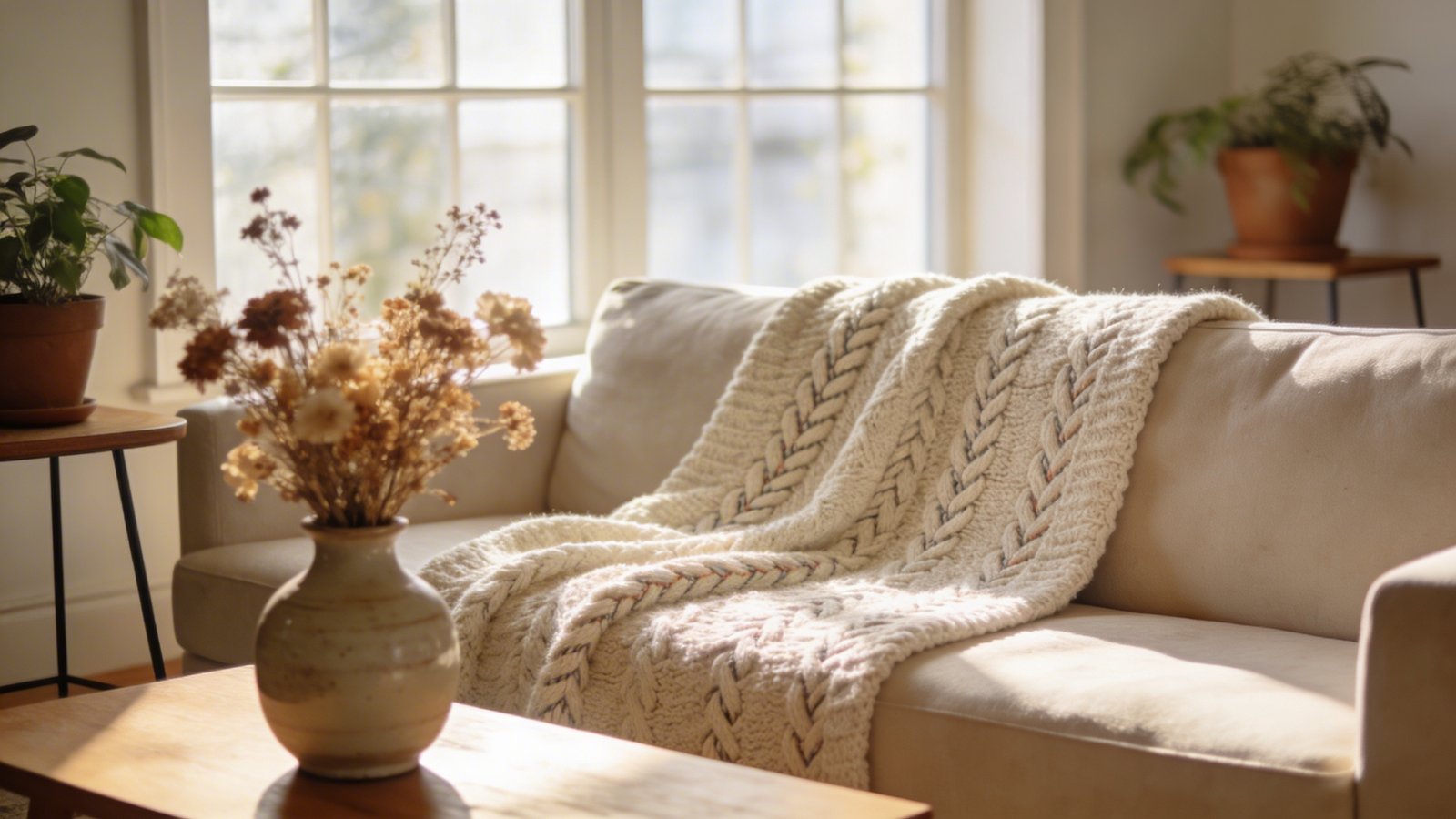
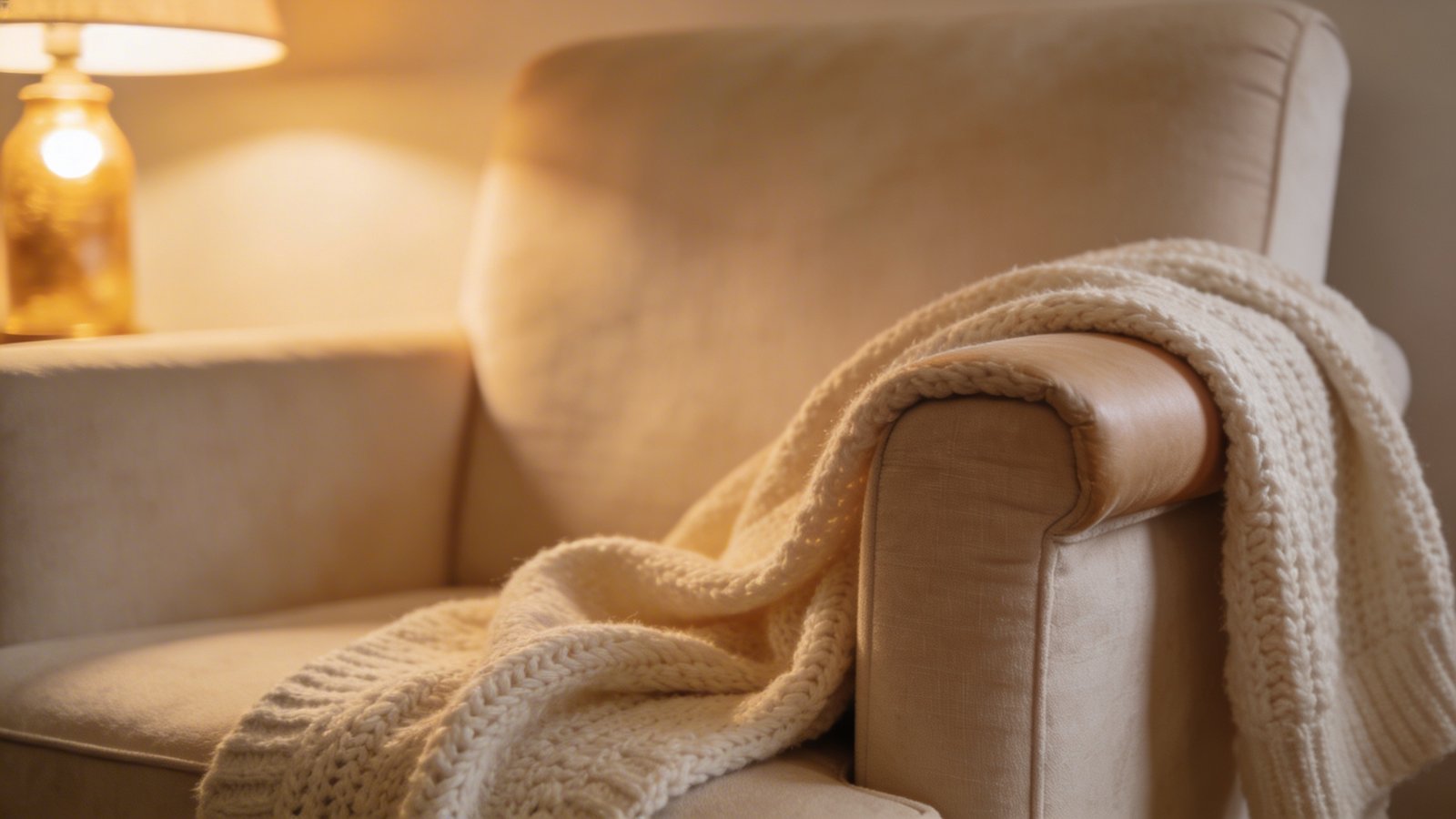
* Throws & Blankets: This is prime real estate for texture. Drape a chunky knit throw over your sofa, add a faux fur blanket to an armchair, or toss a soft cotton waffle weave over a ottoman.
* Pillows: Oh, the pillows! Mix velvet, embroidered patterns, ribbed cotton, and even some with fringe or tassels. Vary their sizes and shapes for extra visual dynamism.
* Rugs: A foundational layer of texture. A jute rug adds an organic, earthy feel, while a high-pile wool rug screams luxury and comfort. Layering a smaller, softer rug over a larger, flatter one is also a pro move.
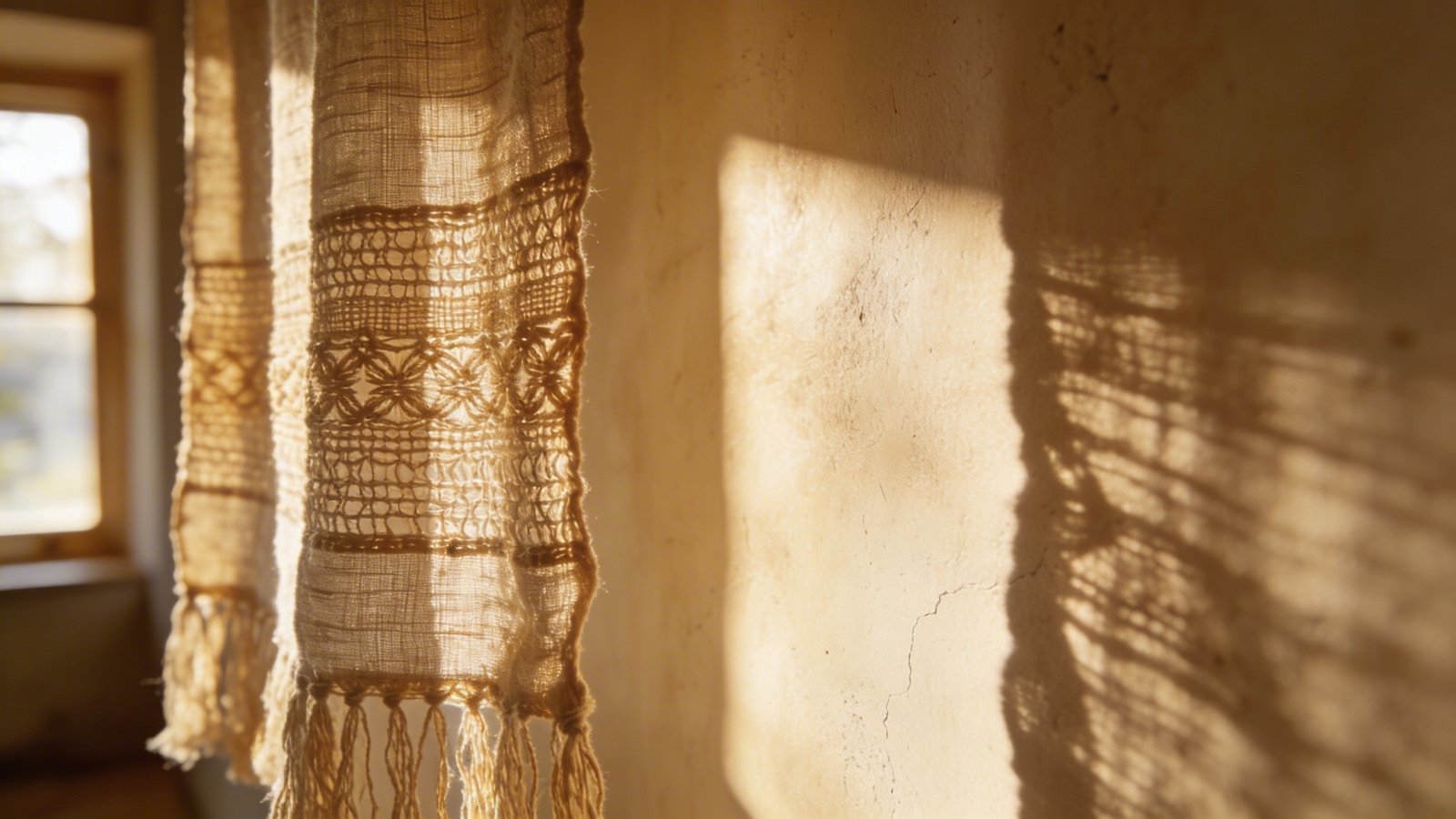
* Curtains: Linen or a textured cotton blend will add softness and movement, contrasting beautifully with harder surfaces.
Grounding with Wood & Gleaming with Metallics
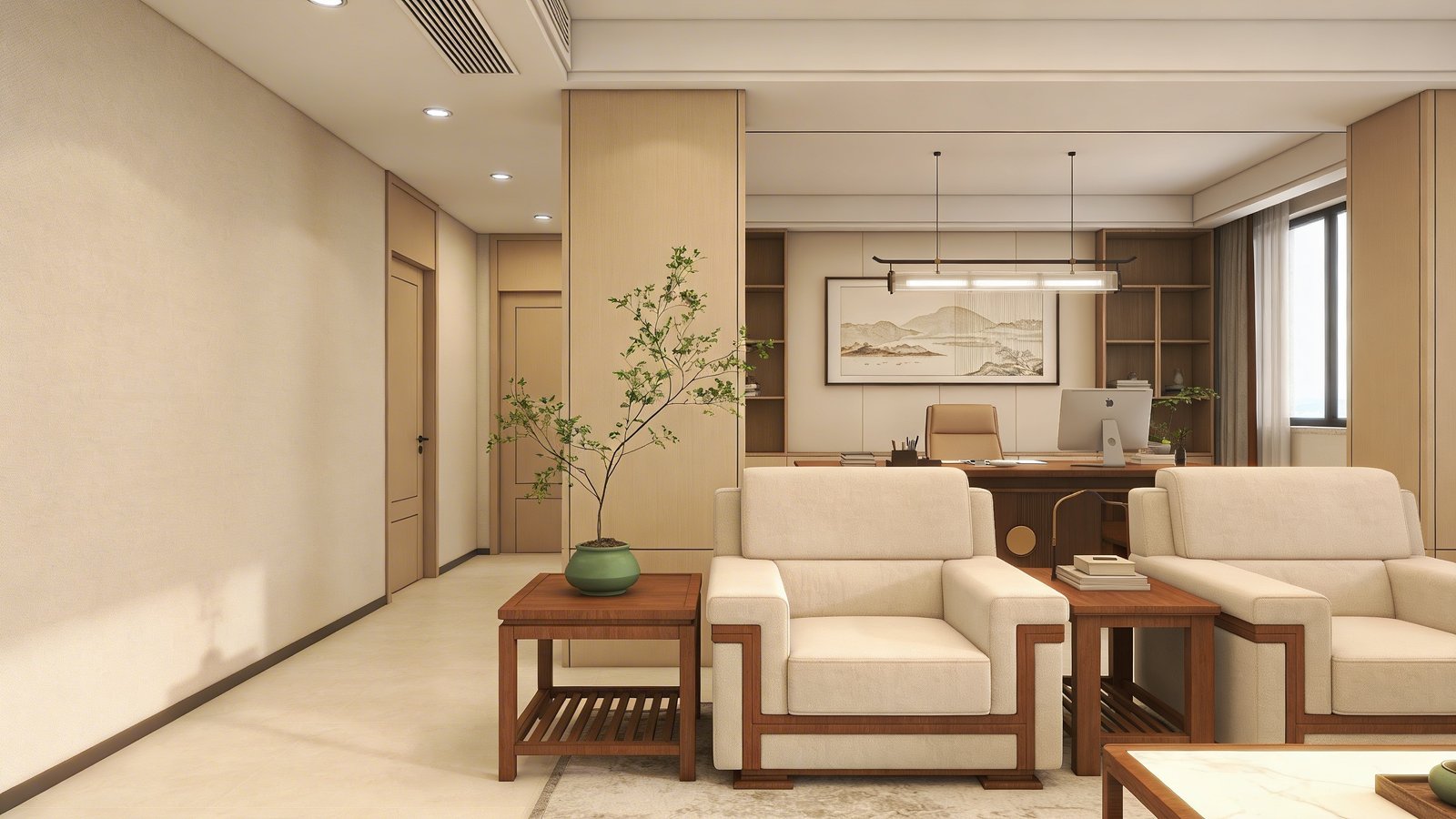
Once you’ve got your textural layers sorted, it’s time to introduce elements that provide warmth and a touch of sophisticated sparkle. Nothing says “cozy” quite like natural wood, and nothing says “timeless elegance” like well-chosen metallics. They’re the perfect companions for your beige foundation.
Wood brings an organic, grounding energy to any space. It instantly adds warmth and a connection to nature. Metallics, on the other hand, introduce a subtle gleam and a hint of glamour that prevents the room from feeling *too* earthy or rustic.
Smart Material Pairings
Don’t just throw things together willy-nilly. Think about how these materials complement each other.
* Wood Tones: You can go light with a pale oak or birch for a Scandinavian feel, or rich with walnut or teak for a more traditional, luxurious vibe. Don’t be afraid to mix wood tones slightly; it adds character. Think coffee tables, side tables, bookshelves, or even a statement console.
* Metallic Accents: Brass and brushed gold are my personal faves for adding warmth and a touch of vintage charm. Matte black offers a modern, edgy contrast, while brushed nickel or chrome can lean more contemporary.
* Lamps: A lamp with a brass base and a linen shade? Perfection.
* Hardware: Swap out cabinet pulls for matte black or brushed gold.
* Mirrors: A large mirror with a metallic frame can reflect light and expand the space.
* Decorative Objects: Vases, trays, or candle holders in metallic finishes are great for smaller pops.
The Art of the Subtle Pop: Introducing Color (Gasp!)
Okay, I know we’re talking about a beige living room, but that doesn’t mean it has to be devoid of *all* color. Quite the opposite! Strategic, subtle pops of color are what elevate a beige space from merely pleasant to truly captivating. The trick is to choose hues that complement rather than compete.
Think of these color infusions as gentle whispers, not shouting matches. They provide visual interest and personality without overwhelming the serene beige backdrop. This isn’t about throwing a rainbow in there; it’s about thoughtful, intentional accents.
* Earthy Tones: These are your best friends. Think deep olive greens, warm terracotta, muted rust, or even a soft, dusty blue. These colors feel inherently natural and harmonious with beige.
* Soft Pastels: A blush pink, pale sage, or a light lavender can introduce a delicate, airy feel without being too saccharine.
* Where to Add Color:
* Throw Pillows & Blankets: The easiest and most commitment-free way to experiment.
* Ceramics & Vases: A collection of pottery in varying earthy tones looks incredibly chic.
* Books: Curate your bookshelf not just by content, but by spine color for a subtle aesthetic impact.
* Art: A piece of art with a few carefully chosen colors can tie the whole room together.
* Plants: Speaking of green, plants are a fantastic way to add natural color and life!
Illuminating Your Oasis: Lighting for Ambiance
You could have the most beautifully decorated beige room in the world, but if the lighting is wrong, it will fall flat. Lighting isn’t just about seeing; it’s about *feeling*. For a warm, timeless look, layered lighting is non-negotiable. It allows you to adjust the mood for any occasion, from bright and airy to dim and intimate.
Seriously, don’t underestimate the power of a well-lit space. It can literally make or break the cozy vibe you’re aiming for.
* Ambient Lighting: This is your general overhead light – a chandelier, flush mount, or recessed lighting. Make sure it’s on a dimmer switch!
* Task Lighting: These are your functional lights for reading or specific activities. Think floor lamps next to an armchair or table lamps on side tables.
* Accent Lighting: This highlights specific features, like a piece of art or a plant. Picture lights or small spotlights work wonders here.
* Warm Light Bulbs: This is HUGE. Opt for bulbs in the 2700K-3000K range (often labeled “soft white” or “warm white”). Anything higher will cast a harsh, cool light that instantly kills the cozy vibe. FYI, those cool-toned LEDs will make your beige look grey and sad.
* Lamps as Decor: Don’t just pick any lamp. Choose ones with interesting bases (wood, ceramic, metallic) and fabric shades that diffuse light beautifully.
Curated Comfort: Personal Touches & Art
A truly timeless and cozy living room isn’t just about furniture and finishes; it’s about personality. This is *your* space, and it should tell *your* story. Don’t let your beige canvas remain too pristine; infuse it with items that bring you joy, spark conversation, and reflect who you are.
This is where your room transcends being just “decorated” and becomes “lived-in” and loved. It’s the final layer that makes it uniquely yours.
* Art That Speaks to You: Art doesn’t need to be expensive or match your sofa perfectly. Choose pieces that resonate with you. A large abstract canvas can add a modern touch, while a gallery wall of framed prints and personal photos creates an intimate feel.
* Books, Glorious Books: Stack them on coffee tables, fill your shelves. Books add intellectual warmth and visual texture.
* Travel Souvenirs: Display items from your adventures. A ceramic bowl from Morocco, a woven basket from Mexico – these add character and memories.
* Pillows with Personality: Beyond texture, choose some pillows with subtle patterns or interesting motifs that hint at your style.
* Greenery Galore: Plants are living art! They bring life, oxygen, and a beautiful pop of natural green to any beige space.
* Large Statement Plants: A fiddle leaf fig or an olive tree can anchor a corner.
* Smaller Plants: Place them on shelves, side tables, or windowsills.
* Textured Planters: Use terracotta, woven baskets, or ceramic pots to add another layer of texture.
FAQ: Your Burning Beige Questions Answered
Can a beige living room really be kid-friendly and pet-friendly?
Absolutely! The key lies in smart fabric choices and strategic planning. Opt for performance fabrics like Crypton or Sunbrella for sofas and chairs – they’re incredibly durable and stain-resistant. Removable, washable slipcovers are also a lifesaver. For rugs, choose low-pile options or ones with subtle patterns that can hide minor mishaps. Darker beige tones can also be more forgiving.
What’s the biggest mistake people make when decorating with beige?
The cardinal sin of beige decorating is failing to layer textures and introduce enough contrast. When everything is the exact same shade and texture, the room falls flat and feels one-dimensional, leading to that dreaded “boring” label. You need those varying tactile elements and subtle pops of color/material to create depth and visual interest.
How do I make a beige room feel modern, not dated?
To keep your beige room feeling fresh and contemporary, focus on clean lines in your furniture choices. Incorporate modern art, sculptural lighting fixtures, and sleek metallic accents (like matte black or brushed brass). Avoid overly ornate, traditional pieces or anything that feels too “matchy-matchy.” A minimalist approach with strong, simple forms works wonders.
Should all my beige items be the exact same shade?
Heavens no! That’s a recipe for a flat, lifeless room. The beauty of a neutral palette is in its tonal variations. Mix different shades of beige, cream, off-white, and even greige. This creates depth, dimension, and a much more sophisticated, layered look. Think of it as a beautiful symphony of similar notes, not a monotone drone.
What kind of flooring works best with a beige living room?
You have a lot of flexibility here! Hardwood floors (from light oak to rich walnut) always pair beautifully, adding natural warmth. Light-colored natural stone or concrete can offer a more modern, minimalist contrast. If you prefer carpet, a soft, neutral wool carpet in a slightly different beige tone or a subtle pattern can enhance the cozy factor. The goal is either complementary warmth or a pleasing contrast to your main beige elements.
Your Beige Haven Awaits
There you have it. Beige isn’t just a color; it’s a mood, a foundation for a space that feels utterly inviting, sophisticated, and genuinely timeless. By embracing texture, strategic pops of natural materials and color, and thoughtful lighting, you can transform your beige living room from merely functional to a true sanctuary. So go forth, experiment, and create a beige haven that truly feels like home. You’ve got this!