Picture waking up to soft ocean breezes and the gentle sound of waves—even if you’re hundreds of miles from the nearest beach. That’s the magic of a coastal chic kitchen. It’s not just about tossing some seashells on your counter and calling it a day.
A properly executed coastal kitchen makes you feel like you’ve escaped to a luxury seaside resort every time you pour your morning coffee. And honestly? We could all use a little more vacation vibes in our daily lives. Let’s dive into how to create a kitchen that captures that breezy, sophisticated coastal energy without looking like a nautical theme park.
The Foundation: Coastal Colors That Don’t Scream “Beach House Cliché”
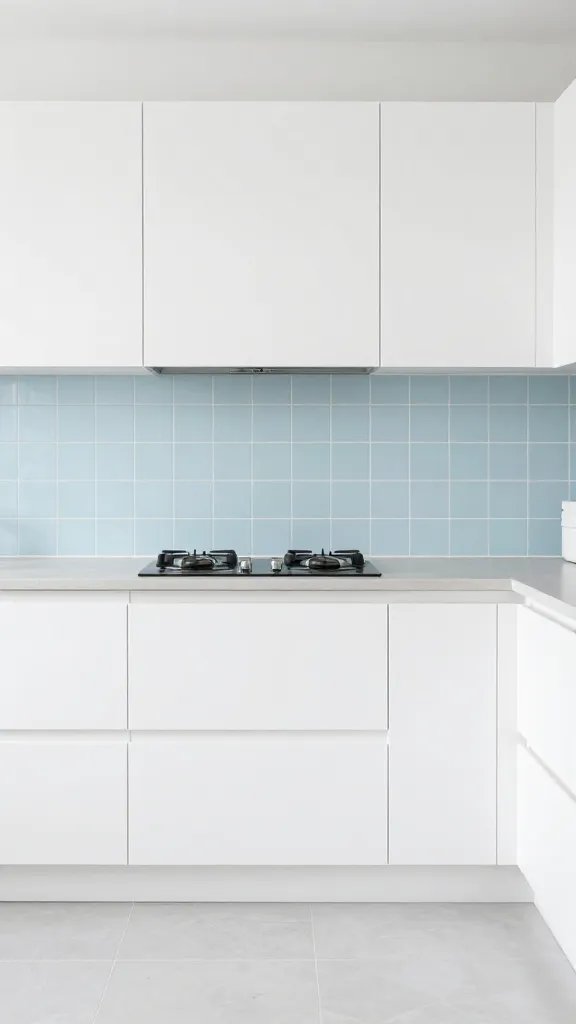
Let’s get one thing straight right off the bat—coastal doesn’t automatically mean navy blue stripes and anchor motifs everywhere. The real coastal color palette is way more sophisticated than that. Think about what you actually see when you’re standing on a gorgeous beach at a high-end resort.
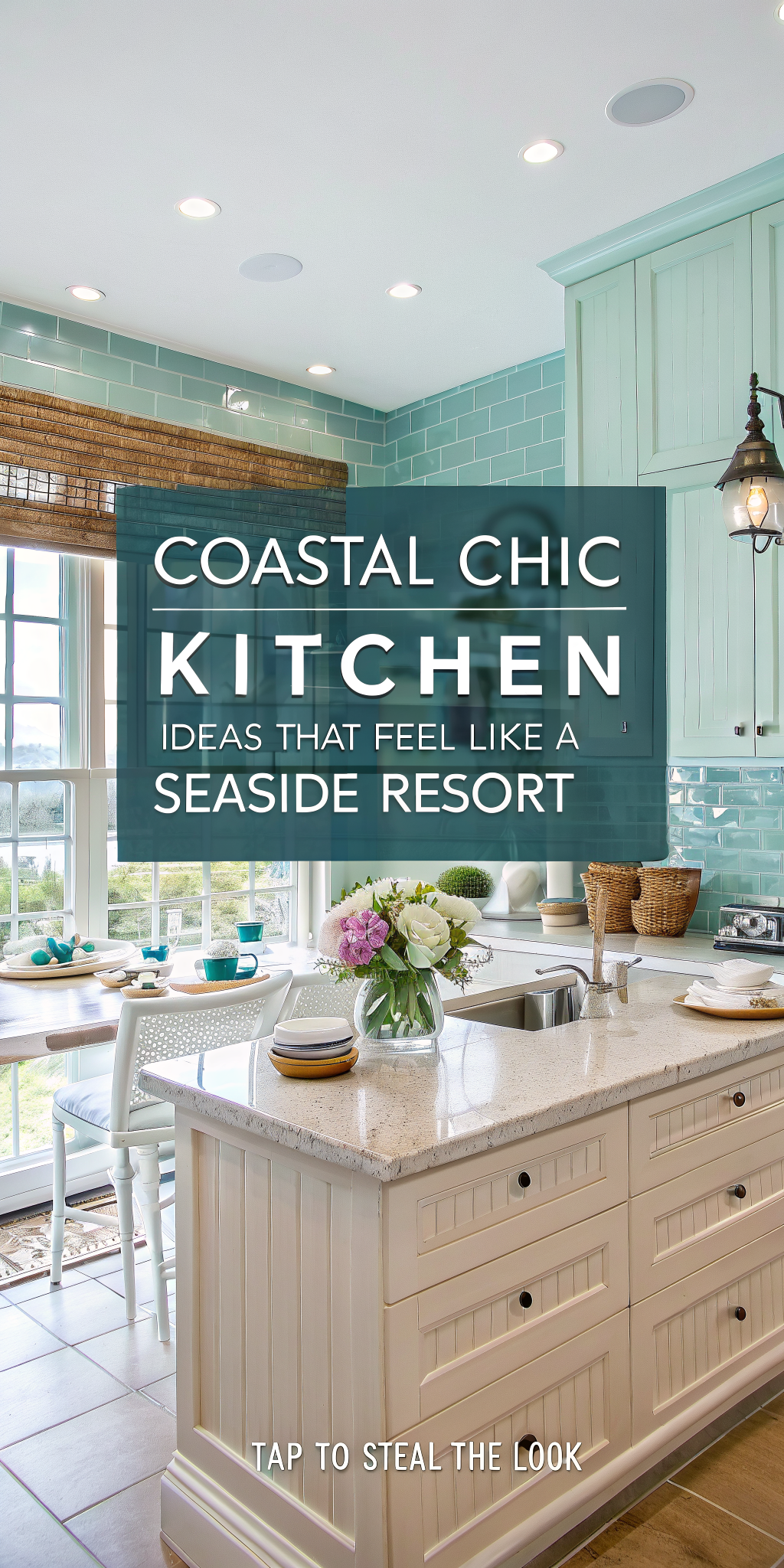
You’ve got soft whites like sun-bleached driftwood, creamy beiges that mirror sandy shores, and subtle grays that echo morning fog rolling in from the ocean. These neutrals create the perfect backdrop for your coastal kitchen. Layer in pale blues—not bright Caribbean turquoise, but those muted, weathered blues you see on vintage shutters in seaside towns.
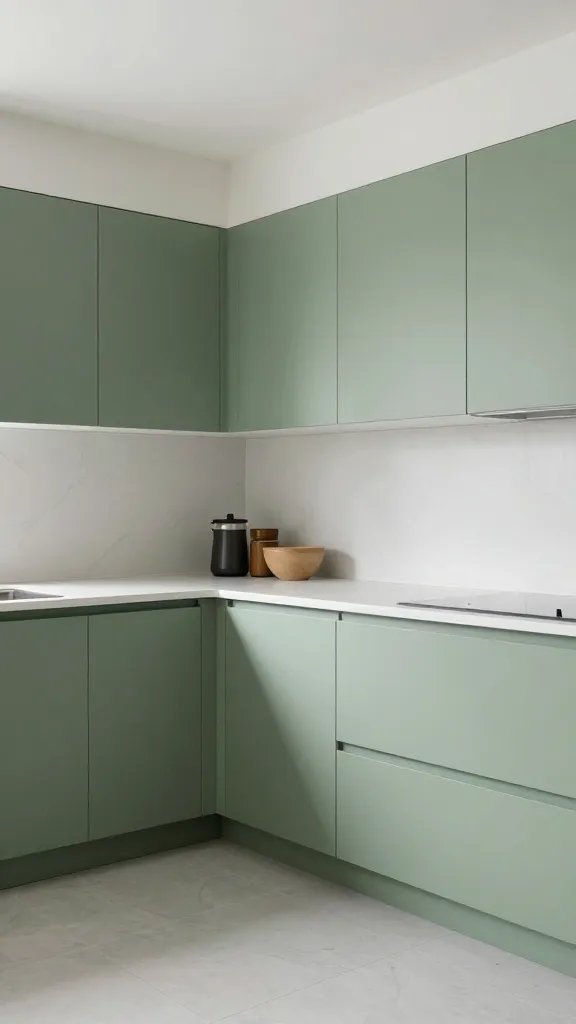
The secret sauce? Keep your base colors soft and neutral, then add depth with natural textures. Your walls might be a warm white or the palest blue-gray, while your cabinets could be either crisp white or a soft sage green that hints at sea glass. This creates a calming foundation that feels expensive and intentional rather than theme-y.
Don’t forget about warm tones. Coastal kitchens need warmth to avoid feeling cold or sterile. Incorporate sandy beiges, warm grays, and even subtle taupes. These warmer neutrals prevent your kitchen from feeling like a stark white box and add that cozy, lived-in luxury resort vibe.
Accent Colors That Actually Work
When you’re ready to add pops of color, go easy. A few well-placed accents in seafoam green, dusty coral, or soft aqua can bring your coastal palette to life without overwhelming the space. Think of these as your “accessories”—just like you wouldn’t wear every piece of jewelry you own at once, you don’t need every coastal color in one room.
Use these accent colors in smaller doses: bar stools, dish towels, a collection of vintage bottles on open shelving, or fresh flowers in a ceramic vase. The restraint is what makes it look expensive rather than cluttered.
| RENTING THE PLACE? Skip the paint and focus on removable elements. Swap out cabinet hardware for brushed brass or nickel pulls, add a coastal-colored runner rug, and display white ceramic dishes on open shelves. These changes pack major visual impact without losing your security deposit. | ON A TIGHT BUDGET? Paint is your best friend here—it’s cheap and transformative. Give your existing cabinets a fresh coat of white or soft blue paint. Add inexpensive linen cafe curtains and fill glass jars with sand or shells you collected yourself (free!). |
| PREFER WARMER TONES? Lean into the Mediterranean coastal vibe instead. Use warm whites, terracotta accents, and honey-toned wood. Think Italian seaside villa rather than Cape Cod cottage—same relaxed luxury, different temperature. | WANT MORE CONTRAST? Go bold with navy blue lower cabinets while keeping uppers white, or add a dramatic black range hood against white walls. Install black faucets and light fixtures for that modern coastal edge that feels fresh and contemporary. |
Natural Materials That Bring the Outdoors In
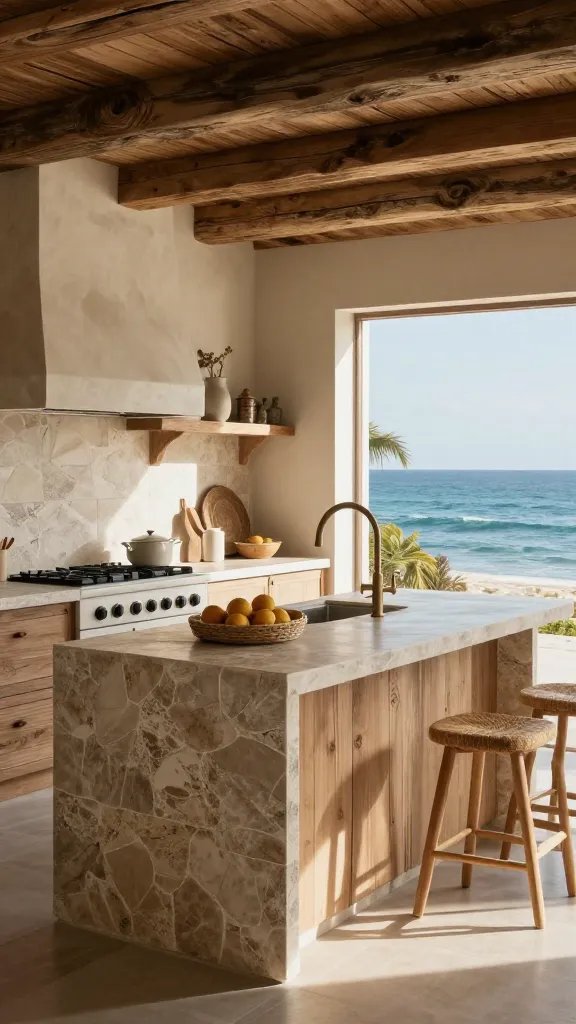
Here’s where coastal chic really separates itself from basic beach décor. The texture is everything. A luxury coastal kitchen relies heavily on natural materials that you’d actually find near the ocean—think weathered wood, natural stone, woven fibers, and organic linens.
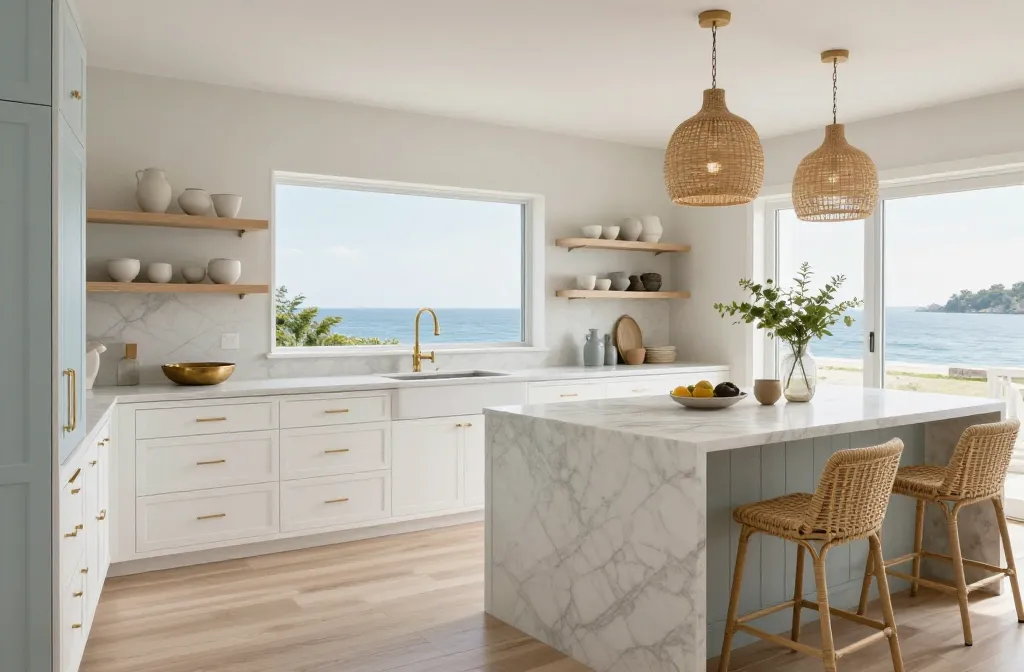
Start with your countertops. Marble (especially white or gray varieties) screams coastal luxury, but it’s high-maintenance. Quartz in a marble-look finish gives you that same elegant vibe with way less stress. Light-colored granite with subtle movement works beautifully too. The key is avoiding anything too busy or dark—you want surfaces that feel light and airy.
For flooring, wide-plank wood in a light or medium tone creates that driftwood effect everyone loves. If wood isn’t practical for your kitchen, consider large-format tiles in a soft gray or beige. Some porcelain tiles now mimic weathered wood so convincingly that guests won’t know the difference.
The Magic of Organic Textures
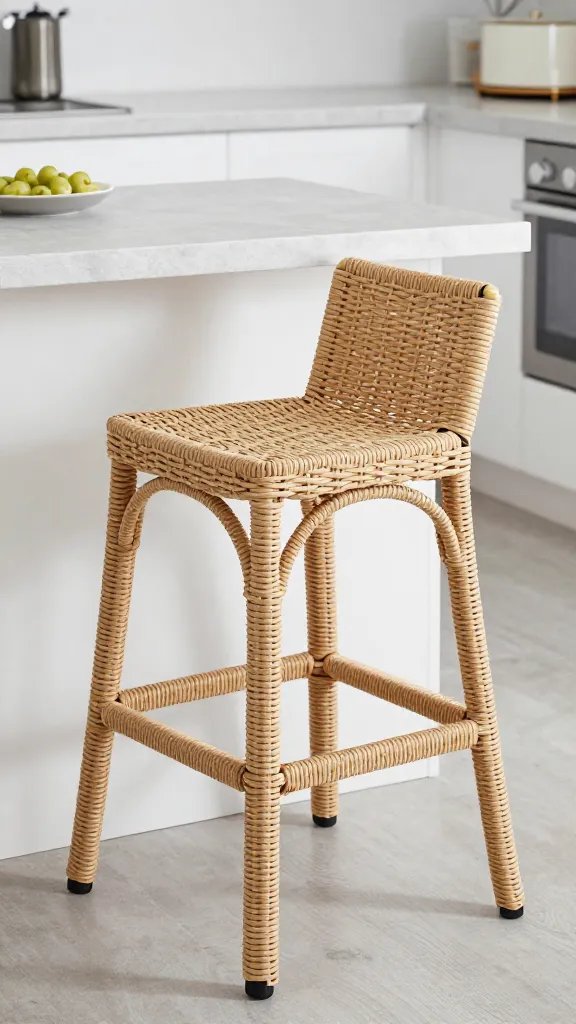
Layer in woven elements like rattan, jute, and seagrass. A pair of rattan counter stools instantly adds that breezy resort feeling. Seagrass baskets on open shelves provide both storage and texture. Even something as simple as a jute rug runner can ground the space in natural, coastal vibes.
Wood tones matter too. Skip the dark, heavy woods—they’ll weigh down your coastal aesthetic. Instead, go for light oak, bleached pine, or whitewashed finishes. If you’ve got existing wood cabinets in a darker stain, consider having them professionally lightened or painting them in a soft coastal hue.
| RENTING THE PLACE? You can’t change your counters or floors, but you can add texture through accessories. Layer in rattan trays, woven placemats, linen dish towels, and wooden cutting boards displayed on your counter. These portable pieces create the coastal texture you’re craving. | ON A TIGHT BUDGET? Hit up thrift stores for wood cutting boards and crates that you can lightly sand and seal for instant driftwood vibes. Dollar store seagrass baskets work just as well as expensive ones for corralling kitchen clutter on open shelves. |
| WANT DARKER WOOD? Go for it, but balance it carefully. Rich teak or walnut can add gorgeous warmth to a coastal kitchen if you keep everything else light and airy. Use dark wood as an accent—maybe a floating shelf or island countertop—not the dominant material. | WANT EDGIER VIBES? Mix in concrete or metal elements for an industrial coastal look. A concrete island countertop or metal pendant lights add unexpected edge while still feeling organic. Pair them with softer textures to keep things balanced. |
Open and Airy: Creating That Breezy Flow
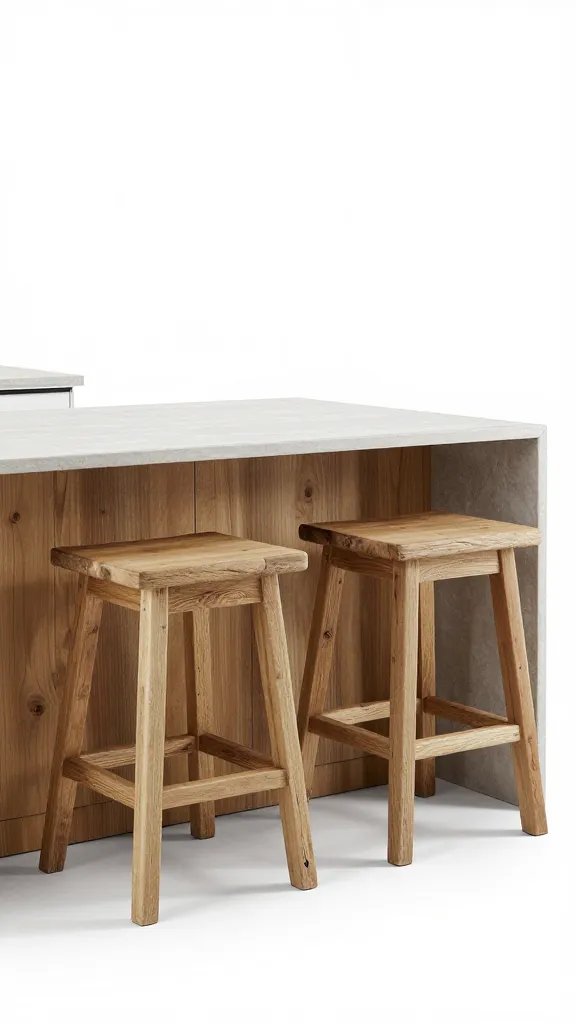
Luxury seaside retreats never feel cramped or cluttered. They breathe. Your coastal kitchen needs that same open, airy quality, even if you’re working with limited square footage.
Open shelving is your friend here. Replacing even just one or two upper cabinets with open shelves immediately makes your kitchen feel less boxy and more relaxed. Display white dishes, glassware, and a few carefully chosen coastal accessories. The key word is “carefully”—overstuffed open shelves look messy, not beachy.
If open shelving feels too exposed, consider glass-front cabinets instead. They offer the visual openness while still providing dust protection for your dishes. Paint the cabinet interiors a soft blue or keep them white for maximum light reflection.
Let’s talk about window treatments—or better yet, the lack thereof. If your kitchen has great natural light and privacy isn’t an issue, ditch the heavy curtains. Let that sunshine pour in. If you need some coverage, opt for simple linen cafe curtains, woven bamboo shades, or sheer white panels that filter light without blocking it.
Decluttering Is Non-Negotiable
I’m going to be real with you—no amount of coastal styling will work if your counters are covered in junk. The resort aesthetic requires discipline. Keep counters as clear as possible, storing small appliances in cabinets unless you use them daily.
Create designated zones for the items you do keep out: a coffee station with your machine and pretty canisters, a cooking zone with your most-used utensils in a ceramic crock, maybe a fruit bowl. Everything else? Hidden away in drawers and cabinets.
| RENTING THE PLACE? You can’t remove cabinets, but you can remove cabinet doors (save them to reinstall later). This creates instant open shelving without any permanent changes. Just make sure to fill the hinge holes with removable putty. | ON A TIGHT BUDGET? Simply clear your counters—it’s free and instantly transformative. Invest in matching canisters from discount stores to corral necessities, and use baskets inside cabinets to maximize storage so more can stay hidden. |
| NEED THE STORAGE? Keep your upper cabinets but remove some of the doors for a mixed look. Leave doors on the areas where you store less-pretty items (plastic containers, mismatched mugs) and open up the sections where you keep attractive dishware. | WANT MORE IMPACT? Go all-in on the open concept. Remove all upper cabinets on one wall and install floor-to-ceiling windows if structurally possible, or create a stunning open shelving display with LED lighting underneath each shelf for drama. |
Lighting That Mimics Natural Seaside Glow
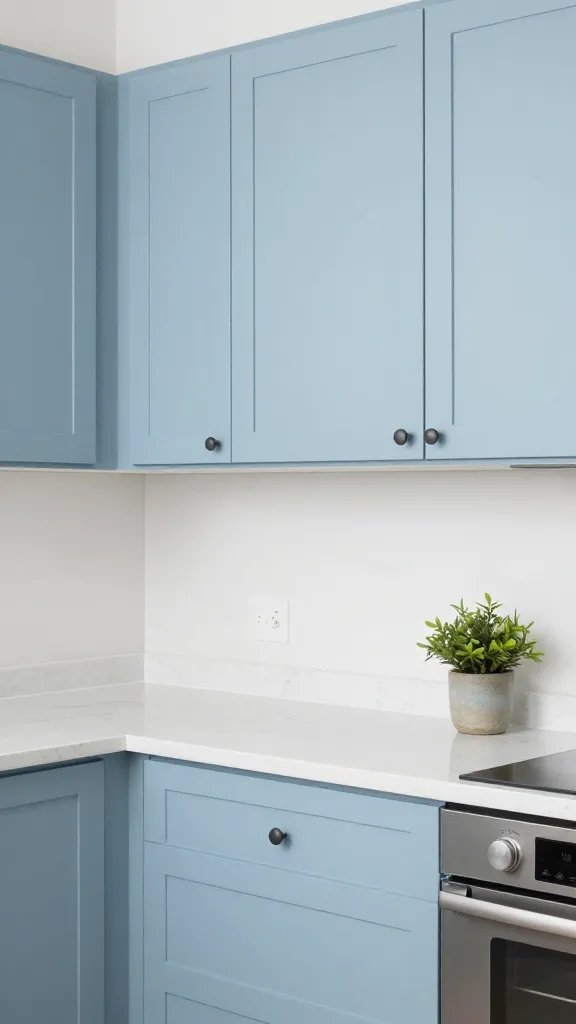
Ever notice how everything looks better in natural light? That’s what you’re trying to recreate with your lighting scheme. Coastal kitchens need layers of light that feel soft, warm, and natural—never harsh or overly bright.
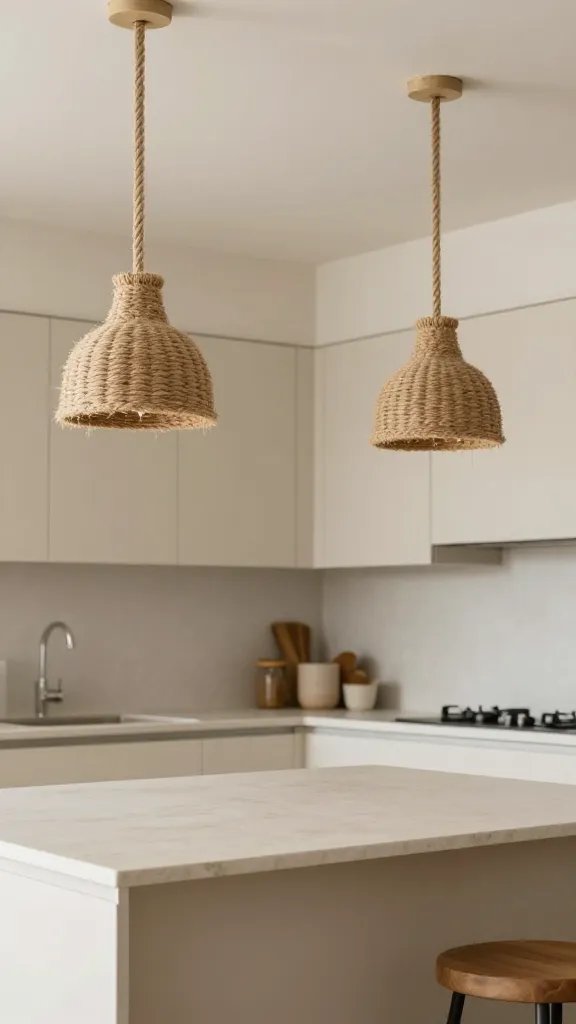
Start with your statement piece: the pendant lights over your island or dining area. This is where you can have some fun. Natural materials like rattan, rope-wrapped fixtures, or woven pendants add instant coastal character. Glass globe pendants in clear or seeded glass also work beautifully, mimicking the look of vintage nautical lighting without being too literal about it.
For general ambient lighting, consider installing recessed lights on dimmer switches. This lets you adjust the brightness depending on the time of day and your mood. Bright task lighting is essential for food prep, but you’ll want to dial it down for evening entertaining.
Don’t underestimate the power of under-cabinet lighting. It provides functional task lighting while also creating a soft ambient glow that makes your kitchen feel welcoming. LED strips work great and they’re energy-efficient—your electricity bill will thank you.
Maximize Your Natural Light
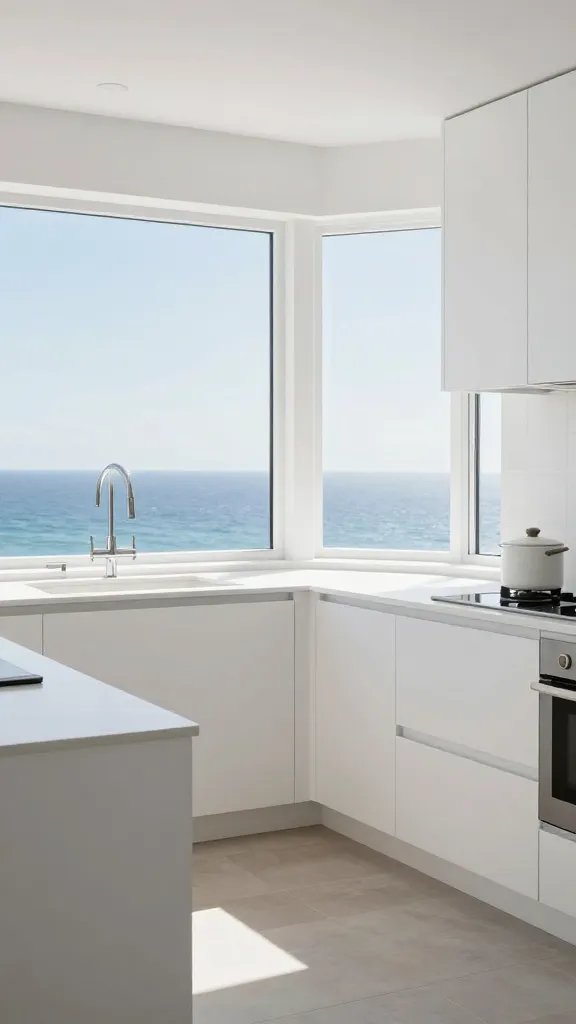
Obviously, the best light is free light from the sun. If you’re planning a renovation, maximize your window size. If you’re working with existing windows, make sure you’re not blocking them with unnecessary window treatments or tall items on your counters.
Mirrors can also help bounce natural light around the room. A large mirror on a wall perpendicular to a window will reflect that precious sunlight and make your space feel bigger and brighter.
| RENTING THE PLACE? You probably can’t swap out hardwired fixtures, but you can add plug-in pendant lights that swag from a ceiling hook. Install battery-operated LED puck lights under cabinets for that resort glow without any electrical work. | ON A TIGHT BUDGET? Spray paint your existing light fixtures in brushed brass or matte white for an instant update. Add LED strip lighting under cabinets—basic versions cost under $20 and install with adhesive backing. Change to warm-toned bulbs in all existing fixtures. |
| PREFER MODERN STYLE? Skip the woven pendants and go for sleek glass globes or simple dome pendants in white or brass. Clean-lined fixtures can still feel coastal when paired with the right colors and materials throughout the rest of your kitchen. | WANT MORE DRAMA? Install an oversized statement pendant—think a large woven drum shade or a cluster of glass globes at varying heights. Add interior cabinet lighting with glass-front doors to showcase your dishware collection like a high-end display. |
The Right Hardware and Fixtures Make All the Difference
Small details create big impact, and nothing proves this more than hardware and fixtures. Swapping out dated cabinet pulls and faucets might seem minor, but it’s often the difference between “meh” and “wow.”
For coastal chic, brushed brass, brushed nickel, or matte black finishes all work beautifully. Polished chrome can feel too shiny and modern, while oil-rubbed bronze tends to read too traditional. You want something with a slightly soft, lived-in quality.
Cabinet hardware should be simple and understated. Think clean bar pulls, simple knobs, or even leather pulls for something unexpected. Avoid anything too ornate or fussy—you’re going for relaxed luxury, not Victorian mansion.
Your faucet deserves special attention since it’s both functional and visible. A gooseneck or bridge-style faucet in brushed brass or nickel adds that vintage coastal charm. If you want something more modern, a sleek single-handle faucet in matte black can look incredibly sophisticated.
Don’t Forget the Small Stuff
Switch plates, cabinet hinges, and even your range hood can contribute to (or detract from) your coastal vibe. Match all your metal finishes throughout the space for a cohesive, intentional look. Mixing metals can work, but it requires a good eye—when in doubt, stick with one primary finish.
Consider upgrading your sink too. A farmhouse-style apron sink in white or cream is practically synonymous with coastal kitchens, and for good reason—it’s both practical and beautiful. If a full replacement isn’t in the budget, even just a new sink strainer and soap dispenser in your chosen finish helps.
<div style=”text-align: center;