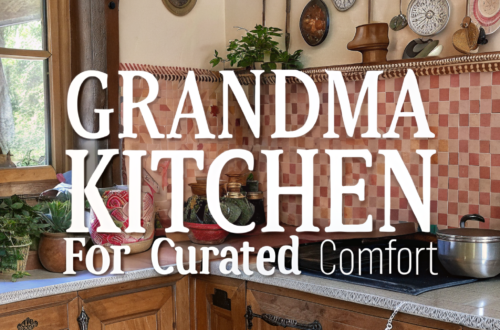
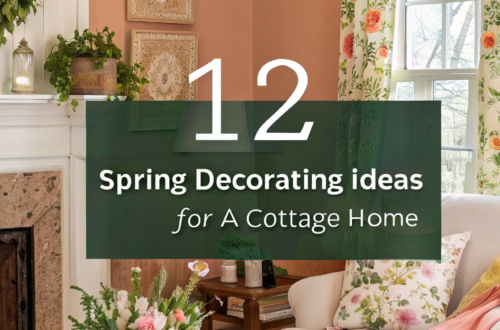
You want a kitchen that feels like a Sunday morning: soft, sunny, and a little nostalgic. Not a museum. Not a movie set. Just a cozy, cottage‑farmhouse vibe you can actually cook in. Good news: you don’t need a full remodel or a truckload of antiques to get there. With soft colors, floral details, and a few smart swaps, you can turn your kitchen into the heart of your home—without living at the paint store.
Start with a Soft, Breezy Color Palette

You can’t fake charm if your colors shout. Choose gentle tones that feel fresh and lived-in. Think warm whites, creamy ivories, powder blues, and muted sage.
- Walls and cabinets: Off-white, pale greige, or buttery cream keep things light and classic.
- Accents: Soft blush, dusty blue, or sage on an island, pantry door, or open shelves adds personality.
- Finishes: Matte or eggshell paints hide imperfections and look less “brand new showroom.”
Choosing the Right Undertones
Warm undertones give that welcoming glow; cool ones risk looking clinical. If your flooring runs warm (oak, pine, or honey tones), match it with creamy whites. If you’ve got gray-veined counters, lean into soft blue or greige. FYI: swatch on multiple walls and check morning vs. evening light. Paint behaves like a drama queen.
Floral Details That Don’t Feel Grandma’s Guest Room

Floral can go twee fast, but you’re smarter than that. Use it intentionally and keep patterns balanced with solids.
- Textiles: Tea towels, roman shades, and seat cushions in small-scale florals bring movement without chaos.
- Wallpaper moments: A floral backsplash area, breakfast nook, or the inside back of glass-front cabinets—gorgeous.
- Dishware: Vintage-style floral plates or mugs on open shelves read charming, not kitschy, if you edit.
Mixing Scales and Patterns
Pair small floral prints with wide stripes or gingham for balance. One hero pattern per zone—don’t make your kitchen compete with itself. IMO, a petite botanical print roman shade + solid runner rug = chef’s kiss.
Make the Bones Feel Crafted, Not Cookie-Cutter

Even if your kitchen started life as a builder-grade basic, you can add soul through a few upgrades that mimic older craftsmanship.
- Cabinet tweaks: Swap flat doors for simple Shaker fronts. Add wood knobs or unlacquered brass pulls for patina over time.
- Backsplash: Handmade-look subway tile or beadboard in a soft white adds texture without stealing the show.
- Shelves: Replace one upper cabinet run with white oak or painted open shelves. Style with restraint (more on that in a sec).
Islands and Worktables
If space allows, try a freestanding worktable or a small island with turned legs. Paint it sage or dusty blue and top it with wood or soapstone for instant “found it at a farmhouse sale” energy. Add a floral runner draped over a side rail for an easy seasonal pop.
Layer Natural Materials and Cozy Textures

Cottage-farmhouse charm hinges on touchable textures. Smooth surfaces alone can feel cold.
- Wood: Butcher block, raw-edge shelves, or a rustic tray bring warmth.
- Textiles: Linen café curtains, cotton aprons, and quilted pot holders soften the space.
- Baskets: Woven baskets for onions, potatoes, or cloth napkins scream practical-cute.
- Stone and ceramic: Crocks for utensils, hand-thrown pitchers as vases—functional décor is your best friend.
Greenery, Always
Herbs in terracotta pots look pretty and earn their keep. A trailing pothos on a high shelf? Yes. A floral arrangement on the table? Always. Fresh or faux stems in a ceramic jug add instant life—no florist degree required.
Floral Fixtures and Finishing Touches

You can nod to florals beyond fabric without turning the kitchen into a greenhouse.
- Lighting: Bell-shaped glass pendants, pleated fabric shades, or a single floral sconce over the sink.
- Hardware: Try ceramic knobs with a delicate floral motif on a single hutch or pantry door.
- Art and prints: Botanical sketches or pressed flowers in simple frames bring subtle romantic vibes.
- Rugs: A low-pile runner with a faded floral pattern hides spills and adds color underfoot.
Keep It Edited
Cottage doesn’t mean clutter. Display 3–5 intentional items per shelf: a floral mug stack, a breadboard, a small plant. Leave empty space. Your eyes (and your countertops) will thank you.
Color + Floral: Easy Combinations That Work

Want no-fail pairings? Use these as cheat codes.
- Cream + Dusty Blue + Petite Navy Florals: Airy and coastal-adjacent, not nautical.
- Warm White + Sage + Blush Botanicals: Soft, romantic, and great with brass.
- Pale Greige + Warm Wood + Terracotta Floral Accents: Earthy without going full cabin.
- Butter Cream + Gingham + Micro-Florals: Cheerful farmhouse, minus the rooster clock.
Metals and Finishes That Play Nice
Mix metals with intention:
- Brass + Black: Brass for knobs and pendants, black for hinges or a faucet = grounded and warm.
- Nickel + Iron: Cooler combo that still feels traditional with floral fabrics.
One dominant metal, one accent. Don’t build a hardware zoo, please.
Practical Storage with Pretty Vibes

A charming kitchen still needs to function. Hide the mess, highlight the cute.
- Pantry jars: Decant baking basics into glass jars with handwritten labels. Yes, you’ll feel smug every time you open the door.
- Hooks and rails: Hang floral aprons, copper pans, or a herb-drying bundle on a Shaker peg rail.
- Hidden bins: Keep compost and recycling behind a cabinet to preserve the calm palette.
- Trays and corrals: Use a wooden tray to group oil, salt, and a tiny bouquet—useful and styled.
Open Shelves Without the Chaos
Stick to a color story—creams, woods, a touch of green. Layer plates, a stack of floral bowls, and one art piece. Rotate seasonally so it stays fresh. IMO, editing once a month prevents “random mug museum” syndrome.
FAQ
How do I add florals without making the space feel too busy?
Choose one main floral moment—like a roman shade or small wallpapered nook—then echo it with 1–2 smaller accents, such as a tea towel and a framed botanical. Keep the rest solid and textured. When in doubt, scale down the print and space out the pattern.
What soft paint colors work best for cottage-farmhouse kitchens?
Try creamy whites with warmth (not stark), muted sages, and dusty blues. Popular picks: a warm off-white for cabinets, a pale sage for a pantry door, and a soft blue-gray for an island. Always test swatches in your actual light because paint loves to lie.
Can I get the look on a budget?
Absolutely. Paint does the heavy lifting. Then add thrifted floral plates, a secondhand wood table, and linen-look curtains. Swap hardware, install a beadboard backsplash panel, and bring in a vintage-style rug. Small, strategic changes beat one giant splurge.
What countertop materials pair well with this style?
Butcher block feels classic and cozy. Light quartz with subtle veining plays nicely with florals, and soapstone brings that moody, old-house charm. If you already have something modern, balance it with warm wood accessories and soft textiles.
How do I keep it from looking like a theme park?
Mix new and old, limit overt “farm” motifs, and prioritize function. Use florals as accents, not the whole story. Keep surfaces practical, embrace patina, and avoid matching every single thing. Real homes evolve—let yours breathe.
What lighting suits a soft, cottage vibe?
Go for warm, diffused light. Pleated fabric shades, bell glass pendants, or a dainty floral sconce over the sink all work. Use dimmers, choose warm bulbs (2700–3000K), and mix task, ambient, and accent lighting so the room glows, not glares.
Conclusion
You don’t need a farmhouse or a flowery apron collection to nail the cottage look. Start with soft, welcoming colors, add thoughtful floral touches, and layer in texture and warmth. Edit ruthlessly, display what you love, and let the space feel lived in. Do that, and your kitchen will feel like the best kind of countryside morning—minus the rooster alarm, thankfully.