Your dream apartment doesn’t need a trust fund or 1,000 square feet. With a few smart swaps and a little creativity, you can make your small space look designer on a dollar-store budget. Ready to turn your shoebox into a stunner? Let’s do this.
1. Edit Ruthlessly, Then Style What’s Left
We’re starting with the unsexy stuff: editing. Clutter kills vibes (and floor space). Keep only what you love or use weekly—everything else is stealing oxygen.
Make Space For Style
- One-in, one-out rule: For every new piece, something goes. It keeps chaos in check.
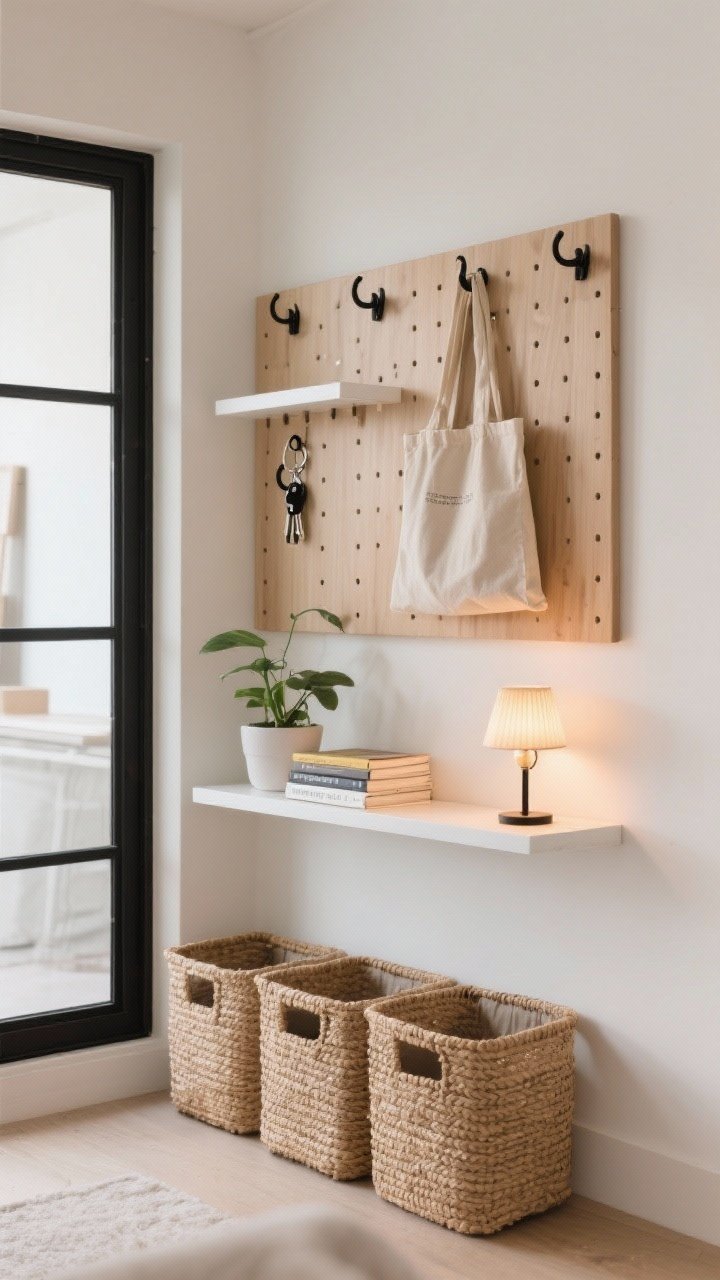
- Go vertical: Add hooks, pegboards, and slim shelves to get things off surfaces.
- Use matching bins: Uniform baskets or boxes instantly look calmer—even if they’re hiding chaos. Your secret’s safe.
Once you pare down, style your surfaces sparingly: a lamp, a stack of books, a plant. Space to breathe = design magic.
2. Choose Multipurpose Furniture (It’s Basically a Superpower)

Small spaces need furniture that pulls double duty. If it can’t multitask, it’s not invited. Think storage, folding, and portability.
Smart Furniture Wins
- Ottoman with storage: Coffee table by day, blanket vault by night.
- Drop-leaf table: Dinner for two, desk for one, tucks against a wall when you don’t need it.
- Slim console behind the sofa: Adds a landing spot without eating floor space.
- Stackable stools: Seating when friends come over; side tables when they don’t.
FYI: Look for legs. Furniture on legs feels lighter and keeps sight lines open, which tricks your brain into thinking the room is bigger.
3. Create Zones With Light, Rugs, and Art

When your living room is also your dining room and office, zoning saves the day. You’re not stuck with one giant blob of furniture—break it up visually.
Define Without Walls
- Rugs: One under the sofa zone, another under the “dining” area. Instant room divisions.
- Lighting layers: A floor lamp by the sofa, a task lamp at the desk, a pendant or plug-in sconce near the table.
- Art clusters: Use a mini gallery wall to mark your “work nook” or a large print to anchor the sofa area.
Pro tip: Keep a shared color thread—like black frames or warm wood accents—so everything feels cohesive, not chaotic.
4. Go Big On Style, Not On Size

Small space does not mean small personality. Use a few bold, intentional moments to make the room feel curated—not cluttered.
Statement Moves (That Don’t Cost Much)
- Large-scale art: One oversized print beats six tiny ones. DIY by framing fabric or a thrifted poster.
- Accent wall: Peel-and-stick wallpaper adds drama without commitment. Or paint a color block behind your bed as a faux headboard.
- Hero light fixture: Swap the builder-basic for a stylish plug-in pendant. Big impact, tiny budget.
IMO, one bold thing per area is enough. Two if you’re feeling spicy.
5. Style With Texture, Color, and Plants
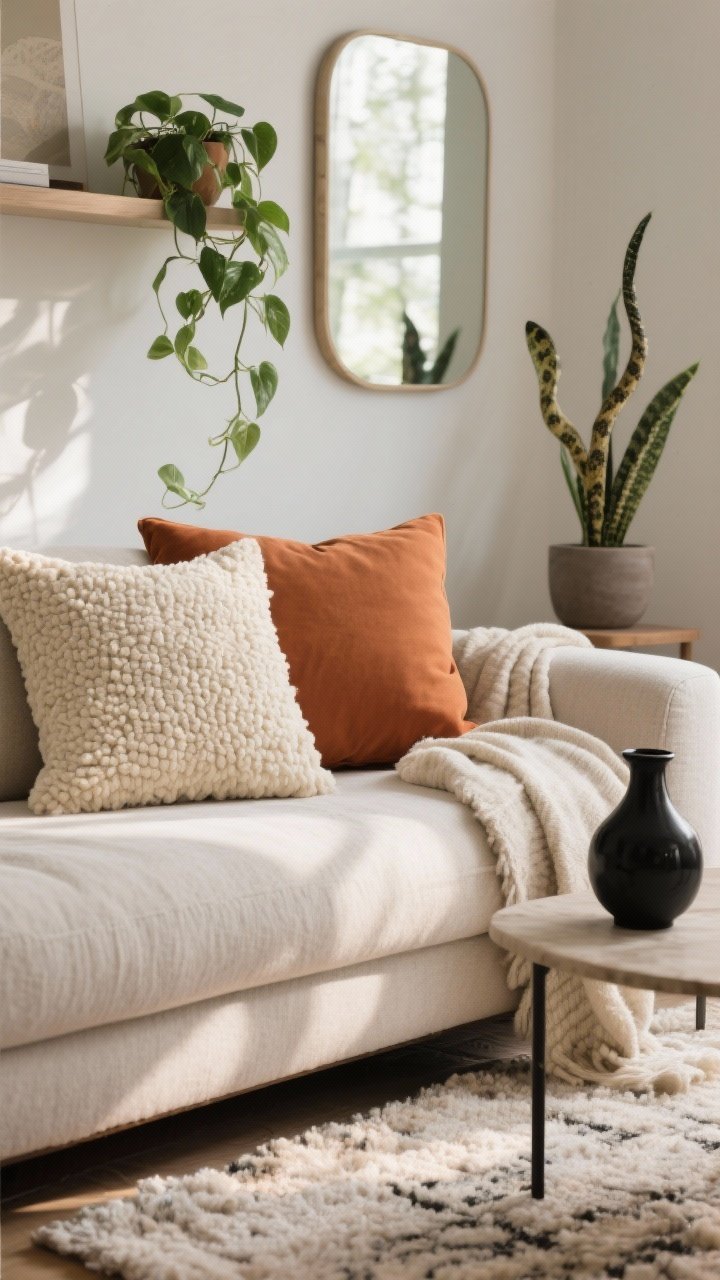
Texture is your budget BFF. It makes inexpensive pieces look rich and layered. Mix smooth with nubby, shiny with matte, wood with metal. Boom—instant depth.
Layer Like A Stylist
- Textiles: Add a throw, a couple of pillows in linen or bouclé, and a cozy rug. High-low mixing is the secret sauce.
- Color story: Choose 2-3 core colors and repeat them. Example: terracotta, cream, black. It keeps small spaces from feeling busy.
- Plants: Real or faux, they add life. Try a trailing pothos on a shelf, a snake plant in a corner, and a mini herb pot in the kitchen.
Bonus: Use mirror magic. A medium mirror opposite a window doubles the light. It’s like a skylight—without the contractor.
6. Hack Storage So It Looks Intentional
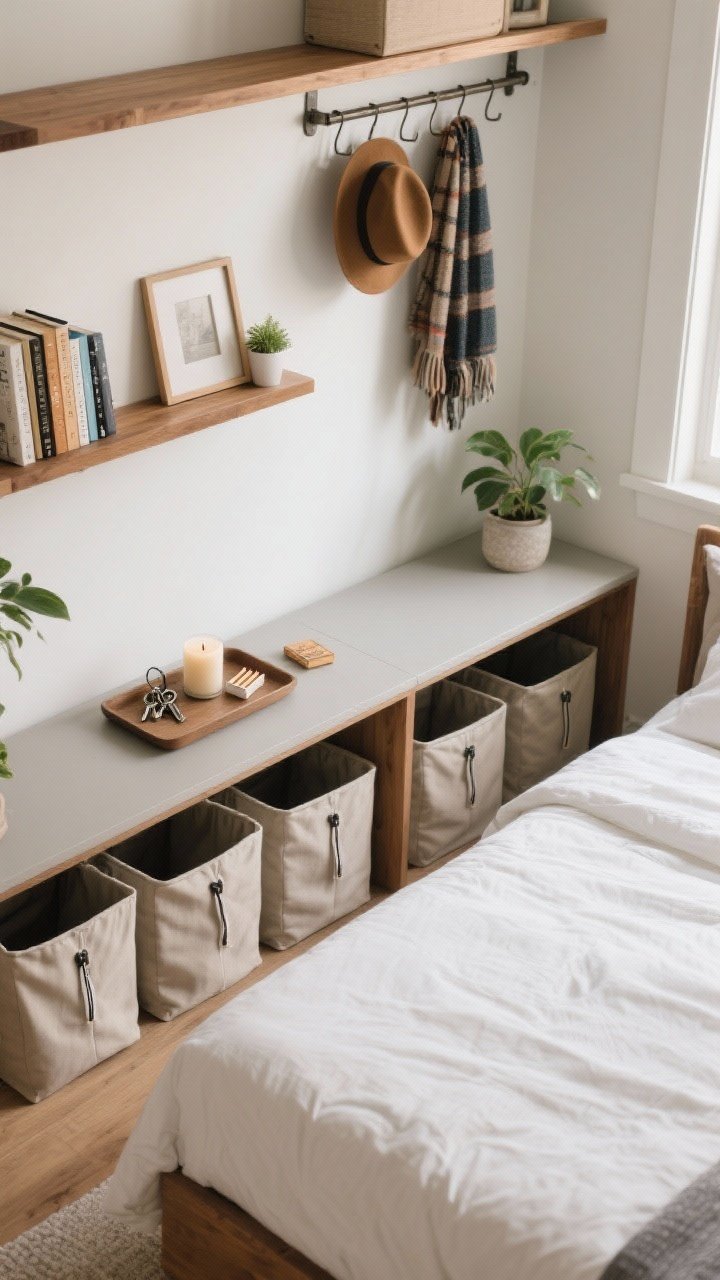
Storage doesn’t have to scream “storage.” Hide it in plain sight with pretty, practical solutions that look like decor. No plastic drawer towers allowed.
Functional But Cute
- Under-bed bins: Store off-season clothes, shoes, or extra linens. Use fabric zip bins so they look tidy.
- Over-door rack: For bags, scarves, hats. Choose a metal or wood one that matches your vibe.
- Floating shelves: Display books, frames, and a plant or two. Leave breathing room so it doesn’t feel crammed.
- Trays on surfaces: A tray turns random stuff into a “styled vignette.” Keys + candle + matchbook = curated, not messy.
Hide your ugly essentials in baskets on low shelves. Keep the top shelf for the pretty things. It’s home decor camouflage, and it works every time.
7. Shop Smart: Thrift, DIY, and Rent-Friendly Tricks

You don’t need designer pieces to get a designer look. Thrifting and tiny DIYs give you character and save serious cash. Plus, no one else will have your exact setup—score.
Where To Find Budget Gold
- Thrift stores/Facebook Marketplace: Look for solid wood, simple shapes, and good bones.
- Swap meets: Trade with friends—lamps, art, throw pillows. Free is the best price.
- Clearance aisles: Frames, hardware, and planters are usually cheap and instantly upgrade-y.
Easy DIYs With Big Payoff
- Paint it: A $20 can of paint transforms side tables, frames, even lamps. Try matte black or warm white.
- Contact paper: Marble or wood-look on a cheap tabletop = surprisingly chic.
- New hardware: Swap knobs on a basic dresser or kitchen cabinets. Looks custom in five minutes.
- Peel-and-stick tile: Great for a backsplash or an entryway refresh. Landlord-friendly, budget-approved.
FYI: Measure twice, buy once. Returns are a pain, and small spaces punish sizing mistakes.
Room-By-Room Mini Game Plan
- Living area: Rug to define, mirror to brighten, one bold art piece, plant, layered lighting.
- Bedroom: Color-block “headboard,” sconce plug-ins, under-bed storage, soft textures.
- Kitchen: Hooks for mugs, magnetic knife strip, peel-and-stick backsplash, matching canisters.
- Entry: Narrow bench, wall hooks, tray for keys, small rug to anchor.
Here’s the bottom line: small and budget-friendly doesn’t mean boring. With a few smart choices—edit, zone, layer, and hack storage—you’ll build a space that feels intentional, stylish, and totally you. Your dream apartment is closer than you think. Now go light a candle and admire your masterpiece.