Your brain deserves a slow blink. You know that long exhale after closing five browser tabs? That’s the vibe.
Slow living isn’t about moving at a snail’s pace; it’s about choosing what actually matters and ditching the noise. Less chaos. More cozy.
Big exhale.
What Slow Living Really Means (Spoiler: It’s Not Laziness)
Slow living gets a bad rap. People think it means naps and knitting 24/7. Not true.
It means you make intentional choices, reduce unnecessary busyness, and prioritize your energy like a pro. You swap “doing it all” for “doing what counts.” You stop sprinting through your life like it’s a to-do list and start building rituals that ground you. Think fewer frantic mornings, more steady rhythms.
Sounds dreamy, right?
The Cozy-Mind Connection
Your environment sets the tone for your nervous system. When you create a cozy space, your brain gets the memo: “We’re safe here.” That triggers relaxation, better focus, and fewer “oh no” spirals. Cozy spaces calm your brain because:
- Soft textures reduce sensory overload.
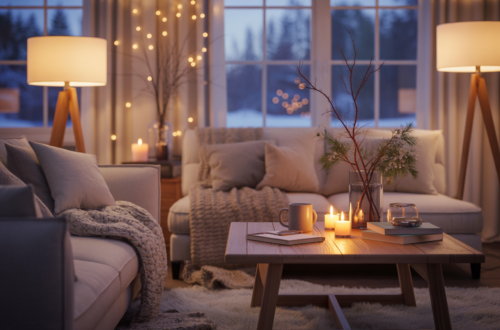
- Warm lighting nudges your body toward rest-mode.
- Clear surfaces lower visual clutter, which lowers mental clutter.
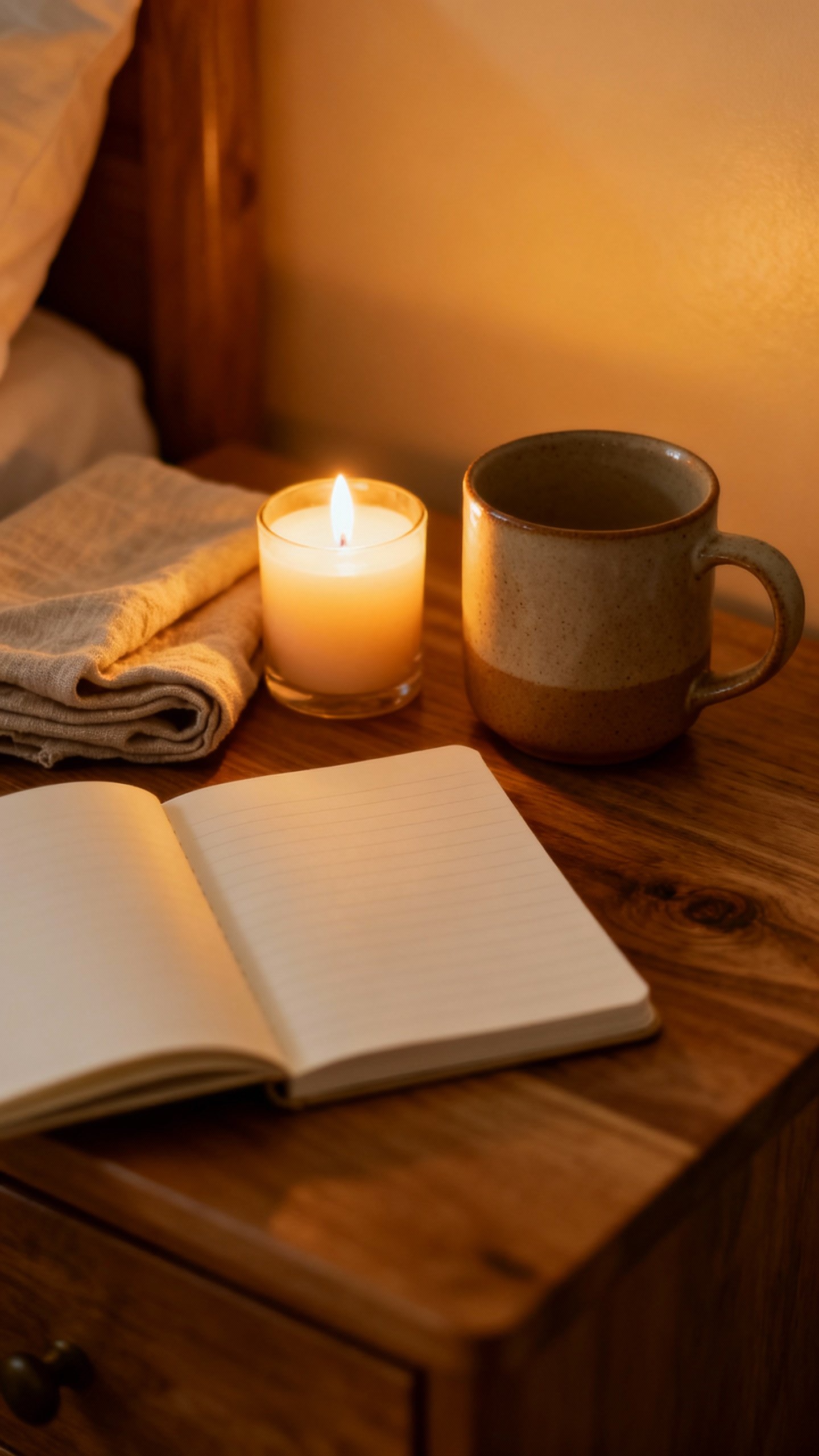
Small shifts deliver big peace. A candle, a blanket, and a cleared nightstand beat a full remodel any day.
Design a Calm Corner
Pick one spot—just one—and make it your sanctuary.
- One comfy seat + one soft throw + one plant = instant peace.
- Use a warm bulb (2700K-ish) or a salt lamp for mellow vibes.
- Hide chargers and cables.
Tangled wires = tangled thoughts.

Rituals That Anchor Your Day
You don’t need a 27-step morning routine. You need rhythm. When your day has a few comforting beats, your mind stops bracing for chaos and starts trusting your flow. Try these tiny anchors:
- Morning: Open a window, sip water slowly, step outside for 3 minutes.
Sunlight tells your body, “Wake up, beautifully.”
- Midday: Two-minute stretch or a short walk. Bonus points: leave your phone behind.
- Evening: Dim lights after dinner, read one page (yes, one), write one line about your day.
IMO, consistency beats intensity. A one-minute ritual done daily trumps a 15-minute ritual done twice a month.
The 3-Task To-Do List
You don’t need a productivity sword fight.
Just pick:
- One non-negotiable (must happen)
- One meaningful (moves the needle)
- One nourishing (feeds you, not your inbox)
That’s enough. If you finish more, congrats. If not, you still win.
Less Scroll, More Soul
Slow living asks: is your attention working for you or for the algorithm?
Try this: before opening an app, ask, “What am I here for?” If you don’t have an answer, close it. Harsh? Maybe.
Helpful? Absolutely. Simple screen boundaries:
- Move social apps off your home screen. Hide them in a folder called “Later.”
- Use grayscale after 9 pm.
Your phone looks boring on purpose.
- Leave your phone charging outside your bedroom. Yes, buy a real alarm clock like it’s 2005.
The 5-Minute Mind Reset
When your brain feels like 47 tabs yelling at once:
- Breathe in for 4, hold for 4, out for 6. Repeat three times.
- Write down the top worry and the tiniest next step.
- Do that step.
Then move on.
FYI, emotional clutter often melts when you take one micro-action.
Food, But Make It Gentle
You don’t need artisanal sourdough to live slowly (though yum). You need meals that make you feel stable, not spiked. That means fewer frantic deliveries and more calm, easy staples. Build a cozy pantry:
- Grains: rice, oats, quinoa for fast, grounding meals
- Proteins: beans, eggs, canned fish, tofu
- Flavor boosts: olive oil, lemon, miso, chili crisp, herbs
Two-Recipe Slow Starter Pack
- One-Pot Cozy Rice: Sauté onion + garlic, add rice, water, frozen peas, and a pinch of salt.
Simmer. Finish with lemon and olive oil. Feeds body and soul.
- Five-Minute Miso Soup: Boil water, whisk in miso, add tofu cubes and greens.
Done. Add chili oil if you’re feeling spicy.
No chef hat required, promise.
Declutter the Fast Way (Yes, Really)
You don’t need to empty your whole closet on the bed and cry. Try “gentle decluttering” instead—regular tiny edits that add up. Quick wins:
- One drawer a week: Set a timer for 10 minutes.
Keep what you use, donate the rest.
- One-in, one-out: New mug in, old mug out. No mug population explosions.
- Surface reset: Clear countertops each night. Waking up to clean surfaces = instant calm.
The Cozy Capsule
Build a seasonal mini-wardrobe:
- 10–15 pieces you actually wear
- Everything mixes and matches
- Comfort-first fabrics (cotton, linen, merino)
Less choice = less decision fatigue = more brain for living.
Rest Like You Mean It
Rest isn’t a reward.
It’s fuel. You don’t earn it by suffering first. You schedule it because you value your sanity. Rest rituals that work:
- Ten minutes of horizontal time after work—no phone, just breathing
- Short evening walk to tell your brain, “We’re done for the day”
- Early lights-out one night a week (your future self says thank you)
Sleep the Slow Way
Make your bed a “sleep-only zone” if you can.
- Cool the room, dim the lights, and ditch blue light an hour before bed.
- Keep a notepad by the bed for runaway thoughts.
Offload, then sleep.
- Wake up at the same time daily. Your circadian rhythm loves predictability.
IMO, sleep is the ultimate slow flex.
Make It Personal (Because Your Life Isn’t a Pinterest Board)
Slow living isn’t a single aesthetic. It’s not always beige linens and pour-over coffee.
It’s what makes you feel grounded. If you love color, use it. If you love noise, choose intentional noise.
Your version counts. Build your slow-living blueprint:
- Pick three values (e.g., ease, creativity, connection).
- Choose one habit per value (e.g., 10-minute sketch, friend call on Wednesdays).
- Check in monthly: keep what helps, ditch what doesn’t.
FAQ
Is slow living realistic with a busy job or kids?
Yes. You shift scale, not the goal. Swap long rituals for mini-anchors, batch decisions (meal plans, outfits), and protect a few micro-moments.
Tiny consistency beats occasional “perfect” days.
Do I have to throw out half my stuff to feel calm?
Nope. Start with surface clutter and one drawer at a time. Aim for function over minimalism.
If something earns its space by being loved or used, it stays. If it nags you, thank it and let it go.
What if I get bored slowing down?
Great. Boredom creates space for creativity.
Ride it for a week. You’ll notice ideas show up when your brain stops scrolling. If boredom feels edgy, add gentle novelty: a new walking route, a different tea, a short class.
How do I keep slow habits from fading after two weeks?
Attach them to existing habits.
Sip water while the coffee brews. Stretch after brushing your teeth. Put a book on your pillow.
Habit stacking reduces willpower tax and turns nice ideas into automatic routines.
Can slow living still be ambitious?
Absolutely. Slow living focuses your ambition. You cut busywork and pour energy into needle-movers.
Fewer projects, deeper attention, better results. Hustle culture sprays; slow living aims.
What if my family isn’t on board?
Lead by vibe, not lectures. Set up one calm corner, keep your routines, and let the benefits be visible.
People usually join peace once they feel it. Invite, don’t insist.
Conclusion
Slow living isn’t a trend; it’s a permission slip. Choose fewer, better things.
Create cozy corners. Protect your attention like it’s priceless—because it is. Start tiny, stay consistent, and let your days breathe.
Your mind will meet you there, and honestly, it’ll thank you with the calm you’ve been craving.