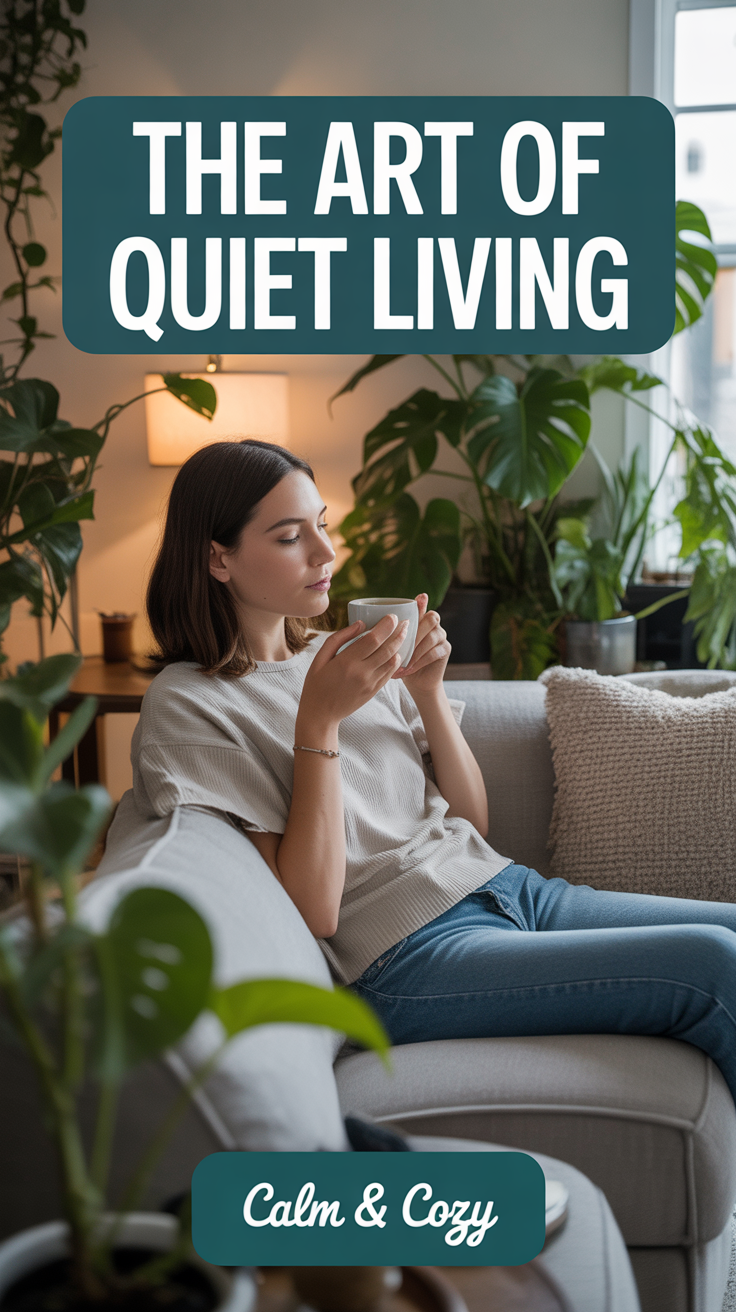
You don’t need a cabin in the woods to live quietly. You need choices that protect your energy, your time, and your attention. Quiet living isn’t silence; it’s clarity.
It’s designing a life that leaves you breathing easier—and actually liking your days.
Redefine “Quiet” So It Actually Fits Your Life

Quiet living doesn’t mean you ghost everyone and move off-grid. It means you choose fewer, better inputs—less noise, more intention. You design routines that feel calm, not boring.
You prune obligations that drain you. Try these quick reframes:
- Quiet is not isolation; it’s selectivity.
- Quiet is saying “not now” without guilt.
- Quiet is building a life that doesn’t need a vacation every five minutes.
Pick a theme for your season
Don’t fix your whole life at once. Choose a theme for the next 60-90 days: “restore,” “focus,” or “slow mornings.” Let that theme decide what gets a yes and what gets the gentle no. IMO, themes beat resolutions because they guide without nagging.
Design Your Days Like a Calm Architect
You don’t stumble into a peaceful day.
You plan it—loosely, like a chill blueprint. Give your day structure and you’ll stop firefighting by noon. Build a calm day with three anchors:
- Start slow: One ritual for you before screens—tea outside, journaling, a 10-minute walk. Make it repeatable and low effort.
- Midday reset: A 15-minute pause to breathe, stretch, or step outside.
Set a daily alarm. Yes, like a toddler nap, but for your nervous system.
- Gentle shutdown: Pick a time you stop “input.” Dim lights, wash dishes, lay out tomorrow’s clothes. Your future self will write you a thank-you note.
The two-list method
Split your tasks into two lists: Must (3 items max) and Nice (unlimited, but let’s be real).
Finish the Must list, then cherry-pick from Nice. You’ll feel done earlier and your brain won’t spiral.
Declutter the Invisible Stuff First
Everyone jumps to closets. Cool.
But the real chaos hides in your calendar, your notifications, and that group chat that won’t stop sending memes at 2 a.m. Start with a one-hour “quiet audit”:
- Calendar: Delete recurring meetings you don’t need. Move the rest to fewer days so you get actual focus blocks.
- Notifications: Turn off everything except calls from VIPs and time-sensitive apps. FYI, you don’t need a notification for “Likes.”
- Subscriptions: Unsubscribe from emails you never open.
Use a filter to auto-archive promos.
- Digital spaces: Mute group threads after 9 p.m. No one needs your hot take at midnight.
Then tackle physical clutter
Work in micro-zones and sprints:
- Pick one drawer, one shelf, or one surface.
- Set a 15-minute timer. Sort into keep, relocate, donate, trash.
- Stop when the timer ends.
Progress, not punishment.
Strong opinion: If you don’t use it or love it, it’s rent-free chaos. Let it go.
Curate Your Inputs Like a Snobby DJ
You can’t feel calm if you feed your brain loud, frantic content all day. Choose inputs that lift your baseline mood and focus. Create a “calm feed” menu:
- Sound: Play nature sounds, lo-fi, or soft jazz during work.
Save the hype playlist for workouts.
- Visuals: Keep one clean surface where your eyes can rest. Add plants. Open the blinds.
Captive sunlight > clutter.
- Info: Pick two news windows daily. Not doomscrolling every hour. You’ll still know what matters.
- Social: Follow creators who inspire, not spike your cortisol.
Mute the rest, no drama required.
Create a “calm kit”
Put a small tray or bag with your go-to reset tools:
- Noise-cancelling earbuds or foam earplugs
- Breath mint or herbal tea packet (tiny rituals = big resets)
- Notebook and pen
- Lavender oil or hand lotion
When stress hits, you don’t think—you grab the kit.
Protect Your Energy With Boundaries That Don’t Suck
Boundaries make quiet possible. They also make you more pleasant, ironically. Try these scripts:
- “I can’t make that, but try me next month.”
- “I’m not available after 6. Let’s pick a time tomorrow.”
- “I don’t do last-minute weekends.
If you plan ahead, I’m in.”
Set capacity, not excuses
Say what you can do, not why you can’t:
- “I have room for one new project this quarter.”
- “I can review two pages, not the entire deck.”
People respect clarity. Also, you’ll respect yourself.
Make Your Home Quiet Without Spending a Fortune
You don’t need fancy everything. You need intentional zones. Focus on three zones:
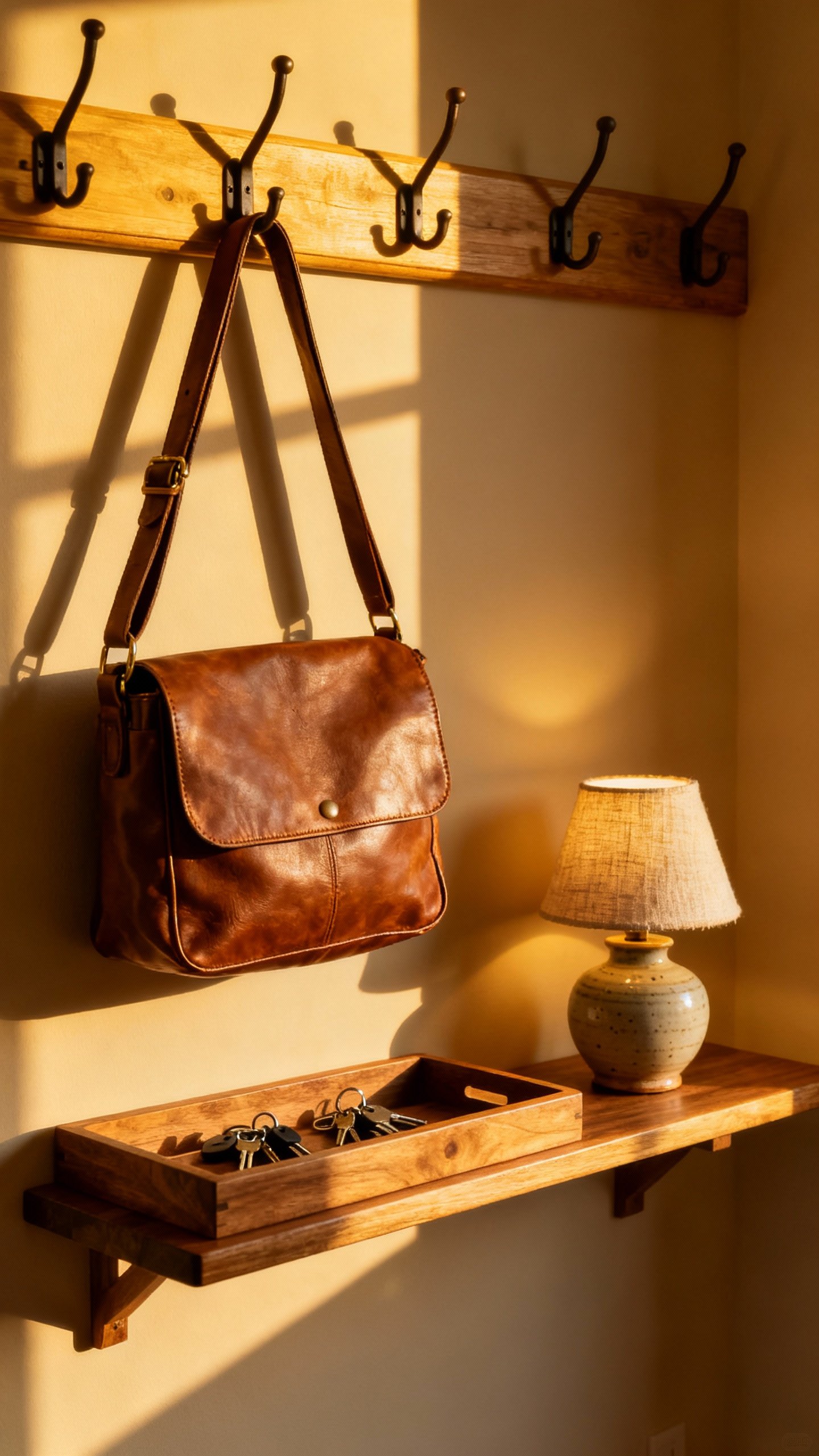
- Entry calm: Hooks for bags, tray for keys, small lamp.
If your entry is chaos, your evening starts in chaos.
- Work nook: One clear surface, comfortable chair, lamp at eye level, cheap plant. Hide cables. You’ll work better and finish faster.
- Sleep sanctuary: Dark room, cool temp, no doomscrolling.
Put your charger across the room. Yes, you’ll survive.
Low-cost upgrades that punch above their weight
- Warm bulbs (2700K) for evenings
- Blackout curtains or a sleep mask
- Soft rug where you stand the most (kitchen sink, desk)
- White noise fan for the bedroom
Move Your Body Like You Actually Like It
Quiet living isn’t just mental. Your body carries your stress receipts.
Burn them. Keep it simple:
- Morning: 10-minute walk or stretch. No phone.
- Daytime: Two movement snacks—squats, stairs, or mobility flow.
- Evening: Gentle yoga or a stroll. Talk to yourself like a friend, not a coach from a sports movie.
IMO, consistency beats intensity.
Always.
Rituals That Make Ordinary Days Feel Luxurious
Luxury isn’t price; it’s presence. Create tiny moments that slow time. Ritual ideas to steal:
- Make tea in a favorite mug with both hands around it. Yes, the mug matters.
- Light a candle before reading, blow it out when you’re done.
Start/stop cue for your brain.
- Five lines of journaling: What I noticed, what I needed, what I’ll try tomorrow.
- Sunday hour: prep snacks, tidy a hotspot, choose outfits. Future-you loves Superhost You.
FAQ
Do I need to quit social media to live quietly?
Nope. Curate it.
Mute, unfollow, and set usage windows. Keep the creators who make you feel energized, not inferior. If it still spikes anxiety, take a 7-day reset and reassess.
What if my job is loud and chaotic?
Control the edges.
Guard your mornings and evenings, and insert micro-resets during the day. Noise-cancelling headphones, a 5-minute breath walk, and batching emails can lower chaos even in busy roles.
How do I say no without feeling rude?
Lead with appreciation, state your boundary, offer an alternative if you want. Example: “Thanks for thinking of me.
I’m at capacity this week. If it helps, I can review next Tuesday.” Clear beats apologetic every time.
Is quiet living boring?
Not if you design it with texture. You’re trading frantic for flavorful.
Add play—board games, sketching, cooking, slow travel, friend dinners. The absence of noise makes room for depth.
What’s the fastest way to start?
Pick one: turn off 80% of notifications, create a 10-minute morning ritual, or clean one surface daily for a week. Small wins stack.
Momentum is the quiet person’s best friend.
How do I get my family on board?
Model it first. Invite, don’t demand. Create shared rituals—screen-free dinner, Sunday walk, five-minute tidy race.
Show the benefits and people follow.
Conclusion
Quiet living is an art, not a rulebook. You edit, you experiment, you keep what works. Start with a theme, protect your energy, and curate your inputs like a pro.
Give it 30 days and see how your shoulders drop, your sleep deepens, and your calendar finally stops yelling. Calm is a choice—and you get to make it daily.