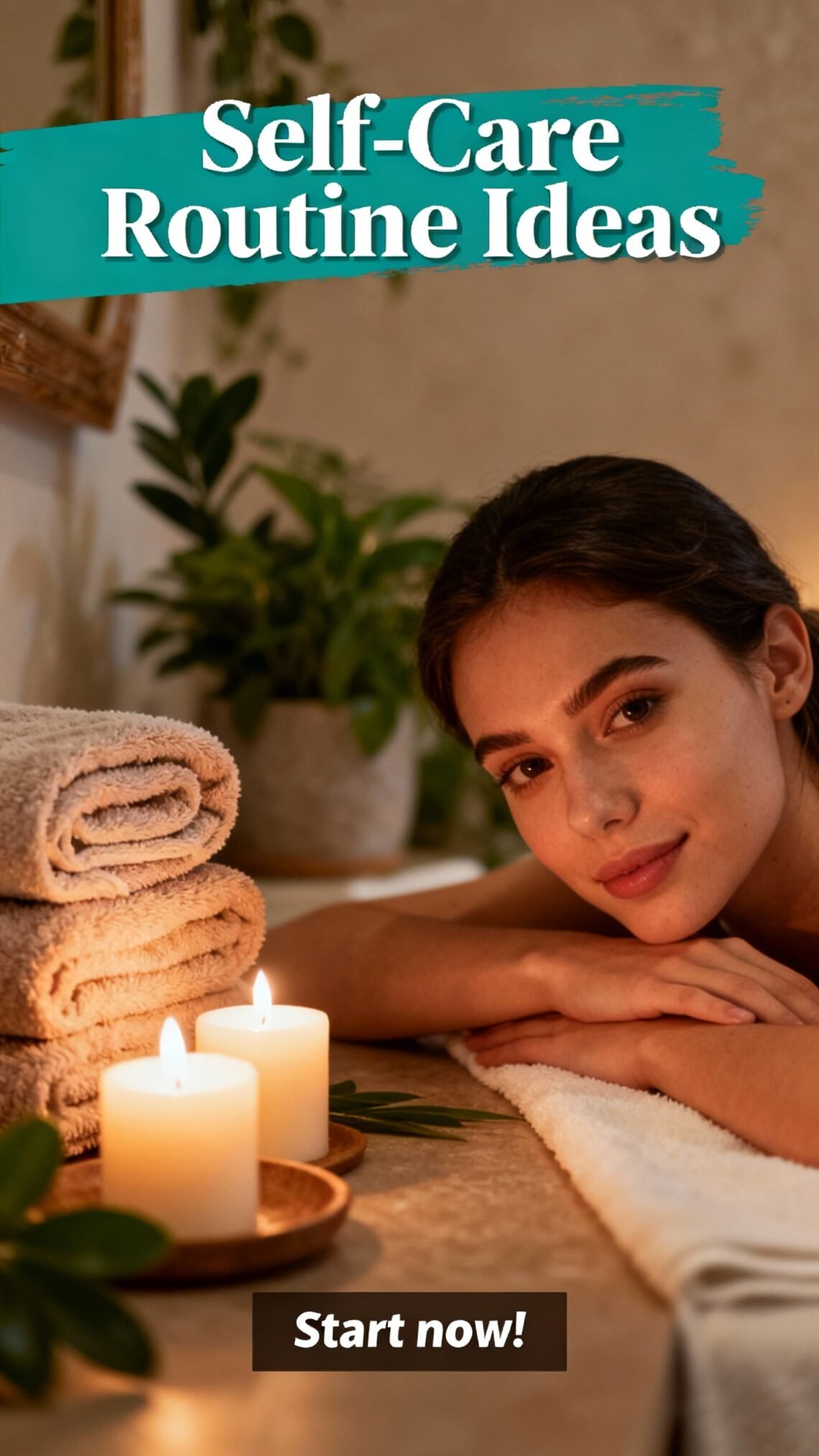
You’ve tried the bubble-bath-and-journal routine and still felt… meh. Self care shouldn’t feel like another item on your to-do list, and yet here we are, staring at a checklist that looks like homework. Let’s fix that.
We’ll build a self care routine that feels supportive, realistic, and—dare I say—fun. No guilt. No gold stars.
Just things that help you feel more like you.
Start With What Actually Helps, Not What Looks Good

Trendy doesn’t equal helpful. You don’t have to cold plunge at dawn or light a $45 candle to “do self care right.” Ask yourself one simple question: What leaves me feeling better afterward—physically, mentally, or emotionally? Make a quick list. Keep it messy.
Think:
- Small body resets: a brisk walk, stretching, three deep breaths
- Mind resets: reading two pages, journaling one sentence, guided meditation
- Joy hits: playlist dance break, texting a friend, cooking a comfort meal
- Admin care: ordering meds, booking a check-up, unsubscribing from 12 spam emails
If something drains you, it’s not self care. It’s performative. Hard pass.
Build Routines Around Your Energy, Not Your Calendar
You don’t need 60 minutes.
You need alignment. Match actions to energy levels so you stop forcing yourself to do yoga when your brain wants a couch.
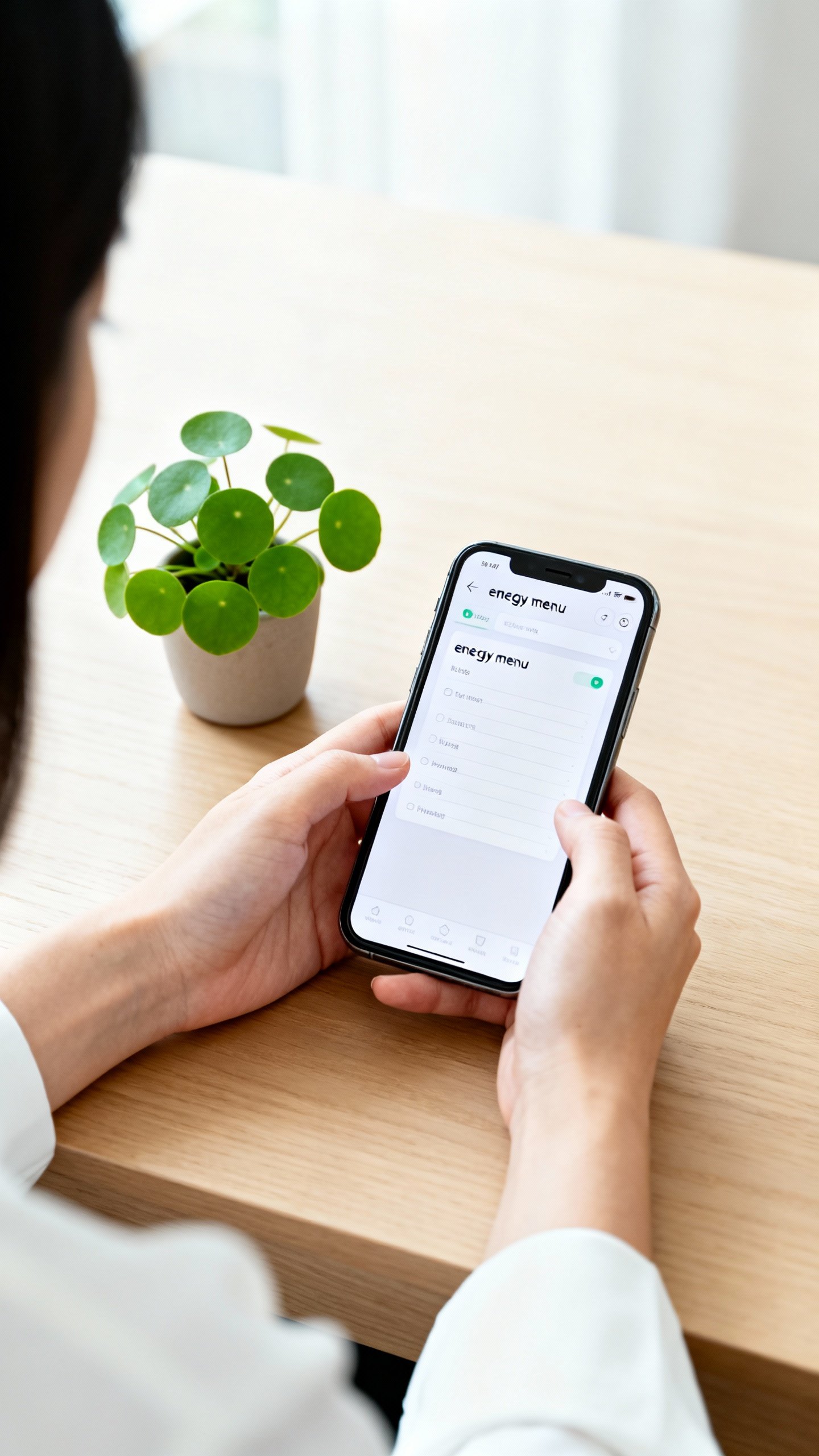
Create a “menu” by energy level
- Low energy (running on fumes): lie on the floor for 3 minutes, sip water, step outside for 5 breaths, shower, watch a comfort show
- Medium energy: 15-minute walk, light chores, journal 5 lines, call a friend
- High energy: workout, meal prep, deep clean, plan the week
Put this menu on your phone’s notes app. When you feel stuck, pick from the section that matches your battery level. FYI, giving yourself fewer choices makes follow-through easier.
Make It Stupid-Easy to Start
We procrastinate because tasks feel bigger than they are.
Shrink the friction. Your only job: make the first step so small it feels like cheating.
Use 2-minute anchors
- Roll out your yoga mat. Sit on it. Do one pose.
Done.
- Fill a glass of water before coffee.
- Open a book and read two pages.
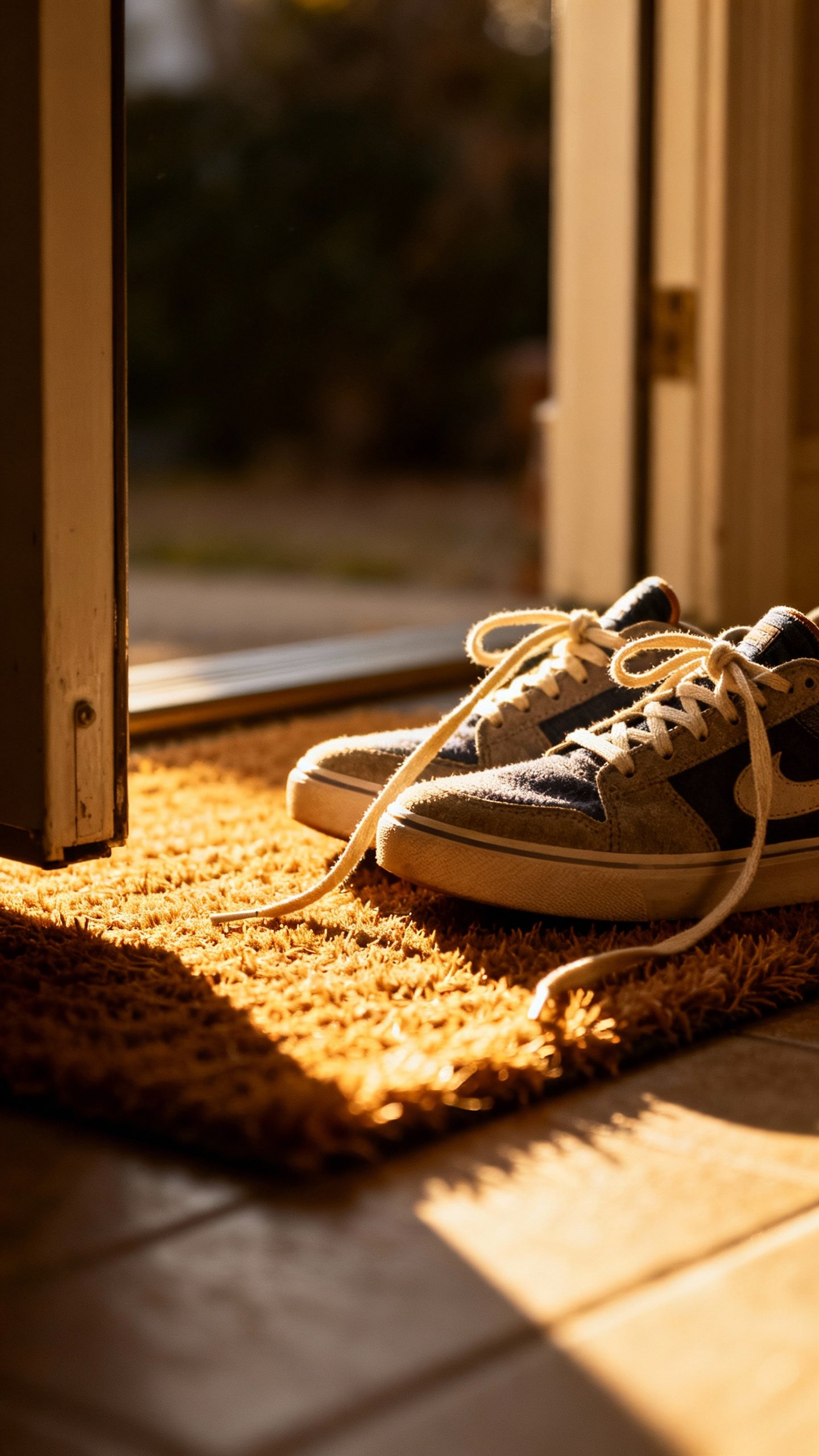
- Put on sneakers. Step outside for 60 seconds.
Momentum does the heavy lifting. If you keep going, great.
If not, you still did the thing. IMO, confidence grows when you keep promises to yourself, even tiny ones.
Bundle Self Care Into What You Already Do
You don’t need extra hours. You need “habit stacking,” which is a fancy way to say attach one tiny care action to a routine you already have.
Simple habit stacks
- While you brush your teeth: practice 10 deep breaths
- After your morning coffee: stretch your neck and shoulders for 2 minutes
- Before lunch: step outside and feel daylight on your face
- When you open your laptop: start a focus playlist and silence notifications for 25 minutes
You weave care into your life instead of rearranging your life around care.
That’s the vibe.
Design for Delight, Not Discipline
If it feels like punishment, you’ll ghost it. Make your self care routine feel cozy, playful, or slightly luxurious—with minimal effort.
Make it attractive
- Environment: tidy one small area you use often (nightstand, desk), add a plant or candle
- Tools you love: a soft throw, a great pen, a yoga app you don’t hate
- Ritual cues: one song you only play when you journal or stretch
Consider “treat swaps.” Replace doom scrolling with a soothing podcast, or use a fancy mug for evening tea. Tiny upgrades make routines feel like rewards, not chores.
Plan Like a Human, Not a Robot
You won’t nail it every day.
That’s normal. Plan for imperfect follow-through so you stop quitting when life gets messy.
The 3-2-1 weekly rhythm
- 3 simple daily anchors (water, daylight, movement)
- 2 medium actions per week (workout, social connection, therapy session, meal prep)
- 1 solid reset (long walk, deep clean, unplugged afternoon)
Schedule the medium and reset items loosely. If you miss one, roll it forward. No guilt.
You’re building a rhythm, not a record.
Track Feelings, Not Perfection
You don’t need a 40-box tracker to prove you care about yourself. Try this instead: track how you feel after each action with a quick note.
Keep a 10-second “after log”
- “Walked 10 min → calmer, less foggy”
- “Journaled 3 lines → clearer about that convo”
- “Skipped workout → still okay, needed sleep”
Patterns emerge. You’ll double down on what works and release the stuff that doesn’t.
Data, but make it compassionate.
Set Boundaries Like It’s Self Care (Because It Is)
If you never protect your time and energy, your routine will always get bumped. Boundaries are the backbone of sustainable self care.
Try these scripts
- “I’m heads down from 12–1. Can we talk after?”
- “I can’t make that, but I’m free next week.”
- “I need to log off at 6 tonight.”
Use a calendar block for “Focus/Walk/Reset.” People respect what you respect. And yes, that includes you.
FAQ
How much time should I spend on self care daily?
Aim for 10–20 minutes split into tiny chunks.
Two minutes here, five there. On busy days, keep just one anchor (water + daylight). Consistency beats intensity.
What if I find self care boring?
Spice it up.
Change locations, add music, invite a friend, try new tools, or switch formats (voice journal instead of writing). If it still bores you, choose different actions. You’re not married to stretch videos.
Can I count chores as self care?
Some, yes. If the result makes your life easier and your future self grateful, it counts. Think: laundry, meal prep, budgeting.
Just balance it with restorative stuff so your routine doesn’t become “cleaning forever.”
How do I stick with it when I lose motivation?
Lower the bar. Use 2-minute versions, stack them onto existing habits, and revisit your “after log.” Motivation follows action. Also, sleep and hydration help more than you think.
IMO, most “motivation problems” are “sleep and water problems.”
Is scrolling TikTok self care?
Depends on how you feel afterward. If it relaxes you and doesn’t tank your mood, enjoy it within a time limit. If it leaves you drained, swap in content that actually soothes you—comedy podcasts, slow TV, or a playlist.
Do I need morning and evening routines?
Nope.
Pick one to start. Mornings feel chaotic? Build three tiny anchors there.
Evenings feel calmer? Start there instead. Progress > perfection.
Conclusion
Self care shouldn’t audition for an Instagram reel.
Keep it simple, personal, and flexible. Build around your energy, make it easy to start, and track how it feels—not how it looks. When your routine supports real life instead of competing with it, it stops feeling like a chore and starts feeling like relief.
FYI: that’s the point.