Your brain feels like 47 tabs open, three frozen, and the music is still playing somewhere, right? Let’s fix that. Sound healing tracks can smooth the static in your head, help you restart your life and make your nervous system stop screaming.
Think of them as sonic chamomile tea—minus the teabag and the regrets.
Why Sound Healing Actually Works (And Isn’t Just Vibes)
Sound healing tracks use specific frequencies, rhythms, and textures to guide your brain and body into calmer states. Your brain loves patterns. When it hears steady pulses or soothing harmonics, it shifts gears to match them.
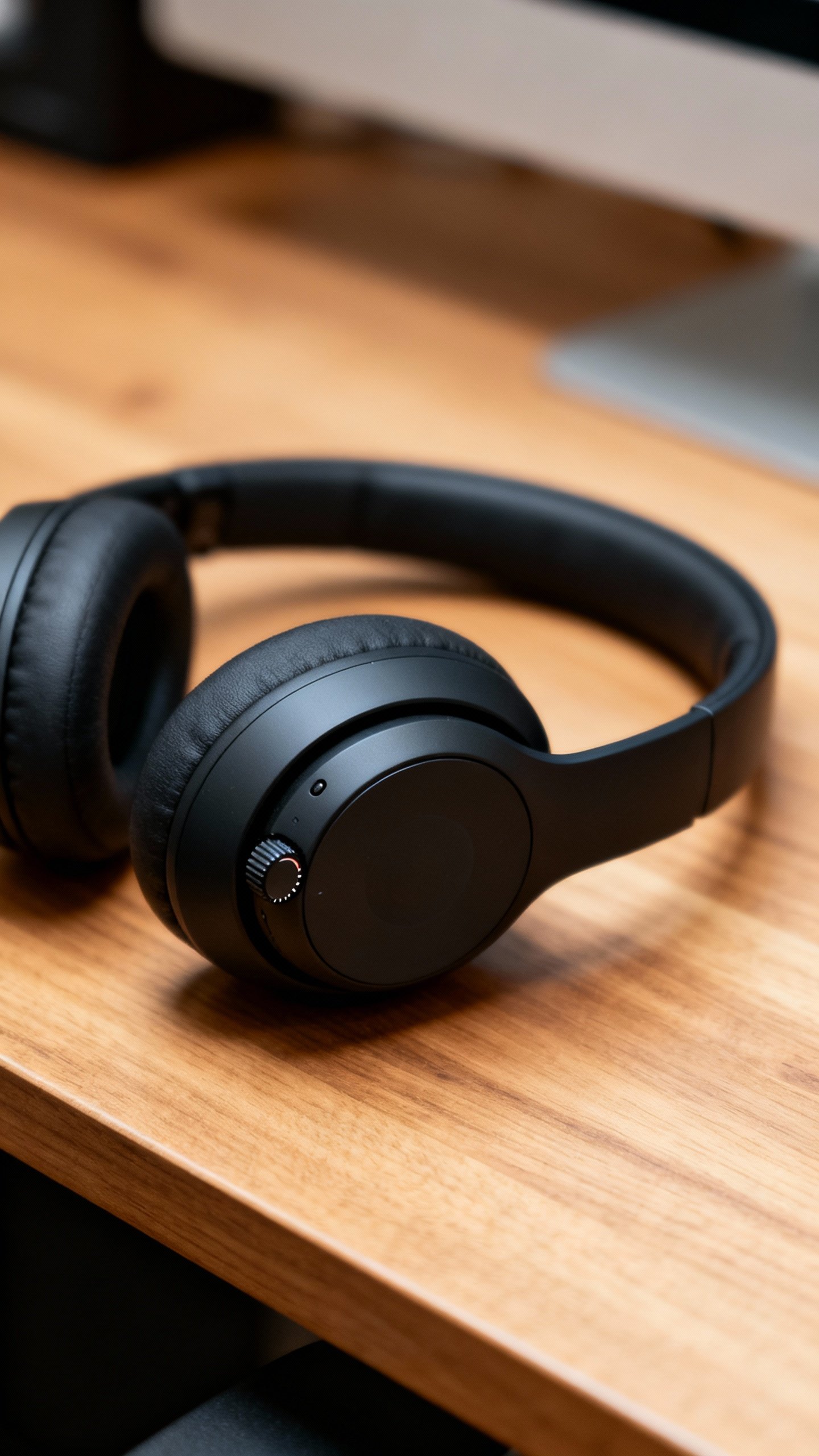
That process has a name: entrainment. You don’t need a PhD to enjoy this. You just need a decent pair of headphones and a willingness to breathe.
Different types of tracks target different outcomes—focus, sleep, stress relief, creative flow. Ready to pick your potion?
Know Your Sound Tools: The Main Types of Tracks
Binaural Beats
Binaural beats play slightly different tones in each ear to create a “third” tone your brain perceives. You must use headphones for these to work.
Common ranges:
- Delta (0.5–4 Hz): deep sleep, restoration
- Theta (4–8 Hz): meditation, creativity, emotional release
- Alpha (8–12 Hz): calm focus, light relaxation
- Beta (12–30 Hz): alertness, productivity (use sparingly, or hello jitters)
Best for: Meditation, anxiety relief, and deep work when you choose Alpha.
Isochronic Tones
These are single tones pulsed on and off at set intervals. No headphones required (though they help). They feel more “mechanical,” which some people love. Best for: Timed focus sprints and consistent energy without coffee-level chaos.
Solfeggio Frequencies
A set of tones often used in sound healing lore.
People attribute different emotional effects:
- 396 Hz: release fear and guilt
- 417 Hz: positive change, letting go
- 528 Hz: “love” frequency, heart-opening vibes
- 639 Hz: relationships, empathy
Scientific debate aside, many listeners report real benefits. IMO, test and trust your body.
Nature Soundscapes
Rain, ocean waves, wind through trees, crackling fireplaces—these activate your parasympathetic nervous system. Translation: your mind stops doomscrolling. Best for: Decompressing after work, bedtime transitions, and when you need to feel like a cottagecore protagonist.
Build Your Reset: Playlists That Actually Help
You don’t need a 3-hour ambient opera to feel better.
Start small and stack the effects.
15-Minute Micro Reset
- Minutes 0–3: Breath-paced track at 6 breaths per minute (search “coherent breathing music”).
- Minutes 3–12: Alpha binaural beats with soft pads or piano.
- Minutes 12–15: Nature soundscape (rain or ocean) to seal the calm.
When to use: Between meetings, after spicy emails, or pre-social events.
60-Minute Deep Reset
- Phase 1 (0–10 min): Isochronic tones ramping from Beta to Alpha to downshift.
- Phase 2 (10–45 min): Theta binaural beats with minimal melody; eyes closed, slow breathing.
- Phase 3 (45–60 min): 528 Hz Solfeggio over gentle drones, then silence for a minute.
When to use: Post-burnout mornings or Sunday-night scaries. FYI: You might cry. That’s allowed.
Sleep Reset (30–90 Minutes)
- Warm-up: 639 Hz with soft strings for emotional soothe.
- Main: Delta binaural beats at low volume.
- Optional: Heavy rain or brown noise to mask city chaos.
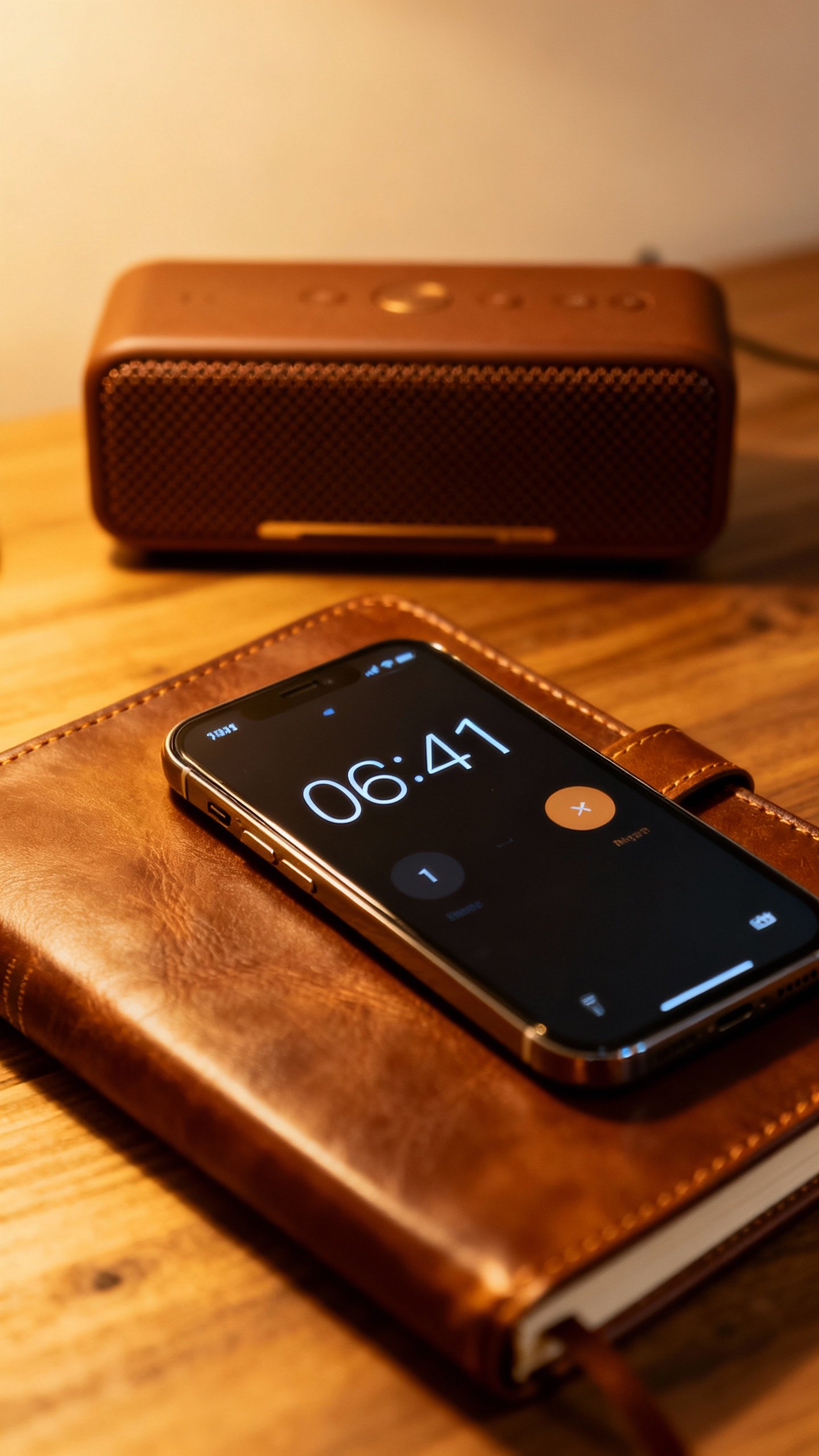
Set a timer so your device doesn’t ping at 2:14 a.m. because someone liked your sandwich photo.
How to Listen: Setup That Makes a Difference
You could just hit play, but tiny tweaks amplify the effects.
- Headphones: Closed-back for isolation; avoid noise-canceling if it creates pressure discomfort.
- Volume: Keep it low-medium.If your brain strains to hear, you’ll fatigue faster.
- Posture: Sit or lie down with shoulders dropped. Unclench your jaw—yes, now.
- Breath: Inhale 4, exhale 6. Longer exhales tell your nervous system, “We’re safe.”
- Eyes: Closed or soft gaze.No multitasking. Your emails can wait 15 minutes.
Quick Grounding Routine
Try this during the first minute:
- Feel your feet. Press them gently into the floor or bed.
- Scan your body from forehead to toes.Drop tension by 10% in each area.
- Name three sensations: temperature, weight, sound. You’re here now.
My Go-To Track Types (And When I Use Them)
– Alpha binaural + rain for mellow, focused writing. Feels like a library with better lighting. – Theta with flutes when I need emotional clarity or a creativity unlock. – 528 Hz layered in ambient pads on low volume while journaling.
IMO, it makes insights land softer. – Brown noise for flights and noisy cafes—it’s like audio bubble wrap. – Delta + ocean for naps. Set a 25–30 minute timer to avoid grog-monster wakeups.
Common Mistakes That Ruin the Reset
- Chasing volume: Louder doesn’t mean better. Lower volume keeps the nervous system calm.
- Picking busy music: Lyrics or dramatic melodies hijack attention.Choose minimal textures.
- Switching tracks constantly: Your brain can’t entrain if you keep channel surfing.
- Skipping a wind-down: After a deep session, spend 1–2 minutes in silence before jumping back into chaos.
- Expecting magic instantly: Give each track at least 10 minutes. Brains need time to shift gears.
Finding Quality Tracks Without the Needle-in-Haystack Drama
Look for creators who:
- Disclose frequencies and intent (e.g., “Theta 6 Hz, 30 minutes”).
- Keep mixes clean with gentle high-end and no sudden volume jumps.
- Offer headphone vs speaker guidance (vital for binaural beats).
- Include chapter markers for long sessions so you can jump phases.
Pro tip: Save 3–5 favorite tracks in a “Reset” playlist so you don’t decision-fatigue yourself into doomscrolling instead.
FAQ
How long should I listen to feel a difference?
Most people feel calmer within 5–10 minutes, especially with Alpha or nature textures. For deeper releases (Theta/Delta), aim for 20–45 minutes.
Consistency matters more than heroic marathon sessions.
Do I need headphones for sound healing?
For binaural beats, yes—headphones are non-negotiable. For isochronic tones, Solfeggio layers, and nature sounds, speakers work fine, though headphones usually feel more immersive.
Is there any risk to using these tracks?
Keep volume moderate and avoid heavy Theta/Delta if you need to drive or do complex tasks right after. If you have a history of seizures or strong auditory sensitivity, consult a clinician.
Otherwise, it’s generally safe and chill.
Can I use sound healing for focus at work?
Absolutely. Stick to Alpha or gentle isochronic tones, no vocals, and low volume. Try 50-minute blocks with 10-minute breaks.
Add brown noise if your office sounds like a blender.
What if I feel emotional during a session?
Totally normal. Sound can unlock stored tension. Let it move through—slow your breath, place a hand on your chest, and give yourself a minute after the track ends.
FYI, hydration helps more than you think.
Will this replace meditation?
It can support meditation or act as training wheels. Some days it’s easier to let sound guide your brain than to wrangle thoughts solo. Use what works; dogma is optional.
Conclusion
You don’t need a weekend retreat or a singing bowl collection to reset your mind.
You just need the right sounds, a few minutes, and a tiny bit of intention. Start with a short Alpha track, add some rain, breathe slower, and let the static fade. Your nervous system will thank you—and your to-do list won’t stand a chance.
IMO, that’s a win.