You know that loud, messy conversation in your head about carbs, calories, and “being good”? Let’s mute it. Intuitive eating helps you get back to the basics: hunger, satisfaction, and trust.
No more spreadsheets for lunch. Just you, your body, and a little curiosity. Ready to ditch the food noise and eat without guilt?
What Intuitive Eating Actually Means (No, It’s Not “Eat Cake Forever”)

Intuitive eating is a framework that helps you reconnect with your body’s cues instead of outsourcing decisions to diet rules.
You listen to hunger, honor fullness, and choose foods that feel good physically and emotionally. No “good” vs “bad” labels. No “start-over Monday” energy.
It’s not chaos or indulgence 24/7. It’s permission plus responsibility. You can enjoy brownies and also crave a crisp salad. You can stop when you feel satisfied instead of finishing the plate “because macros.”
Step One: Break Up With Diet Rules (Kindly but Firmly)
Let’s name the problem: rigid rules turn eating into a morality test.
And when you break a rule? Hello, guilt spiral, hello overeating. You don’t need that drama.
Try this:
- Identify “food rules” you follow. Examples: “No eating after 7 PM,” “Bread is bad,” “Sugar ruins everything.” Write them down.
- Replace each rule with a flexible guideline. Example: “I eat when I’m hungry and stop when I’m satisfied.”
- Practice neutrality. Food equals food. Not a personality trait.
FYI: Flexibility Beats Perfection
Your body is not a robot.
Hunger changes daily. Plans change. If you need structure, cool—just keep it soft, not strict.
Hunger and Fullness: Your Built-In GPS
No app knows your body better than you.
Hunger and fullness operate like a scale. The trick? Tune in before you’re starving and check in before you’re stuffed.
Try the 1–10 scale:
- 1–2: Ravenous. You’d eat the table.
- 3–4: Comfortably hungry. Ideal time to start eating.
- 5–6: Satisfied.
Pause and assess.
- 7–8: Full. You can stop here.
- 9–10: Overstuffed. Napping under desk imminent.
Mini Check-Ins That Take 10 Seconds
– Before you eat: “Where am I on the scale?
What sounds good?” – Mid-meal: “Do I still want this? Would a few more bites feel nice or heavy?” – Afterward: “How do I feel? Energized, blah, or sleepy?”
Make Peace With All Foods (Yes, Including Pizza)
When you restrict a food, it grips your brain like a cliffhanger.
When you allow it, the novelty fades and you can actually taste it. That’s the goal. Use these steps:
- Choose one “forbidden” food and bring it home.
- Eat it without distractions at a calm time.
Savor it.
- Notice satisfaction: flavor, texture, how your body feels after.
- Repeat until the panic fades. Scarcity creates obsession; access creates ease.
But What If I Lose Control?
Totally normal at first. Your body tests the new rules to see if the permission is real.
Keep showing up with curiosity, not judgment. That’s how urgency drops and trust grows.

Satisfaction: The Missing Macro
You can eat the “perfect” meal and still prowl the kitchen 30 minutes later. Why?
You skipped satisfaction. You need foods that taste good, feel good, and keep you full. Consider:
- Flavor: Sweet, salty, crunchy, creamy—what hits today?
- Function: Protein for staying power, carbs for energy, fat for satisfaction, fiber for fullness.
- Context: Cold salad in winter?
Hard sell. Warm soup wins.
Build a Satisfying Plate (IMO, the chill way)
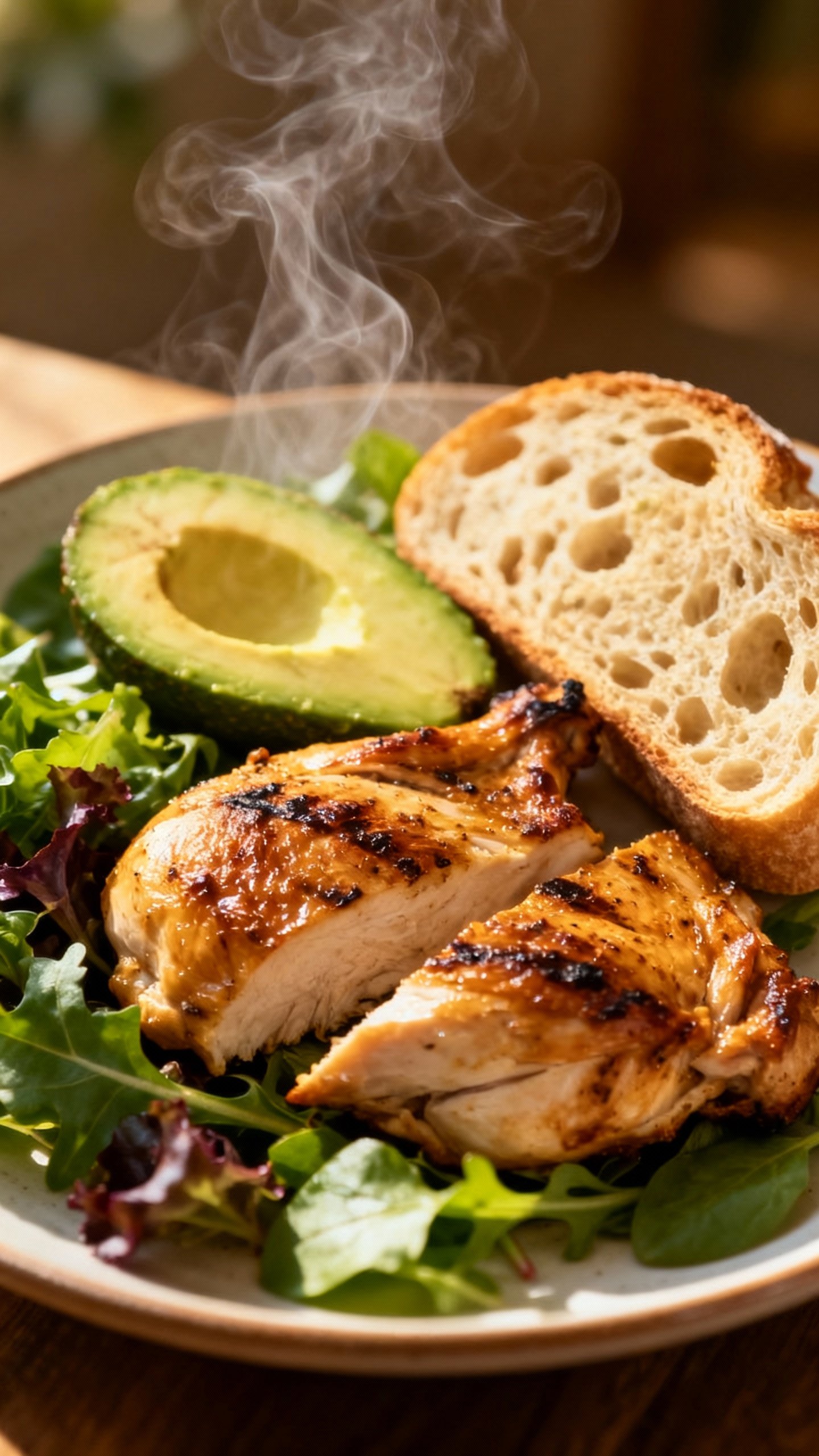
– Pick a protein you like. – Add a carb you enjoy. – Include fat for flavor (cheese, avocado, dressing). – Throw in something fresh or crunchy. – Season it. Bland food makes rebellion inevitable.
Handle Emotions Without Raiding the Pantry
Food helps feelings.
It soothes and celebrates. That’s okay. But if it’s your only tool, everything becomes a snack.
Start a mini toolkit:
- Stress: 5 deep breaths, 3-minute walk, vent to a friend.
- Boredom: Change locations, put on music, do a 10-minute task.
- Loneliness: Text someone, step outside, plan a micro-connection.
If you still want the cookie after that? Have the cookie—now as a choice, not a reflex.
Body Respect Beats Body War
You can’t hate yourself into peace. Treat your body like a partner, not a project.
That means basic care even when body image wobbles. Try:
- Wear clothes that fit now. Not “when I lose X pounds.”
- Move in ways you enjoy. Dancing counts. So does strolling with a podcast.
- Sleep like it matters. Because it does.
- Curate your feed. Unfollow what spikes body anxiety.
Fill it with diverse, real bodies.
Movement Without Punishment
Exercise doesn’t “earn” food. It boosts mood, sleep, and appetite regulation. Choose intensity that leaves you energized, not wrecked.
If a workout makes you dread tomorrow, it’s too much.
Practical Tips To Quiet Food Noise Fast
– Keep a snack trio handy: protein + carb + fat (yogurt + granola + nuts; cheese + crackers + apple). – Create “enoughness” at home: Stock foods you love so scarcity doesn’t boss you around. – Eat earlier than you think: Waiting until you’re starving makes mindful choices impossible. – Use the 80% pause: When you feel ~80% full, pause. Breathe. Decide intentionally. – Plan loosely: Sketch meals for the day, but pivot guilt-free.
Structure with wiggle room beats chaos.
Common Pitfalls (And How To Dodge Them)
– Turning intuitive eating into a diet. If you catch yourself saying “I can only eat when hungry,” soften it. Sometimes you eat because lunch break exists. Totally fine. – Expecting instant results. Undoing years of rules takes reps.
Progress > perfection. – Relying on willpower. Set up your environment instead. Put snacks where you can see them, prep tasty options, keep water nearby. – Judging your hunger. You don’t need to “earn” food. You need to eat.
FAQ
Can intuitive eating help with weight loss?
Intuitive eating focuses on behaviors, not the scale.
Your weight may go down, up, or stabilize. The goal: a calmer relationship with food and body. When you eat with awareness, many folks notice steadier energy, less bingeing, and more satisfaction—regardless of weight changes.
What if I never feel hungry?
This happens if you’ve dieted a lot, drink tons of caffeine, or feel stressed.
Start with gentle structure: eat balanced meals every 3–4 hours and watch for subtle cues—stomach emptiness, irritability, fatigue. Hunger signals get louder once your body trusts you’ll feed it regularly.
Is intuitive eating just “eat whatever you want”?
It’s “eat what you want and what feels good.” Both matter. Sometimes that’s fries.
Sometimes it’s a veggie-packed bowl. You consider taste and how you feel after. Permission and wisdom—team effort.
How do I stop overeating at night?
Eat enough during the day (especially protein and carbs), add an afternoon snack, and de-stress before dinner.
At night, create a cozy ritual—tea, show, book—so food isn’t the only fun thing. If you still want a snack, choose one you enjoy and portion it on a plate. Guilt-free, intentional.
Can athletes or busy professionals eat intuitively?
Yes—with nuance.
Training schedules and meetings require planning. Combine internal cues with practical choices: pre-fuel, post-fuel, and strategic snacks. Intuition plus logistics wins.
IMO, this hybrid approach feels the most sustainable.
Do I need a professional to learn this?
Not required, but it helps if you feel stuck. A non-diet dietitian or therapist can guide you through tricky spots like emotional eating, body image, or medical conditions. Think of it as coaching for your relationship with food.
Wrap-Up: Quiet the Noise, Turn Up the Trust
You don’t need another rule.
You need permission, practice, and patience. Start small: notice hunger, choose satisfying meals, pause at fullness, and let all foods exist. The food noise fades when you show your body you’re listening.
And when in doubt? Breathe, take a bite you genuinely want, and keep it moving. IMO, that’s the kind of freedom worth practicing.