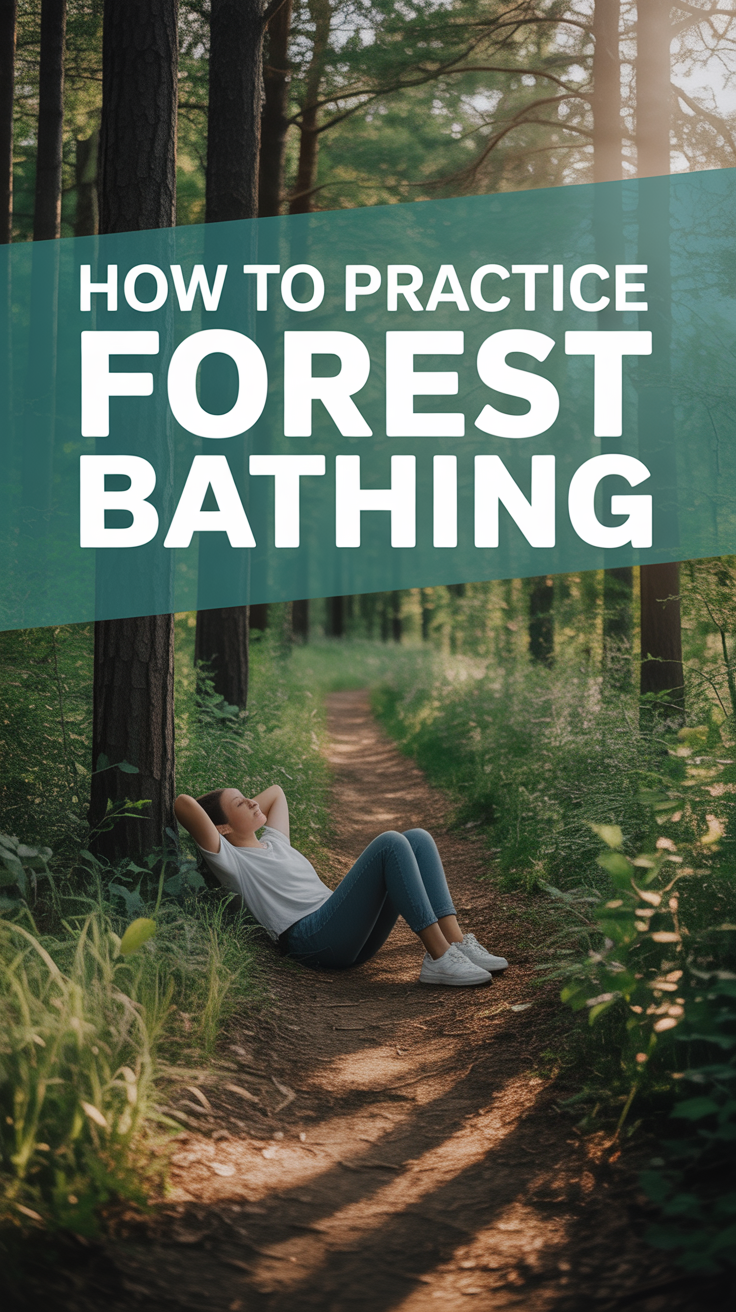
You don’t need a plane ticket to Japan to practice shinrin-yoku. You just need a park, a bit of time, and the willingness to slow down without feeling weird about it. Forest bathing isn’t exercise, and it’s not hiking.
It’s the art of doing less on purpose—so your brain can breathe for once.
What Forest Bathing Actually Is (and Isn’t)
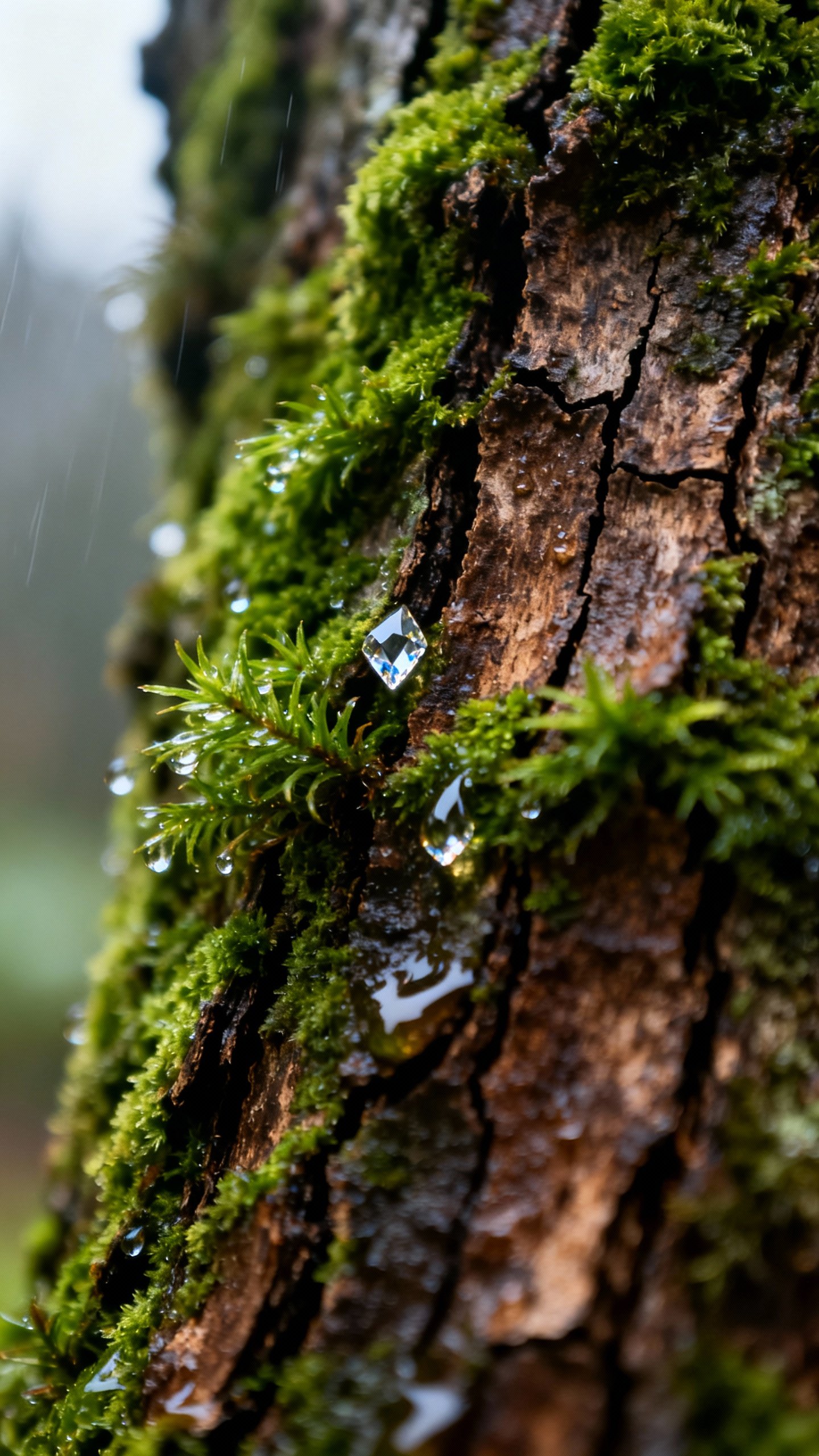
Forest bathing, or shinrin-yoku, started in Japan as a way to restore health by immersing yourself in nature. No water involved—unless you count the occasional duck pond. You use your senses to connect with the environment, and you let your nervous system downshift.
That’s it. No special gear, no secret handshake. Think of it like this: hiking chases a destination; forest bathing chases attention.
You’re not trying to “get your steps in.” You’re trying to notice the bark on a tree and the wind moving through leaves like it’s the soundtrack to your own indie film.
Find Your Spot (Even If It’s Just Three Trees and a Bench)
You can forest bathe in almost any green space. Yes, even your scrappy neighborhood park where the squirrels look like they pay taxes. What to look for:
- Trees and plants: Variety helps, but any greenery works.
- Quieter corners: Less foot traffic, fewer phones on speaker.
- Natural edges: Near a pond, along a tree line, under a canopy.
- Somewhere you feel safe: Comfort matters more than “wilderness cred.”
Timing Tips
- Early morning: Softer light, fewer people, birds doing their TED Talks.
- Late afternoon: Warmer tones, long shadows, less heat.
- Right after rain: Scents pop, colors glow, the air feels cleaner.
How To Start: The First Five Minutes
Drop expectations at the park entrance. You’re not trying to feel transcendence in minute two.
Just show up. Try this simple sequence:
- Arrive: Stand still. Feel your feet. Notice three things you can see, two you can hear, one you can feel.
- Exhale longer than you inhale: Inhale for four counts, exhale for six.
Repeat five times.
- Set a loose intention: “I’m here to notice,” or “I’ll follow my curiosity.”
That’s the gateway. If you can breathe and notice stuff, you can forest bathe. FYI, no points awarded for perfect posture.
Slow Walking: The Core Practice
You’ll feel silly at first.
Good. That means you’re doing it right. Walk slower than feels normal—then slow down a little more. Use your senses:
- Sight: Let your eyes wander.
Look for patterns: leaf veins, bark swirls, shadows on the ground.
- Sound: Pick one sound and follow it—wind, insects, distant traffic blending with birdsong.
- Smell: Notice the difference between sun-warmed pine and damp soil. After rain? Chef’s kiss.
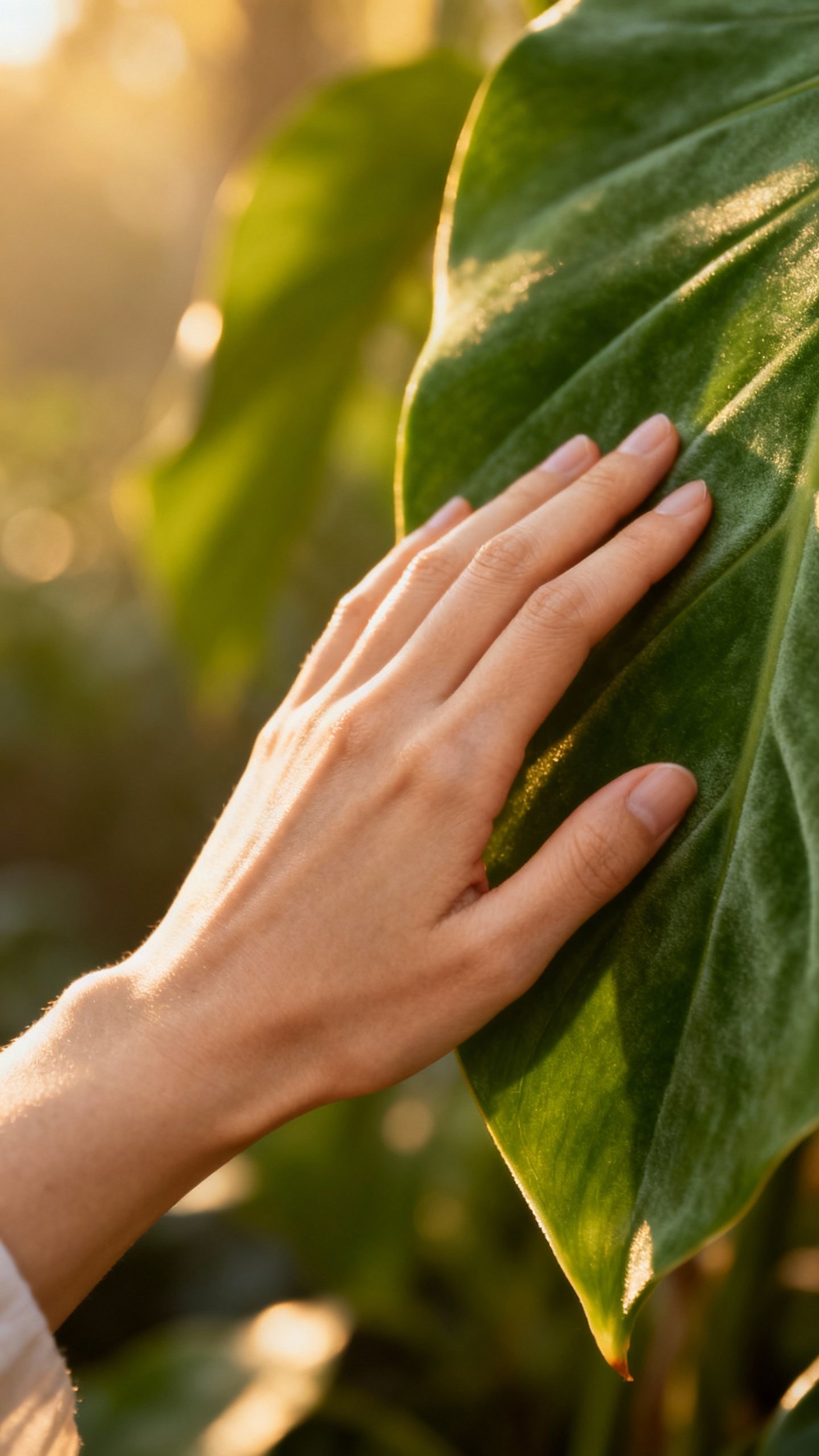
- Touch: Brush leaves gently.
Feel textures—smooth, rough, springy. Respect the plants, obviously.
Micro-Pauses
Every few minutes, stop entirely. Stand or sit.
Let the scene come to you instead of hunting for it. When your brain starts planning dinner, smile at it like a kid with sticky hands and come back to the trees.
Simple Invitations (a.k.a. Not-Quite-Activities)
Forest bathing uses “invitations” rather than tasks.
Do one or two of these; skip what doesn’t click. IMO, these keep things interesting without turning it into homework.
- Texture Hunt: Find five textures—mossy, papery, slick, brittle, velvety.
- Color Drift: Pick a color and trace everything you see in that shade for two minutes.
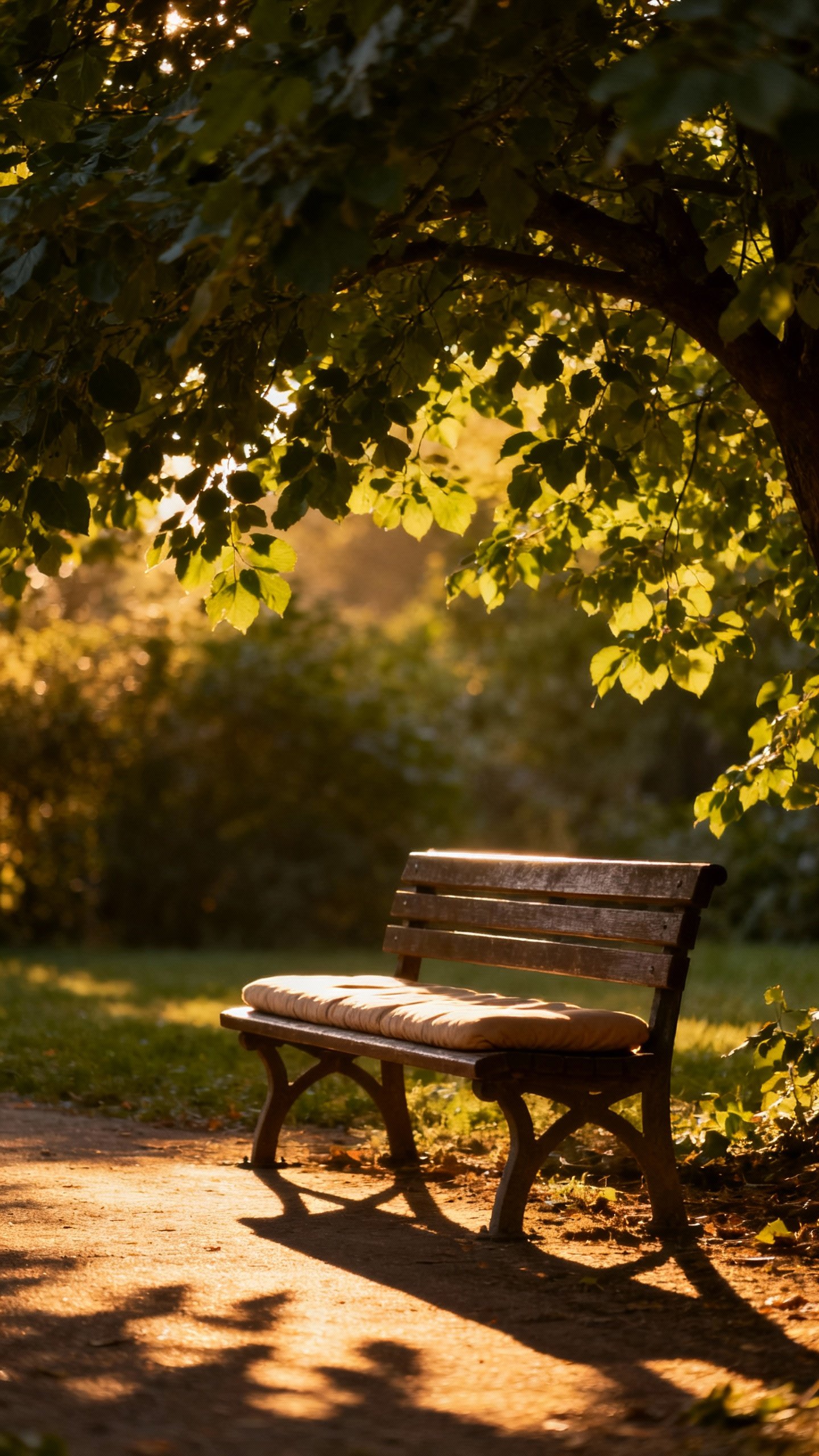
- Sit Spot: Choose a place and stay for 10–15 minutes. Watch the tiny dramas—ants, drifting seeds, light shifting.
- Cloud Listening: Look up.
Notice shapes and movement. Pretend you’re five again. Bonus points for ridiculous interpretations.
- Leaf Companions: Find a single leaf that interests you.
Carry it. Notice how often your mind wanders when you look at it.
Phone Etiquette
Put your phone on do-not-disturb. Use camera sparingly.
If you must take a photo, take one, then go back to noticing. You’re collecting moments, not content.
How Long Should You Stay?
You’ll feel benefits in 15–20 minutes. You’ll feel more in 40–60 minutes.
Start small and build. Easy formats:
- Lunch break mini-bathe: 15 minutes, one loop, one sit spot.
- Weekend session: 45–60 minutes with two or three invitations.
- Monthly reset: Longer wander, journal after, perhaps bring tea.
If you leave feeling a little lighter, mission accomplished. No need to rate your serenity on a scale of 1 to Zen.
Make It a Habit Without Forcing It
Consistency beats intensity. Show up often, not perfectly. Keep it sustainable:
- Anchor to routines: Before groceries, after the gym, during your kid’s practice.
- Dress for idle: Layers, comfy shoes, maybe a small sit pad.
Being still can feel chilly.
- Go solo or with a “quiet buddy”: Agree to minimal talking. Whisper if needed. Or don’t.
Journaling Without the Overwhelm
Afterward, jot three lines:
- One thing you noticed
- One thing you felt
- One thing you’re curious about
That’s plenty.
We’re not publishing a field guide (unless you want to, in which case carry on).
Safety, Access, and Respect
We love trees; we also love common sense. Keep yourself comfortable and the park happy.
- Safety: Let someone know where you are if it’s quiet. Bring water.
Stay aware.
- Access: Choose benches, paved paths, or shady lawns as needed. Forest bathing cares zero about “terrain cred.”
- Respect: Leave no trace. Stay on paths where required.
Don’t pick plants unless allowed.
FAQ
Do I need a forest to do this?
Nope. Any park, garden, or tree-lined street works. More greenery helps, but your attention does the heavy lifting.
Think “nature-ish” more than “remote wilderness.”
What if my park feels noisy?
Treat city sounds as part of the soundscape. Notice layers: wind, birds, cars, voices. Let sounds move past you without deciding if they’re “good” or “bad.” FYI, even studies on urban green spaces show benefits.
Can I bring my dog?
If your dog lets you slow down, sure.
If your dog treats every squirrel like a heist movie, maybe go solo sometimes. The goal is your attention, not obedience training.
Is this meditation?
Cousins, not twins. Meditation often focuses on breath or a mantra.
Forest bathing focuses on sensory experience and environment. If meditation feels heavy, this can feel lighter, IMO.
What should I wear or bring?
Comfortable layers, shoes you don’t mind getting dusty, and maybe a light jacket. Optional: water, a small notebook, and a sit pad or scarf.
Leave the fitness tracker mentality at home.
How will I know it’s “working”?
You’ll feel a shift: slower breathing, softer mind, heightened senses. Sometimes it’s subtle. Sometimes you walk out grinning because a wren yelled at you and it felt oddly personal.
Both count.
Conclusion
Forest bathing doesn’t ask for perfection. It asks for presence. Grab a patch of green, walk slower than your to-do list approves of, and let your senses lead.
Do that regularly, and your nervous system will send a thank-you note—handwritten, on a leaf.