You say you’re winding down at night, but are you really? If your “routine” includes doomscrolling, falling asleep to a glowing rectangle, and waking up at 3 a.m. for no reason, your wind-down plan needs an intervention. Good news: you don’t need monk-level discipline or lavender-scented wizardry.
You need a smarter sequence, some boundaries, and a few tiny upgrades that add up fast.
Why Your Wind-Down Isn’t Working

You’re trying to go from 100 to zero in ten minutes. Your brain doesn’t have a brake pedal; it needs a ramp. If you spend all evening reacting to pings and plot twists, your body stays in alert mode. Biggest culprits:
- Bright screens late that tell your brain it’s daytime.
- High-stimulus content (shoutout to cliffhanger finales).
- Late caffeine and alcohol that mess with deep sleep, even if you “fall asleep fine.”
- Random timing that confuses your internal clock.
Sound familiar?
Yeah. Let’s fix it.
The 60-30-10 Wind-Down Framework
Structure beats willpower, IMO. Use this simple evening countdown so your brain knows what’s coming.
60 minutes before bed: Close loops
- Light audit: Dim overheads.
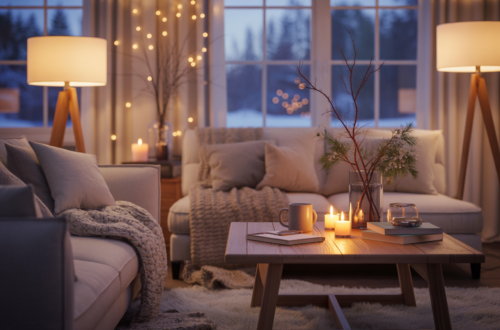
Switch to warm lamps. If you can, use warm bulbs or a smart light scene.
- Digital triage: Handle anything urgent. Write a quick “tomorrow list” so your brain stops rehearsing it at 2 a.m.
- Snack check: If you’re hungry, keep it small and balanced (yogurt + berries, cheese + apple).
Avoid heavy meals here.
30 minutes before bed: Downshift mode
- Screens off or filtered hard: Blue-light filters help, but nothing beats actually turning stuff off.
- Low-stakes activity: Read fiction, stretch, journal, tidy two things, shower. Keep it calm and boring in a good way.
- Ritual cue: Tea, skincare, or a short guided breath session. Rituals tell your nervous system, “We’re safe.
Powering down now.”
10 minutes before bed: Body signal
- Breath work: 4-7-8 breathing for 5 rounds or slow nasal breathing for 2–3 minutes.
- Temperature drop: Warm shower, then cool bedroom (around 65–68°F/18–20°C). Your body loves this contrast.
- Lights out rules: No tech on the nightstand if you can help it. Alarm clocks still exist, FYI.

Stop the Sneaky Sleep Saboteurs
You probably know the big ones.
But the sneaky ones? They’re the worst because they pretend to be helpful.
- “Background TV”: Your brain still tracks plot lines and ads. Try music with no lyrics or a dull podcast on a timer.
- Late workouts: Intense sessions raise core temperature and adrenaline.
Lift earlier; if you must move late, keep it easy (walks, light yoga).
- Alcohol “nightcap”: Helps you fall asleep, wrecks REM. Swap it for herbal tea on weeknights and watch your mornings improve.
- Bright bathroom lights: Install a low-lumen bulb or use a motion nightlight for overnight bathroom trips.
Design a Bedroom That Sells Sleep
If your bedroom feels like a storage closet with a mattress, your sleep routine fights uphill. Make these quick upgrades:
- Blackout curtains or a cheap sleep mask. Light is the enemy.
- Cool room, warm extremities: Keep the room cool, but wear socks if your feet get icy.
- Declutter bedside surfaces: Your brain notices chaos even if you swear it doesn’t.
- White noise for city sounds or snoring roommates.
Constant sound beats random clanks.
Gadgets worth having (not required)
- Sunset lamp or smart bulbs for gentle dimming.
- Analog alarm clock to banish the phone.
- Weighted blanket if anxiety loves nighttime. Start light (10% of body weight, give or take).

Train Your Brain (Because It’s Trainable)
You can teach your brain to associate bed with sleep again. It just takes consistency.
- Same sleep/wake window daily, even weekends.
Yes, I know. Your circadian rhythm says thanks.
- Bed = sleep and sex only. No spreadsheets.
No reunion tours with your ex’s Instagram.
- Can’t sleep after 20 minutes? Get up and do something boring in low light. Return when sleepy. Repeat as needed.
If anxiety hits at lights-out
- Write a 2-minute brain dump before bed.
Unfiltered. Shred it if you want.
- Use a wind-down playlist you only play at night. Pavlov would approve.
- Try box breathing: Inhale 4, hold 4, exhale 4, hold 4.
Repeat 3–5 cycles.
Food, Caffeine, and Timing: The Boring Stuff That Works
You don’t need a sleep diet, but timing and quantity matter.
- Caffeine cutoff: 8–10 hours before bed. Coffee at 3 p.m. can still tag along at 11 p.m., FYI.
- Alcohol strategy: If you drink, finish 3–4 hours before bed and hydrate.
- Evening meal: Eat dinner 2–3 hours before bed. Heavy, spicy meals late lead to weird dreams and heartburn.
Cute, but no thanks.
- Sleep-friendly snacks: Banana + almond butter, cottage cheese + pineapple, chamomile or tart cherry juice. Not magic, just helpful.
Your 15-Minute Rescue Plan (When the Night’s Already a Mess)
Some nights go rogue. Here’s your quick reset so you don’t spiral.
- Change the channel: Get out of bed.
Low light. No phone.
- Breath + body: 5 minutes of slow breathing + 2 minutes of gentle stretching or legs-up-the-wall.
- Mind dump: Write whatever’s looping in your head. One to-do for tomorrow max.
- Return ritual: Sip water, dim lights further, back to bed.
Eyes closed. If you’re not sleepy in 20 minutes, repeat calmly.
Make It Yours (and Actually Stick to It)
Routines work when they feel like you. Not Instagram.
Pick 3–5 elements you’ll do most nights and call that your “minimum viable wind-down.” Example combos:
- The Minimalist: Dim lights, 10-minute read, 4-7-8 breathing.
- The Stressed Student: Brain dump, hot shower, weighted blanket, 15-minute fiction.
- The Parent: Tidy sprint with a kid, pack tomorrow bags, chamomile, stretch, lights out.
Track how you feel for a week. Adjust. You’re not failing; you’re iterating, IMO.
FAQ
Do I need to quit screens completely at night?
Not necessarily.
Use warm filters, lower brightness, and choose low-stimulus content. But aim to stop screens 30 minutes before bed. If you must use them, keep them farther from your face and avoid anything emotionally intense.
What if I wake up at 3 a.m. every night?
Check room temperature, alcohol intake, and stress levels.
If you’re awake for more than 15–20 minutes, get up and do something calm in low light until you feel sleepy again. Also consider a small balanced evening snack if you eat dinner very early.
How long before I notice results?
Most people feel a difference in 3–5 nights if they stick to consistent timing and dim lighting. Full benefits build over 2–3 weeks, especially if you keep wake time steady.
Are supplements like melatonin worth it?
Melatonin helps with timing shifts (jet lag, new schedules), not as a universal sleep fix.
If you try it, keep doses low (0.3–1 mg) and use short-term. Prioritize routine changes first; they compound better.
Can I still work out at night?
Yes, but dial down intensity within three hours of bedtime. Opt for steady-state cardio, stretching, or mobility work.
Save heavy lifts and sprints for earlier in the day when possible.
What about naps?
Great tool if you keep them short (10–25 minutes) and before mid-afternoon. Long or late naps can sabotage your sleep drive at night.
Conclusion
Your wind-down isn’t broken because you’re lazy; it’s broken because your evening has no off-ramp. Build one.
Dim the lights, stack a few calm habits, and keep the timing steady. A month from now, you’ll fall asleep faster, wake up clearer, and wonder why you ever tried to out-stare your phone into making you tired. Sweet dreams, team.