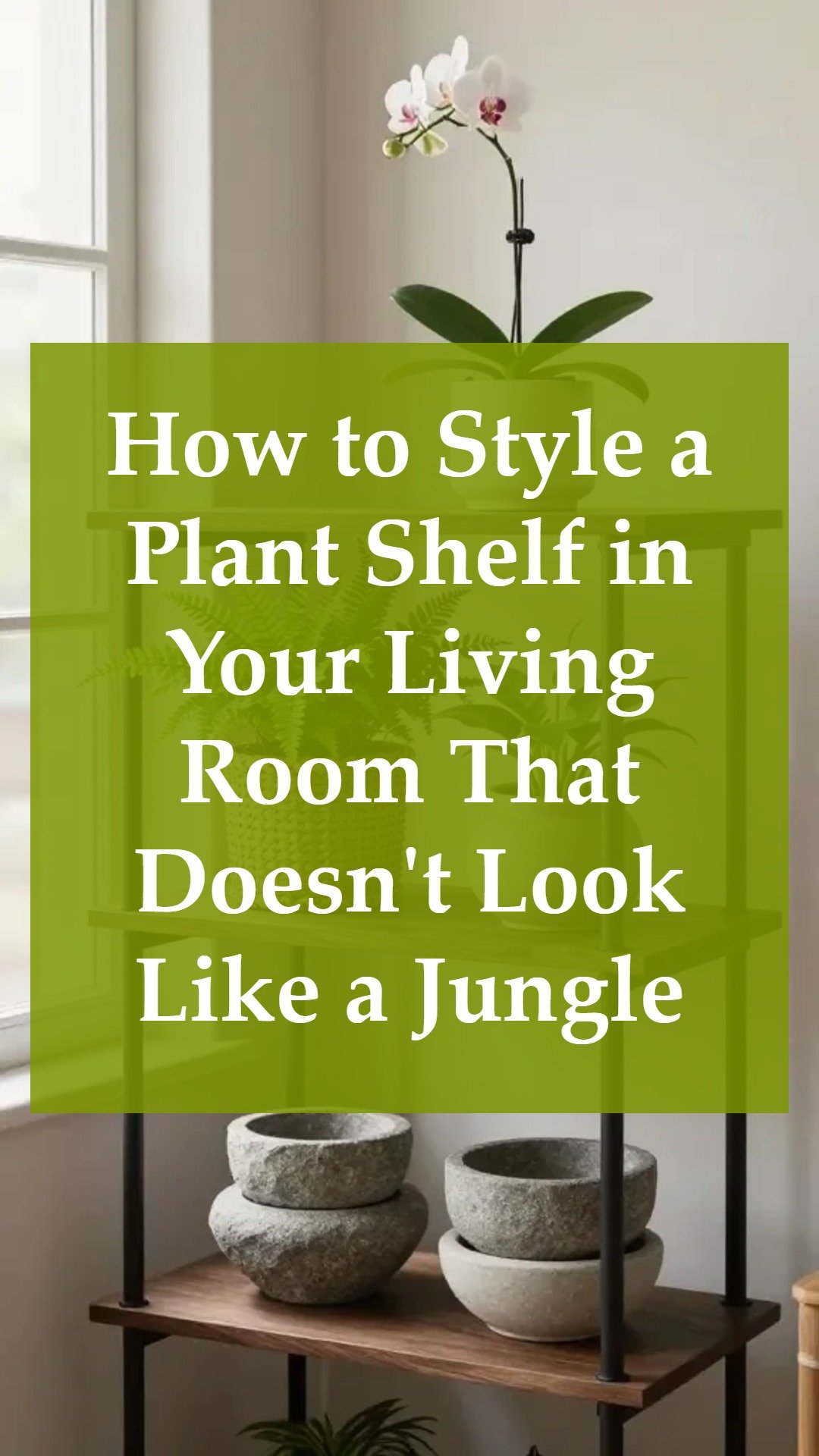
An Imagine walking into a living room where a plant shelf feels alive but not chaotic. The air smells faintly green, and a soft sunlight glow filters through the curtains. You spot a curated mix of textures, colors, and shapes that whisper “calm” instead of “overgrown.” That’s the vibe we’re chasing.
You know the feeling: a plant shelf can become a botanical blockbuster or a fern-filled disaster. The secret isn’t stuffing every pot you own or piling up every green thing you like. It’s a deliberate rhythm, a choreography of greens and materials that reads as intentional, not accidental.
If you’re worried your shelf will turn into a jungle, you’re not alone. Many people fear a green invasion—constantly watering, pruning, and rearranging until it resembles a rainforest desk calendar. You want life, not chaos. You want color and texture, not a greenhouse on display.
Let me reassure you: you can have a thriving, stylish plant shelf that feels curated, not crowded. I’ve helped countless spaces transform their greenery into a design moment. This guide breaks down a practical, proven approach that you can actually execute. No fluff, just solid steps that respect your space, budget, and style.
Now, let’s dive into the five real-deal sections that will elevate your plant shelf game. I’ll share tips, tricks, and a few pro secrets so your shelf feels like a designer curated it—without the intimidating vibe.
1) Define a Clear Throughline: The Core Philosophy of Your Plant Shelf
What’s the big idea behind your plant shelf? Before you pull a single pot from the nursery, pin down the throughline. Your shelf should tell one story, even if it spans different plant types and textures.
– Choose a unifying color story: Pick 2–3 main hues and repeat them through pots, vessels, and decorative objects.
– Select a texture ladder: Pair glossy leaves with matte pots, woven baskets, and rough ceramics to create tactile balance.
– Decide on scale rules: Mix large statement plants with small accents, but keep a dominant shape to anchor the display.
Pro move: Start with a single hero plant to set the vibe, then build around it. The shelf will feel intentional, not random.
2) Start With a Solid Foundation: Structure, Space, and Flow
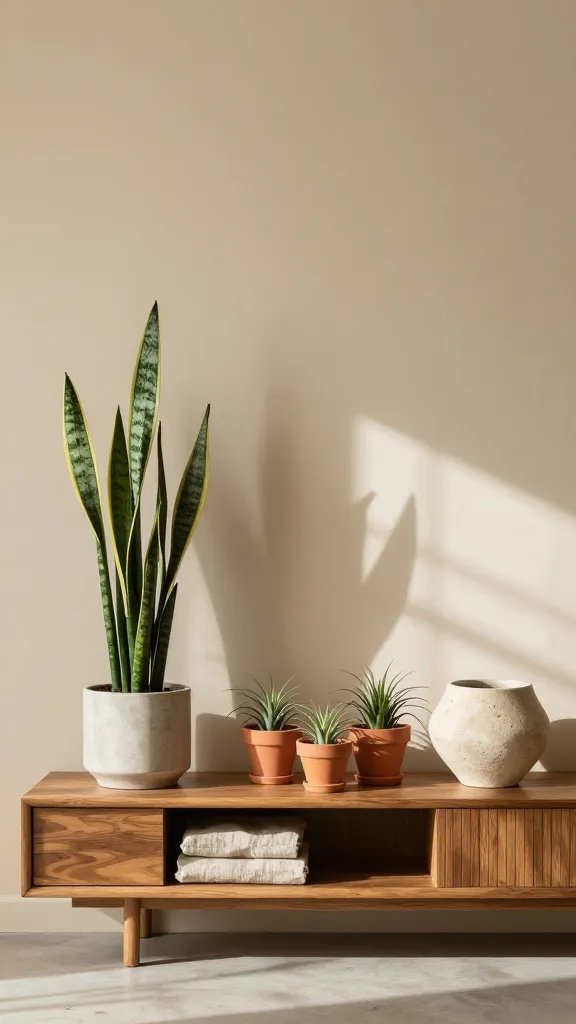
A plant shelf thrives on clear structure. If the base feels wobbly, the whole display drags.
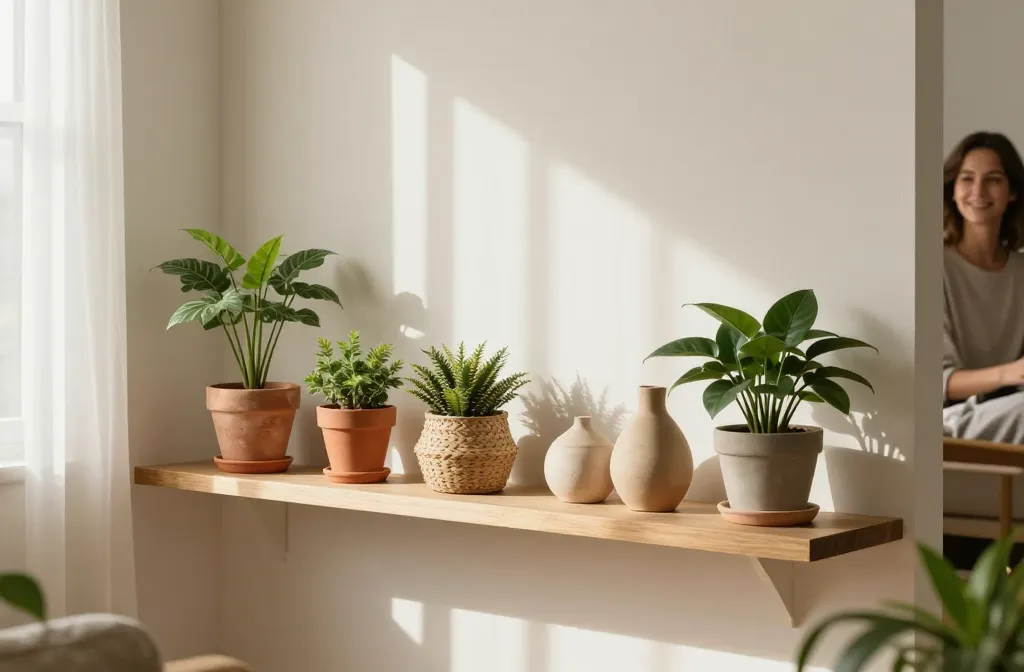
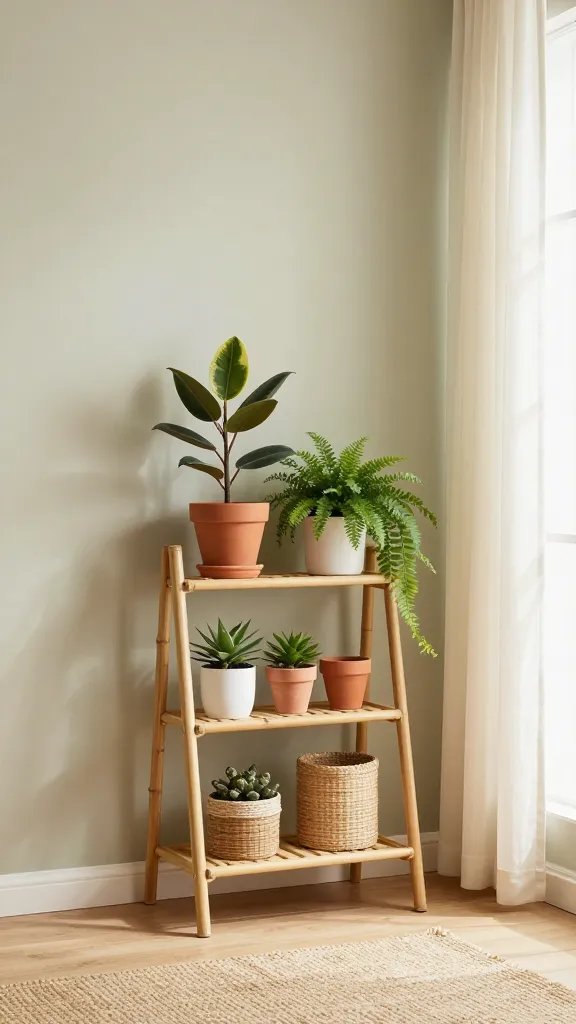
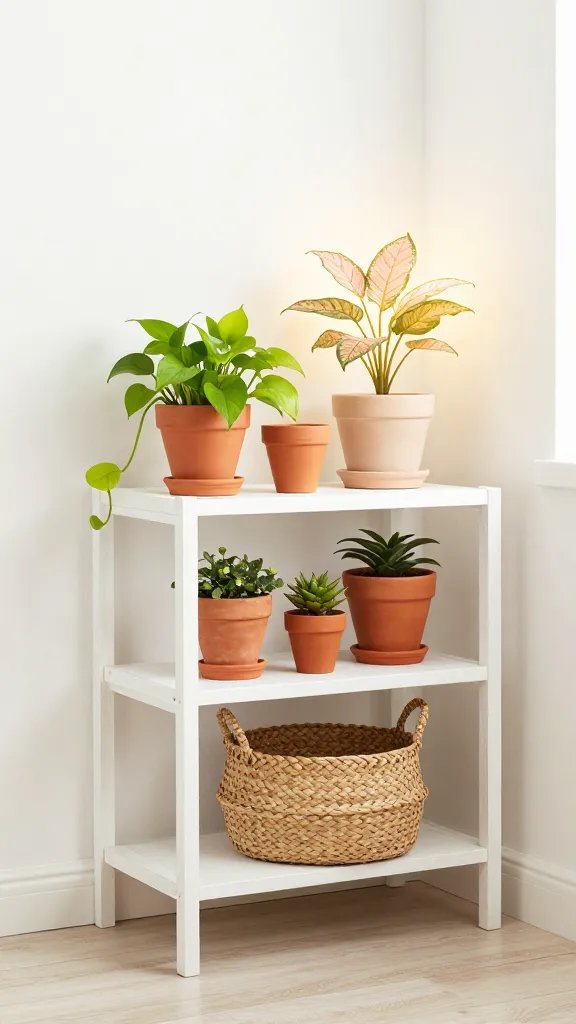
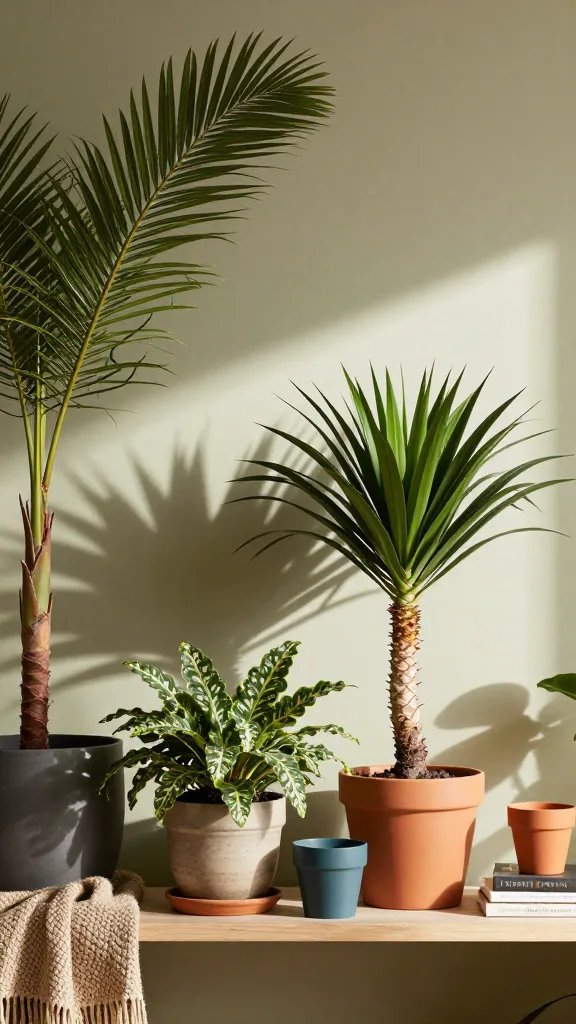
– Height and depth planning: Use taller plants toward the back or corners and shorter ones in front to create depth.
– Spacing strategy: Leave breathing room between pots so each plant can “shine” without competing.
– Shelf rhythm: Alternate between green life and decorative objects to keep the eye moving, not stuck.
Subsection: Choosing Containers That Tell a Story
Containers are almost as important as the plants themselves. They anchor the shelf’s aesthetic.
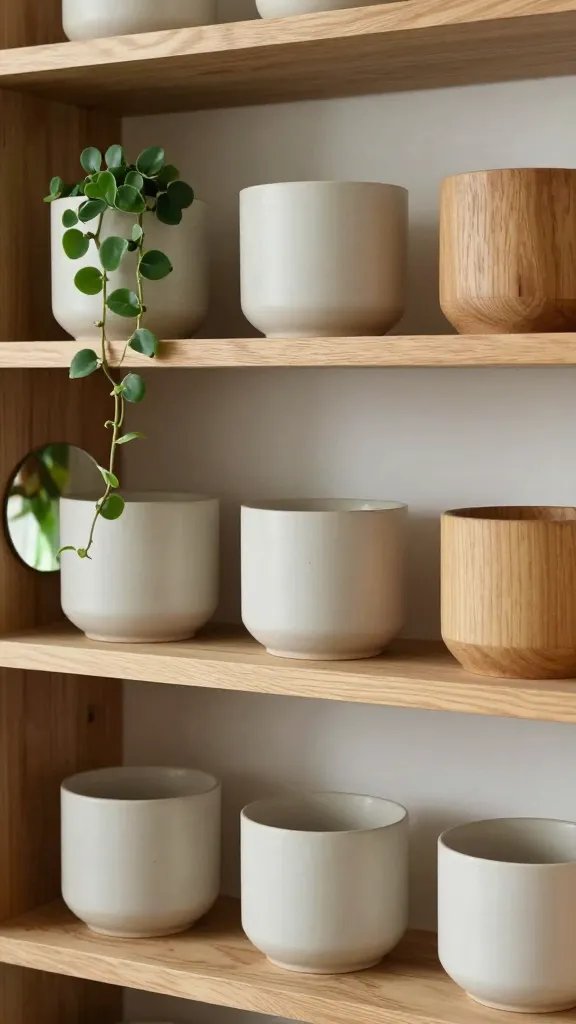
– Group by material: ceramic, terracotta, stone, and metal can live together if you balance warmth with cool tones.
– Size variety: Mix 4–6 pot sizes in a cohesive range to avoid a top-heavy look.
– Function meets form: Bonus points for self-watering options in busy spaces, if you’ll forget to water daily (hey, life happens).
3) Color, Texture, and Balance: The Three-Legged Stool
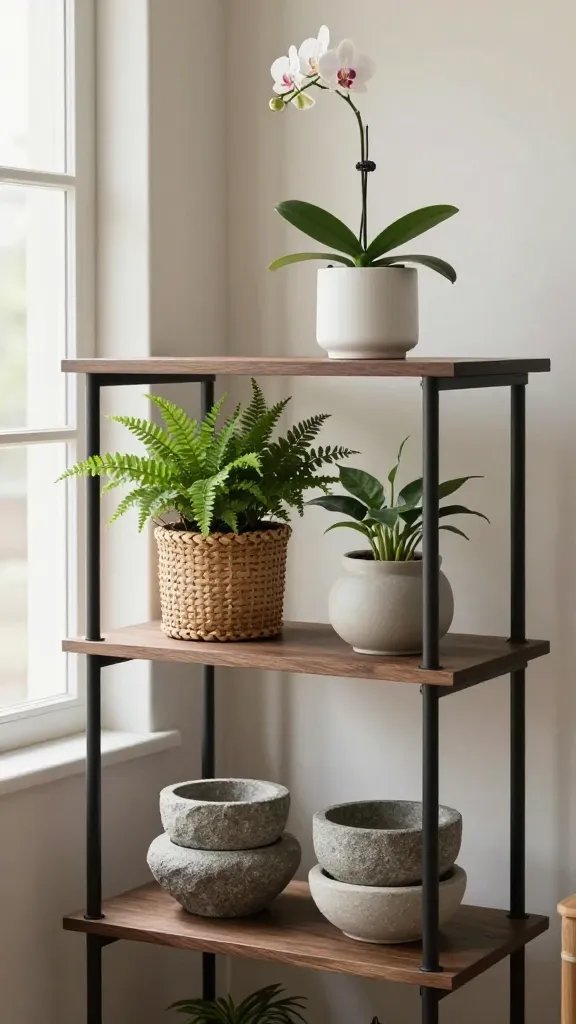
Your shelf needs texture and color play without shouting. This is where you get creative—without chaos.
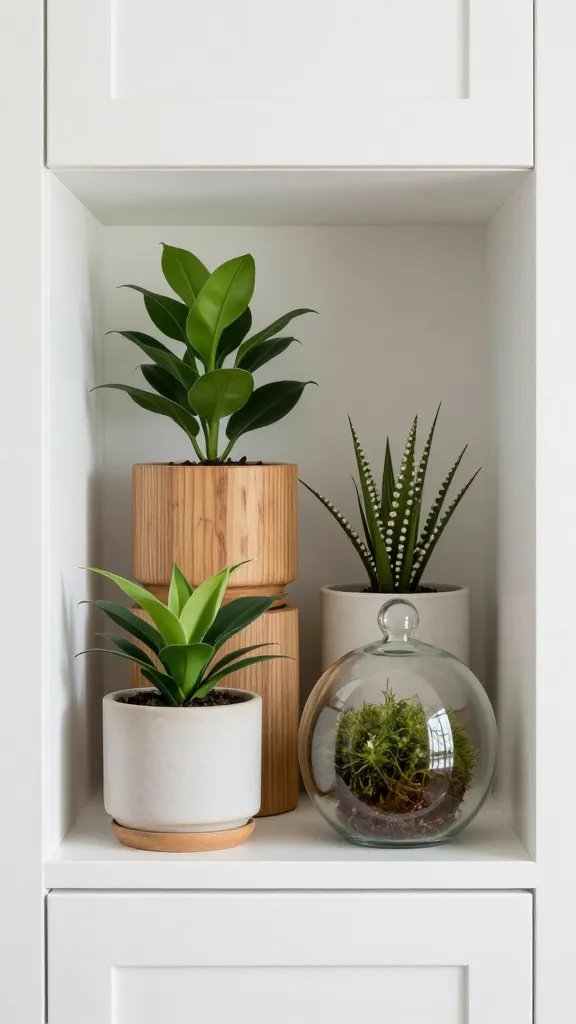
– Greenery mix: Combine broad-leaf plants with fine, wispy foliage to create visual interest.
– Leaf color variety: Greens, blues, and a hint of variegation can elevate the shelf. Don’t overdo it—one bold color accent goes a long way.
– Texture mix: Use matte ceramic, woven baskets, and glossy pots to keep things tactile and lively.
Subsection: Accents That Do More Than Decorate
Small non-plant items can act as punctuation marks in your design.
– Books with color-blocked spines
– Vintage frames or mirrors that reflect light
– Floating shelves or plant stands to create vertical echoes
4) Lighting, Access, and Care Without Turning Your Space Into a Planscape
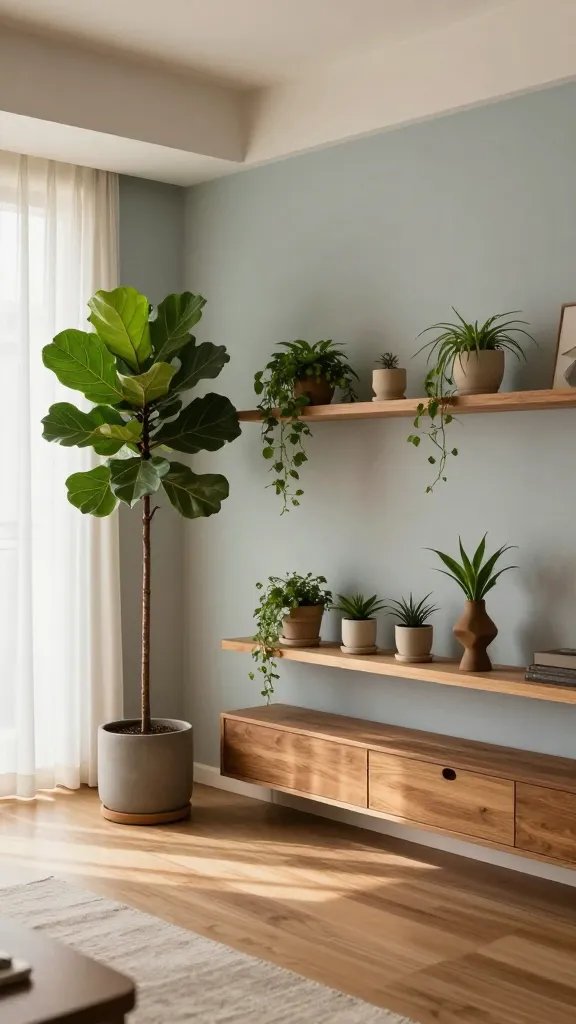
The best plant shelf thrives under good light and practical care routines. You can have lush greenery without daily DIY marathons.
– Light zoning: Place the shelf where it gets bright but not harsh sun. If your room is north-facing, consider a grow light for certain months.
– Watering rhythm: Use a tray or saucer, and group plants with similar watering needs to cut down on guesswork.
– Maintenance pace: Quick weekly wipe-downs of leaves and a monthly rearrangement keep things fresh without feeling like a chore.
Subsection: Practical Tools for Easy Maintenance
– Self-watering pots for low-maintenance corners
– Drip trays to protect furniture
– A small spray bottle for humidity-loving varieties
5) The 5-Point Routine: A Simple System to Keep It Looking Put-Together
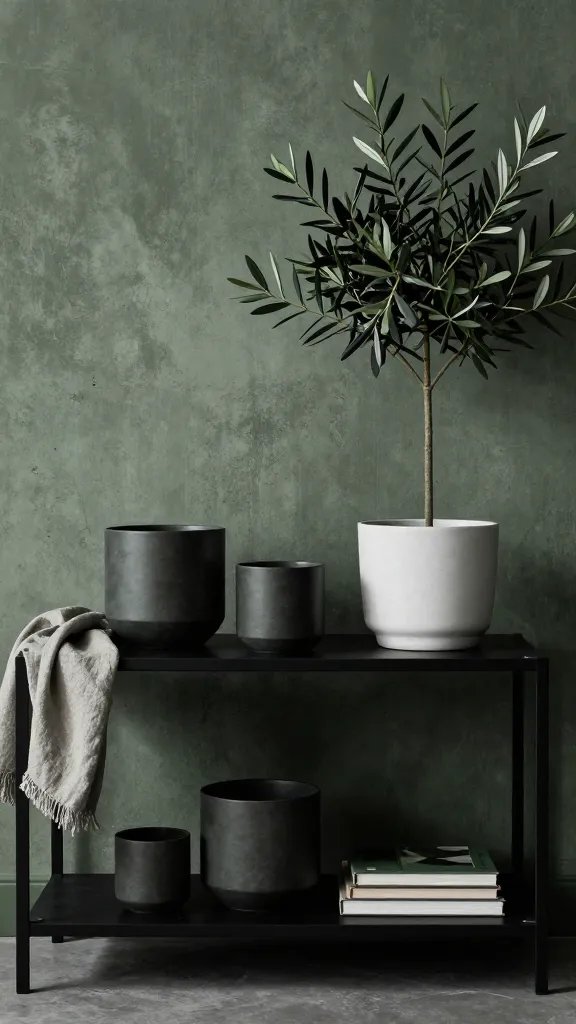
Consistency beats intensity. Create a routine that’s quick, repeatable, and rewarding.
– Schedule a weekly check-in: Water, prune, and wipe leaves in 15 minutes.
– Do a monthly refresh: Rotate a few plants, swap out a couple of decorative objects, and adjust height for balance.
– Seasonal tweaks: In fall and winter, introduce cozier textures; in spring and summer, bring in brighter tones.
Subsection: Quick Repairs and Common Pitfalls
– If a plant isn’t thriving: inspect light, water, and soil. Sometimes a simple repot helps.
– When pots clash: swap in a neutral pot or replace the color accent to restore harmony.
– Overcrowding syndrome: remove a plant or two and give the others more space to breathe.
FAQ
How do I choose the right plants for a shelf display?
Choose plants with similar light and water needs, then mix textures and shapes. Start with 2–3 anchor plants and add 2–3 smaller companions. This keeps the display cohesive while still feeling lively.
What sizes should I use for pots on a plant shelf?
Aim for a range: small (4–6 inches), medium (6–8 inches), and a couple of statement sizes (8–12 inches). Varying heights creates depth and prevents a flat look.
How can I make my plant shelf look intentional rather than chaotic?
Define a color story and a texture palette, use a hero plant to anchor the display, and maintain breathing room between pots. Rotate accents seasonally to keep things fresh.
What if I don’t have a lot of natural light?
Consider a grow light with a warm spectrum and place shelves closer to a bright window whenever possible. Choose plants that tolerate lower light for the dim months, and group them where the light is strongest.
How often should I prune and care for the shelf?
Do a quick weekly wipe-down and check on plant health. Schedule a more thorough monthly prune and rearrangement, plus a seasonal refresh to keep the vibe sharp.
Conclusion
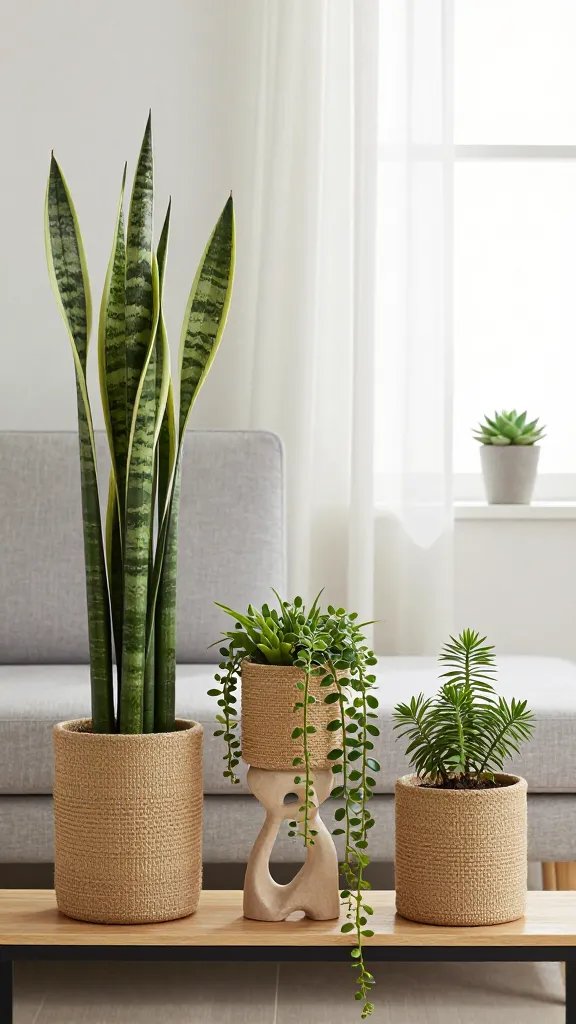
If you’re itching to transform your living room into a space that feels alive but not claustrophobic, you’ve got the method. Start with a clear throughline, build a solid structure, and weave color, texture, and rhythm into a balanced display. The goal isn’t to mimic a rainforest; it’s to create a curated moment where every leaf and vessel has a purpose.
With a little planning, your plant shelf becomes a design feature that enhances rather than competes with the rest of the room. You’ll enjoy the green lift without the chaos, and your space will feel both fresh and thoughtfully put together. FYI, a well-styled shelf might just be the reason guests linger longer in your living room.
If you want, I can tailor this approach to your exact room layout, lighting, and budget. Share a photo or describe your space, and I’ll map out a personalized plan that keeps you confidently out of jungle territory while still winning the plant game.