You want to live with intention… not just snooze-button your way through the week. You’re not trying to be a productivity robot, either. You want days that feel aligned, habits that actually stick, and self-improvement that doesn’t make you hate your life.
Good news: that’s exactly what we’re building here.
What “Intentional Living” Actually Means (And Why You Should Care)
Intentional living means you choose how you spend your time, energy, money, and attention. You stop running on autopilot. You start making decisions that align with your values—yes, yours, not what Instagram told you to care about. The magic: small choices compound. When you choose on purpose, you create momentum.
You also ditch the “busy but going nowhere” feeling. IMO, that trade-off beats random hustle any day.
Find Your Values: The Real Starting Line
Let’s get clear on what matters to you. Not to your parents, not to your manager—you.
Without values, “intentional living” becomes vague self-help soup.
- List 10 things you genuinely enjoy or feel proud of. Circle 3 that give you energy.
- Ask: When did I feel most like myself this year? What was happening?
- Pick 3–5 values from your notes: e.g., health, curiosity, connection, autonomy, creativity.
Now build a quick filter.
If a choice supports those values, it’s a yes. If it doesn’t, it’s probably a no—even if it looks “productive.”
Value Conflicts? Welcome to Being Human
Health vs. ambition, anyone?
You’ll hit trade-offs. Pre-decide your tie-breakers. For example: “Sleep wins over extra reps; family time wins over overtime on weekends.” Then stick to it.
Design Your Days (So Your Goals Don’t Die)
You don’t need a color-coded spreadsheet. You need a repeatable rhythm that makes good habits obvious and bad habits annoying. Try this weekly layout as a baseline:
- Focus blocks: 2–3 sessions per day, 60–90 minutes each, phone outside the room.
- Admin bucket: One daily 30-minute window for email, bills, tiny tasks.
- Energy anchors: Movement, meals, sunlight, sleep. Protect these at all costs.
- White space: Leave 20% unscheduled.Stuff always takes longer than you think.
Daily Checklist You’ll Actually Use
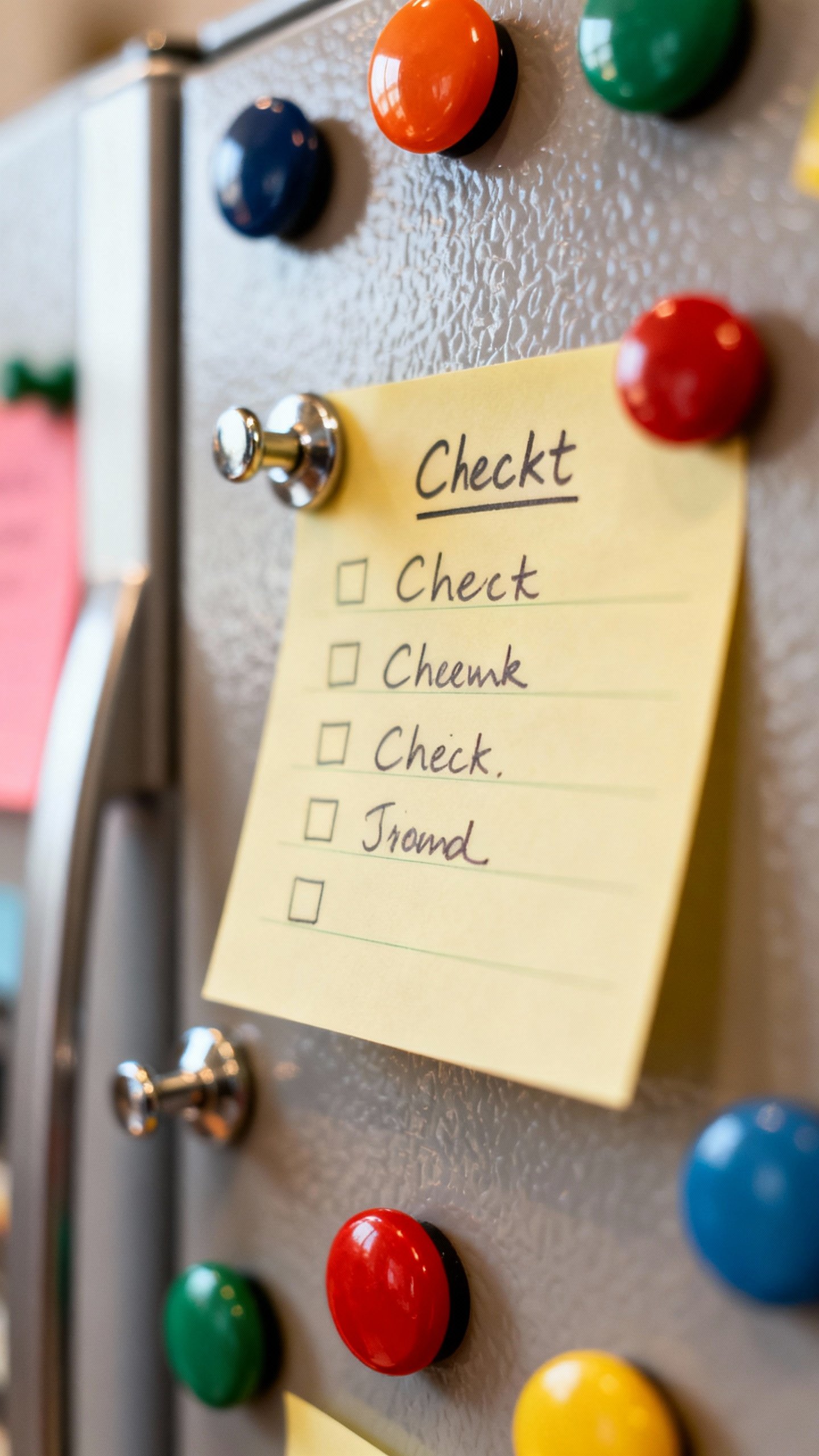
Use a simple, repeatable list:
- 3 priorities max (not 11)
- 1 task you’re avoiding (eat that frog… or at least nibble it)
- 1 energy habit (walk, stretch, quick workout)
- 1 connection (text a friend, call your mom—yes, she misses you)
Build Habits That Don’t Rely on Willpower
Willpower fades by lunch. Systems keep you steady. Let’s make it obvious, easy, and rewarding.
- Anchor habit: Attach a new behavior to a current routine. “After coffee, I journal for 5 minutes.”
- Set the stage: Place gear where you’ll see it. Water bottle on desk, shoes by the door, book on pillow.
- Tiny rule: Start with laughably small reps. Two push-ups, one paragraph, five minutes. You can scale later.
- Track it lightly: Use a simple calendar X or a notes app. Don’t create an entire spreadsheet empire.
- Reward fast: Pair the habit with a small win—playlist, good coffee, quick walk in the sun. Brains love treats.
What to Do When You Slip
You will miss days. Cool. Never miss twice. If you break a streak, restart immediately at the smallest version.
No shame spiral, just “What’s the next smallest step?”

Goals Without the Burnout: The 3-Level Goal Stack
Big goals feel inspiring until they feel terrifying. Use this stack to keep momentum without meltdown.
- Outcome goal: The destination. “Run a 10K in June.”
- Process goals: The weekly cadence. “Run 3x, lift 2x.”
- Identity cue: The story you repeat. “I’m a runner who keeps promises to myself.”
Track weekly, not daily. You’ll avoid the all-or-nothing disaster.
FYI: progress over perfection wins every time.
Quarterly Resets That Keep You Honest
Every 90 days, ask:
- What worked that I want to double down on?
- What drained me that I’ll delete or outsource?
- What experiment will I run next quarter?
Pick one experiment only. Too many “new things” equals chaos.
Mindset: The Quiet Engine Behind Everything
You can’t out-habit a mind that hates you. Build a kinder voice that still pushes you.
- Reframe failure: Swap “I failed” with “That approach failed; next draft.”
- Set friction, not shame: Make bad habits inconvenient.Log out of apps, move snacks, hide the remote.
- Use constraints: Decide in advance. “No screens in bed.” “No meetings before 10.” Constraints create freedom.
When Motivation Ghosts You
Motivation leaves. Discipline shows up anyway. On low-energy days, use the Rule of One: one set, one email, one page, one lap around the block.
You’ll either stop there (fine) or ride the momentum.
Environments That Nudge You Forward
Your setup either supports your goals or sabotages them. We want silent supporters everywhere.
- Physical: Clear your desk nightly. Put your next action in plain sight.
- Digital: Turn off 80% of notifications. Batch the rest. Unsubscribe like a boss.
- Social: Spend time with people who do what you want to do. Behavior spreads.
The Two-Minute Reset
Between tasks, do a mini reset:
- Stand, breathe, sip water
- Write the next step on a sticky note
- Start a 25-minute timer
Small reset, big focus.
Money, Time, and Energy: Your Three Currencies
You trade these every day.
Choose wisely.
- Time: Schedule values first (health, relationships), then work. If it’s not on the calendar, it’s not real.
- Energy: Track what drains or charges you. Shift high-focus work to your peak window.
- Money: Spend on tools and experiences that reinforce your identity.Cut the rest mercilessly.
IMO, paying for convenience that frees your focus (meal kits, house cleaning) often beats buying more stuff you don’t need.

FAQ
How do I start if I feel overwhelmed?
Start comically small. Pick one habit tied to one value. Example: value = health; habit = walk 10 minutes after lunch.
Do it for a week. Then layer a second habit. Overwhelm fades when you shrink the scope until it feels almost silly.
How long until I see results?
You’ll feel better within days if you nail sleep, movement, and focus blocks.
Visible results—like fitness changes or career progress—usually show up in 4–12 weeks. Think seasons, not days. Consistency beats intensity.
What if my friends or partner don’t get it?
State your why and set clear boundaries. “I’m training for a 10K, so I’ll leave early on weeknights.” Invite them into parts of it—walks, cooking, reading.
If they mock your goals repeatedly, that’s data. Upgrade your circle accordingly.
Do I need fancy apps or trackers?
Nope. Use the simplest tool you’ll actually use.
Notes app, paper calendar, or a basic habit tracker. Tools help, but they aren’t the strategy. Start analog; add tech only if it solves a specific problem.
How do I avoid all-or-nothing thinking?
Set “floor and ceiling” goals.
Floor = minimum you’ll do even on rough days (5 minutes). Ceiling = ideal stretch (30–45 minutes). You’ll stack wins without burning out.
Also, remember the rule: never miss twice.
Can I live intentionally without being boring?
Absolutely. Intentional ≠ rigid. You design your defaults so you have energy for spontaneous fun.
When your basics run on rails, you can say yes to adventure without tanking tomorrow.
Conclusion
Intentional living isn’t a grand overhaul—it’s a series of small, honest choices that align with your values. You design your days, build habits that fit your life, and adjust with quarterly resets. Start tiny, protect your energy, and let your environment do half the work.
You’ve got this—one intentional step at a time.