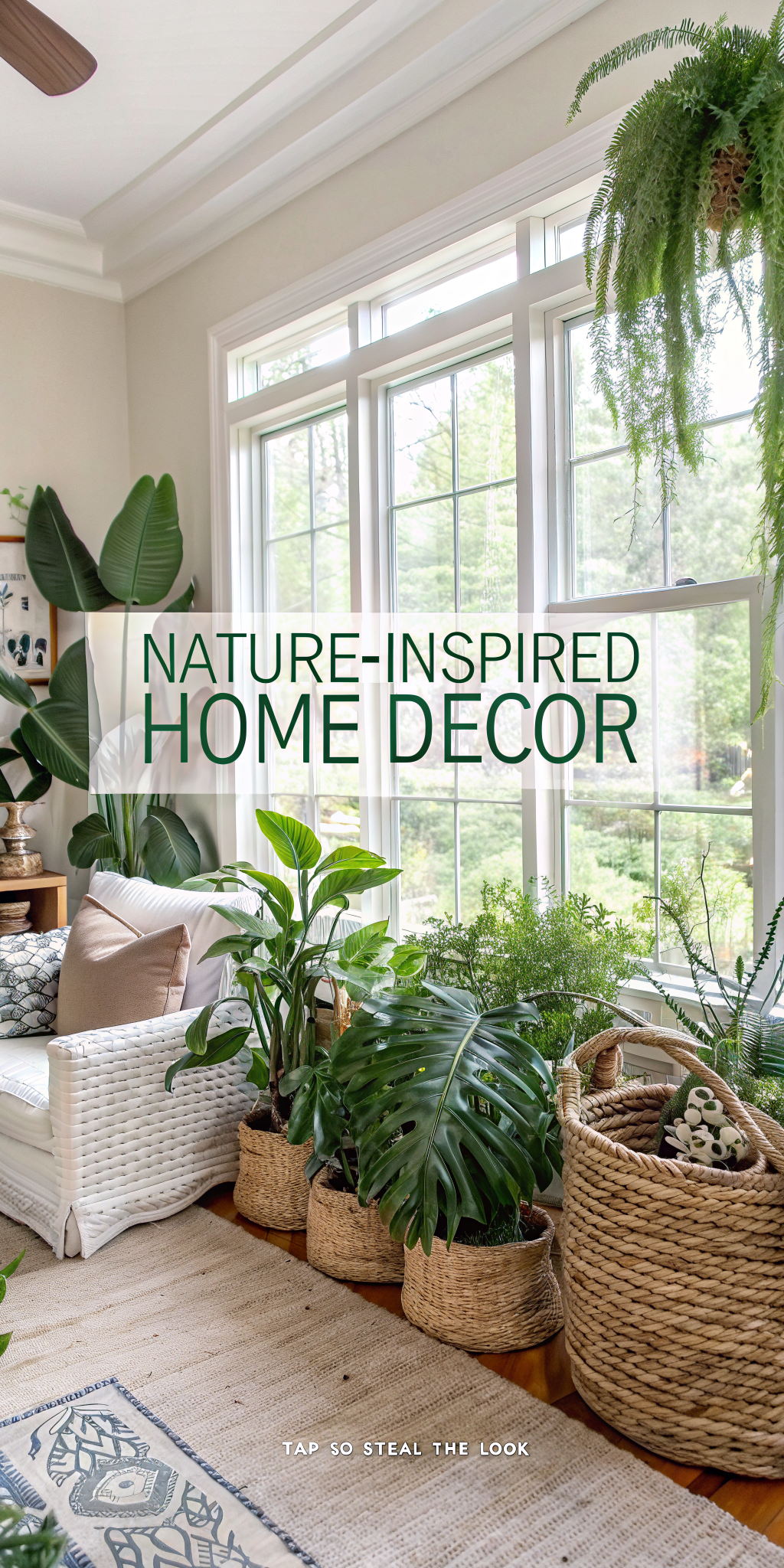
Spring has sprung, and with it comes that irresistible urge to refresh, rejuvenate, and bring a little bit of the outside world in. Forget the usual decor swaps; this year, we’re talking about a full-on botanical invasion, transforming your home into a vibrant, oxygen-rich sanctuary. Ditch the sterile vibes and embrace the wild – or at least, the artfully curated wild. Your home (and your mood) will absolutely thank you for it.
Why Your Home Needs a Green Glow-Up This Spring
Ever walk into a space filled with lush greenery and just instantly feel… calmer? That’s not just you; it’s science! Bringing nature indoors does wonders for our well-being. It’s like a mini-vacation for your brain, right in your living room.
Plants aren’t just pretty faces, either. They’re natural air purifiers, diligently working to filter out toxins and boost oxygen levels. Who needs a fancy gadget when you’ve got a thriving fern doing the heavy lifting? Plus, let’s be real, a touch of green just makes everything look more chic and put-together. It’s the ultimate accessory.
Green Thumbs Optional: Our Top Picks for Easy-Breezy Indoor Plants
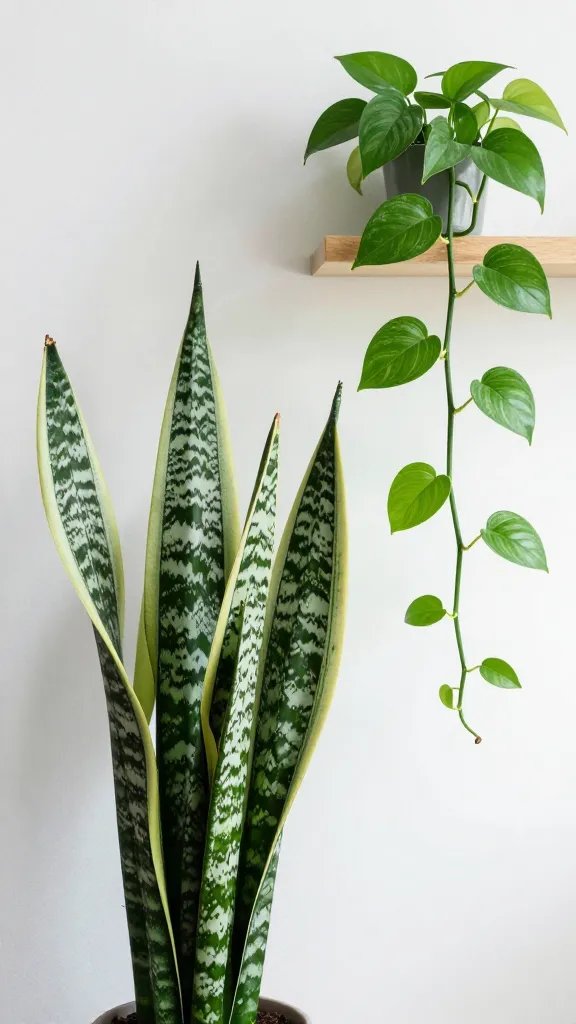
Don’t let the fear of plant murder stop you. Seriously, most of us have been there! The trick is to start with resilient, forgiving plants that practically thrive on neglect. You’ll build confidence, and your home will get that much-needed dose of vibrant life.
For the Bright Spots
Got a sunny window? Lucky you! These plants will soak up the rays and give you serious visual payoff without demanding constant attention.
- Snake Plant (Sansevieria): The undisputed champion of “I can’t kill this.” It tolerates low light, bright light, and inconsistent watering. Seriously, you have to try *really* hard to mess this one up.
- ZZ Plant (Zamioculcas zamiifolia): Another nearly indestructible hero. It thrives on neglect, can handle a range of light conditions, and looks incredibly sleek with its waxy, dark green leaves.
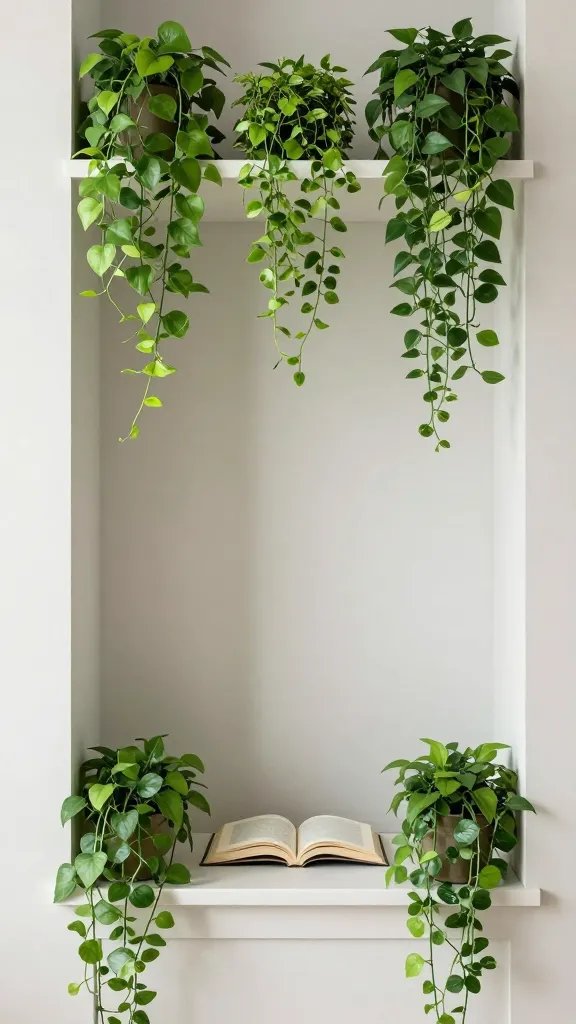
- Pothos (Epipremnum aureum): Fast-growing and forgiving, pothos comes in various variegated patterns. Let it trail from a shelf or hang it; it’s super versatile and will forgive you if you forget to water it for a bit.
For the Shady Nooks
Not every corner is bathed in sunlight, right? No problem! Some plants actually prefer a more subdued environment, making those dimmer areas come alive.
- Peace Lily (Spathiphyllum): Elegant white blooms and glossy green leaves make this a popular choice. It’s also a drama queen – it’ll droop dramatically when thirsty, making it obvious when it needs a drink.
- Ferns (Boston, Kimberly Queen): These beauties love humidity and indirect light. Place them in a bathroom or a spot away from direct sun, and they’ll reward you with lush, feathery foliage.
- Chinese Evergreen (Aglaonema): These plants boast stunning variegated leaves in shades of green, silver, and even pink. They’re super tolerant of lower light and inconsistent watering.
Beyond the Basic Pot: Creative Ways to Display Your Botanical Beauties
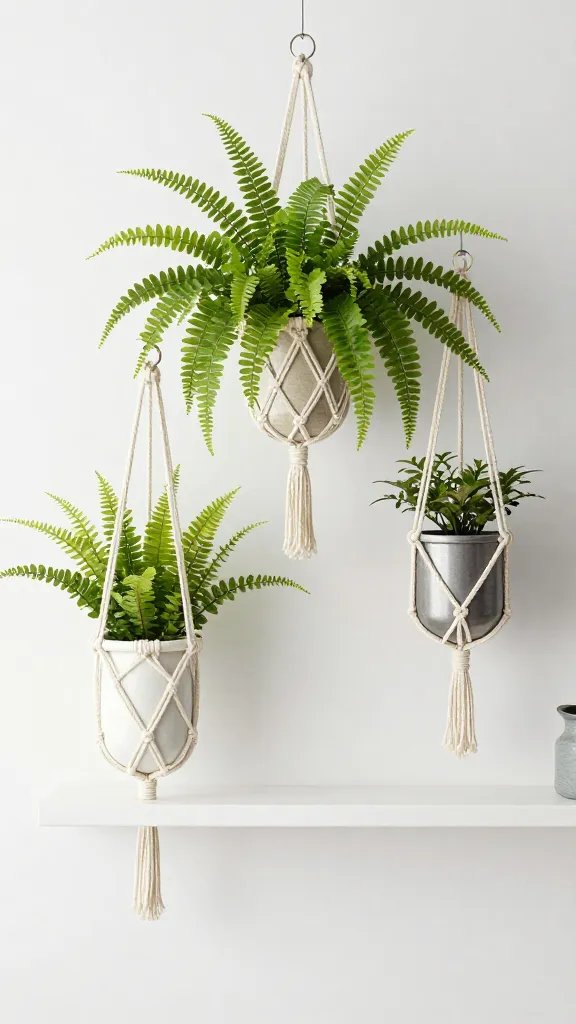
Just sticking a plant in a pot on a table is fine, but why stop there? Let’s get creative! Think about how you can integrate greenery into your decor, making it a true design element.
Vertical Visions
When floor space is at a premium, look up! Vertical gardening is not only space-saving but also creates stunning visual interest.
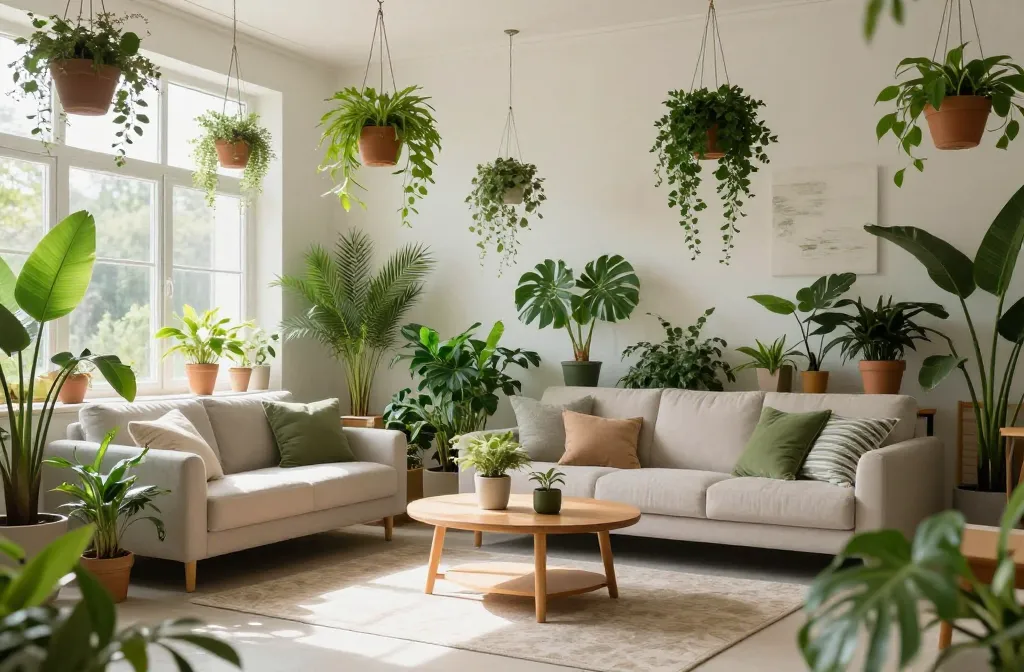
- Hanging Planters: Macrame hangers are back with a vengeance, or opt for sleek ceramic or metal options. Group them at different heights for a dynamic look.
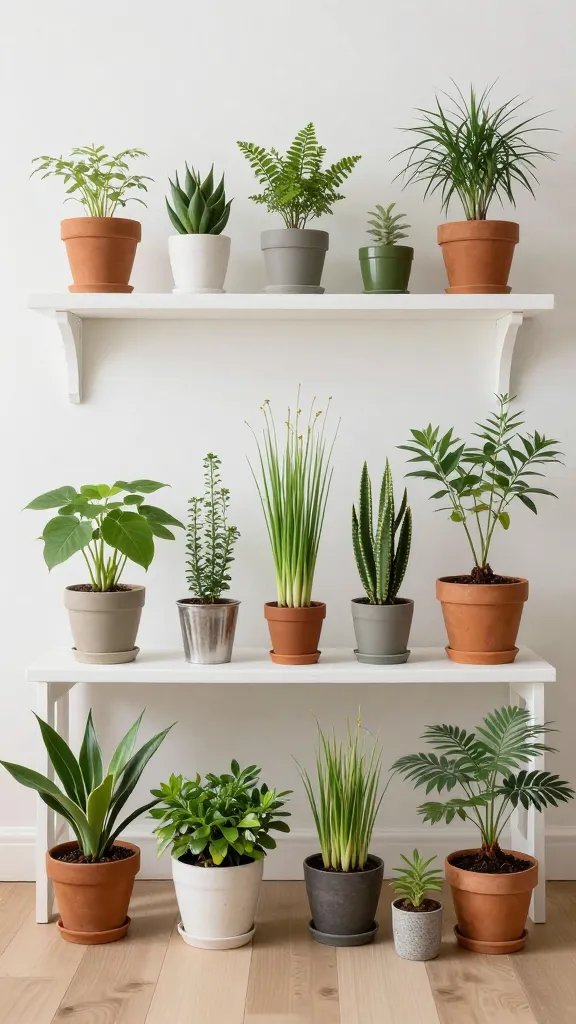
- Wall-Mounted Shelves: Create a gallery wall of plants! Small shelves can hold individual pots, or use longer shelves for a row of trailing beauties.
- Living Walls/Moss Art: For the truly ambitious, a full living wall is breathtaking. Or, start smaller with framed preserved moss art – zero maintenance, maximum impact.
Tabletop & Shelf Styling
This is where you can really play with textures, heights, and pot styles. Don’t be afraid to mix and match!
- Terrariums: Create a miniature ecosystem under glass. They’re fascinating to look at and relatively low maintenance once established.
- Plant Stands: Elevate your plants (literally!). Plant stands come in all shapes and sizes, adding architectural interest and making your plants feel more intentional.
- Groupings: Instead of one lonely plant, group several together. Vary their heights, leaf textures, and pot materials for a curated, abundant feel. Think odd numbers – three or five plants together always look great.
Faux Sure, Why Not? Embracing Dried & High-Quality Artificial Greenery
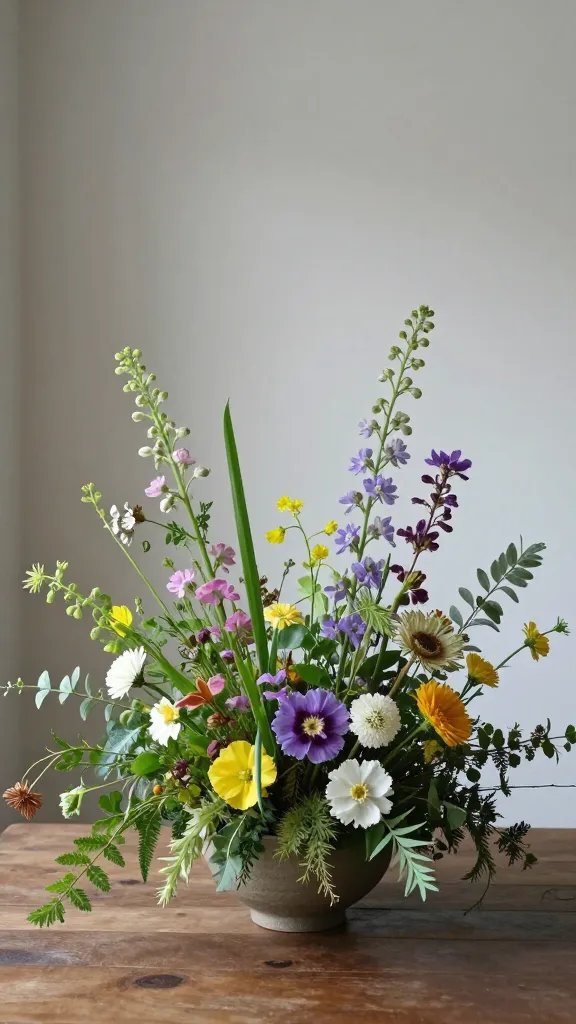
Okay, I know what you’re thinking: “Fake plants? Isn’t that cheating?” And to that, I say, “Absolutely not!” Not everyone has the light, the time, or frankly, the desire to keep live plants thriving. And that’s totally fine!
Modern artificial plants have come a *long* way. We’re talking about incredibly realistic replicas that even fool experienced plant parents. Use them in tricky spots where real plants would perish, like a dim hallway or a sun-baked shelf. Dried botanicals, like pampas grass, eucalyptus, or preserved flowers, also offer a beautiful, long-lasting, and zero-maintenance way to bring natural textures indoors. Just make sure you’re investing in good quality – nobody wants obviously plastic-looking leaves. IMO, a few high-quality faux pieces are better than a bunch of struggling real ones.
It’s Not Just Plants: Infusing Botanical Vibes Through Scent & Art
Bringing nature indoors isn’t solely about potted plants. It’s about evoking that fresh, vibrant, natural feeling throughout your home. Think beyond the leaves!
- Fresh Cut Flowers: A simple bouquet of tulips, daffodils, or hyacinths instantly screams “spring!” Place them where you’ll see them often – on your dining table, a bedside table, or by the kitchen sink. Rotate them weekly for a constant refresh.
- Botanical Prints & Art: Adorn your walls with prints of ferns, wildflowers, or intricate leaf patterns. These add a sophisticated nod to nature without needing any watering.
- Nature-Inspired Scents: Diffuse essential oils like eucalyptus, peppermint, or a floral blend. Light candles with notes of fresh linen, gardenia, or green tea. Your nose will thank you for the sensory immersion.
- Natural Materials: Incorporate wood, rattan, jute, and linen into your decor. These textures inherently bring an organic, earthy feel to any room.
Keeping Your Indoor Oasis Thriving: Quick Tips for Happy Plants
So you’ve embraced the green life – awesome! Now, how do you keep your new botanical buddies happy and healthy? It’s easier than you think.
- Don’t Overwater: This is the number one killer of indoor plants. Stick your finger an inch or two into the soil. If it feels dry, *then* water. When in doubt, wait another day.
- Light Check: Pay attention to your plant’s light requirements. Too much sun can scorch leaves, too little can lead to leggy growth. Rotate plants occasionally so all sides get some light.
- Humidity Matters: Many tropical plants love humidity. Grouping plants together, using a pebble tray with water, or a small humidifier can make a big difference, especially in dry indoor environments.
- Dust Off: Dust can block pores on leaves, hindering photosynthesis. Gently wipe leaves with a damp cloth every few weeks. Your plants will literally breathe easier.
- Talk to Them (Optional): Okay, maybe not *talk*, but definitely observe them. Yellowing leaves, droopy stems, or brown tips are all signs your plant is trying to tell you something. Google is your friend here!
FAQ: Your Burning Botanical Questions Answered
What if I have pets? Are all plants safe?
Absolutely not! Many common houseplants are toxic to cats and dogs. Always do a quick Google search for “is [plant name] toxic to pets” before bringing a new plant home. Some great pet-safe options include Boston ferns, parlor palms, prayer plants, and African violets. When in doubt, keep plants out of reach or opt for high-quality faux plants.
How often should I fertilize my indoor plants?
Most indoor plants benefit from fertilization during their active growing season, which is typically spring and summer. Aim for once a month or every other month with a diluted liquid houseplant fertilizer. Skip fertilizing in fall and winter when plants are usually dormant. Over-fertilizing can actually harm your plants, so less is often more.
Where’s the best place to buy plants? Local nursery or big box store?
Both have their pros and cons! Local nurseries often have a more knowledgeable staff, a wider variety of unique plants, and typically healthier specimens. They can be a bit pricier. Big box stores can offer great deals, especially on common varieties, but sometimes their plants might be stressed from transport or less cared for. FYI, always inspect plants thoroughly for pests or diseases before buying, no matter where you shop.
My plant has tiny bugs! What do I do?
Don’t panic! Pests happen. For common culprits like spider mites or mealybugs, a gentle solution of diluted neem oil or insecticidal soap sprayed on the leaves (top and bottom!) often does the trick. Isolate the affected plant immediately to prevent the spread. Consistency is key – you’ll likely need to treat it multiple times over a few weeks.
Can I mix real and artificial plants in the same room?
You bet! It’s a fantastic strategy, especially for filling in gaps or adding greenery to spots where real plants just won’t thrive. Place your high-quality artificial plants in those challenging areas, and use real plants where they can truly flourish. The key is quality – ensure your faux plants look realistic to blend seamlessly with your living greenery.
Embrace Your Inner Botanist (or Just Your Inner Decorator)
Bringing nature indoors isn’t about perfectly manicured jungles or becoming a plant expert overnight. It’s about inviting life, freshness, and a sense of calm into your home. Whether you start with one unkillable snake plant or dive headfirst into a full-blown vertical garden, the benefits are undeniable. So go ahead, embrace the green, infuse your space with botanical beauty, and watch your home (and your spirit) bloom this spring.