Let’s be honest: your living room should feel like a deep breath. If you’re craving clean lines, cozy textures, and zero visual chaos, Japandi—the love child of Japanese minimalism and Scandinavian warmth—is your new bestie. Below are nine easy, stylish ideas to build that calm, curated vibe without turning your space into a beige snoozefest.
1. Anchor With Low, Clean-Lined Furniture
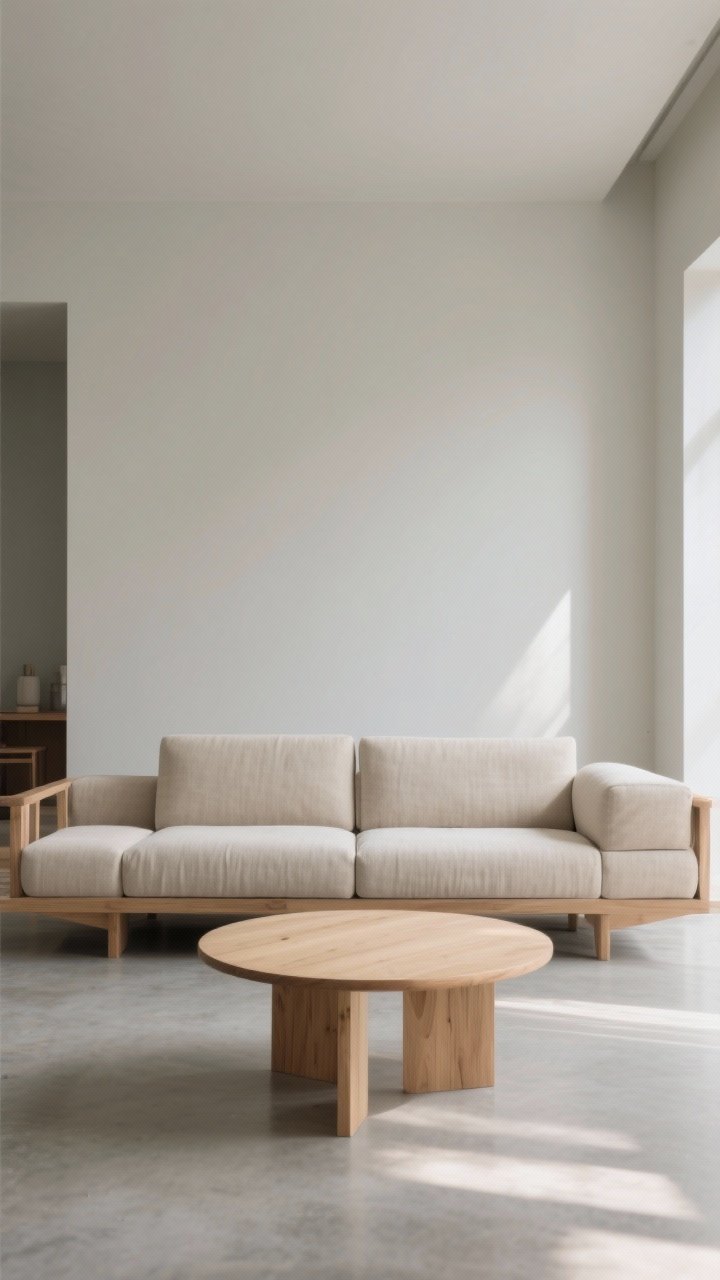
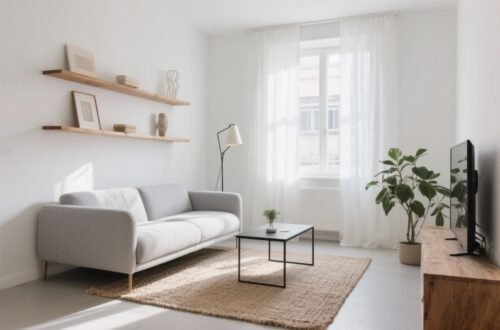
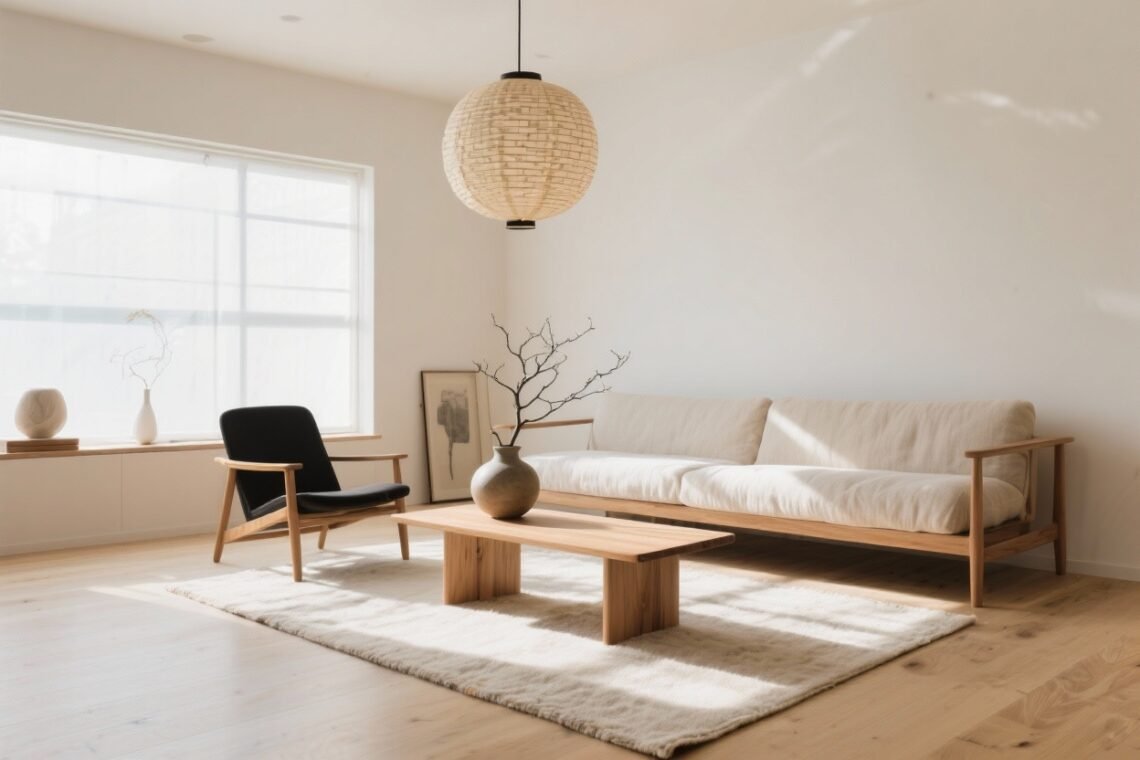
Japandi starts at ground level—literally. Choose a low-profile sofa with simple lines and slim arms. It grounds the room, creates visual breathing space, and instantly feels more zen.
What to Look For
- Neutral fabrics like oatmeal, caramel, or soft gray.
- Exposed wood bases in light oak, ash, or walnut.
- Modular pieces you can reconfigure as life happens (kids, pets, movie night chaos).
Balance it with a streamlined coffee table—round or oval keeps the flow soft. FYI, rounded edges read friendlier and safer for toes and shins.
2. Curate a Warm, Neutral Color Palette
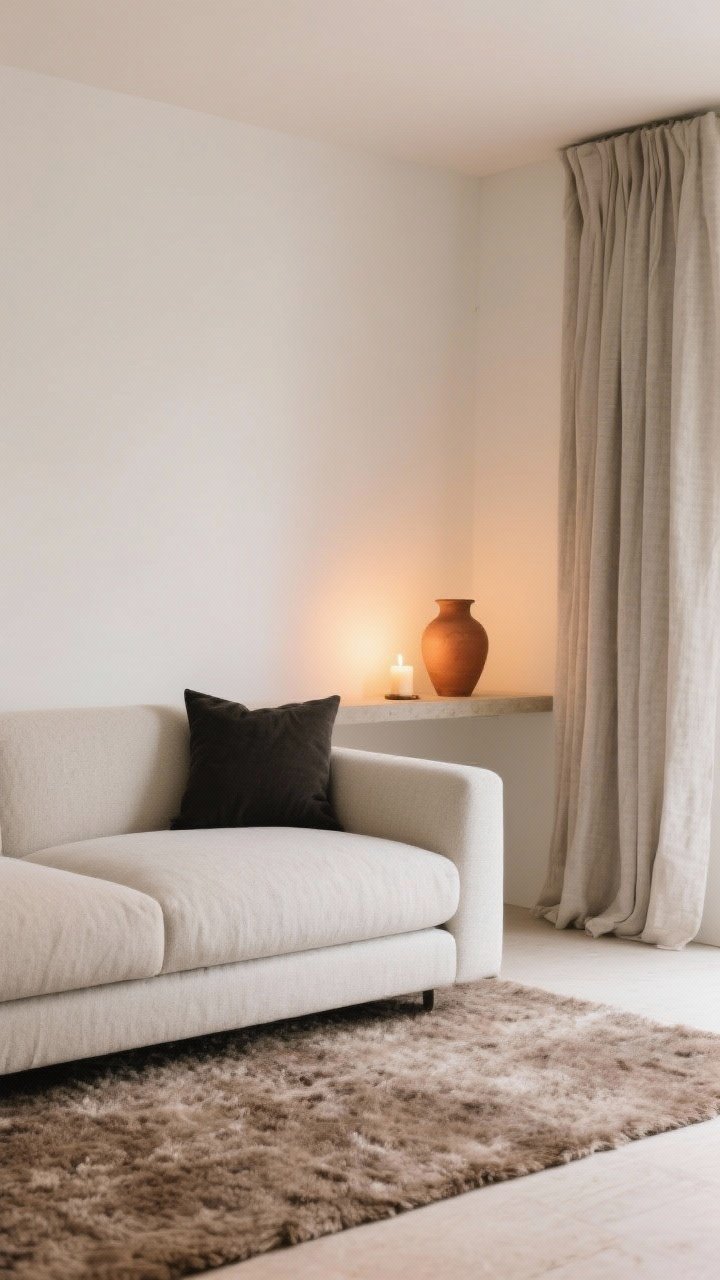
Japandi isn’t about stark white everything. It favors warm neutrals layered with earthy tones so the space feels inviting, not sterile. Think “candle glow,” not “doctor’s office.”
Easy Palette Formula
- Base: Soft white or warm beige walls.
- Secondary: Taupe, greige, or light stone for larger textiles.
- Accents: Charcoal, ink blue, or muted terracotta for depth.
Keep contrast gentle. One or two darker accents prevent the room from feeling flat without blowing up the calm energy.
3. Mix Natural Materials (But Keep It Edited)

Texture is your secret weapon. Combine wood, linen, wool, paper, rattan, and stone for richness without visual noise. The trick? Edit. You don’t need all the materials at once—pick three to four and repeat them.
Smart Material Combos
- Oak + linen + wool: light, airy, Scandinavian feel.
- Walnut + paper + stone: grounding, luxe, and very zen.
- Rattan + cotton + clay: organic and textural with a soft edge.
Pro tip: If a piece feels shiny or plasticky, it probably doesn’t belong. Japandi worships the natural, not the synthetic.
4. Layer Soft Textures Like a Pro
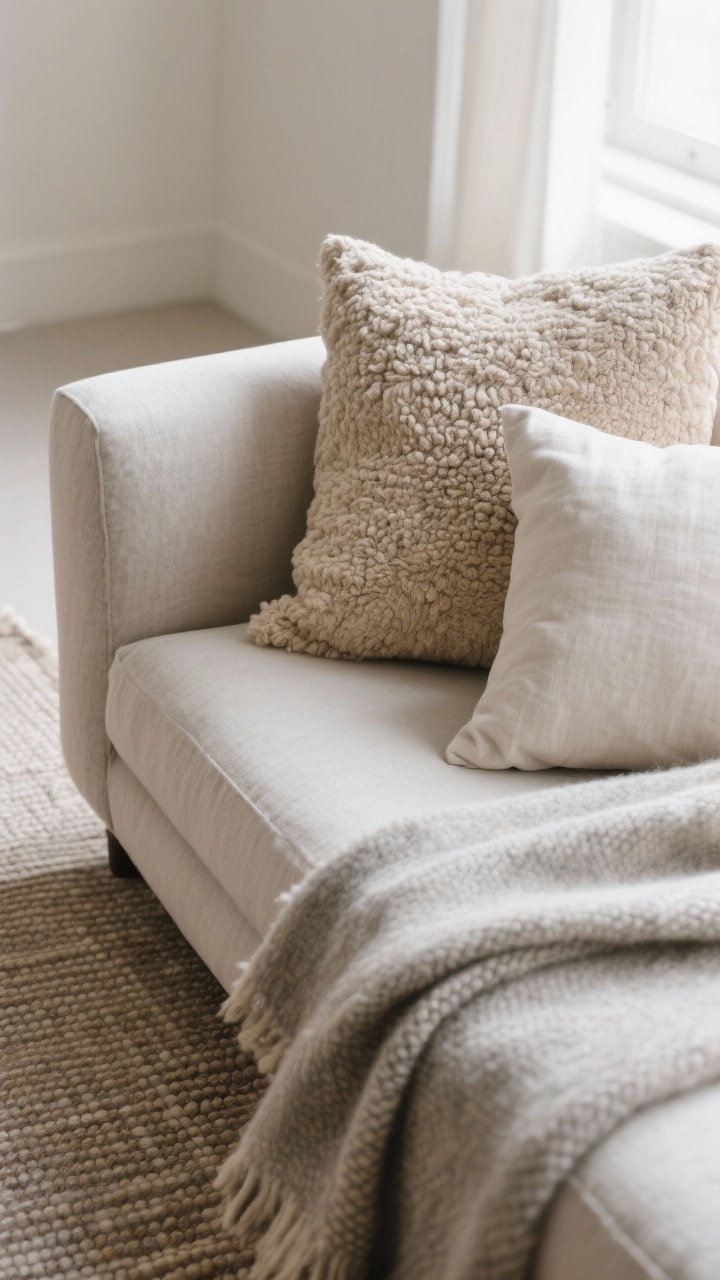
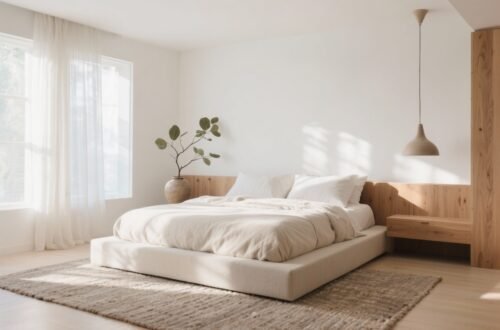
Minimal doesn’t mean cold. Bring in cozy layers that whisper, not shout. A neutral area rug, a couple of nubby pillows, and a wool throw can transform the mood instantly.
Layering Tips
- Rug first: Go for a flatweave or low pile in a solid or subtle pattern.
- Pillows: Mix linen, boucle, and smooth cotton in tonal shades.
- Throws: Pick one thick, tactile throw—quality over quantity.
Keep patterns minimal—pinstripes, micro-checks, or tone-on-tone weaves. Your eyes should glide across the room, not stop at every cushion like it’s a billboard.
5. Embrace Negative Space (Yes, Empty Corners Are Chic)
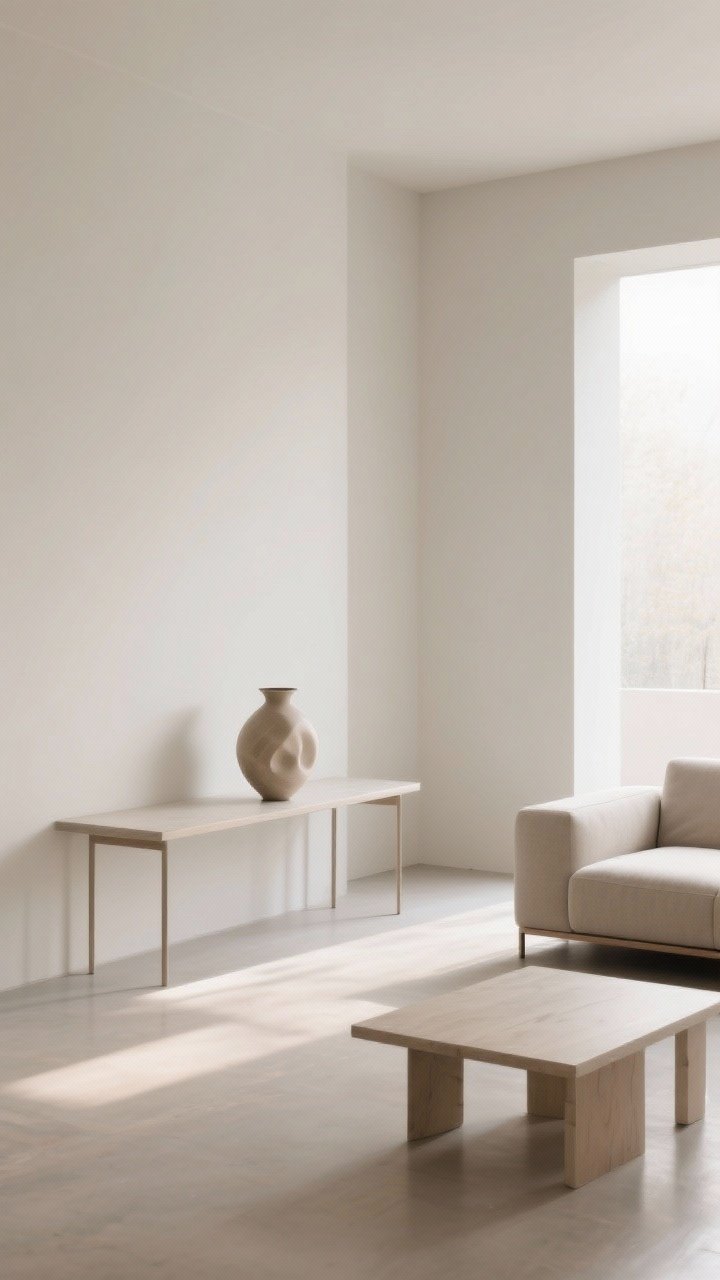
Here’s a radical thought: leave some space empty. Negative space is a design tool, not a sign your room is unfinished. It gives the eye a chance to rest and makes your key pieces feel intentional.
How to Edit
- Keep surfaces mostly clear—display one beautiful object per zone.
- Let furniture “breathe” with a few inches away from walls.
- Choose open-legged pieces to keep the floor visually open.
IMO, one great vase on your console beats a cluttered gallery of “meh” trinkets. Minimalism with personality > minimalism with fear.
6. Choose Functional, Sculptural Lighting
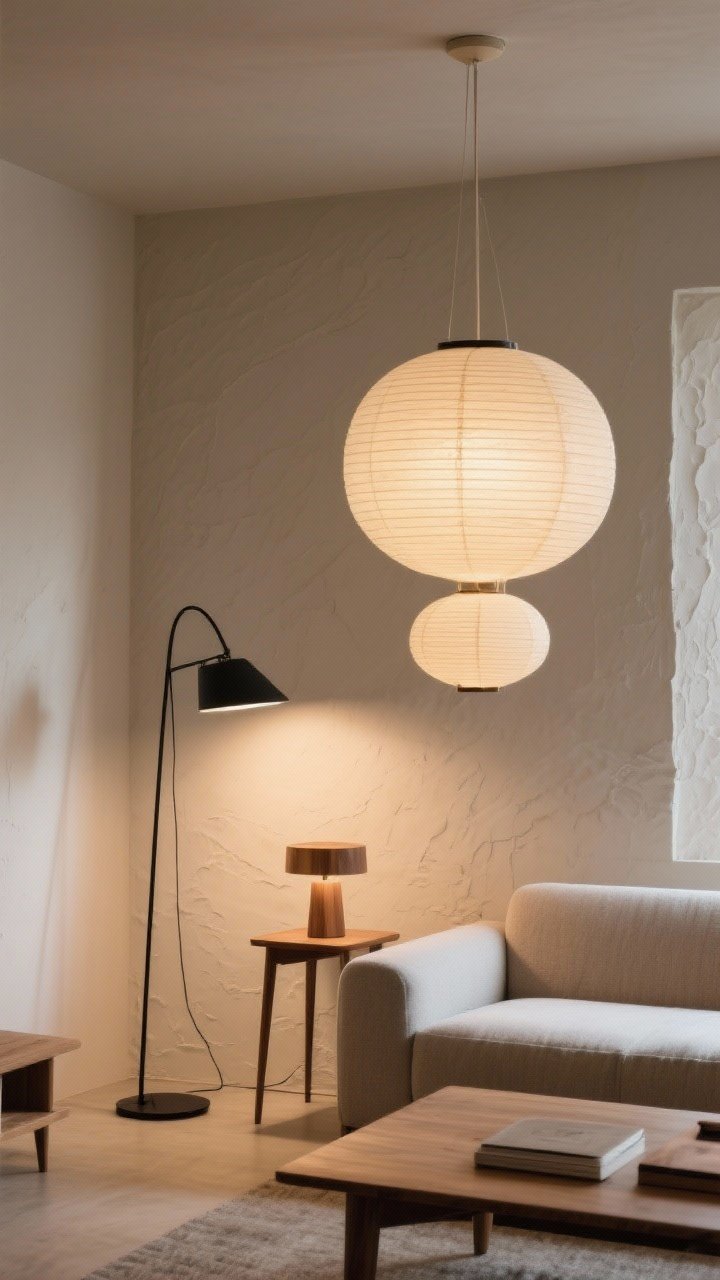
Lighting is the jewelry of your living room. Opt for paper lanterns, simple black metal lamps, and wooden floor lamps that double as sculpture without trying too hard.
Layer Your Light
- Ambient: A rice paper pendant for warm, diffused glow.
- Task: A slim floor lamp by the sofa for reading.
- Accent: A small table lamp or picture light to highlight art or texture.
Pick warm bulbs (2700–3000K). Anything too cool and your cozy vibe turns airport terminal real quick.
7. Style With Wabi-Sabi Accents
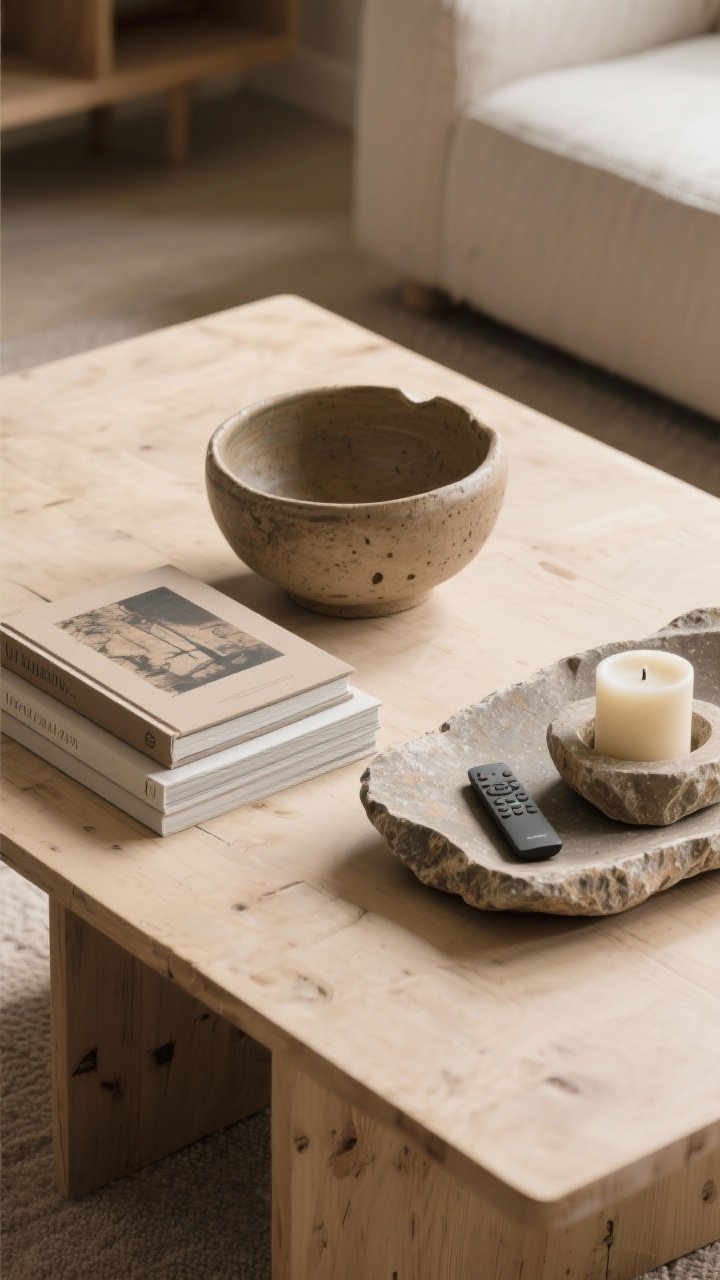
Japandi loves pieces with soul—imperfections included. Add wabi-sabi accents like hand-thrown vases, raw-edge ceramics, or a slightly weathered wood bowl. It’s calm, but never sterile.
Accent Ideas
- One statement bowl on the coffee table.
- Curated stack of two or three art books—no leaning towers.
- Organic tray in stone or wood to corral remotes and candles.
Keep it intentional: a few beautifully imperfect items beat a dozen random knickknacks. Think quiet poetry, not cluttered chorus.
8. Bring Nature In (Greenery, But Make It Minimal)
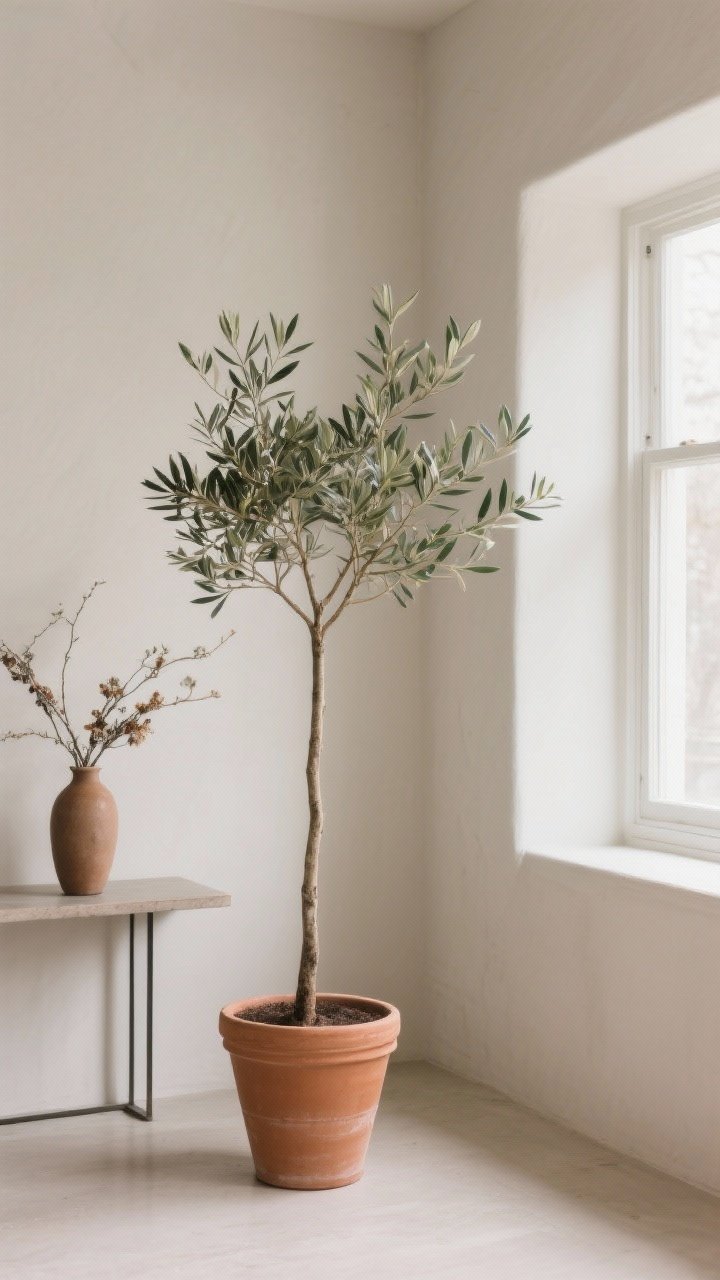
Plants instantly soften minimal spaces. Choose sculptural greens with clean lines—nothing too fluffy. A single fiddle-leaf, olive tree, rubber plant, or bonsai-inspired branch can work wonders.
How to Style Plants
- Use one large plant or a pair of small ones—not a mini forest.
- Pick simple pots in matte ceramic, cement, or warm clay.
- Try seasonal branches in a tall vase for an easy, chic refresh.
FYI: If you’re a plant assassin, go for dried branches or high-quality faux. The calm aesthetic does not include guilt over crispy leaves.
9. Simplify Storage With Thoughtful, Hidden Solutions
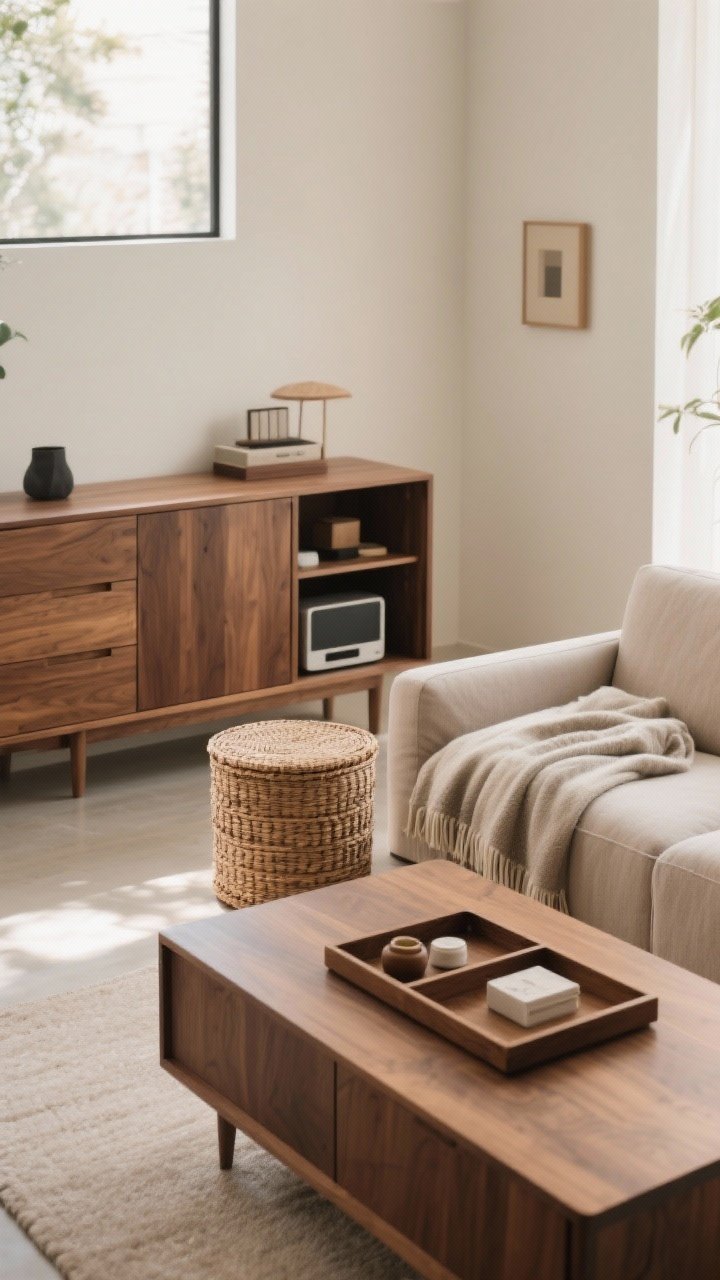
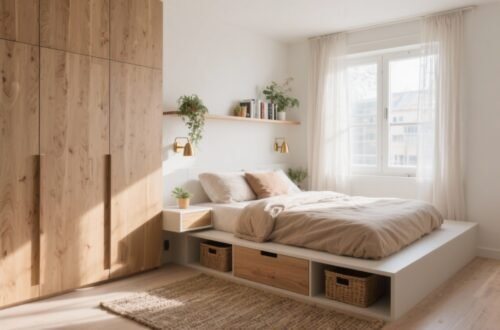
Visual clutter kills the vibe. Solve it with smart storage that blends in—closed cabinets, lidded baskets, and benches with hidden compartments. Your living room can be both minimal and lived-in, promise.
Clutter-Proof Moves
- Closed credenza in wood for tech, cables, and board games.
- Tray system on the coffee table to corral everyday items.
- Basket by the sofa for blankets and kids’ stuff (out of sight, out of mind).
Keep surfaces 80% clear. That last 20% is for life happening—mugs, mail, and the occasional very necessary snack plate.
Final Thought: Japandi is about calm, warmth, and intention. Start with one idea, edit ruthlessly, and let your space breathe. You’ll be surprised how quickly your living room starts to feel like a quiet retreat you actually want to come home to. And yes, your friends will absolutely notice.