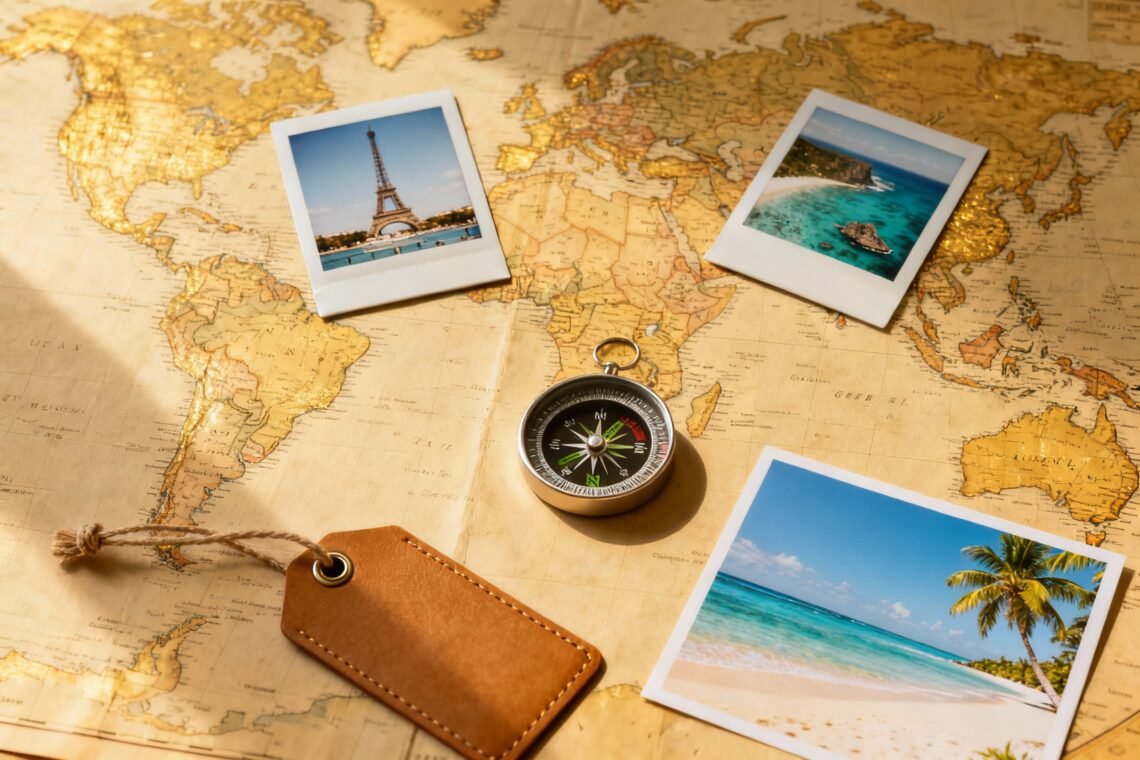
You don’t need a lottery win to start planning your dream trips—you need a clear picture that pulls you forward. A life vision board does that. It turns “someday” into “let’s book this.” Give your brain something to obsess over (in a good way), and watch how your travel dreams start nudging your calendar, budget, and habits.
Why a Travel Vision Board Actually Works
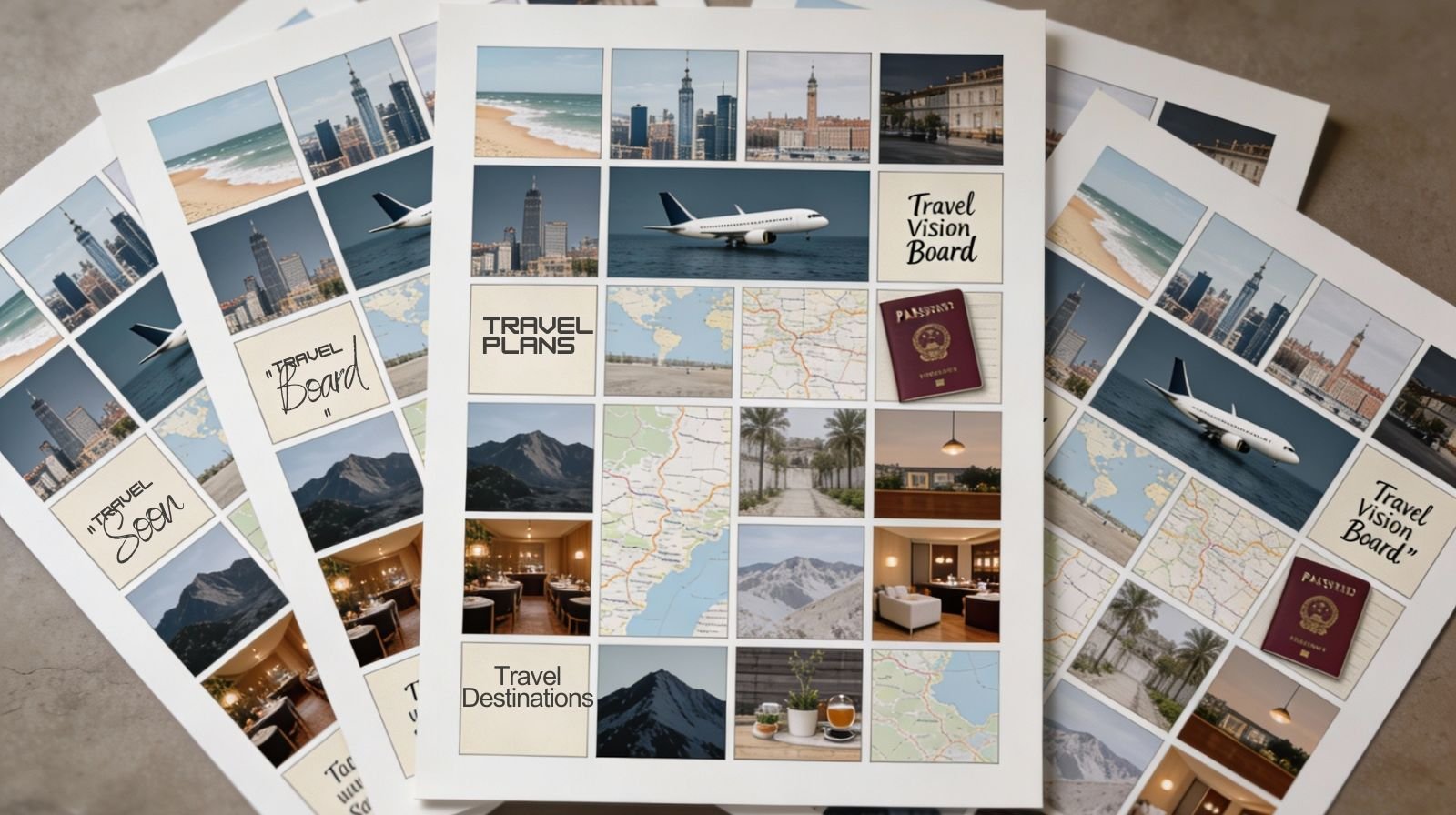
Your brain loves visuals.
When you see your dream destinations daily, you train your attention to spot chances—flight deals, unexpected time off, or that friend living in Lisbon. You also get a motivation boost because the goal feels real, not abstract. Clarity beats vague wishes every time. Also, vision boards feel fun, not like homework. When you enjoy the process, you stick with the plan.
And spoiler: consistency wins.
Example 1: The “Big Three” Dream Destinations Board
Keep it simple and focused. Choose three dream destinations and build a board for each with distinct vibes. This avoids overwhelm and helps your brain categorize goals.
- Header images: One giant, swoon-worthy photo per destination.
- Mini bucket lists: 3-5 must-do experiences per place.
- Budget tiles: Estimated flight + per-day cost + total.
- Season tiles: Best months to go (hello, cherry blossoms).
- Inspo textures: Fabric swatches, currency notes, ticket stubs.
Pro Tip: Make it time-bound
Attach a rough date to each destination. “Japan – Spring 2026,” “Iceland – Fall 2027,” “Costa Rica – Winter 2028.” Dates force momentum.
No dates = no urgency. IMO, this small tweak changes everything.
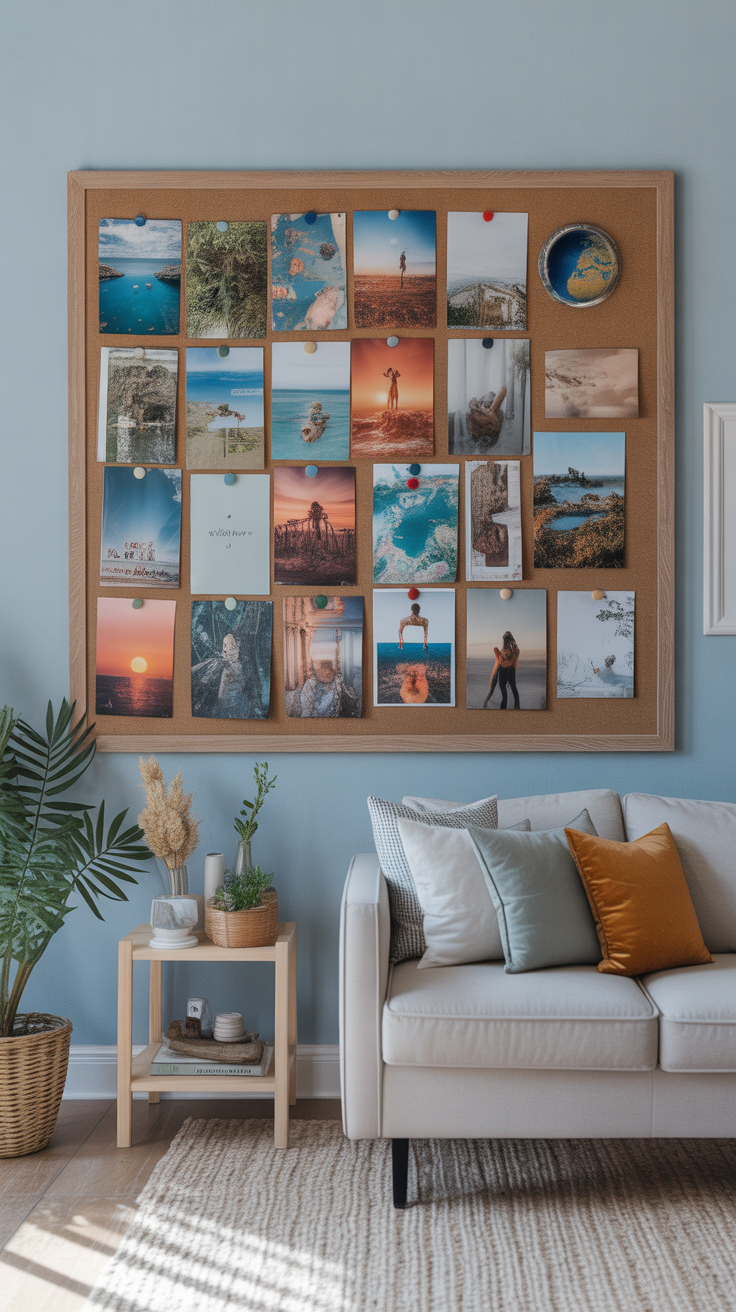
Example 2: The Experience-First Adventure Board
Not into specific places? Focus on experiences.
This board anchors around feelings and activities, not countries.
- Core themes: “Hike above the clouds,” “Taste something I can’t pronounce,” “Swim in turquoise water,” “Watch the Northern Lights.”
- Image clusters: Group by vibe: mountains, deserts, cities, islands.
- Bucket list tags: Add sticky notes with “1-week,” “3-day,” or “day trip.”
- Skills tiles: Micro-goals that unlock trips—basic scuba, hiking stamina, learning 50 words in Italian.
Why this works
You stay flexible. If flights to Norway spike, you can chase auroras in Finland or Iceland. When the experience matters more than the location, you always have options.
Example 3: The Budget Boss Board
Money stops a lot of trips. Let’s dismantle that with visuals that make saving feel doable—not depressing.
- Cost breakdowns: Flight, lodging, food, activities. Keep it realistic, not fantasy-land cheap.
- Savings trackers: A thermometer or mosaic you fill as you stash cash.
- Deal zones: Print screenshots of flight alerts, points redemptions, and off-season prices.
- Habit swaps: “1 coffee out/week = $60/month to Bali fund.” Cheesy? Maybe. Effective?Absolutely.
Use the envelope method (visual edition)
Have little envelopes pinned to your board labeled “Flights,” “Stay,” and “Experiences.” Drop in actual cash or notes with transfer amounts and dates. You’ll see the progress daily, not just in a banking app. FYI, visual progress hacks your motivation.
Example 4: The Slow Travel and Sabbatical Board
Maybe you want a month in one place or a year hopping around. This board helps you plot a lifestyle, not a weekend.
- Anchor city profiles: Cost of living, visas, coworking spaces, neighborhoods. Think Lisbon, Chiang Mai, Mexico City.
- Daily routine snapshots: Photos of morning markets, cozy writing nooks, bike routes.
- Work/Study tiles: Remote job requirements, time zone maps, language classes.
- Logistics checklist: Insurance, mail scanning, SIM options, banking.
Make it feel like your real life
Add pictures of the kind of apartment you’d rent, the cafe you’d haunt, and the park you’d run in. When you can “see” Tuesday afternoon in a new city, you’ll find a way to get there.
Example 5: The Friends & Family Memory Board
Travel hits different when you share it.
This board helps you coordinate group trips without chaos or 27 conflicting calendars.
- People tiles: Everyone adds one dream destination and one non-negotiable.
- Date votes: 2-3 blocks circled with sticky flags for availability.
- Vibe check: “Relax,” “Adventure,” “Food tour,” “Kids-friendly.”
- Shared budget bands: $ (hostels), $$ (Airbnbs), $$$ (hotels).
Decision rules
Pick a tie-breaker rule in advance like “lowest flight cost wins” or “shortest travel time for the majority.” Set the rule, then stick to it. Your group chat will thank you.
Example 6: The Seasonal Joy Board
You crave moods, not maps? Build a board around seasons. Then assign destinations to match.
- Winter wonder: Aurora hunting, sauna culture, alpine cabins.
- Spring bloom: Cherry blossoms, tulip fields, rainy city walks with cafes.
- Summer splash: Island hopping, road trips, rooftop sunsets.
- Fall glow: Foliage drives, wine harvests, sweater weather markets.
Match season to strategy
Under each season, list 3-5 realistic options and your price windows. “Fall: Kyoto, Vermont, Bavaria – aim for Sept/Oct, book by June.” You’ll catch better deals because you plan before the rush.
Example 7: The Identity Shift Board
Use travel to become a braver, more curious version of you.
This board centers on who you want to be, not just where you go.
- Identity statements: “I’m the person who hikes at sunrise,” “I talk to locals,” “I try the weird dish first.”
- Stretch goals: Solo trip, multi-day trek, language exchange.
- Proof tiles: Past wins: times you navigated, improvised, or handled chaos.
- Reward rituals: Tiny celebrations after each trip milestone.
Make it measurable
Attach numbers: “5 conversations with locals,” “1 sunrise hike,” “try 3 regional dishes.” Small, trackable wins build confidence fast. IMO, your mindset is the real passport.
Digital vs. Physical: Pick Your Canvas
You can go old-school or techy. Both work—choose the one you’ll actually look at daily.
- Physical boards: Corkboard or poster with printed photos, maps, envelopes, string paths.
- Digital boards: Pinterest, Notion, Canva, or a desktop wallpaper collage.
- Hybrid approach: Big physical board at home + synced digital checklist on your phone.
Update cadence
Set a recurring “board date” every month.
Edit budgets, swap destinations, add wins, remove ideas that don’t excite you anymore. Momentum loves maintenance.
What to Include on Any Travel Vision Board
Keep a few universal elements for clarity and action.
- Dates: Best months and target trip windows.
- Budgets: High/medium/low ranges and a savings plan.
- Experiences: 3-5 non-negotiables per location.
- Logistics: Passport status, visas, vaccines, travel cards.
- Next steps: One tiny action you can take this week.
Action ideas for this week
- Set a Google Flight alert.
- Block two potential trip weeks on your calendar.
- Put $25 into a dedicated travel account.
- Learn 10 phrases in the local language.
- Ask a friend to be your accountability buddy.
FAQ
How big should my vision board be?
Big enough to see from across the room, small enough not to annoy you. If you go physical, an 18×24 poster works great. For digital, keep it one main board and a few subpages so you don’t spiral into 47 tabs of chaos.
What if my goals change?
They will—good!
A vision board isn’t a contract; it’s a compass. Swap images, move dates, and refine budgets. As your taste and life evolve, your board should too.
Can I do this if I’m broke right now?
Yes. Start with micro-trips and savings visuals.
Build momentum with a nearby weekend getaway or a cheap off-season flight. The habit of planning and saving matters more than a flashy first trip. FYI, points and alerts can stretch budgets more than you think.
How do I avoid analysis paralysis?
Set limits. Three destinations max on your main board, five experiences per place, and one next step per week. Constraints create clarity. Decide fast, adjust later.
Isn’t this just scrapbooking with extra steps?
If scrapbooking could lower your flight costs and get you out the door, then yes—and we love that for you. Jokes aside, the board makes your goals visible, measurable, and emotionally sticky.
That combo works.
What tools do I need to start?
Scissors, tape, a printer, and a stack of mags for physical boards. For digital: Canva or Pinterest and a notes app. No fancy gear required. Start scrappy; polish later.
Wrap-Up: Build It, Then Book It
You don’t need perfect plans to start—you need a visual that makes your future trips feel close and exciting. Pick one of these seven board styles, or mash them up into your own flavor.
Add dates, rough budgets, and one tiny action for this week. Then keep showing up. The more you look at your travel dreams, the faster they turn into boarding passes.