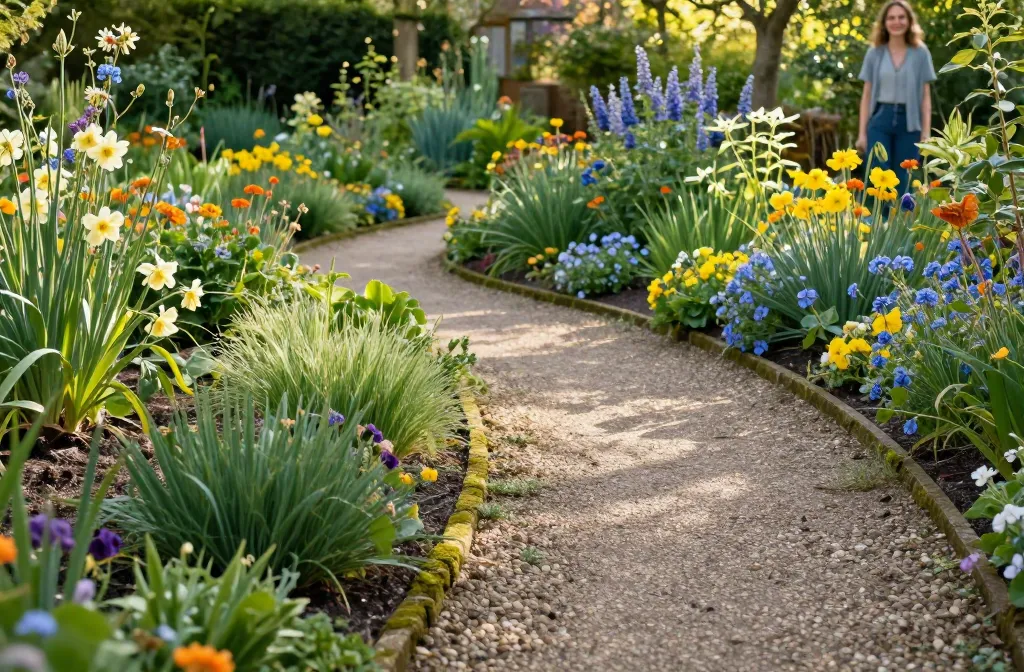
Quick, practical, and totally doable—these ideas turn any patch of soil into a living, breathing landscape. No green thumb? No problem. You’ll see results fast and have fun doing it.
1. Create a Native Plant Palette That Sparks Joy
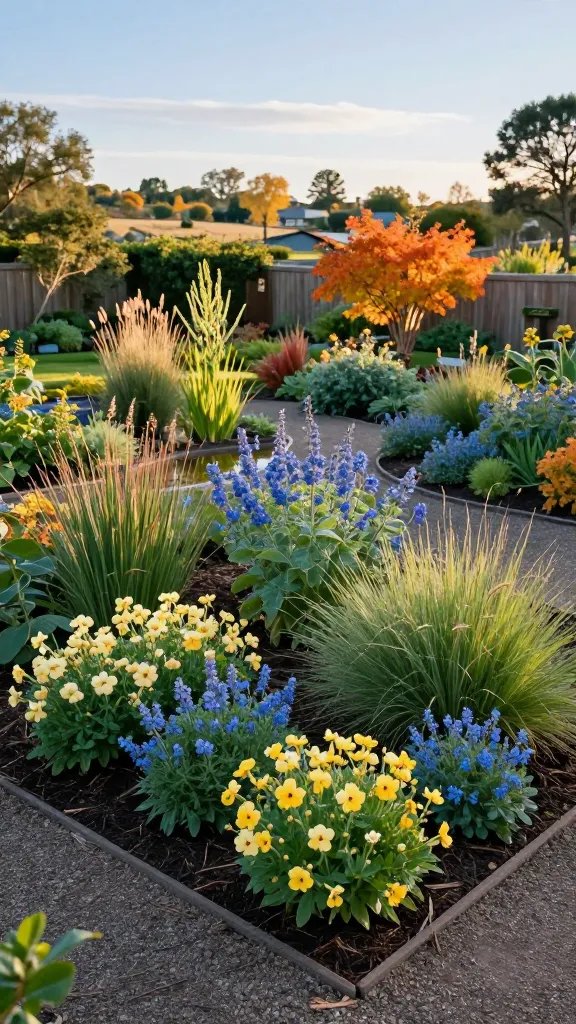
Choosing natives is the easiest way to skip guesswork and invite beneficial wildlife. Your garden will feel more connected to your region and less like a curated showroom.
Key Points
- Select a core group of 6–12 species that bloom across seasons
- Pair tall natives with groundcovers to reduce maintenance
- Consider soil, sun, and water needs to prevent daily babysitting
Tip: Start with a color rhythm—soft yellows in spring, bold blues in summer, warm oranges in fall—and let the garden tell its story. FYI, this approach is as eco-friendly as it gets.
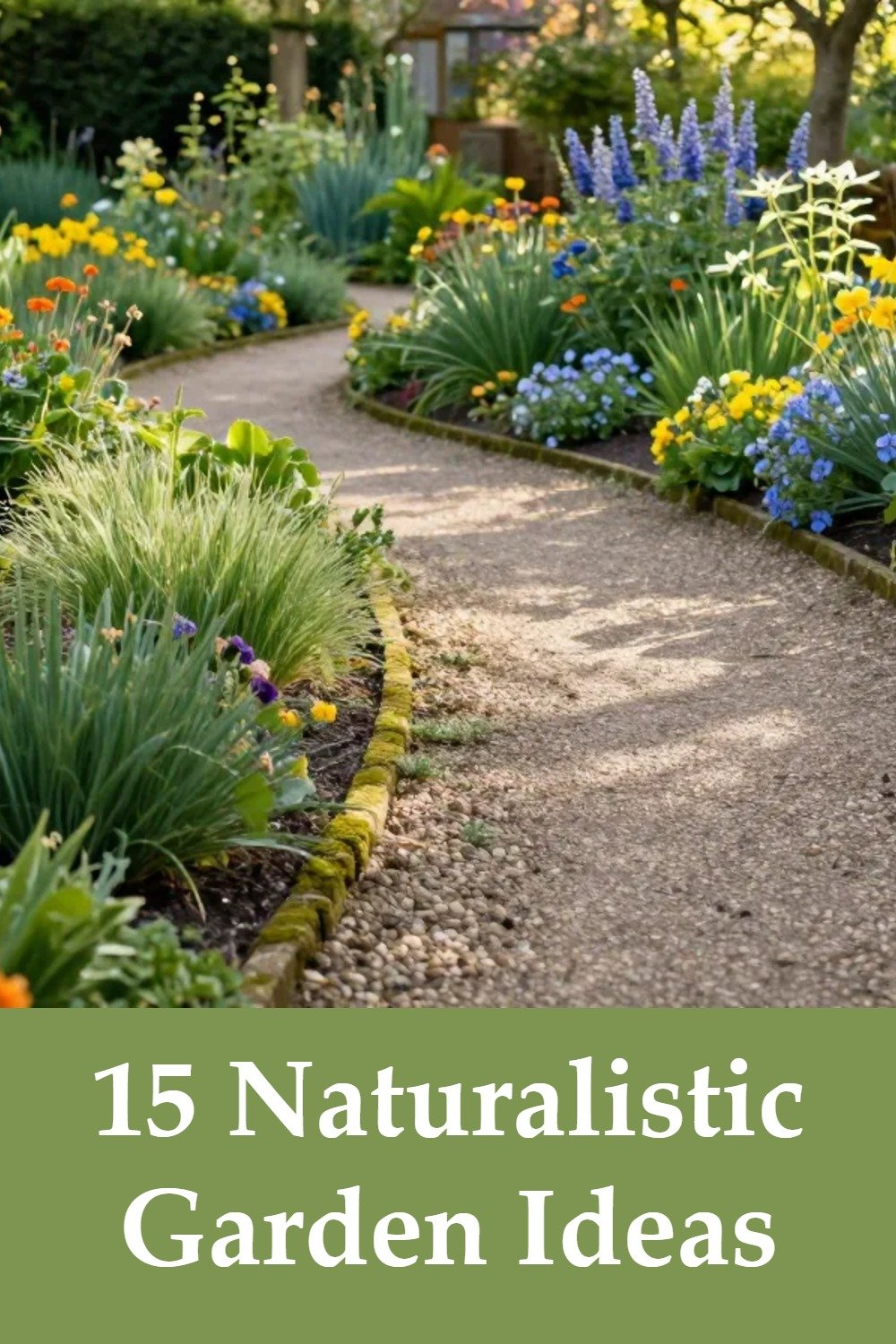
2. Embrace a Meandering Pathway with Pebbles and Grass
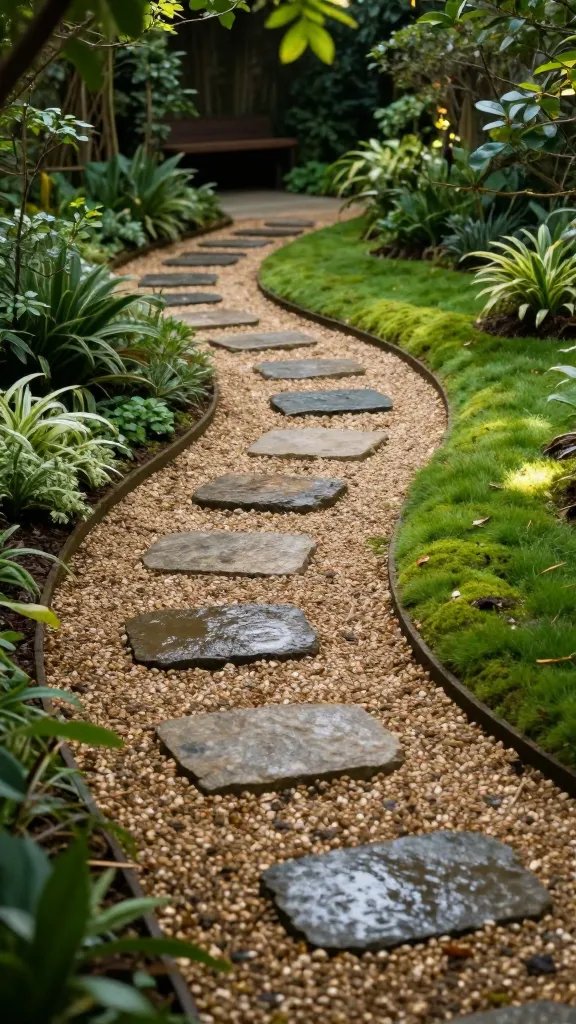
A winding route invites exploration and slows the eye down to savor every detail. It also hides a lot of garden secrets behind the scenes.
Why It Works
- Natural curves feel organic and inviting
- Gravel or stepping stones create tactile contrast
- Pathway edges can host low-growing groundcovers
Use a grass or moss edge for a soft transition. Seriously, it feels like strolling through a living painting.
3. Build a Low-Millennial Maintenance Rain Garden
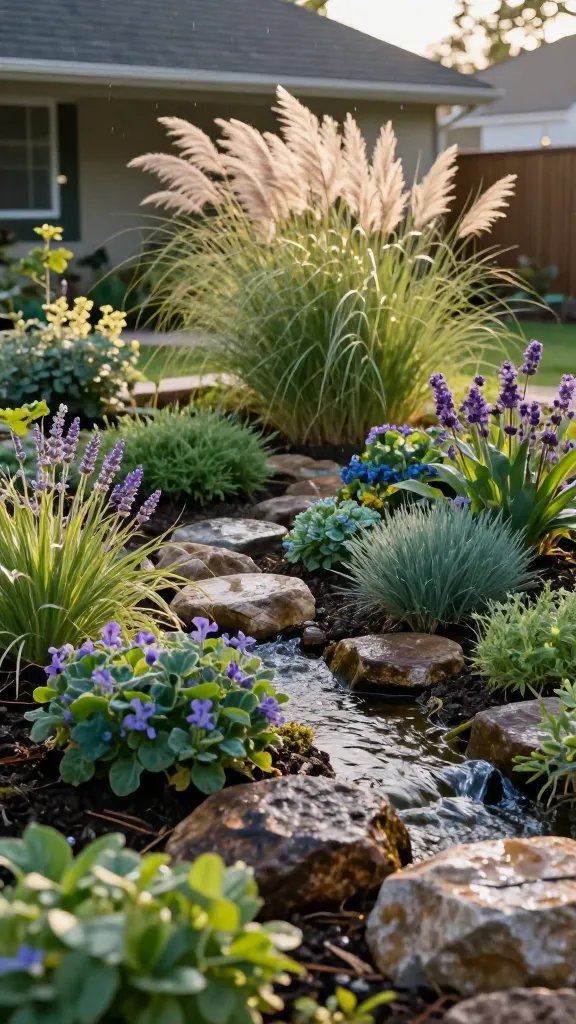
Rain gardens capture runoff and create a dynamic, ever-changing focal point. It’s practical beauty with a mission.
Design Elements
- Shallow depression planted with moisture-loving perennials
- Incorporate a few ornamental grasses for movement
- Aesthetically place rocks to guide water flow
Benefits stack up: better drainage, wildlife habitat, and less flooding during heavy rains. Trust me, neighbours will ask for your drainage secrets.
4. Create a Pollinator Oasis with Bright Blooms
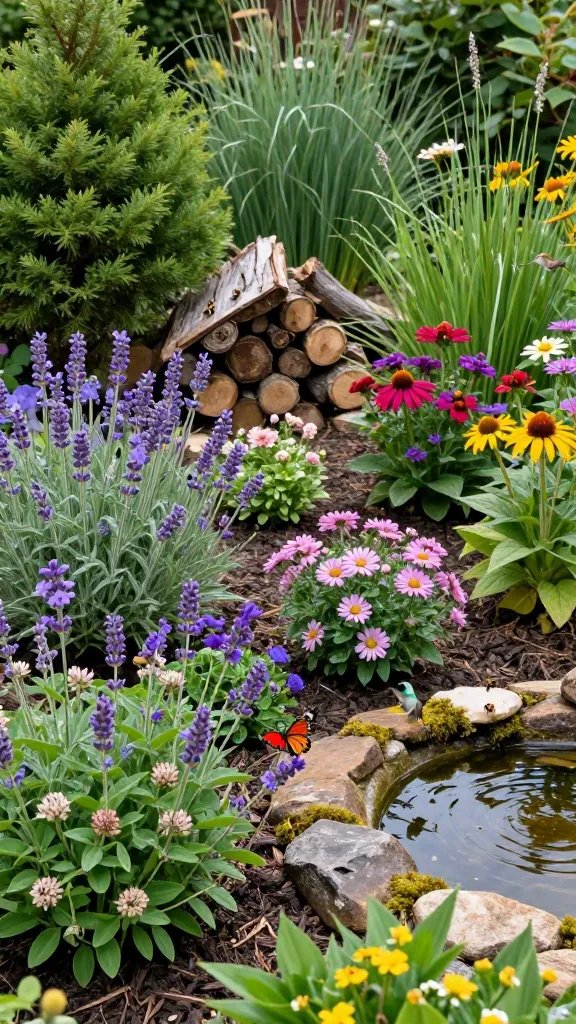
Pollinators crave nectar-rich flowers and shelter. Your garden becomes a buzzing, thriving microcosm—without shouting “garden” at the top of its lungs.
Tips
- Scatter blooms that attract bees, butterflies, and hummingbirds
- Provide shelter with shrubs and a small log pile
- Group similar plants for continuous nectar throughout the season
FYI, a small water source completes the scene and invites frequent visits from the tiny locals that keep your garden alive.
5. Install a Green Roof or Living Wall (Mini Edition)
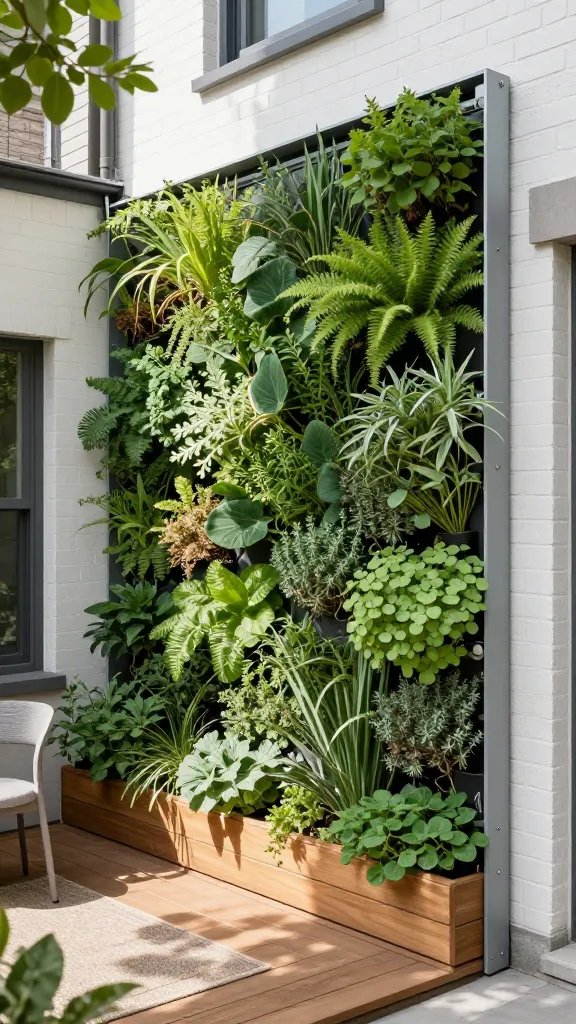
Vertical gardening saves space and creates a lush, immersive feel. It’s the green hug your outdoor area deserves.
Approach
- Choose shallow-rooted, hardy species
- Ensure proper drainage and irrigation planning
- Start with a modular system to keep things flexible
Benefits are real: cooling shade, improved air quality, and a striking focal point you can curate like a gallery. IMO, it’s one of the boldest moves you can make in small spaces.
6. Plant a Woodland Understory with Ferns and Fern-Like Perennials
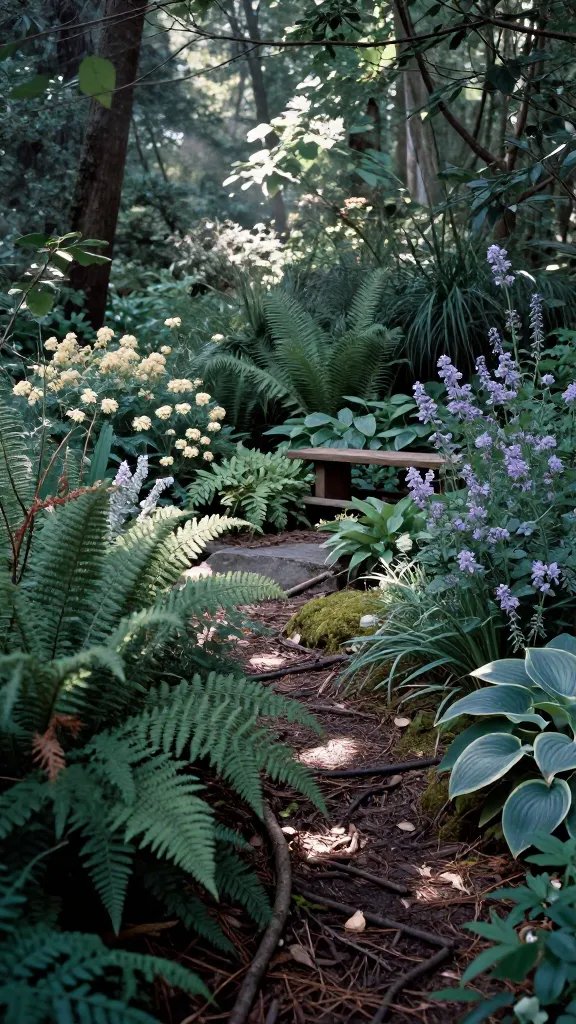
A shady, layered bed under a canopy of trees or tall shrubs creates a cool, magical vibe. It feels like discovering a secret corner in the forest.
Notes
- Mix different textures: ferns, hostas, and shade-tolerant perennials
- Mulch to retain moisture and deter weeds
- Leave some natural debris for texture and habitat
The payoff is a serene retreat where you can sip coffee and pretend you’re in a woodland postcard. Seriously relaxing.
7. Add A River of Wildflowers Along a Fenced Border
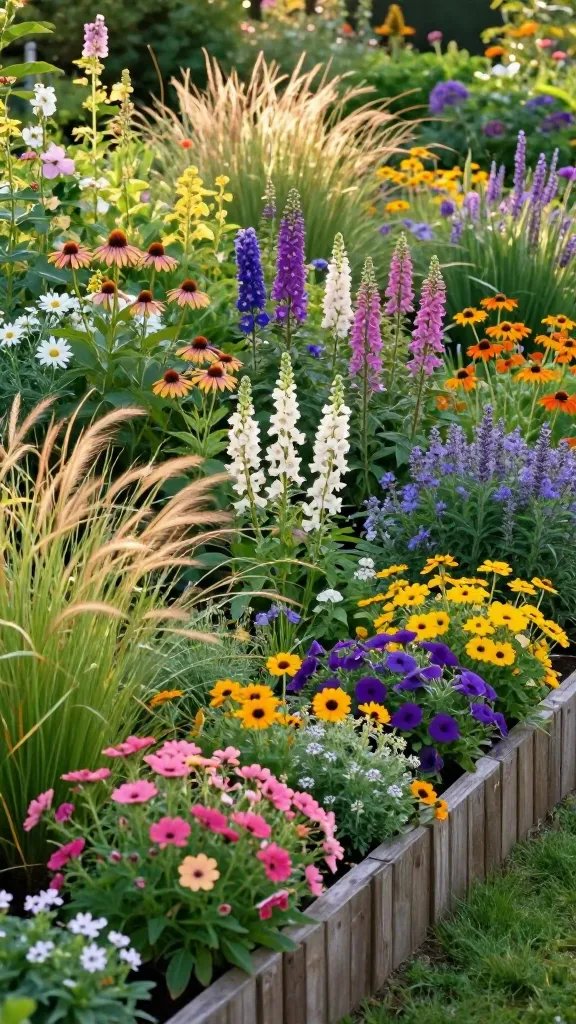
A free-spirited strip of color that moves with the breeze. It feels wild but is carefully curated for ongoing bloom.
What to Include
- Annuals for quick color and perennials for longevity
- Mix tall and low-growing varieties for rhythm
- Edge the bed with a native grass to soften transitions
Result: continuous drama from spring through late summer. It’s like having a living bouquet every day!
8. Create a Sand-and-Stone Zen Corner
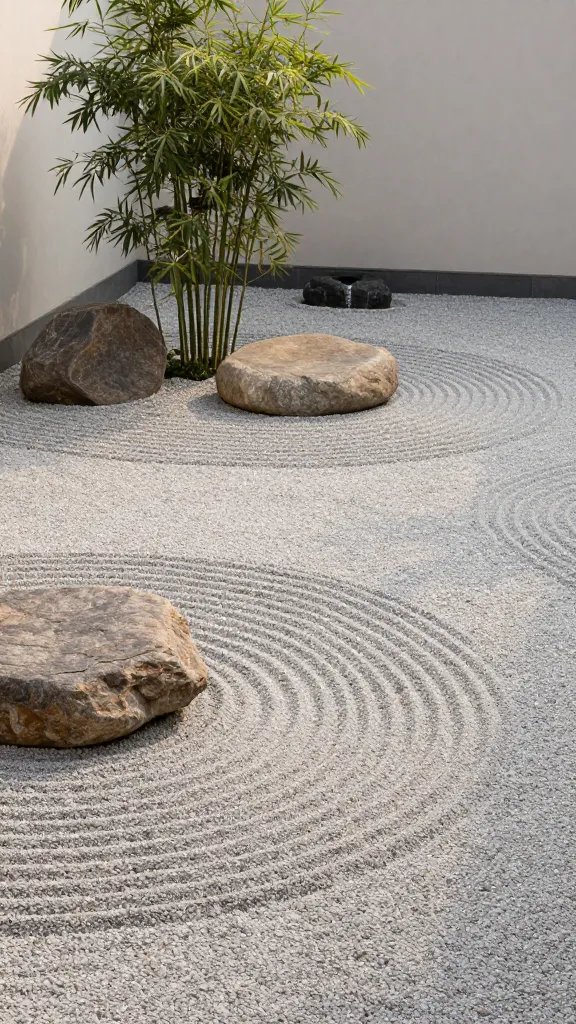
Raked gravel, smooth stones, and a few hardy, slow-growing plants create a minimalist, calming micro-environment. Zen vibes, zero pretension.
Essentials
- Fine gravel for cleaning lines
- One or two sculptural plants that don’t dominate
- Wind chime or a small water feature for ambient sound
Bonus: maintenance is surprisingly light. It’s the “spa day” of garden ideas—peaceful and easy.
9. Introduce Edible Perennial Pockets Among Ornamentals
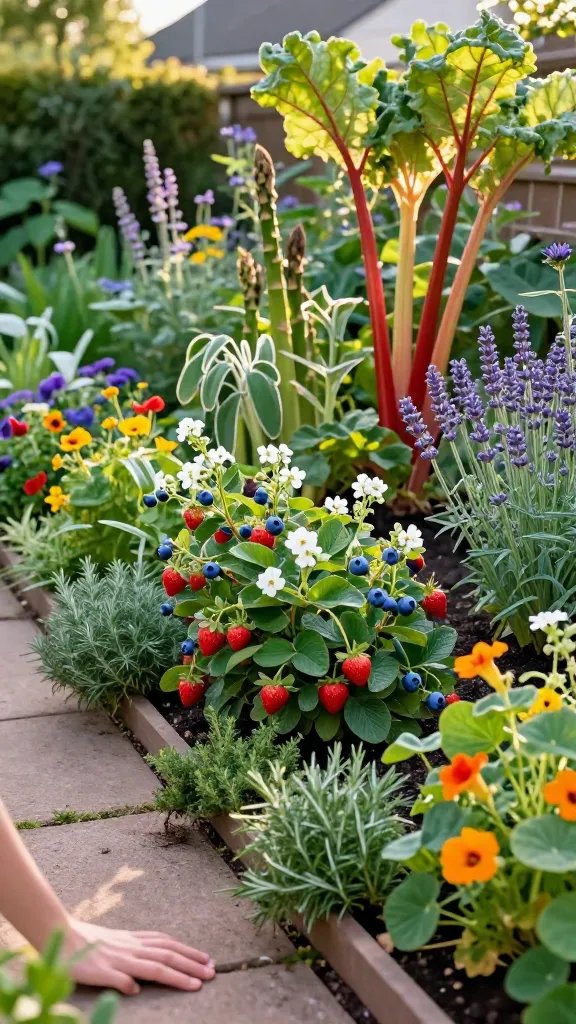
Food and beauty share the same bed—literally. You’ll harvest herbs and berries while enjoying a lush landscape.
What to Grow
- Herbs tucked into corners (rosemary, thyme)
- Berry bushes along a sunny edge
- Perennial vegetables like asparagus or rhubarb as anchors
Desire a snack while you weed? You got it. FYI, you’ll eat with your eyes first, so plan tastefully.
10. Craft a Native Grass Meadow for Low Care Color
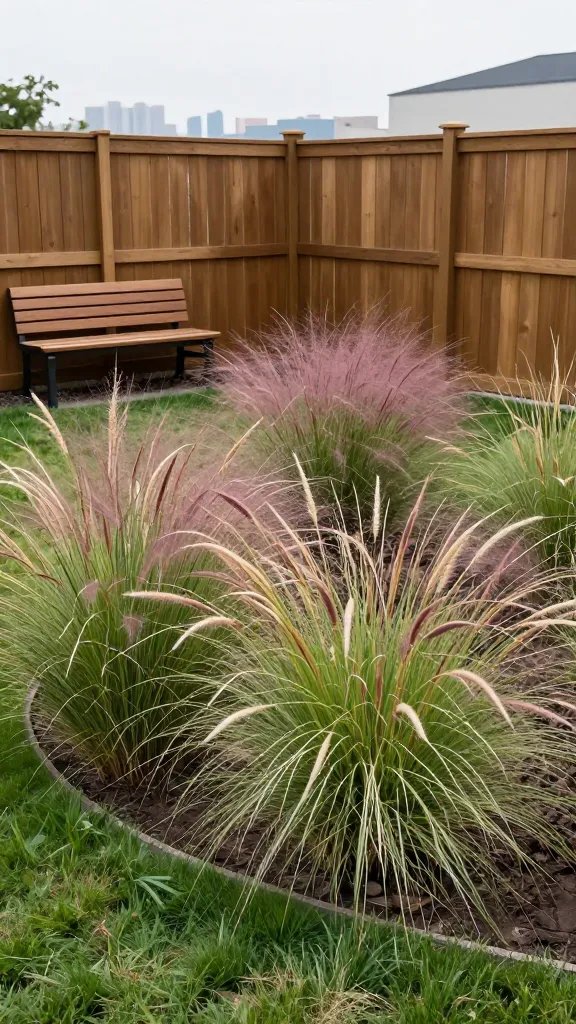
A meadow weaves texture and motion through wind and weather. It’s quiet drama, no mowing romance required.
Quick Setup
- Choose a mix of switchgrass, purple lovegrass, and little bluestem
- Leave seed heads for winter interest
- Mow lightly once a year to maintain structure
End result: a robust, wildlife-friendly space that still looks intentional and alive year-round.
11. Create Rustic Water Features for Dynamic Sound
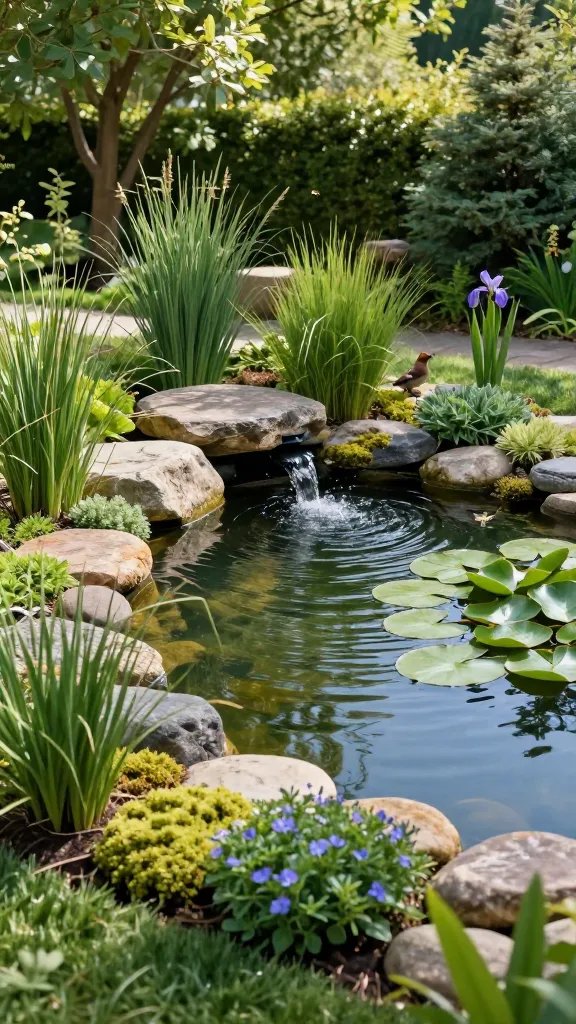
A small pond, a shallow water basin, or a bubbling rock can animate the space and invite wildlife.
Basics
- Beneficial aquatic plants for balance
- Aquiet solar-powered pump keeps things simple
- Shoreline plants to hide edges and soften the container
Water is the garden’s heartbeat—use it to create a sensory center you’ll actually use. Trust me, you’ll linger longer outside.
12. Design a Microclimate-Aligned Seating Nook
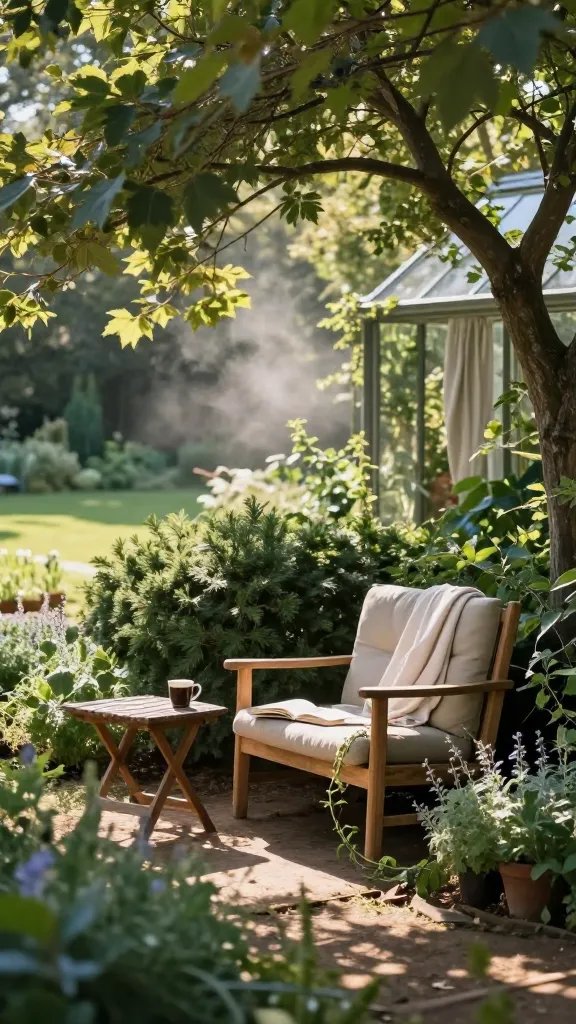
Put a chair or bench where sun, shade, and breeze converge for a perfect moment of stillness. The garden becomes a place to pause, not just look at.
Smart Moves
- Position for light breezes in summer and shelter in winter
- Add a small table for coffee or a book
- Plant around the seat to block sightlines and create privacy
Bonus: a little greenhouse effect from nearby foliage means you can enjoy outdoor time more often.
13. Layer Structure with Shrubs, Then Groundcovers
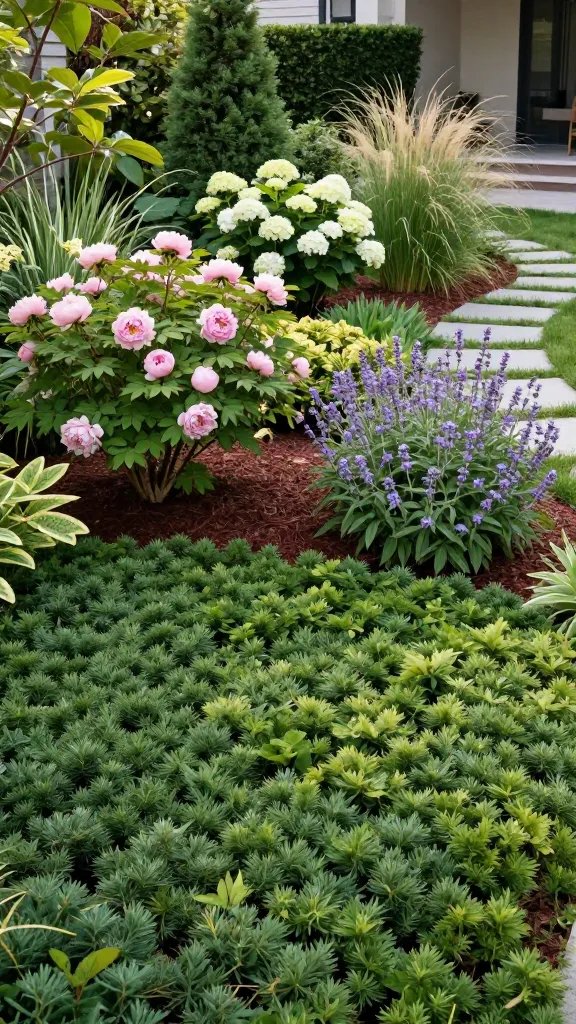
Height variation makes any space feel intentional and larger than life. A shrub backbone with cushiony groundcovers is the secret sauce.
How-To
- Choose 2–3 shrubs with different bloom seasons
- Fill gaps with evergreen groundcovers for color year-round
- Use mulch to tie layers together and reduce weeds
When done right, you’ll have depth you can walk into and explore. Seriously satisfying to every palette.
14. Build a Compost-Top Fertile Bed for Instant perks
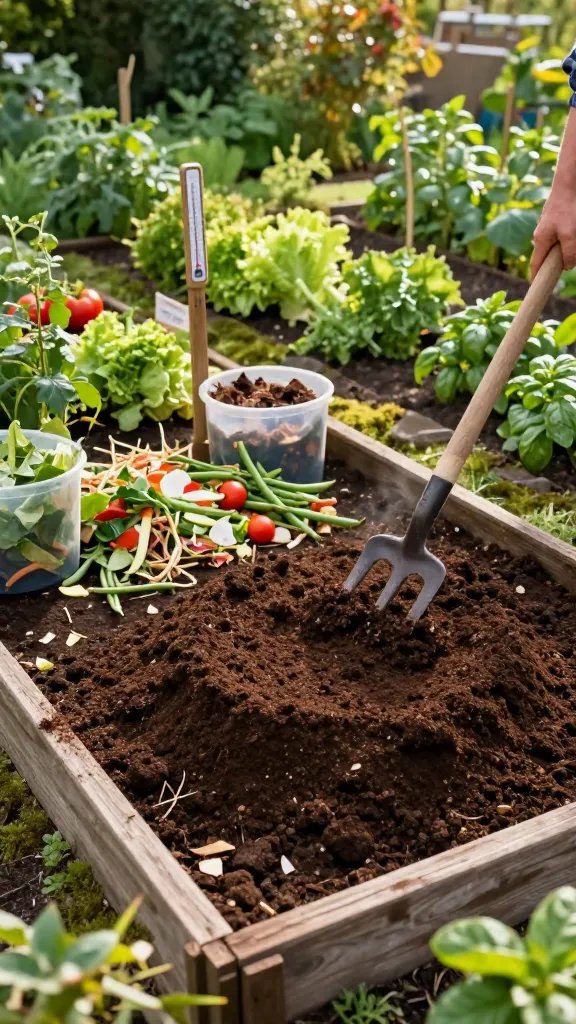
Compost isn’t gross; it’s gold. A neatly managed compost bed feeds all your other ideas while teaching you composting tricks you’ll brag about.
What to Do
- Aerate regularly to avoid odors and break down faster
- Layer greens and browns for balanced nutrients
- Use finished compost to enrich planting areas
Benefit: richer soil, healthier plants, and less waste. IMO, this one pays for itself in months.
15. Design a Flexible Container Garden that Packs a Punch
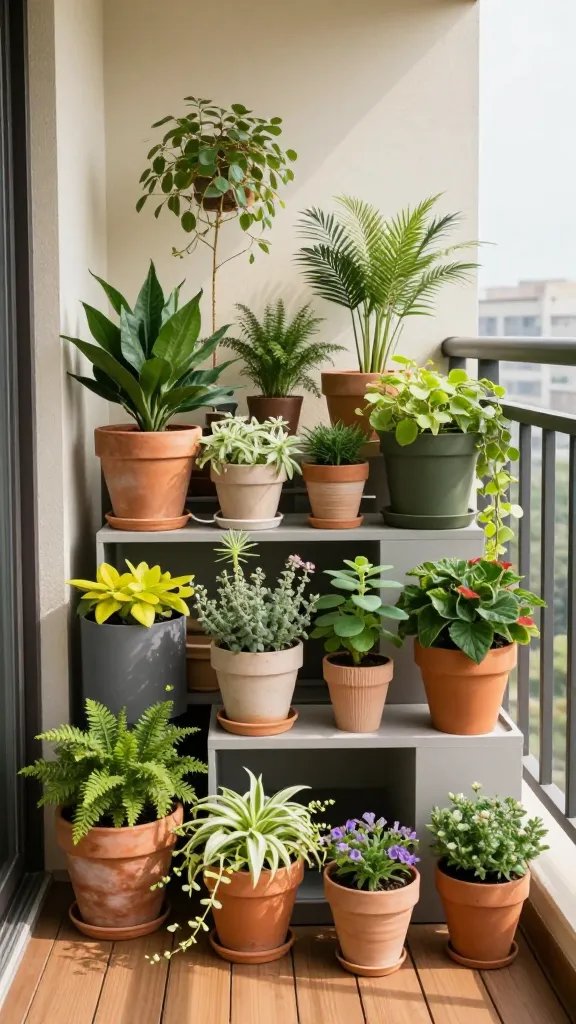
In a small space or on a balcony, containers let you experiment with textures and colors on a budget. They’re portable, interchangeable, and endlessly customizable.
Container Tips
- Choose a mix of tall, mid, and trailing plants for rhythm
- Group containers in odd numbers for visual balance
- Select self-watering pots for busy weeks
End note: containers give you freedom to try seasonal shifts without committing the whole yard. It’s like a test kitchen for garden design.
Ready to dive in? Pick a couple of these naturalistic ideas and start small—your future self will thank you. FYI, the best gardens aren’t perfect; they’re patiently imperfect and alive with surprises.
Now grab your gloves, choose a sunniest corner, and get started. You’re about to turn a patch of earth into a relaxing, vibrant, living show—no drama required, just a little dirt and a lot of joy.