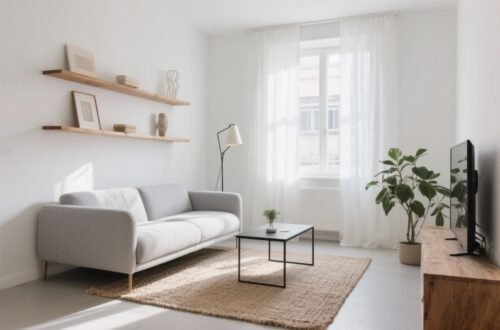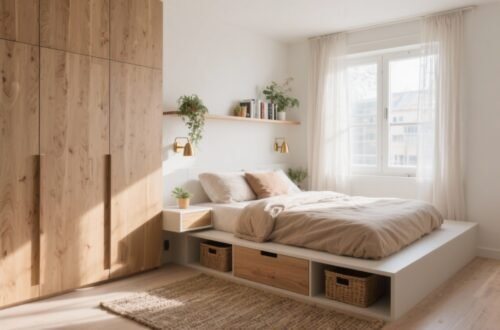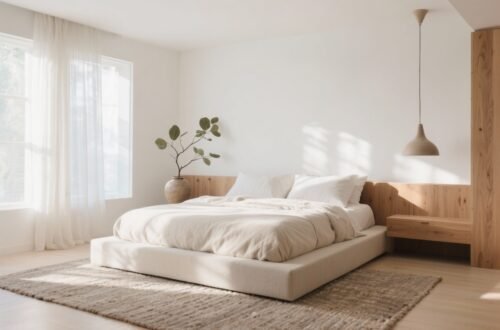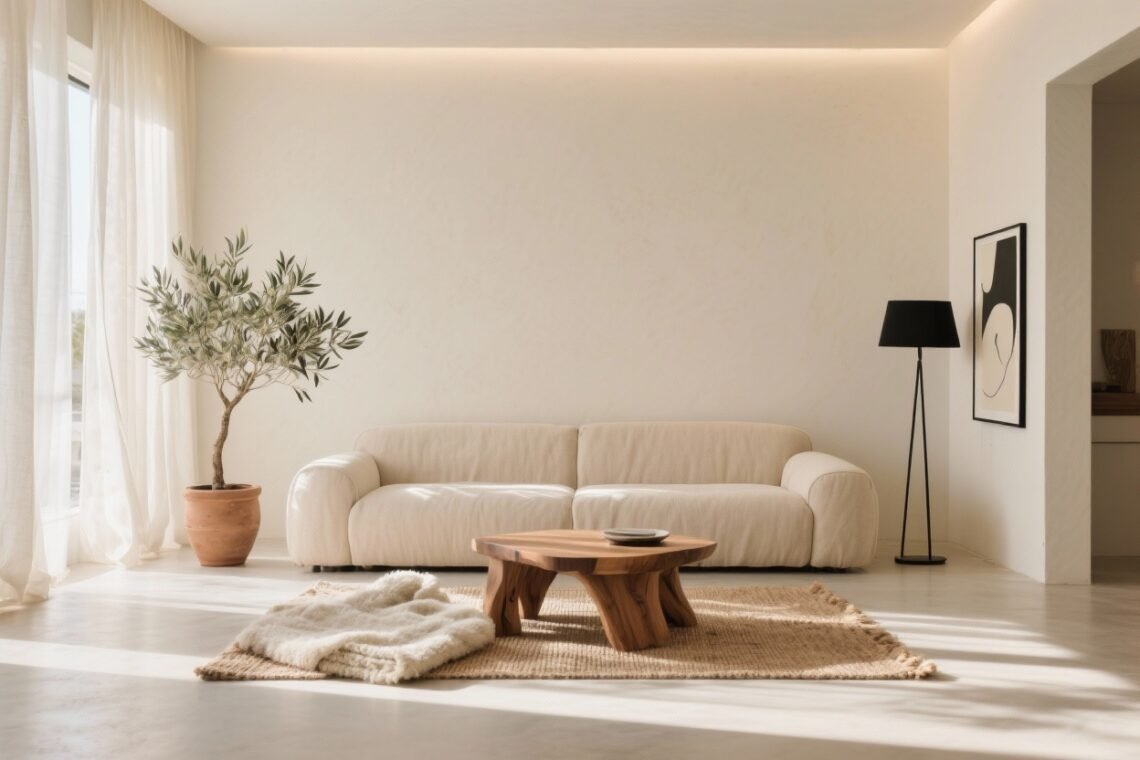
Your living room called—it wants to breathe. Neutral and sleek doesn’t mean boring; it means calm, chic, and ridiculously easy to keep looking pulled together. If your space is craving that minimalist vibe without feeling cold or empty, you’re in the right place.
Below are 12 Neutral and Sleek Living Room Ideas (consider it your Minimalist Living Room Inspiration Guide) you can actually use. We’re talking layered textures, right-sized furniture, and a few clever swaps that instantly upgrade your space. Ready?
1. Curate A Calm Color Story
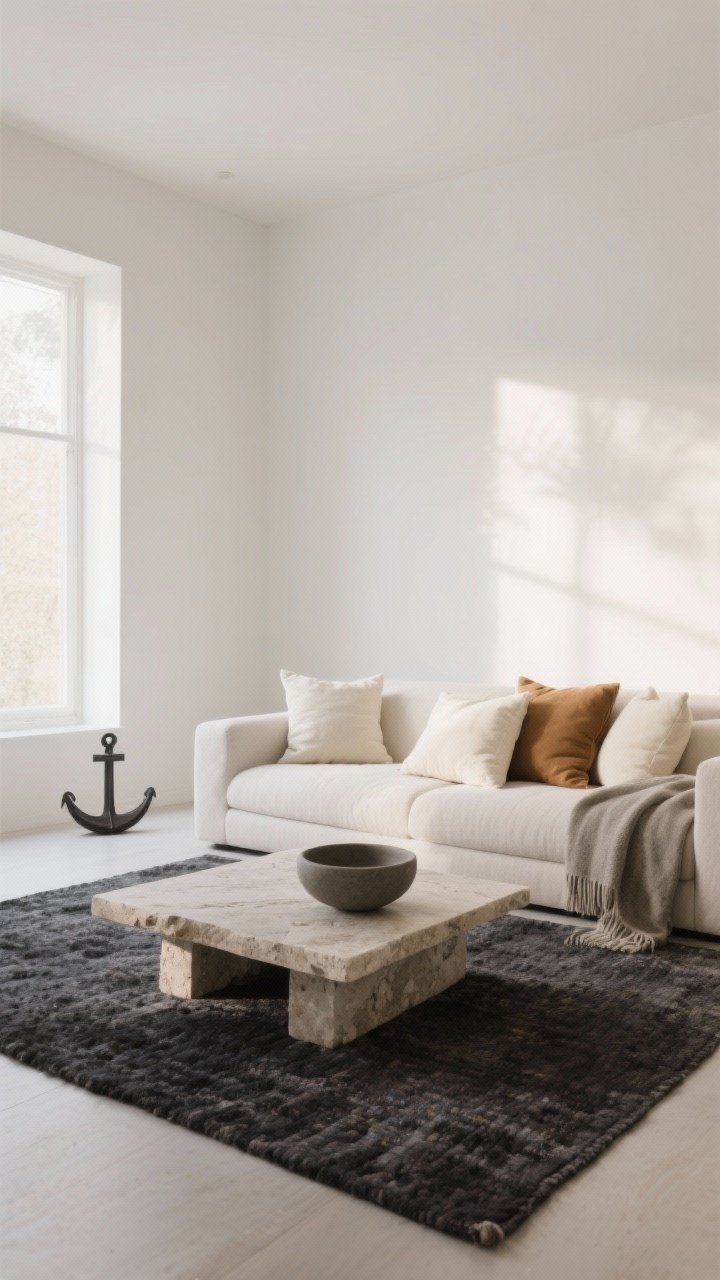
Start with a tight palette. Think warm whites, putty, mushroom, greige, sand, or soft charcoal. Pick three core tones and stick to them for walls, upholstery, and large surfaces. That’s how you get the sleek, gallery-like vibe without trying too hard.
How To Build Your Palette
- Base: Soft white or warm beige on walls for a clean backdrop.
- Anchor: Charcoal, espresso, or deep taupe on a rug or sofa for grounding.
- Accent: Cream, stone, or camel on pillows, throws, and art.
Pro move: Sample paint in morning and evening light. Neutral shades shift—don’t let your “perfect greige” go purple at sunset, FYI.
2. Choose Sleek Silhouettes (And Ditch The Visual Noise)
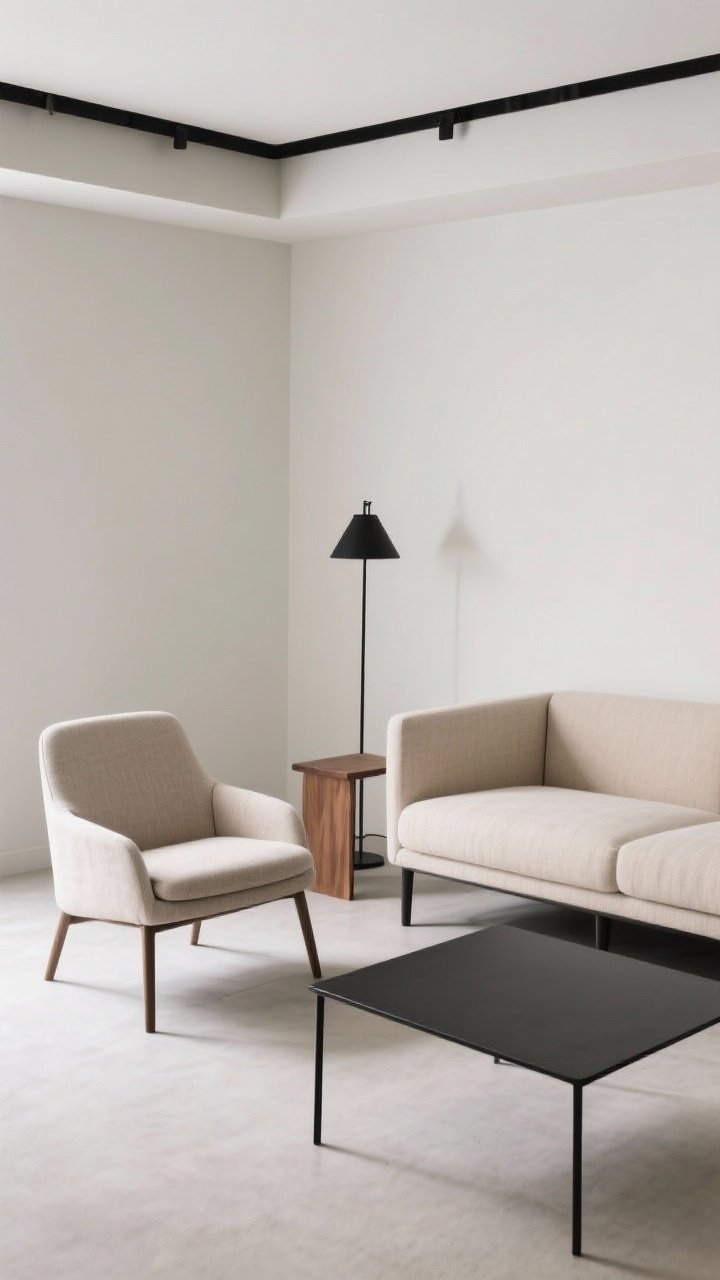
Minimalist doesn’t mean tiny. It means intentional. Keep lines clean: track-arm sofas, armless accent chairs, and slim coffee tables. Avoid fussy curves unless they’re purposeful—one sculptural chair is chic; five is chaos.
Shopping Guidelines
- Legs matter: Exposed legs lighten the look; solid bases feel heavier and grounded.
- Scale counts: If your ceiling is low, choose low-profile pieces to elongate the room.
- Material mix: Wood + linen + metal = balanced, modern minimal.
Keep finishes consistent: brushed brass or matte black—don’t do both unless you’re confident. IMO, matte black is timeless and forgiving.
3. Layer Textures Like A Pro
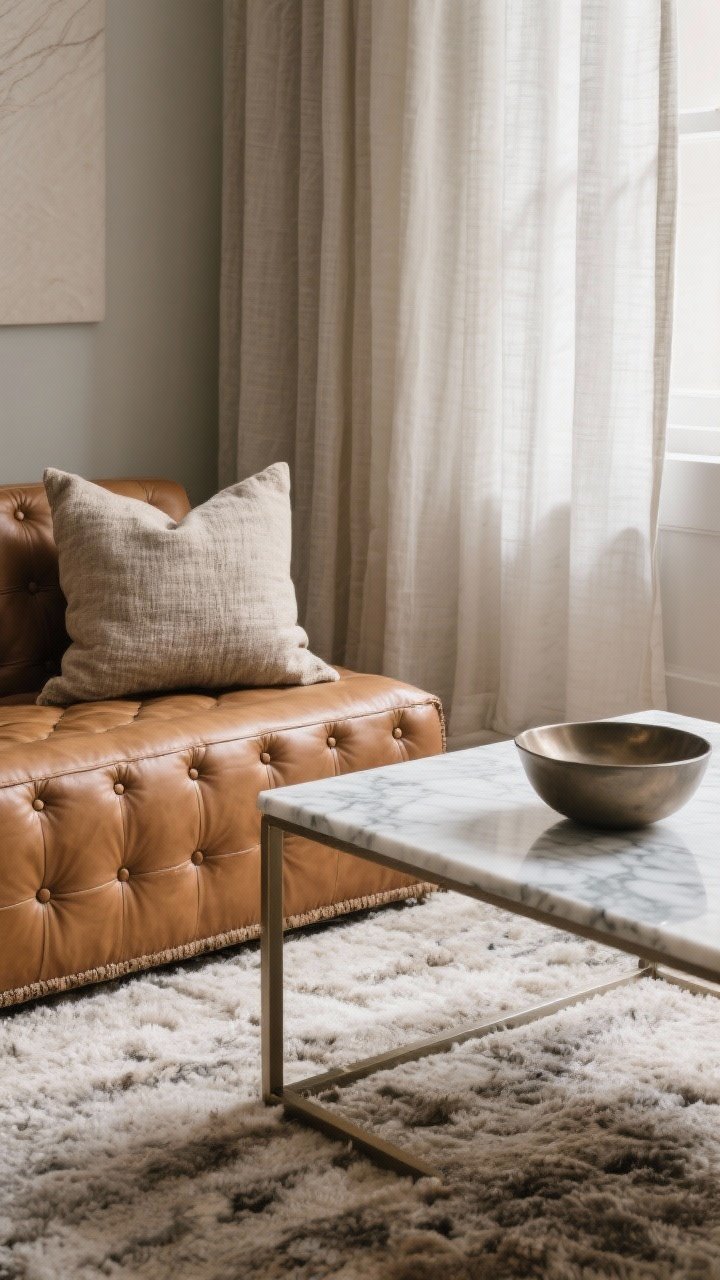
When your palette is quiet, texture does the talking. Mix nubby linens with smooth leather, natural wood with polished stone. It’s how you get depth without color overload.
High-Impact Texture Combos
- Rug: Hand-tufted wool or flatweave jute for a subtle base.
- Throws: Chunky knit or cashmere for soft contrast.
- Tables: Marble or travertine top with a slim metal frame.
- Curtains: Unlined linen for those dreamy, soft shadows.
Tip: Keep textures matte leaning. High-shine can look glam fast. A little sheen (silk pillow, metallic bowl) is enough.
4. Edit Ruthlessly (Clutter Is Not Cute)
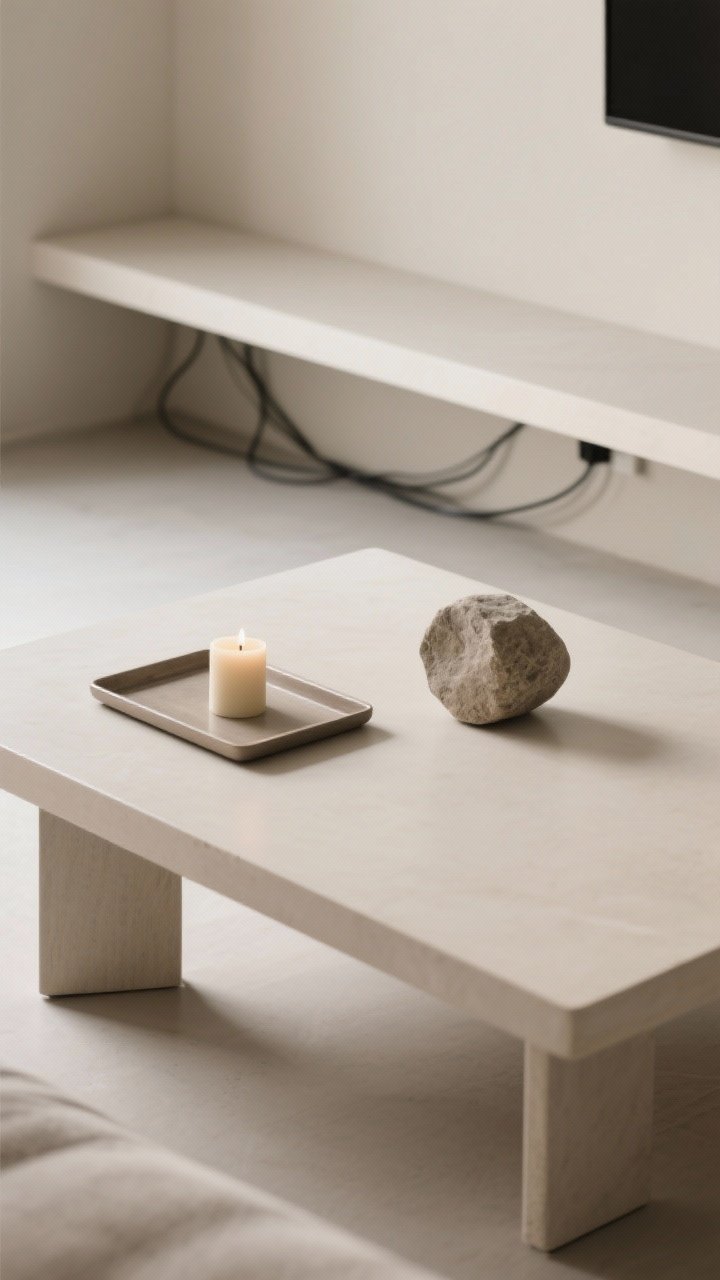
Minimalist living rooms succeed because there’s room for your eyes to rest. Edit surfaces until they feel calm. If it doesn’t spark joy or function, it’s out. Yes, even the stack of “decorative” coffee table books you don’t read.
The One-In, One-Out Rule
- Surfaces: No more than three items per table—tray, candle, sculptural object.
- Shelves: Leave negative space; it highlights what’s there.
- Cords: Conceal with cable raceways, floor outlets, or cord clips behind legs.
Set a monthly 15-minute reset timer. It’s wild what accumulates when you’re not looking.
5. Invest In A Statement Sofa
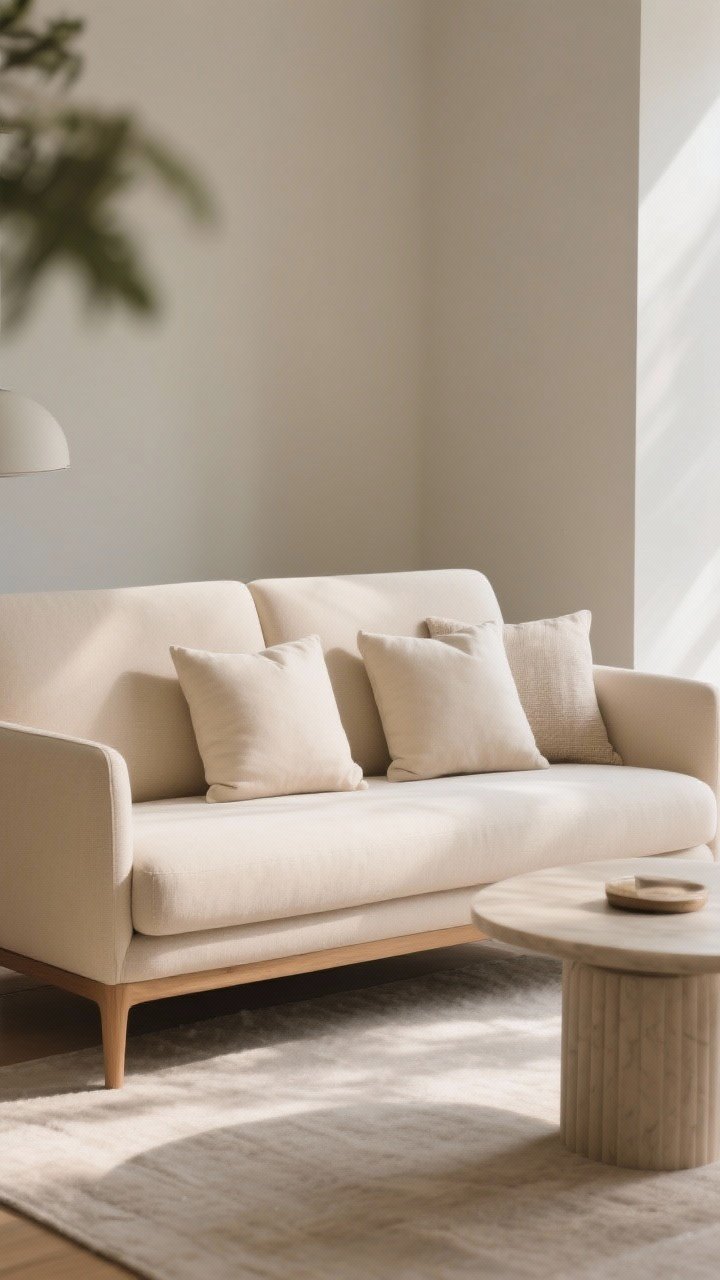
The sofa is the anchor. Choose one that’s neutral, structured, and super comfy. Go for performance fabrics in bisque, stone, or oatmeal so you don’t freak every time someone eats popcorn (it happens).
What To Look For
- Seat depth: 22–24″ for lounging; 20–22″ for more upright sits.
- Back height: Low to mid for a minimalist profile that doesn’t crowd the room.
- Legs or plinth: Legs feel lighter; plinth bases feel more architectural.
PS: Skip the pile of pillows. Two oversized squares + one lumbar = balanced and chic.
6. Let The Rug Do The Heavy Lifting
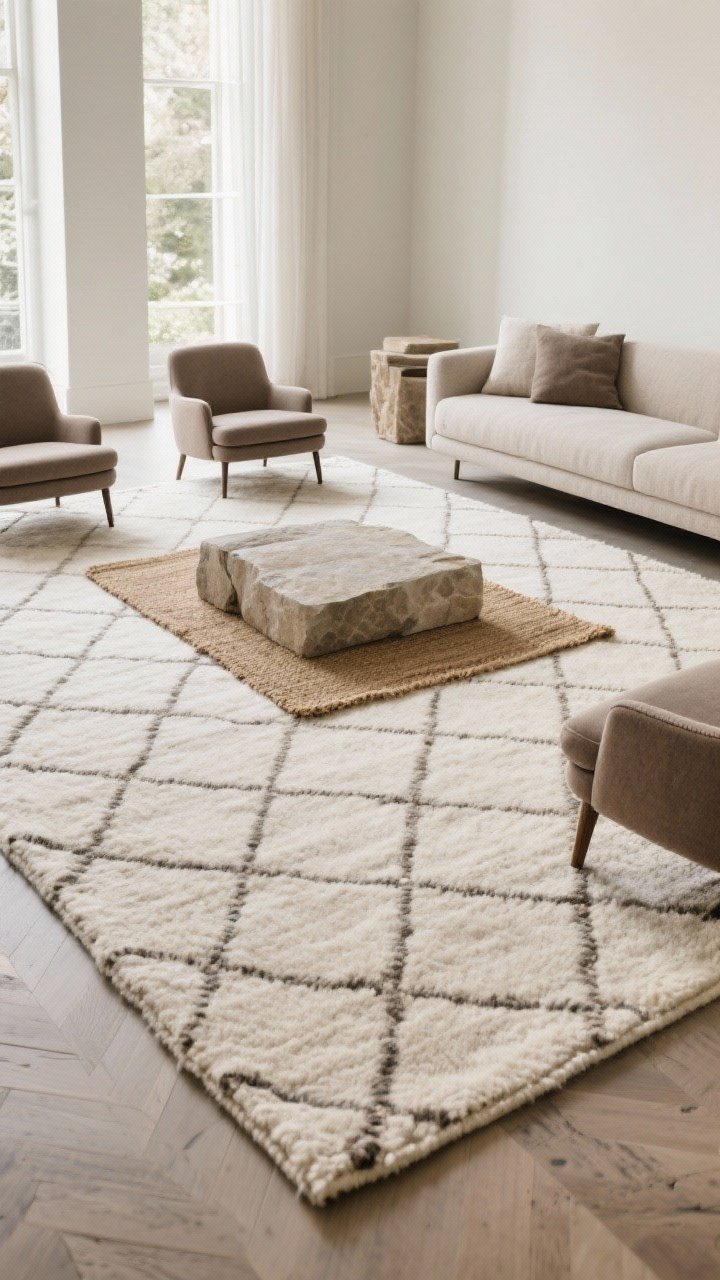
A rug ties the room together and sets the tone. Neutral doesn’t mean bland—go for soft patterns like micro-herringbone, tonal stripes, or subtle diamond weaves. The trick? Oversize it.
Rug Sizing 101
- Front legs of all seating should sit on the rug—always.
- Leave 8–12″ of floor around the rug border for breathing room.
- If in doubt, size up. Small rugs make rooms feel choppy.
Material tip: Wool is durable and cozy. Jute is earthy but can be scratchy—layer a wool flatweave on top for comfort and style.
7. Master Minimalist Lighting Layers
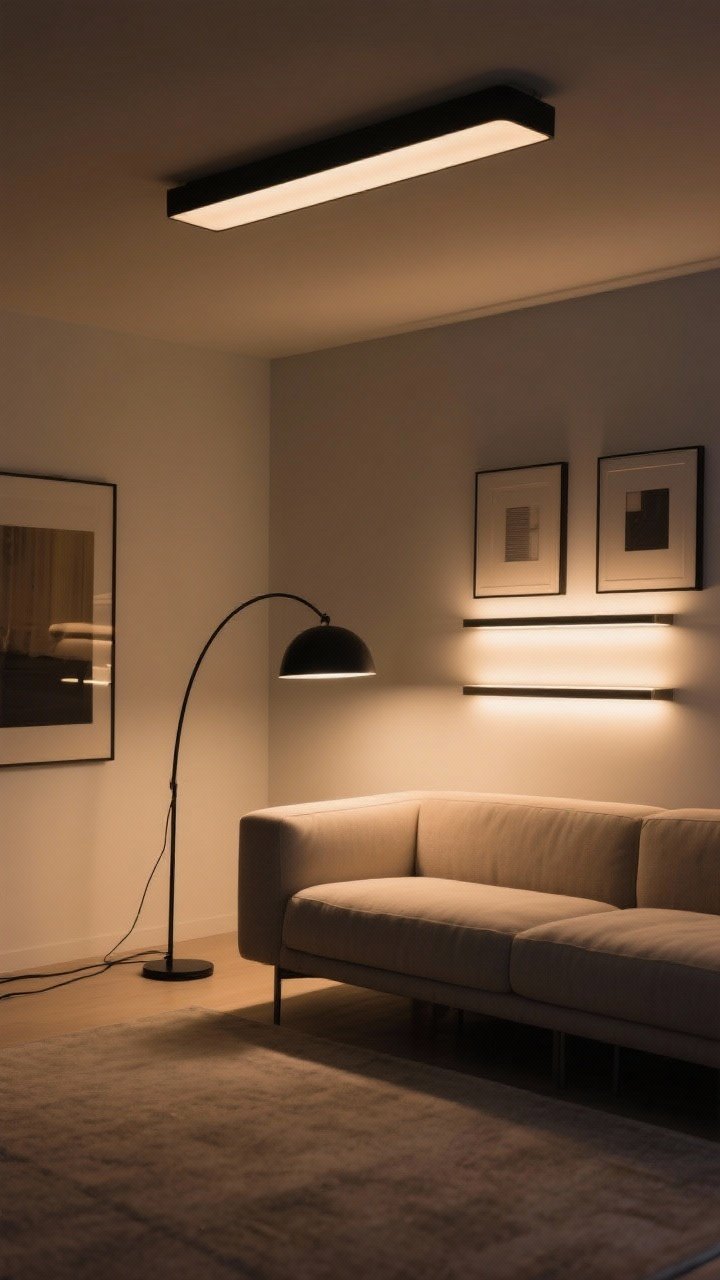
One overhead light is a vibe killer. Use a three-point lighting plan: ambient (ceiling), task (floor/desk), and accent (sconces or picture lights). Keep shapes simple and finishes consistent.
Lighting Checklist
- Overhead: Flush or semi-flush with a clean silhouette (or a slim linear chandelier if you’re fancy).
- Floor lamp: Arc or tripod in matte black or brushed metal.
- Warm bulbs: 2700–3000K, dimmable. Harsh white lighting ruins everything, FYI.
Bonus: Add smart plugs or a dimmer switch so you can shift the mood from “emails” to “movie night” in seconds.
8. Go Big On Simple Art
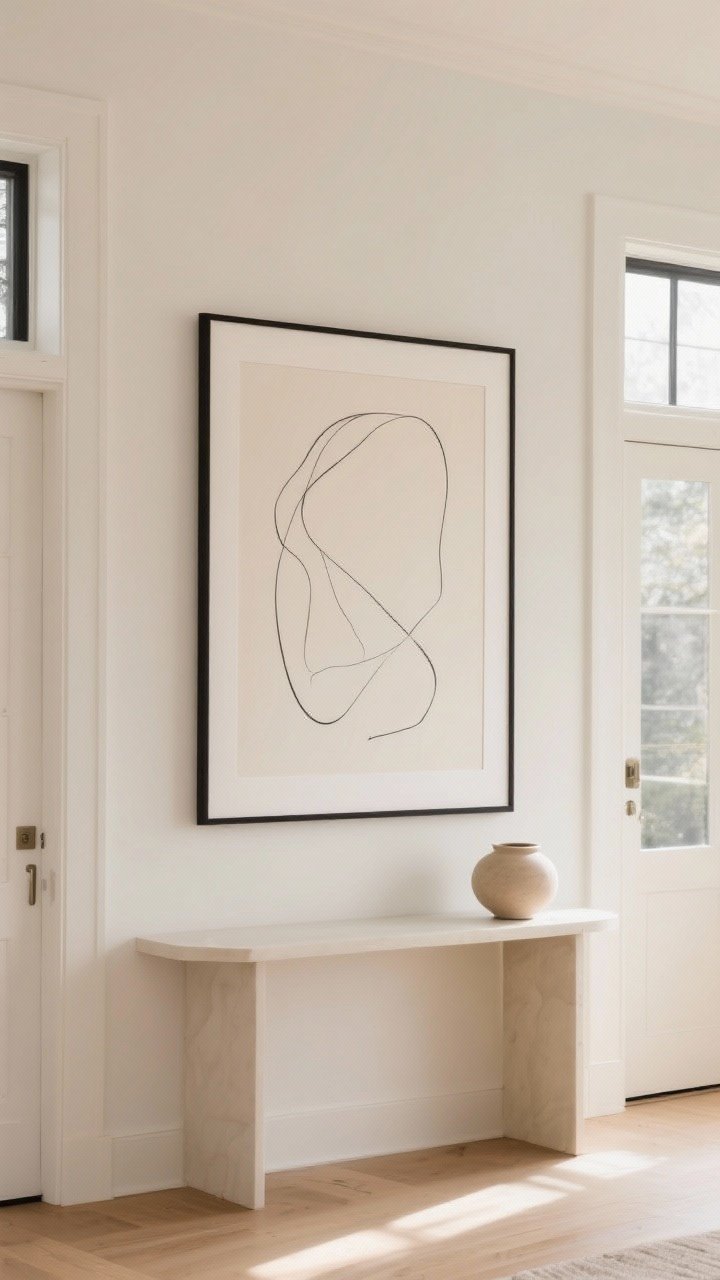
Minimal rooms love art with breathing space. Choose one large piece or a tight diptych rather than a fussy gallery wall. Think abstract forms, line drawings, or black-and-white photography in thin frames.
Placement Tips
- Center art at eye level—roughly 57″ to the middle of the piece.
- Leave generous margins around the art so it doesn’t fight with windows or doorways.
- Use neutral mats (white or off-white) to elevate even simple prints.
If you’re renting, removable hooks are your best friend. And yes, leaning art on a console is allowed—and very chic.
9. Elevate Storage With Architectural Lines
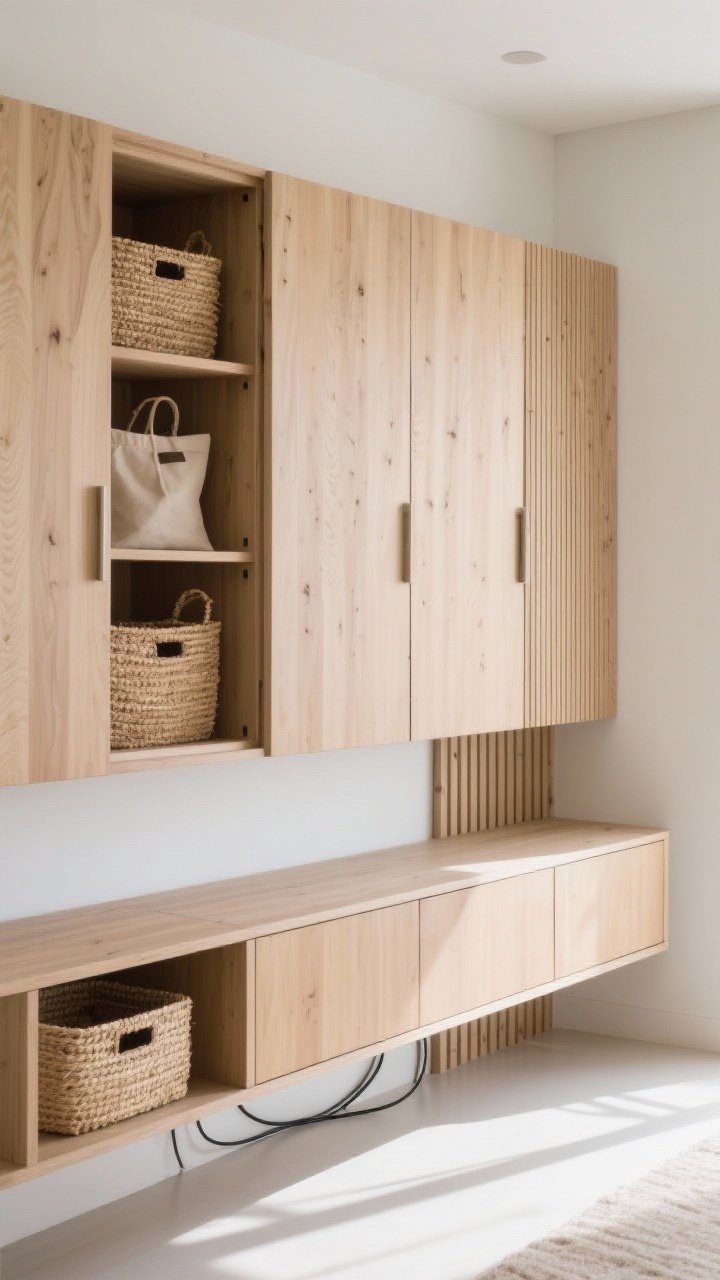
Storage but make it sleek. Built-ins with flat-panel doors, floating credenzas, and closed storage keep visual clutter out of sight. This is where minimalist magic really happens.
Storage That Works
- Media console: Low, long, and wall-mounted if possible.
- Sideboard: Channeled or ribbed wood fronts add subtle texture.
- Baskets: Woven seagrass or canvas bins inside cabinets for cords, remotes, and kid stuff.
Hardware tip: Go handle-less with push-latch doors or slim pulls in one finish throughout the room.
10. Bring Nature In (But Keep It Sculptural)
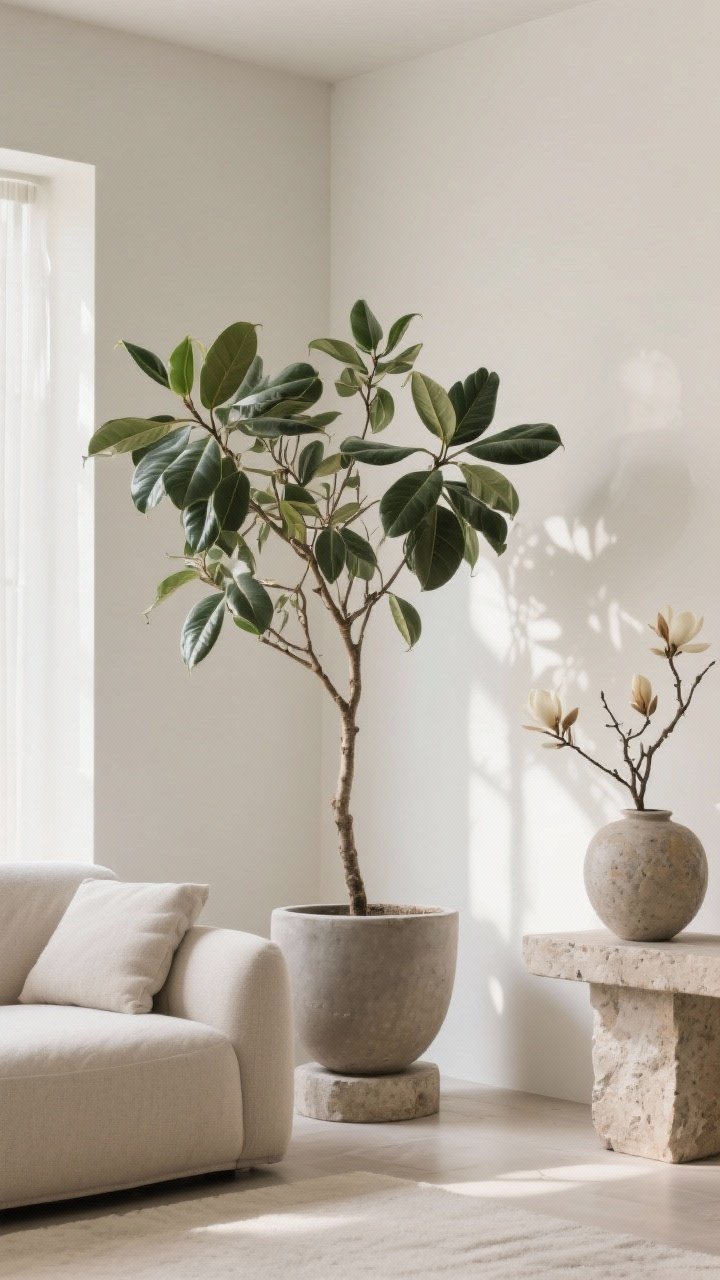
Greenery softens all those clean lines. Choose plants with sculptural shapes—olive trees, rubber plants, a big monstera if you want drama. Keep pots neutral and matte so the leaves shine.
Low-Maintenance Plant Picks
- Olive tree: Airy, elegant, and photos beautifully.
- ZZ plant: Thrives on neglect—perfect for forgetful waterers.
- Snake plant: Architectural silhouette, low light friendly.
No green thumb? Dried branches (quince, magnolia) in a stone vase are stunning and zero maintenance, IMO.
11. Edit Accessories With Intention
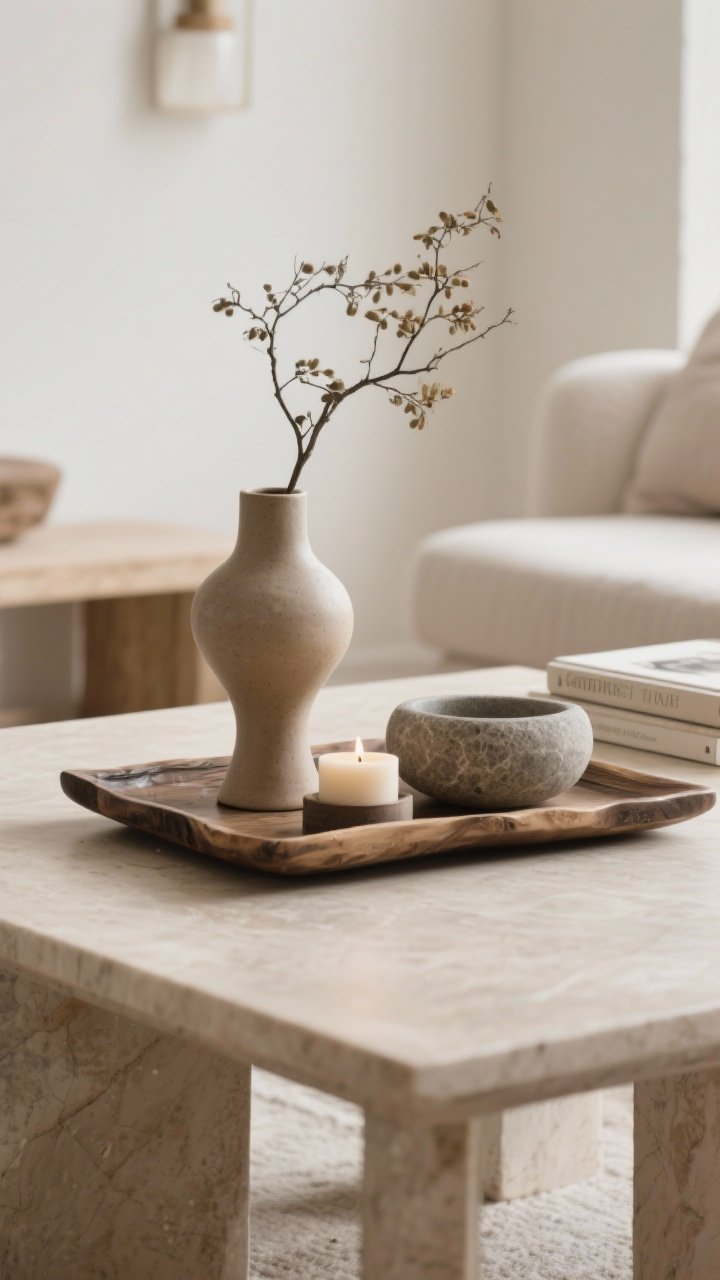
Accessories make or break the minimalist look. Choose fewer, better pieces that have weight and presence—stone bowls, a single ceramic vessel, a handcrafted tray. Let each item have a job or a story.
Styling Formula For Coffee Tables
- Base: A tray to corral everything and add structure.
- Height: A tall branch or sculptural object for vertical interest.
- Function: Candle + single book (quality over quantity).
Rotate seasonally to keep it fresh: swap the throw, change the candle scent, switch the branches. Small changes, big vibe shift.
12. Design For Flow And Breathing Room
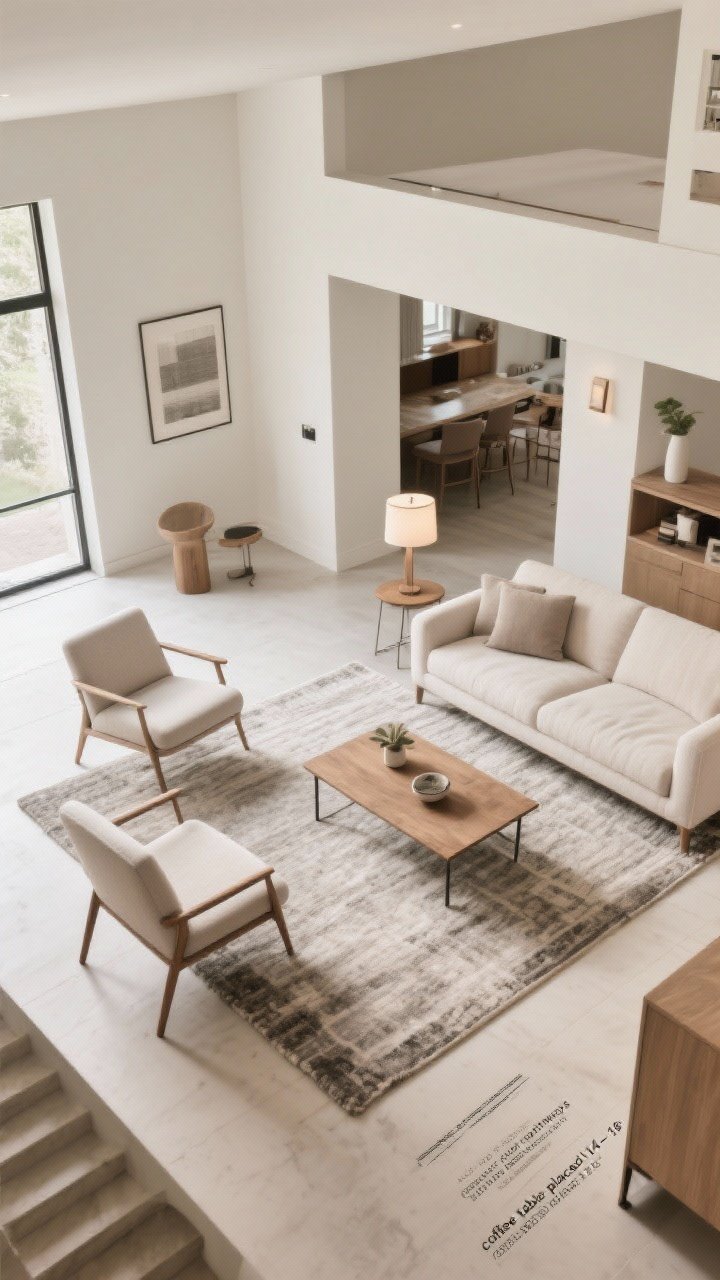
The sleek look relies on space. Give your furniture room to breathe—literally. Keep pathways clear and avoid overfilling corners just because they’re empty.
Layout Rules That Never Fail
- Clearance: 30–36″ between furniture for comfortable movement.
- Coffee table distance: 14–18″ from the sofa for easy reach.
- Conversation layout: Chairs angled toward the sofa so talking feels natural.
Open concept? Define zones with rugs and lighting, not walls. Let your eye travel—minimalist rooms feel calm because they flow.
Bonus Mini-Tweaks That Max Out The Look
- Swap busy drapery rods for sleek ceiling tracks—instant elevation.
- Use matching pillow inserts (down or faux-down) for clean, consistent shapes.
- Hide remotes in the console and add a universal remote app to your phone.
Conclusion
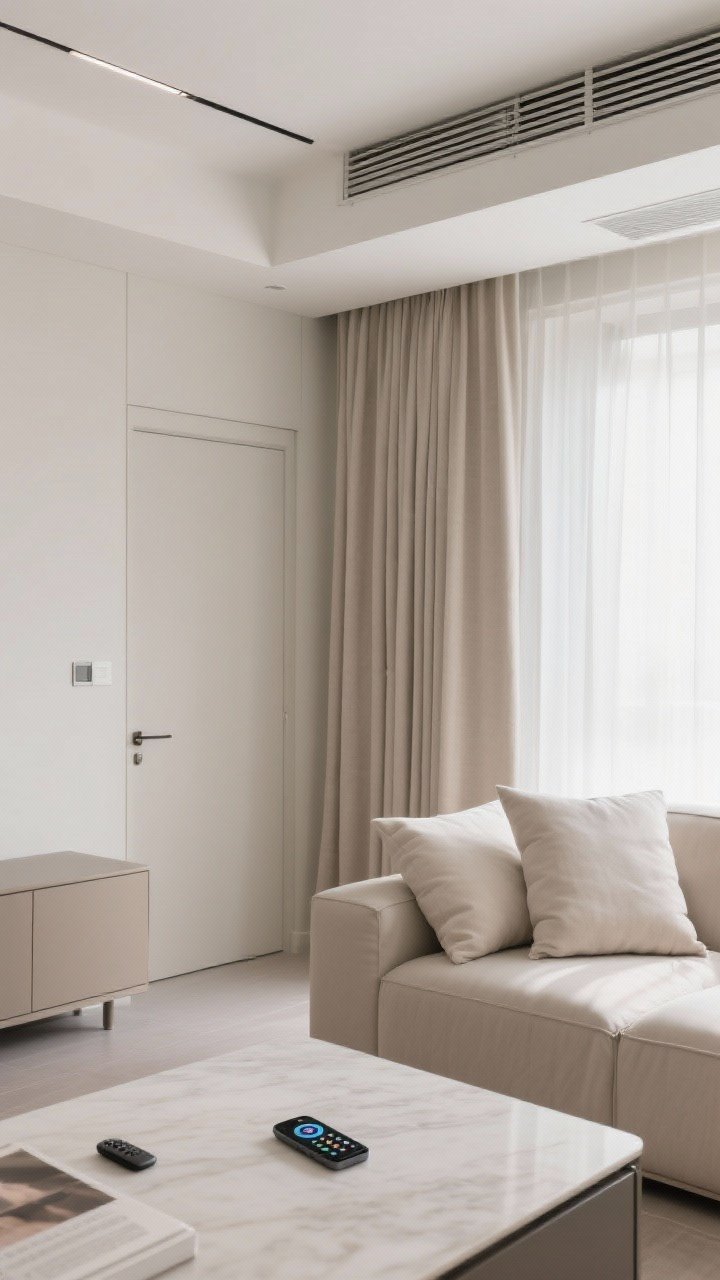
Neutral and sleek doesn’t mean sterile. It means you’ve edited with intention, layered textures, and created a space that supports your life (and looks amazing on a random Tuesday). Start with color, invest in pieces that earn their keep, and let your styling be calm and confident.
Try one idea this week—maybe the rug upgrade or the lighting layers—and watch your living room shift from “fine” to “how is this so relaxing?” You’ve got this.