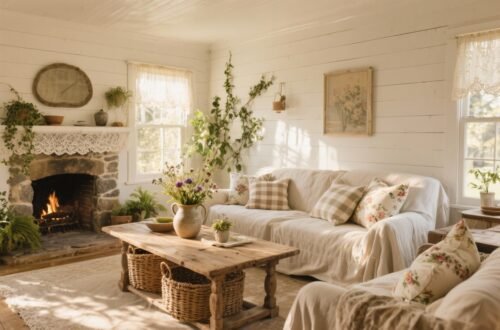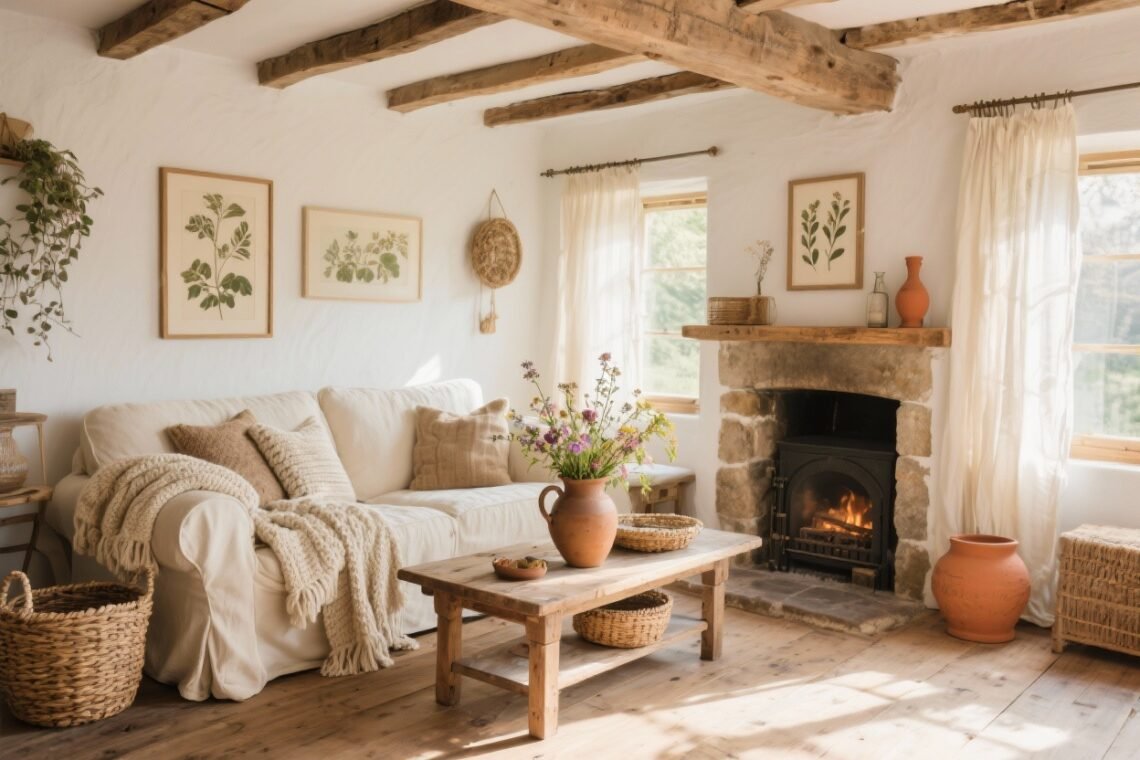
You know that feeling when you walk into a space and instantly breathe deeper? That’s the power of cottage-core: cozy, grounded, and a little bit romantic without trying too hard. If your home’s craving warmth, texture, and a slower vibe, these ideas will turn your space into a sanctuary that feels like a hug—no sourdough starter required.
1. Curate A Nature-First Color Palette
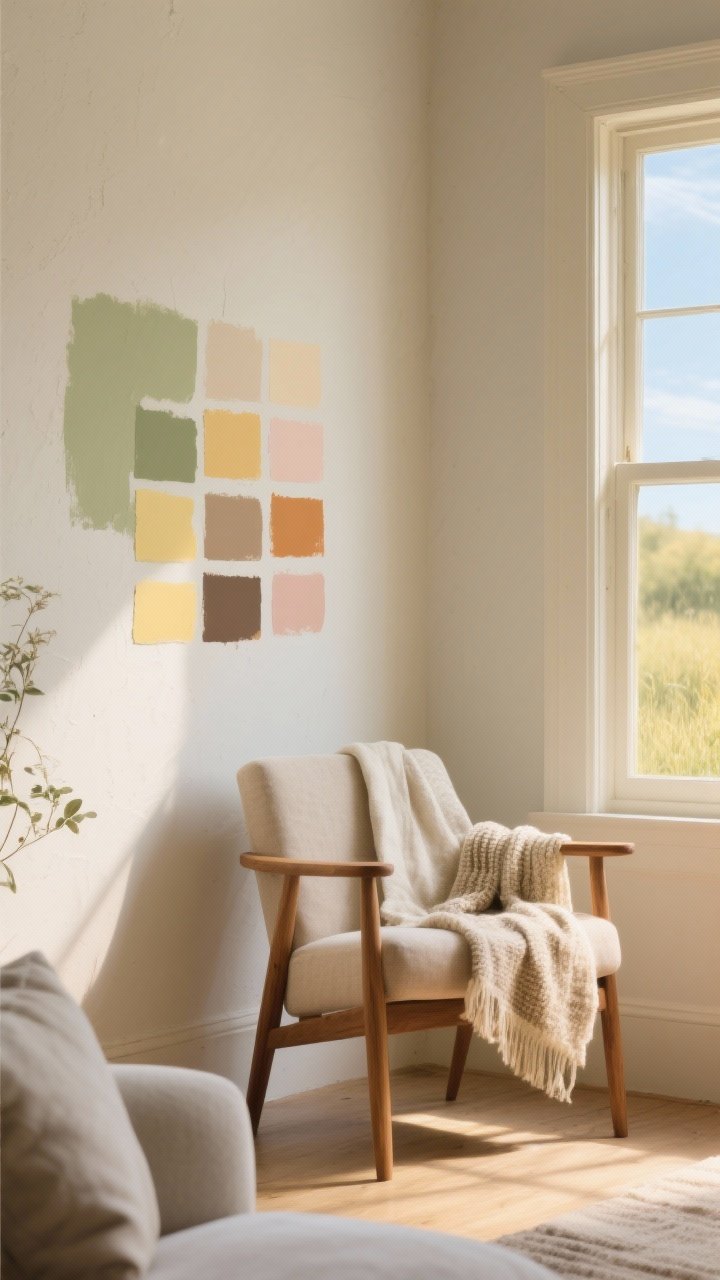
Start with colors that feel like a walk through a meadow. Think soft sages, warm creams, mushroom taupes, butter yellows, and muted blush. These shades calm your nervous system and glow beautifully in natural light.
Pro Tips
- Use a three-color formula: one dominant neutral, one soft green, and one warm accent (like clay or ochre).
- Sample paints in morning and evening light. Cottage-core is all about warmth—avoid anything too cool or blue-leaning.
- Layer with textiles in natural fibers to keep the palette grounded: linen, cotton, wool.
2. Layer Textures Like A Cozy Librarian
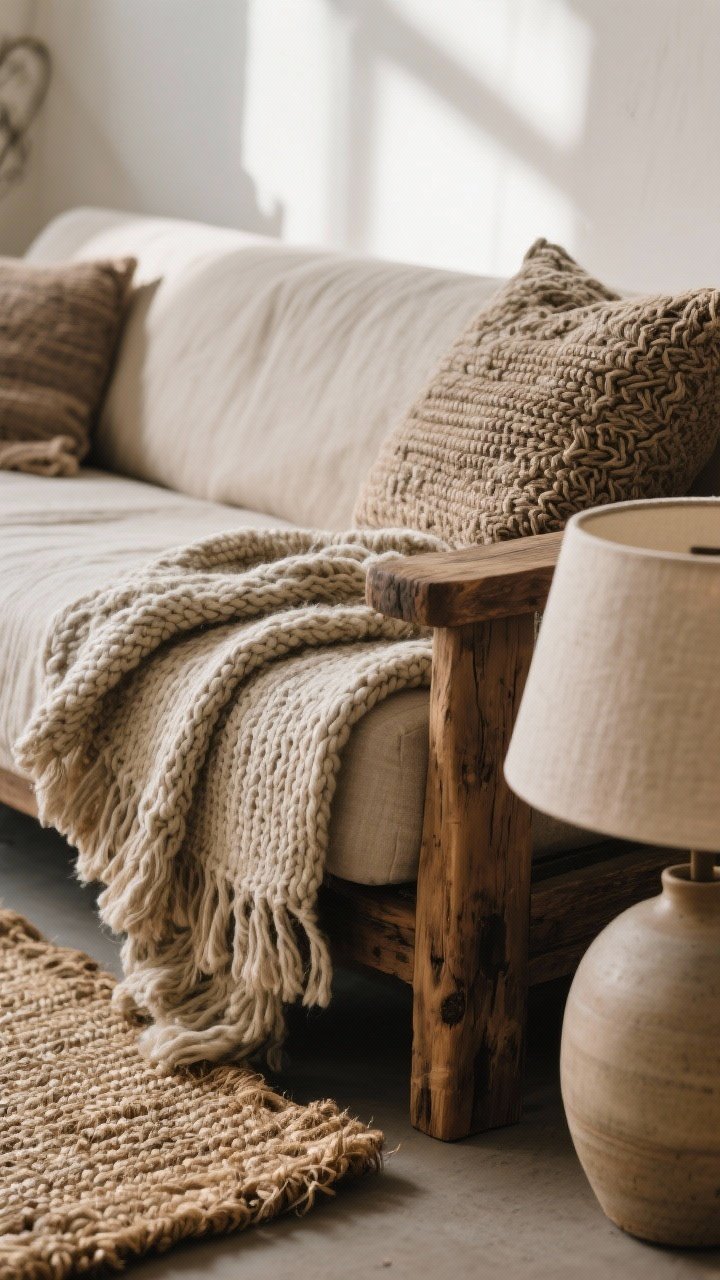
Texture is what makes cottage-core feel lived-in instead of staged. Mix chunky knits, nubby linen, woven jute, raw wood, and pottery to add depth and soul. Don’t worry about matching—aim for harmony, not perfection.
Try This Combo
- Linen curtains + jute rug + wool throw + ceramic lamp.
- Rough-hewn wood coffee table + smooth glazed vase + embroidered cushion.
- FYI: If it looks like it could be found in a vintage craft market, you’re on the right track.
3. Choose Imperfect, Timeworn Furniture
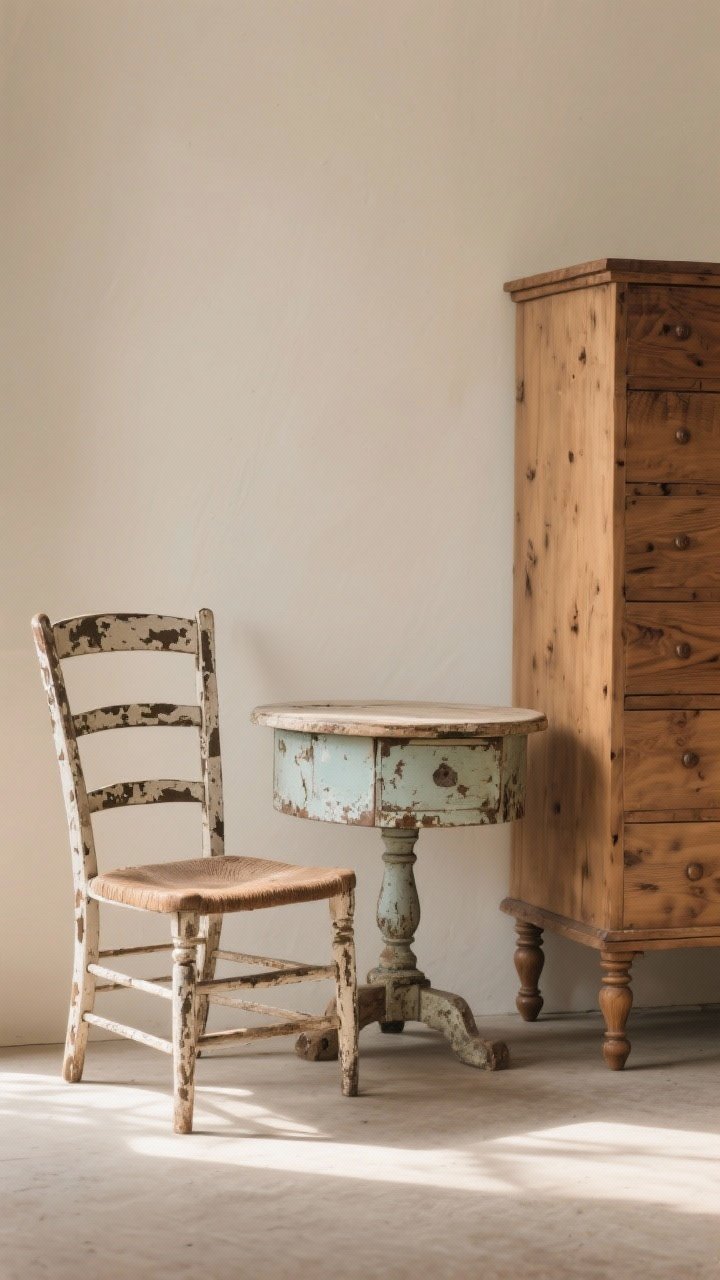
Cottage-core loves furniture with a backstory. Embrace patina, dings, and wood grain. A slightly wobbly antique side table? Charming. A farmhouse chair with chipped paint? Even better.
Shopping Guide
- Go for solid wood over veneers—oak, pine, or elm are classics.
- Look for turned legs, shaker lines, ladder-back chairs, and anything with honest simplicity.
- If new, choose brands that highlight natural finishes and avoid overly glossy lacquers.
4. Add Botanical Everything (Without Going Full Greenhouse)
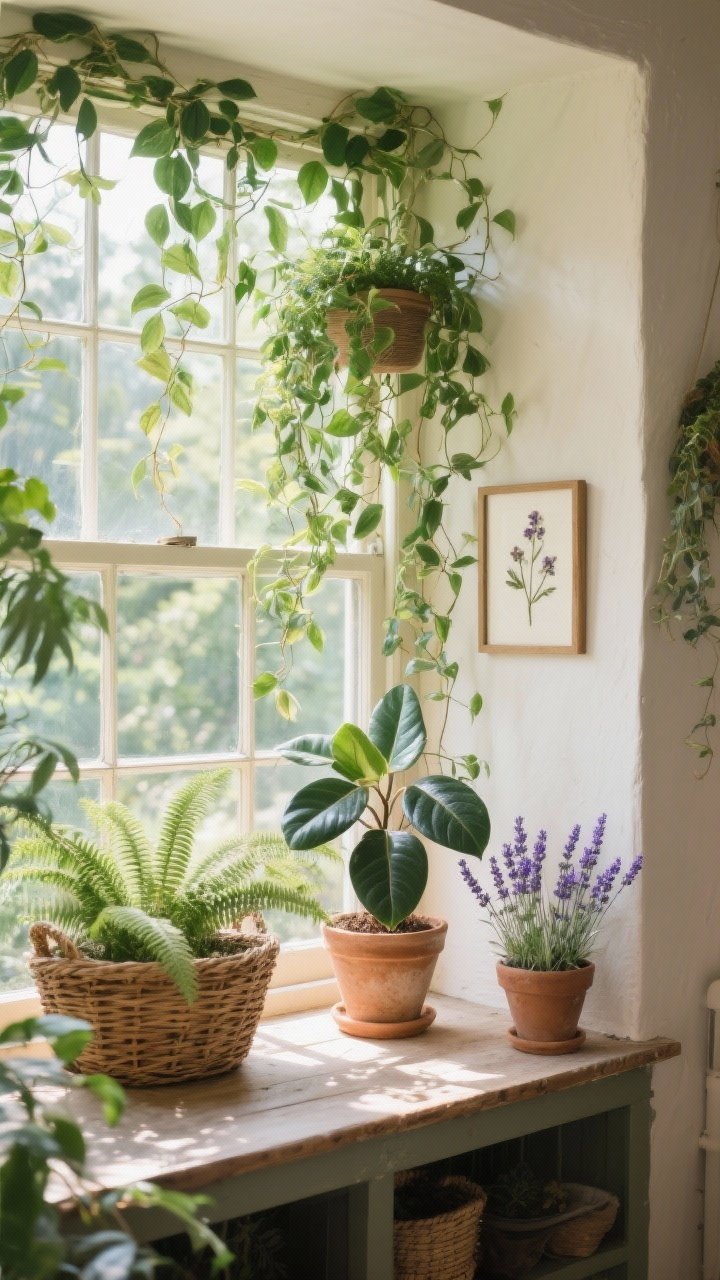
Plants are the unofficial cottage-core mascot. Mix trailing vines, ferns, and herbs for soft movement and earthy scent. If you’re a plant newbie, start small and choose forgiving varieties.
Plant Picks
- Easy: Pothos, spider plant, ZZ plant, lavender in a sunny window.
- Statement: Olive tree, rubber plant, Boston fern in a wicker basket.
- Bonus move: Press real flowers and frame them in antique-style frames.
5. Dress Your Windows In Soft Layers
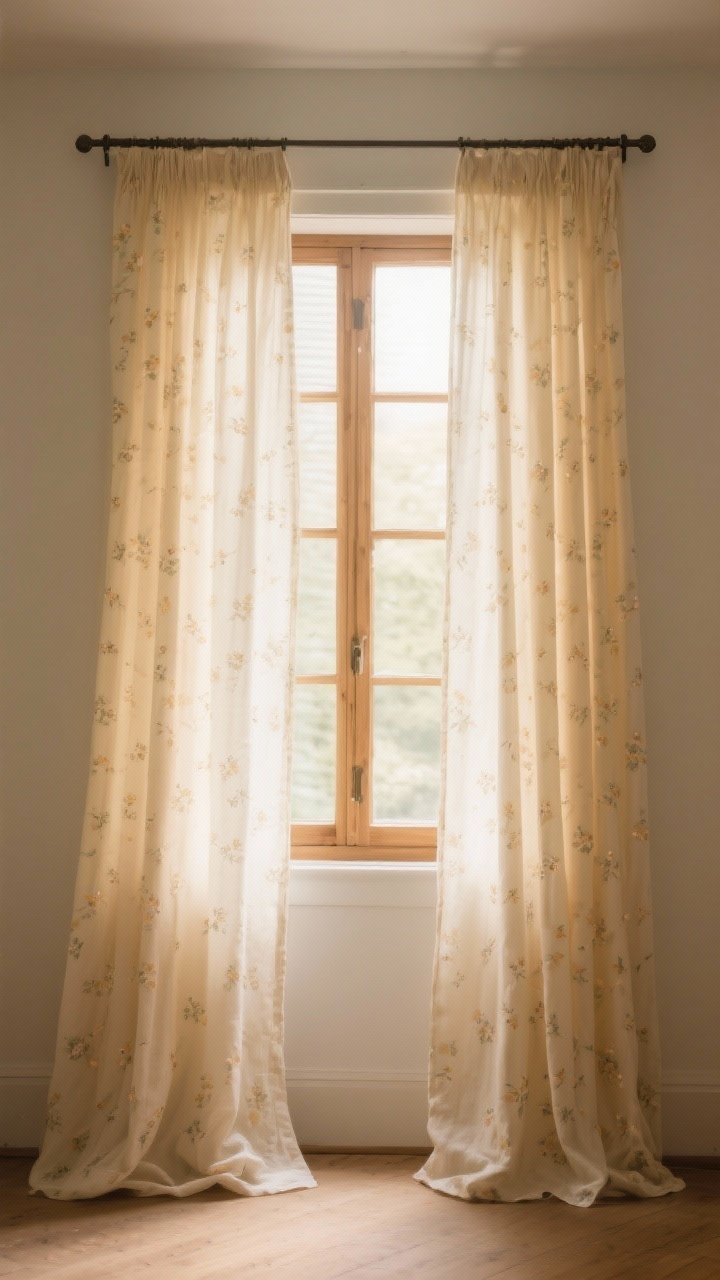
Hard blinds? Too sharp for this vibe. Go soft with light-filtering linen or cotton curtains that puddle slightly on the floor. The goal is glowy, diffused light that makes everyone look like they slept eight hours.
Styling Tips
- Hang curtains high and wide to make windows feel larger.
- Choose neutral or barely-there patterns like small checks or ditsy florals.
- Add wood or iron rods for a rustic touch. No plastic if you can help it.
6. Create Cozy Nooks For Slow Moments
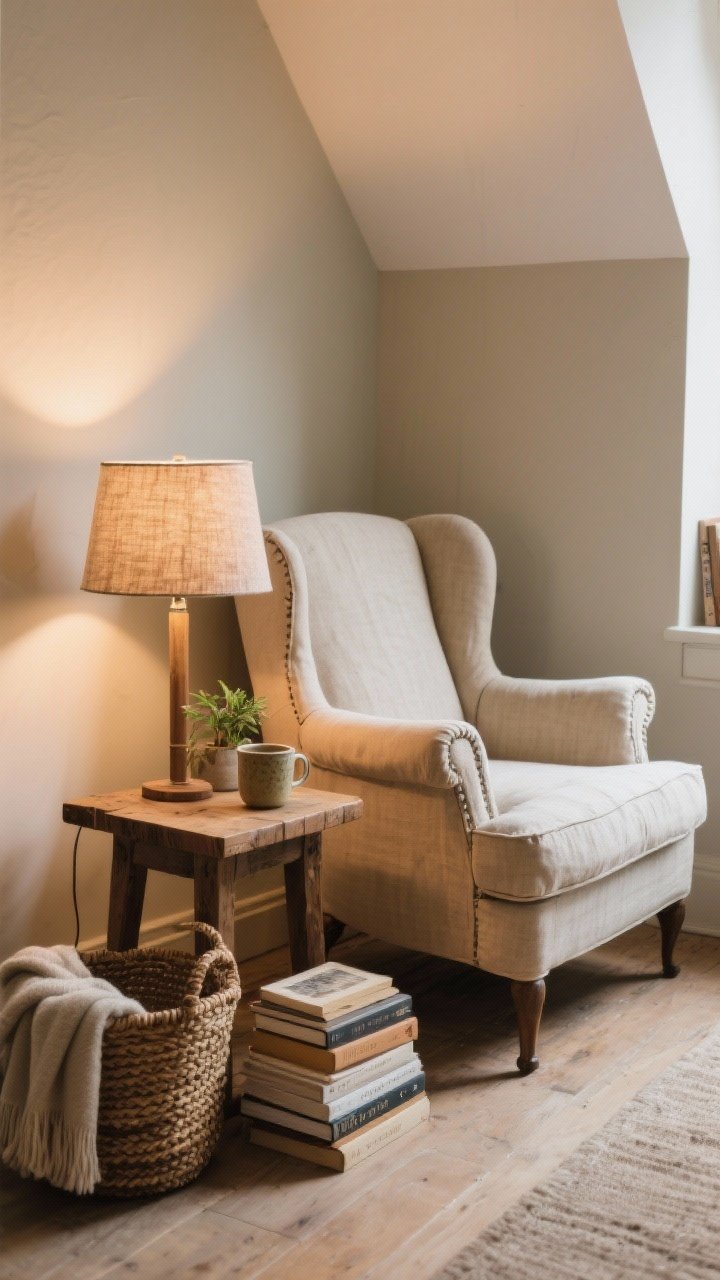
Cottage-core thrives on small rituals. Carve out a nook for reading, journaling, or sipping tea—something that whispers “you’ve got time.” A comfy chair, side table, and a lamp can turn a forgotten corner into your favorite spot.
Build Your Nook
- Chair: Slipcovered linen or a vintage wingback.
- Lighting: Warm lamp with a fabric shade—avoid harsh overheads.
- Extras: Basket of throws, stack of books, ceramic mug, small plant.
7. Embrace Soft Patterns (Yes, Florals Are Welcome)
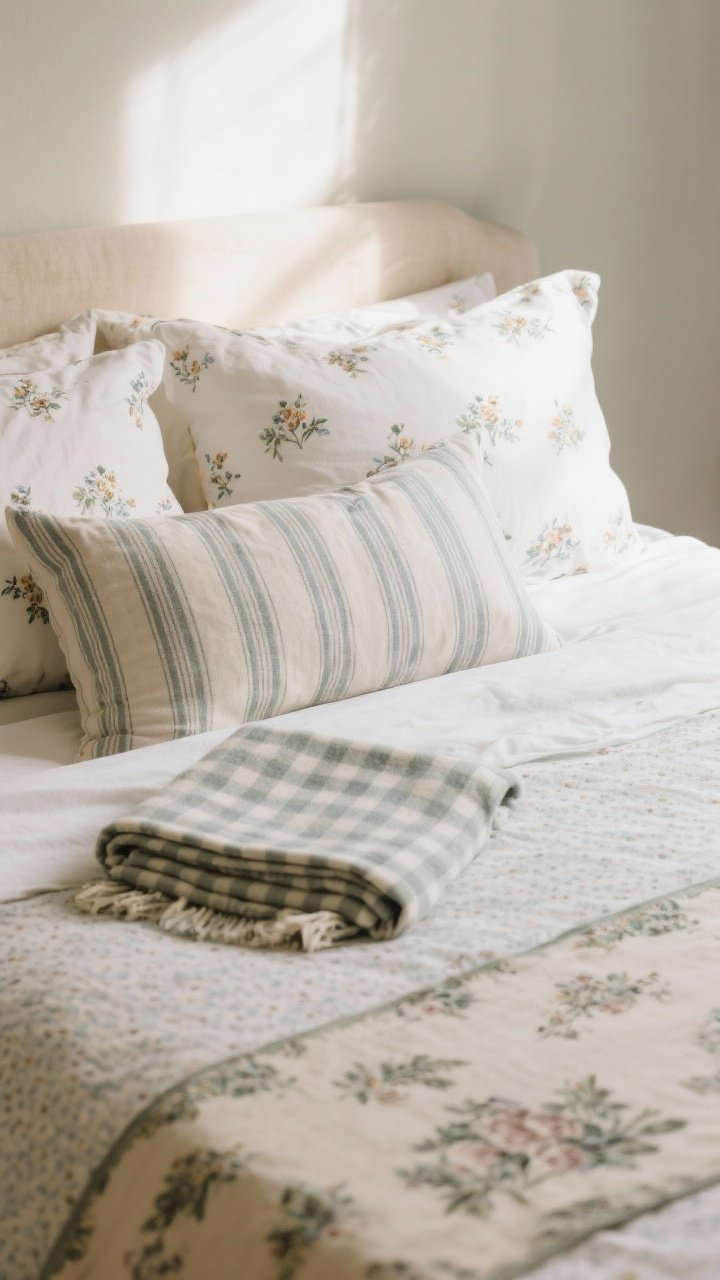
Patterns give cottage-core its romantic heart, but keep them soft and timeless. Think tiny florals, gingham, ticking stripes, and toile. Mix scales—small prints with broader stripes—for balance.
Where To Use Them
- Textiles: Throw pillows, bedding, table runners, napkins.
- Walls: A wallpapered powder room or an accent wall in the bedroom.
- Kitchen: Gingham curtains, checked tea towels, floral oven mitts (cute counts as functional, IMO).
8. Style Open Shelves With Useful Beauty
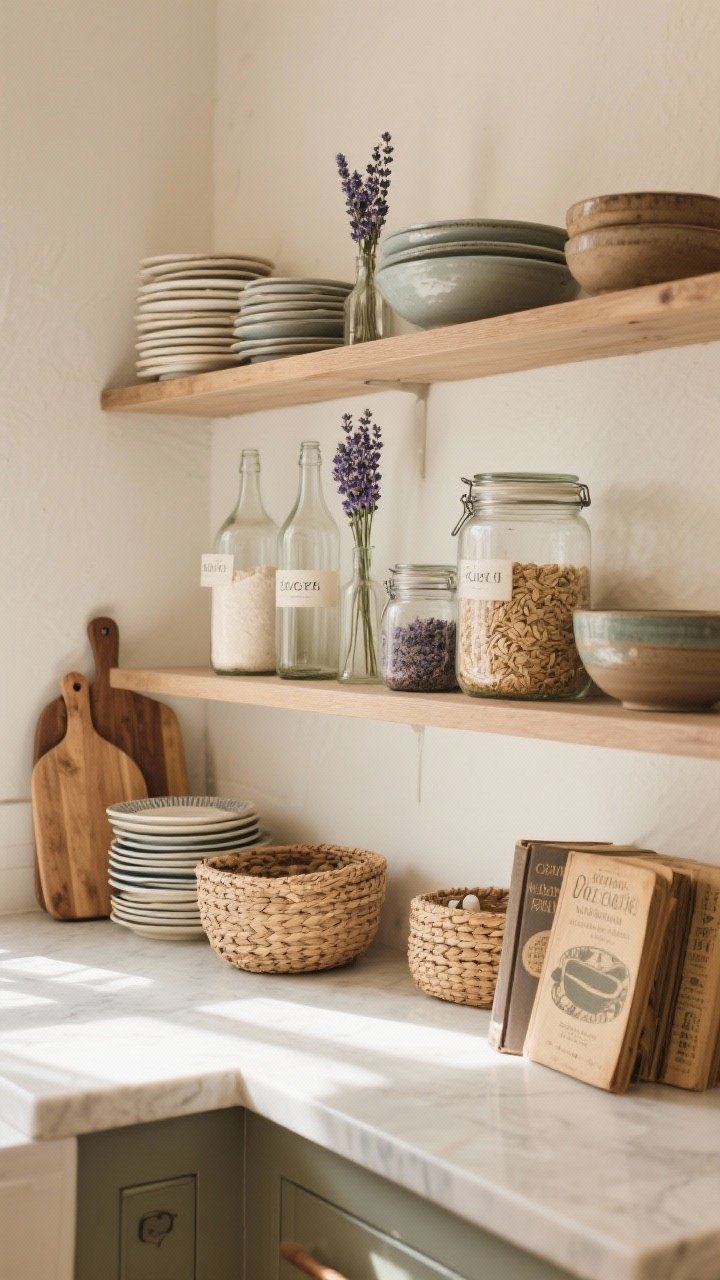
Cottage-core shelves are equal parts display and daily life. Use open shelving to show off your prettiest basics: stacks of ceramic plates, wooden cutting boards, jars of herbs, woven baskets.
Shelf Styling Formula
- Mix heights and textures: tall glass bottles, squat bowls, vintage cookbooks.
- Group in odd numbers—clusters of three always look intentional.
- Decant pantry staples into glass jars. Flour, oats, and dried lavender look way more charming that way.
9. Lean Into Handcrafted, Not Mass-Produced
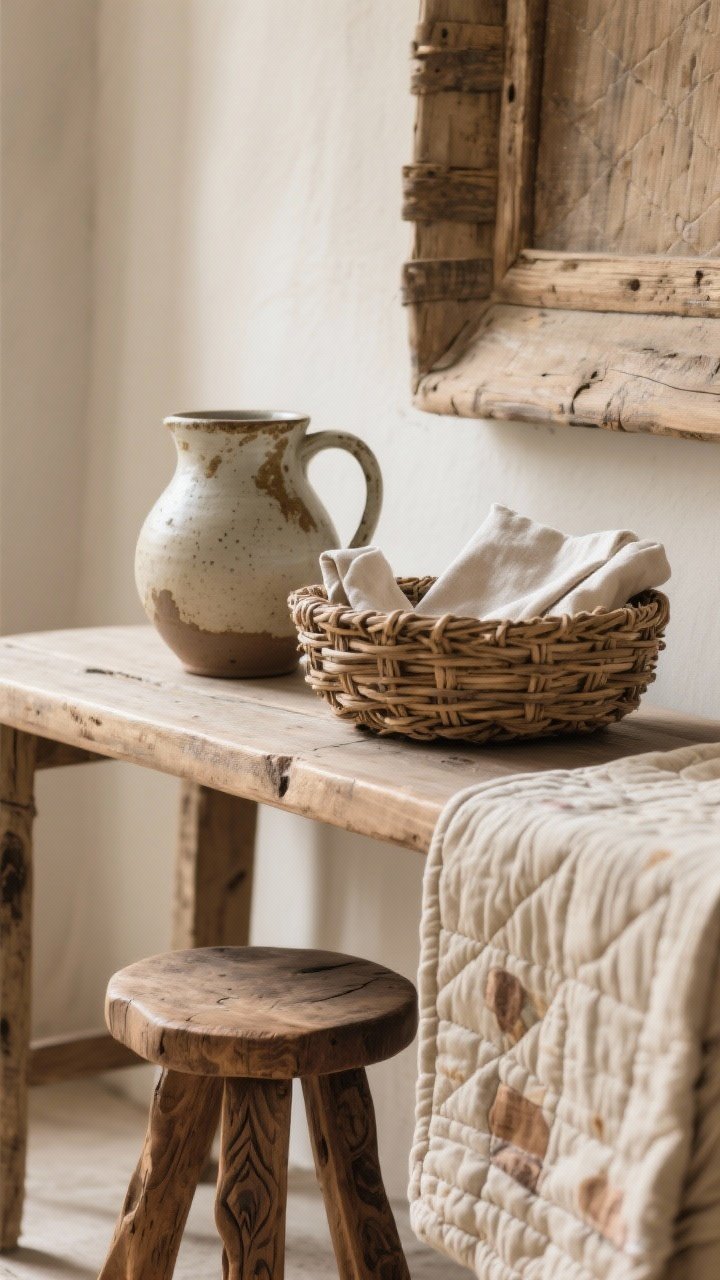
The cottage-core secret sauce? Items that feel made by human hands. Incorporate hand-thrown ceramics, handwoven baskets, carved wood stools, quilted textiles, and artisanal candles.
How To Source
- Check local makers, vintage markets, and small online shops.
- Choose pieces with slight variation or imperfect glazing—those are the keepers.
- DIY moment: Try a simple floral arrangement in a thrifted vase or learn basic embroidery for pillow covers.
10. Layer Soft Lighting For Glow, Not Glare
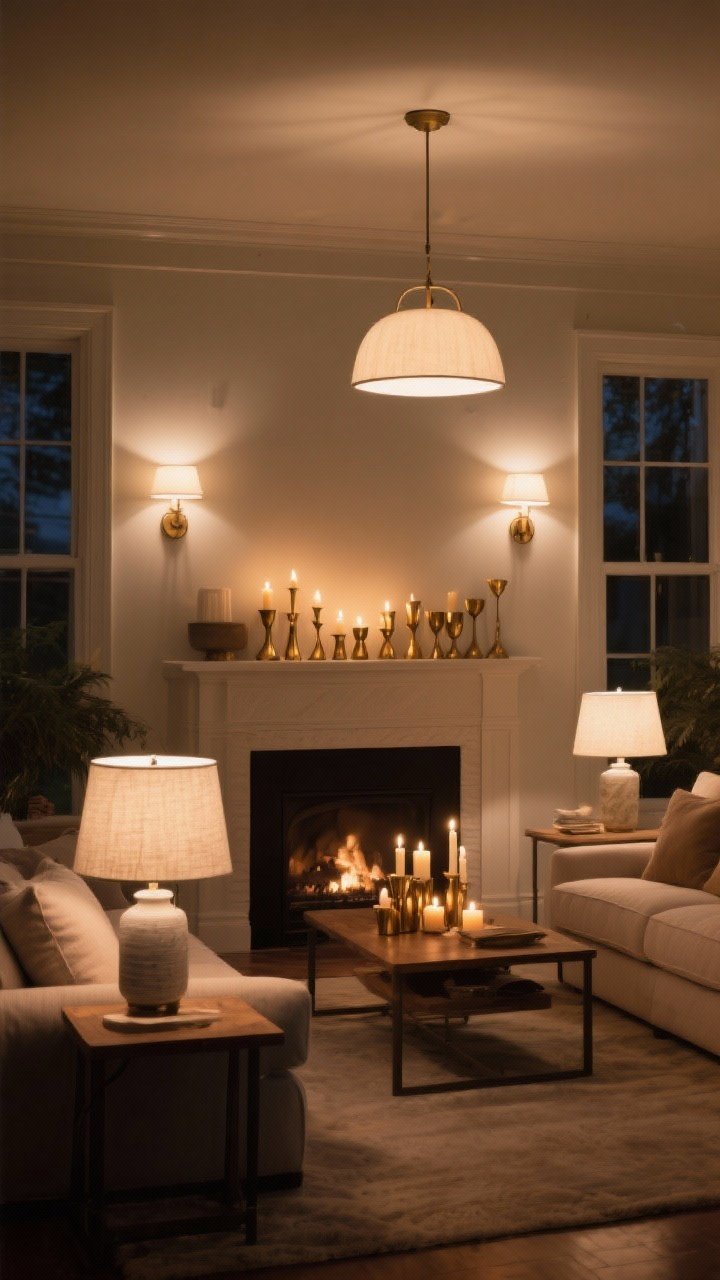
Harsh overhead lights are the enemy of cozy. Go for warm, layered lighting—table lamps, wall sconces, candlelight, and a low-wattage pendant.
Lighting Basics
- Use warm white bulbs (2700K–3000K) for a soothing glow.
- Add dimers where you can—they’re mood magic.
- Cluster candles in mismatched brass holders on mantels and tables. Safety first, ambiance second, but still—light them.
11. Celebrate Rituals With Vintage-Inspired Touches
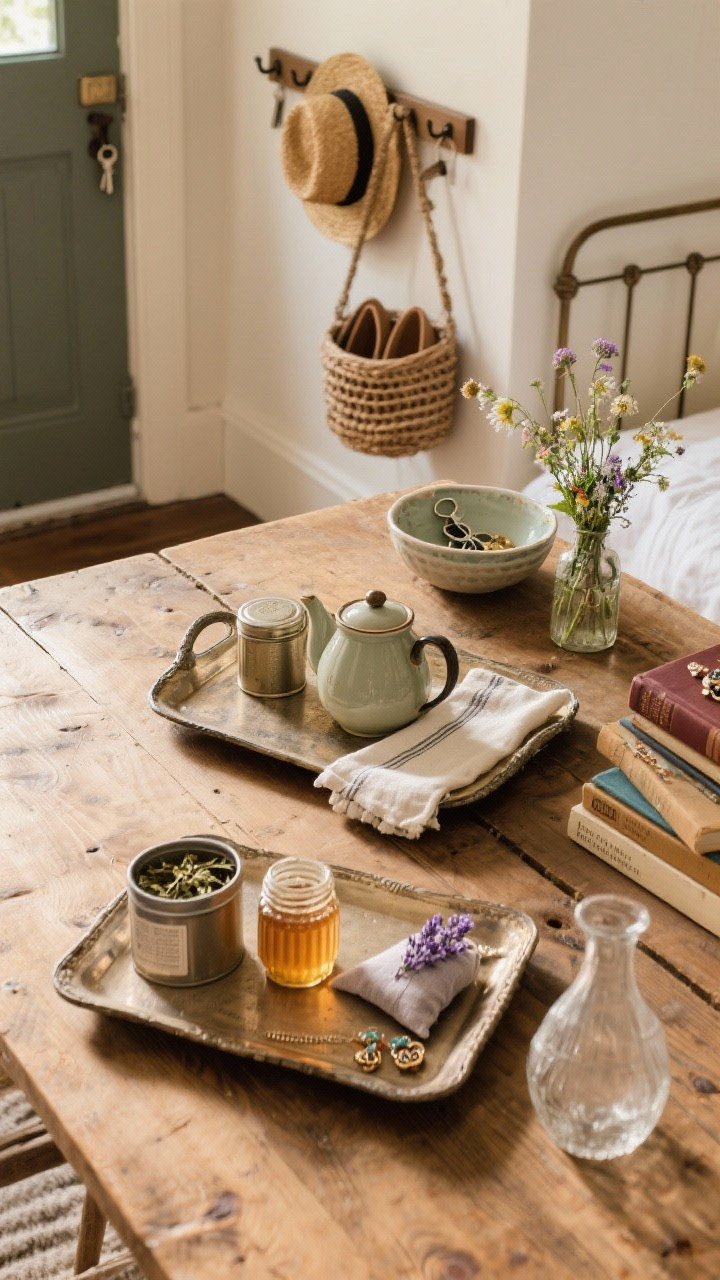
Cottage-core isn’t just a look—it’s a lifestyle. Create mini altars to daily joy with vintage trays, enamel pitchers, botanical prints, and heirloom textiles. It’s about savoring simple moments.
Small Ritual Stations
- Tea Station: Teapot, loose leaf tin, honey jar, and linen napkin on a wooden tray.
- Entryway: Woven basket for shoes, pegs for straw hats, a bowl for keys, a small vase of wildflowers.
- Bedside: Stack of paperback classics, ceramic dish for jewelry, lavender sachet, and a glass carafe.
Bonus Styling Reminders
- Edit often. Cottage-core is cozy, not cluttered. Leave breathing room on surfaces.
- Mix old and new so it feels intentional—not like you raided your great-aunt’s attic.
- Let scent do some heavy lifting: cedar, vanilla, herbaceous lavender. Your home, but spa.
Here’s the truth: you don’t need to overhaul your whole house to get that warm, earthy wellness vibe. Start with a color shift, add a few natural materials, and build little corners that invite you to slow down. Before you know it, your home will look—and feel—like the softest exhale.