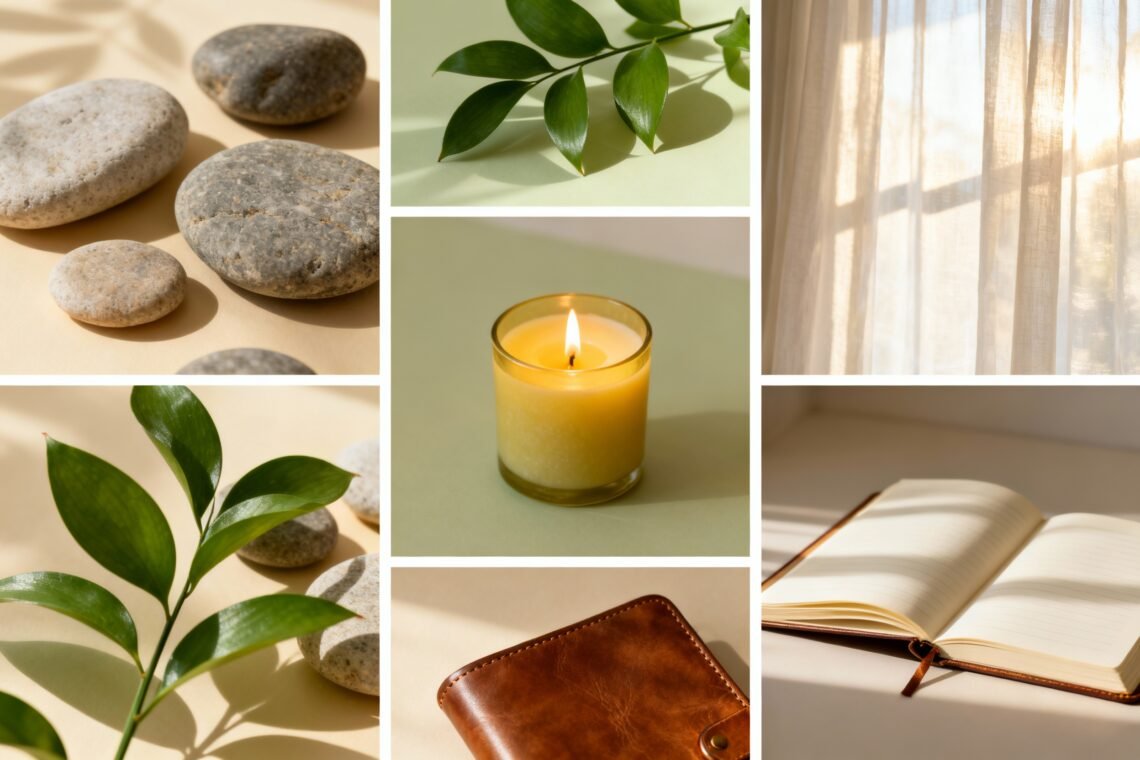
You want a life that feels intentional, calm, and actually yours—not a highlight reel of someone else’s goals. A vision board can help, not because it’s magical, but because it keeps your attention on what matters. Think of it as your daily “oh right, that’s what I’m about” reminder.
Let’s build one that centers mindful living, not hustle-induced burnout.
Why a Mindful Vision Board Works (and Actually Sticks)
Mindful living isn’t about adding more to your plate. It’s about choosing what stays. A vision board helps you say yes to the right stuff and no to the noise. Quick wins you’ll get:
- Clarity on what you value—less guessing, more grounded choices
- Consistency—you see your intentions daily, so your actions follow
- Less overwhelm—you stop chasing everything and start designing your days
Set the Tone: Pick Your Mindful Theme
Before you glue a single thing, choose a theme.
This gives your board direction and vibe.
- Calm + Spacious: soft colors, white space, simple layouts
- Playful Presence: bright accents, quirky quotes, joyful images
- Grounded Growth: earthy tones, nature textures, slow progress visuals
Pro tip: Choose your three words
Pick three vibe words (e.g., “steady, open, curious”). Put them at the top. Everything else should reflect those words.
If it doesn’t, it doesn’t go on the board. Brutal? Yes.
Effective? Also yes.
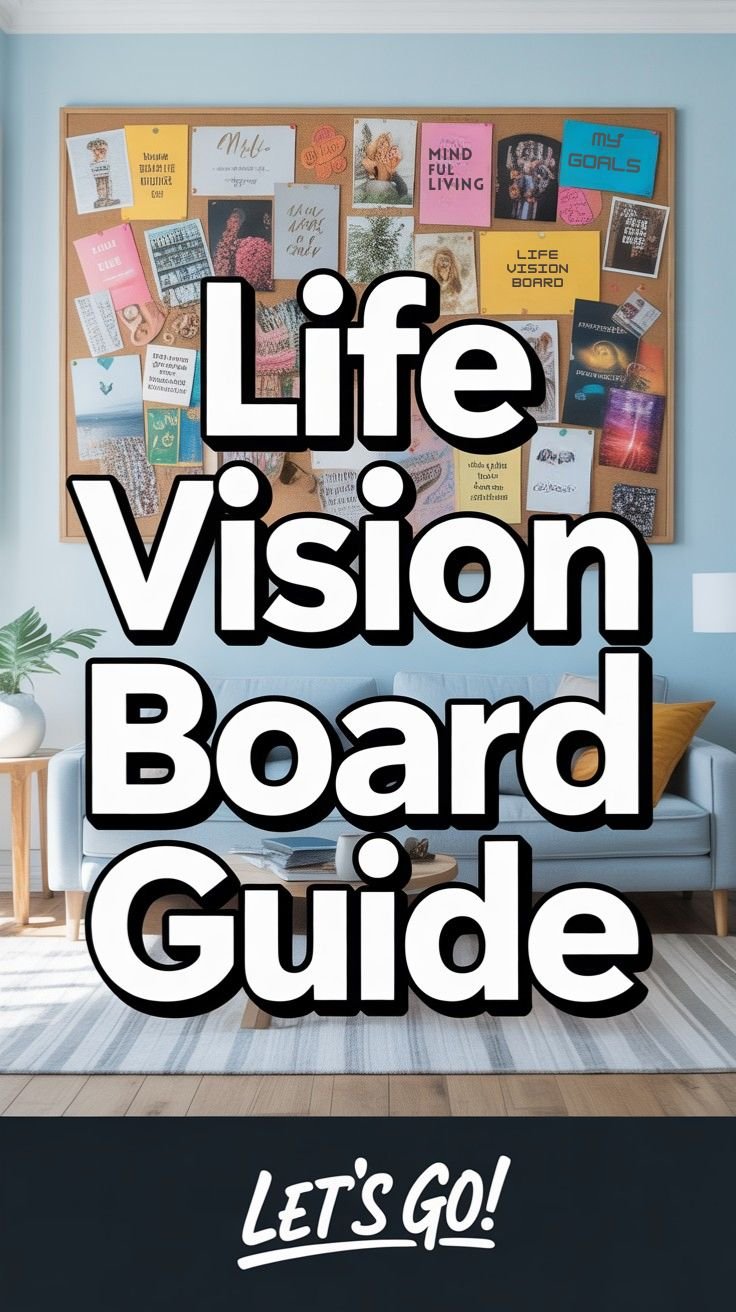
10 Vision Board Ideas For Mindful Living
We’re going beyond “big house on a beach.” These ideas focus on your inner world, your time, and habits that help you actually enjoy being alive.
- Morning Ritual Snapshot: Add images of tea, sunlight, a journal, or a yoga mat. Keep it simple.Think 15 minutes, not a 2-hour routine you’ll abandon by Wednesday.
- Breath + Pause Cues: Include the word “Pause,” a small breath icon, or a 4-count box. This reminds you to stop spiraling and, you know, breathe.
- Digital Boundaries: Add visuals like a phone in a drawer, a sunset without screens, or a “Do Not Disturb” icon. Your nervous system will send you a thank-you fruit basket.
- Nature Anchors: Photos of forests, water, moss, or that one local trail you ignore.Nature equals instant nervous system downshift.
- Values Map: Write or print your top 5 values (e.g., health, connection, creativity). Place images under each value that show how it looks in real life.
- Slow Productivity: Add one project visual, a calendar with white space, and a sticky that says “One thing at a time.” Multitasking is just fancy procrastination, IMO.
- Food as Fuel: Colorful meals, a Sunday prep visual, or a “water first” reminder. Mindful living needs energy, not just vibes.
- Movement You Actually Like: Hiking, dancing in the kitchen, stretching.If you hate running, stop pretending. Your board should reflect real life, not fantasy boot camp.
- Relationship Presence: Pictures of sitting together, long walks, and slow meals. Add phrases like “ask better questions” or “phones down at dinner.”
- Joy List: Little pleasures you forget: library trips, candles, sun on your face, sketching.Sprinkle images everywhere to normalize enjoying your life.
Make It Multi-Sensory (Because Your Brain Loves That)
You don’t need a craft store explosion—just a few sensory cues that help the board “click.”
- Texture: Use kraft paper, linen scraps, or a pressed leaf for tactile calm.
- Scent: Keep a tiny sachet or essential oil nearby. Lavender = relax; citrus = reset.
- Sound: Add a QR code to your favorite focus playlist. Yes, you can tape a QR code.It’s 2025; we can be nerds.
Color psychology, the simple version
- Blues/Greens: calm and balance
- Earth tones: grounded and cozy
- Soft yellows: optimism without chaos
Keep it cohesive. If it looks like a carnival, your brain taps out.
Layout That Reduces Overwhelm
Design matters. A chaotic board equals a chaotic mind.
Aim for clean, breathable sections.
- Four quadrants: Mind, Body, Relationships, Environment
- Timeline bands: Now, Next 90 Days, Year
- Energy map: High-energy goals up top, restoring practices at the bottom
The 3:3:3 rule
Limit yourself to:
- 3 Core intentions
- 3 Keystone habits
- 3 Seasonal experiments (short-term, low-stakes)
FYI, limits create focus. Focus creates progress. Progress feels nice.
Mini-Boards You’ll Actually Use
One massive board can feel heavy.
Sometimes small beats big.
- Desk card: An index card with your three words and one daily prompt.
- Phone wallpaper: A collage with your breath cue and value words.
- Fridge strip: A narrow magnet with “Move, Nourish, Pause.”
Habit prompts that don’t nag
Use gentle phrasing:
- “What would feel kind right now?”
- “One nourishing choice.”
- “Pause, then proceed.”
Ritualize It: Keep Your Board Alive
A static board becomes wall art. We want a living tool.
- Weekly check-in: 10 minutes on Sundays—what worked, what felt heavy?
- Swap images monthly: Keep the vibe fresh. Seasons change; so do you.
- Track feelings, not just outcomes: Did your mornings feel calmer?That counts, IMO.
Micro-reflections to stick on the back
- What am I saying yes to this month?
- What am I lovingly releasing?
- Where can I add 5% more ease?
Supplies You Need (Minimalist Version)
No need to max out a craft budget.
- Base: corkboard, poster, or a digital canvas (Canva/Notion)
- Attachment: washi tape or pins so you can move things
- Sources: magazine clippings, printed photos, your own doodles
- Markers: one dark, one accent color
If you go digital
- Use sections with frames and labels
- Add reminders tied to your calendar
- Export a light version for your lock screen
FAQ
How often should I update a mindful vision board?
Do a quick review monthly and a deeper refresh every season. You evolve, your board should too. If something feels stale or heavy, remove it without guilt.
That’s mindful living in action.
What if I’m not “artsy”?
Good news: neat beats fancy. Use simple layouts, clean fonts, and a few images that actually mean something to you. The goal is clarity, not craft perfection.
Can I include big goals, or should it be all small habits?
Include both, but anchor big goals to daily practices.
If you want “calm mornings,” the habit might be “no phone for 30 minutes after waking.” Big visions need tiny hinges.
Is a digital vision board as effective as a physical one?
Yes, if you see it often. Make it your wallpaper or widget and set reminders for quick check-ins. A physical board wins on presence, but digital wins on convenience—pick what you’ll actually use.
What should I do when I fall off the plan?
Assume it will happen, then plan the bounce-back.
Keep a “reset ritual” on the board: drink water, two minutes of breathing, write one next step. No drama, just resume.
How do I know if my board is “working”?
You’ll notice calmer decisions, kinder self-talk, and a rhythm to your days. Track feelings weekly with a 1–5 “ease rating.” If it’s creeping up, the board’s doing its job.
Wrap-Up: Build a Board That Feels Like a Deep Breath
You don’t need a perfect life layout.
You need a compass you’ll actually check. Create a vision board that reflects your values, your energy, and your season—not someone else’s grid. Keep it light, keep it living, and give yourself permission to change your mind.
That’s mindful living, with receipts.