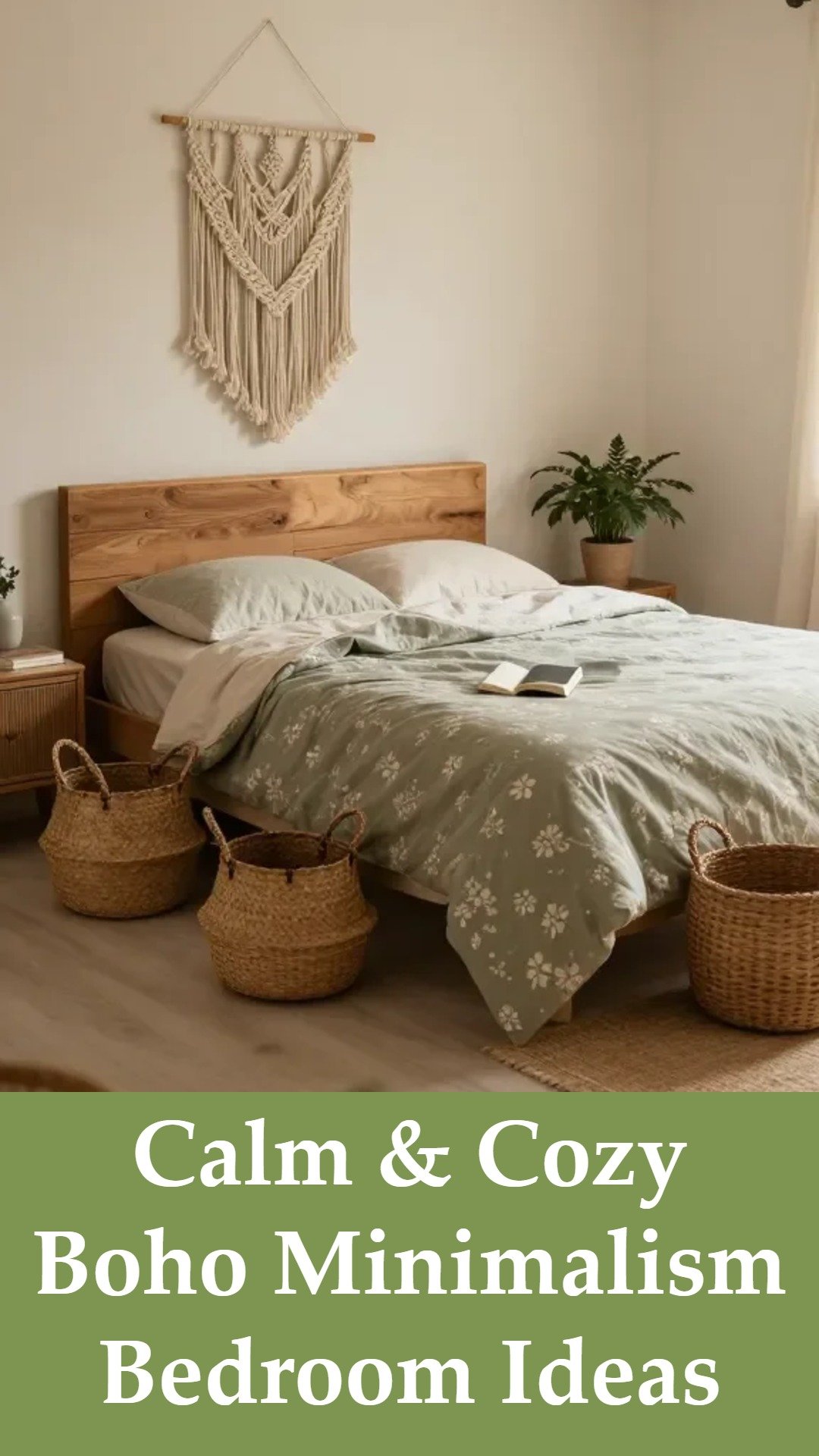
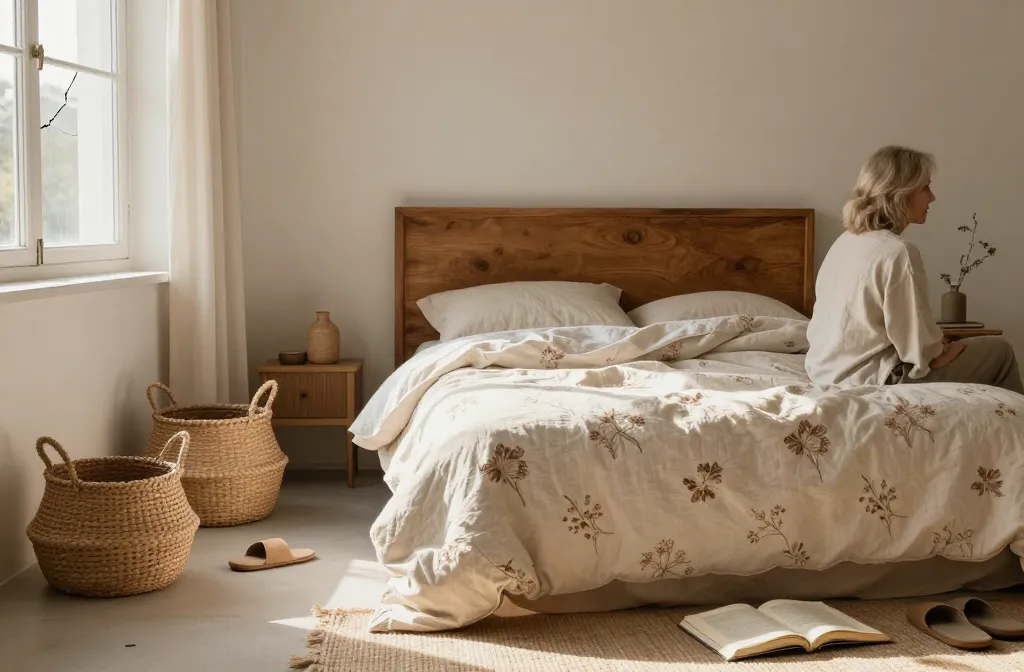
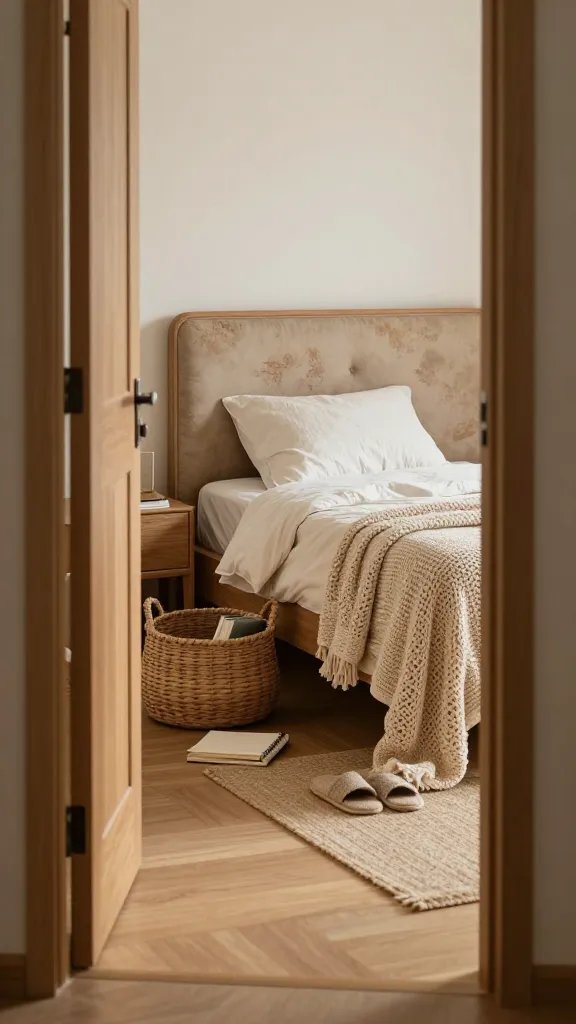
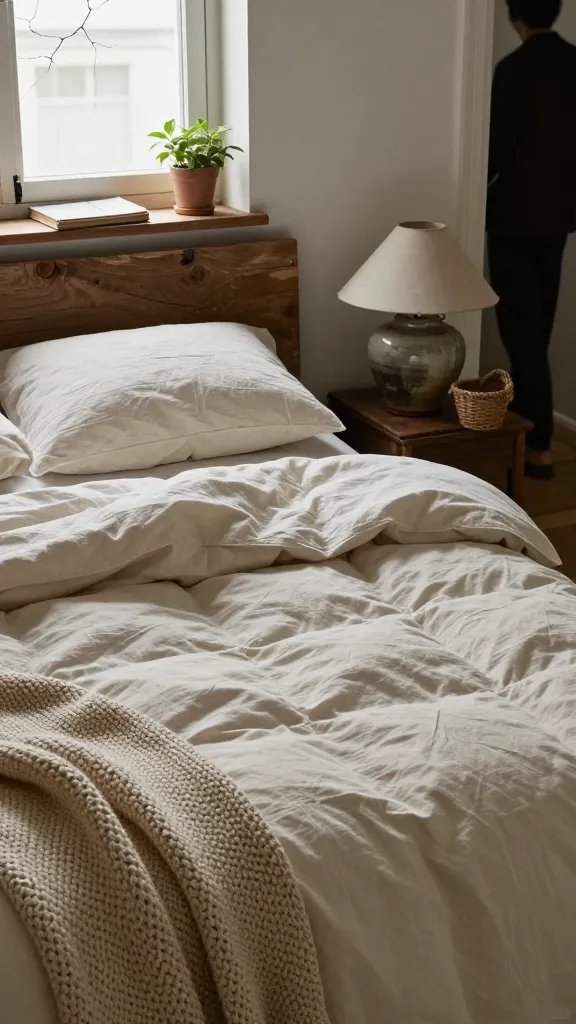
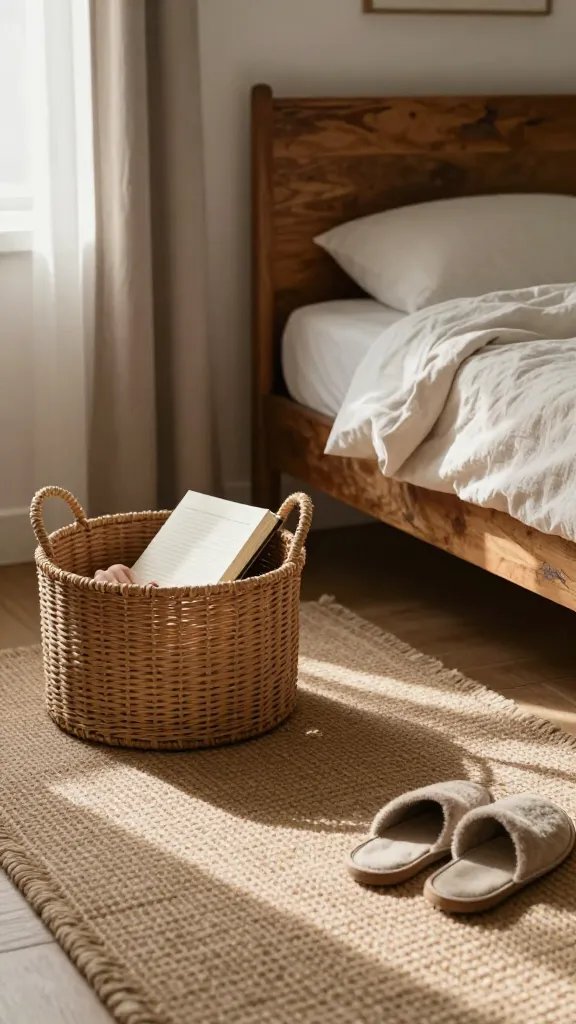
An early morning light spills across the room, warm and pale like reheated honey. A linen duvet catches the sun and sighs with a gentle breeze from a cracked-open window. A wooden headboard wears a soft, lived-in patina, and a handful of woven baskets on the floor cradle quiet things: a book, a pair of slippers, a journal you actually keep. The space feels breathable, unrushed, and somehow you can breathe a little deeper simply by standing in the doorway. This is the vibe we’re chasing: boho minimalism that isn’t fussy, but feels intentionally yours.
The secret behind getting this look right is deceptively simple: curate with restraint, then layer with texture, warmth, and tiny, personal accents. It’s not about chasing trends; it’s about crafting a room that listens to you. The core philosophy is this—clarity and coziness can coexist. Minimalism doesn’t mean empty; it means choosing the right things and letting them breathe.
If you’re scrolling and thinking, “my space feels chaotic, not calm,” you’re not alone. Many of us fear that boho vibe means a crowded shelf, a million throws, or a chaotic color palette. Guess what? It doesn’t have to be that way. You can invite personality without sacrificing calm. You can embrace texture and earthy tones, while keeping surfaces clean and simple. FYI, you can absolutely have a space that looks curated but still feels like you live there, not like you’re living in a showroom.
Here’s the good news: you don’t need to renovate, buy fancy furniture, or reinvent your identity. You only need 10 focused ideas that blend boho charm with minimalist clarity. Ready to experiment? Let’s dive in.
1. Ground your room with warm neutrals and natural textures
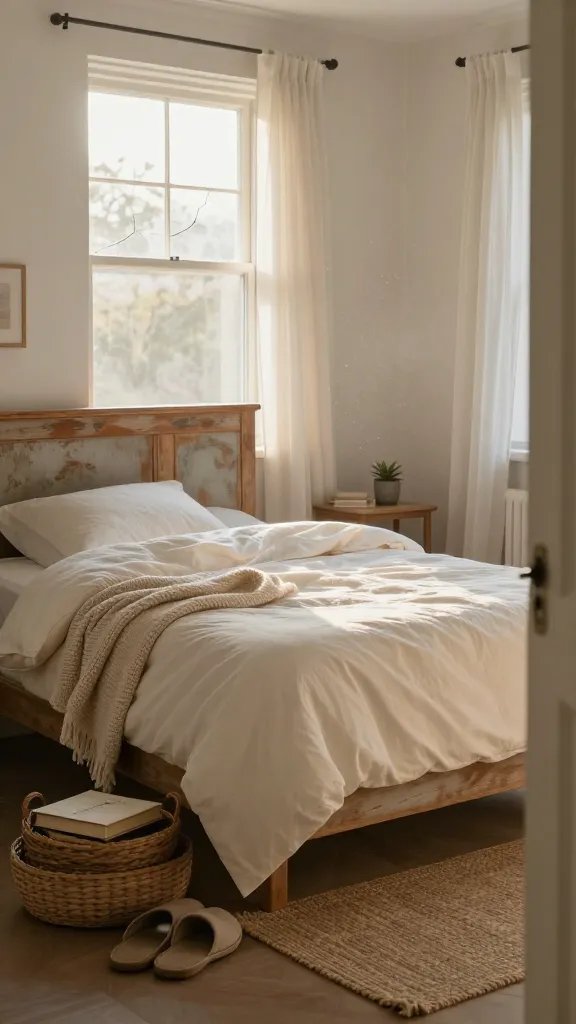
– Start with a base palette of warm neutrals: creams, sand, soft taupe, and a touch of mushroom gray. These hues behave like an anchor, keeping the room feeling calm even when your decor tells a busy story.
– Introduce texture as the real hero. Think linen sheets, a jute rug, a wool throw, and a clay pot on a nightstand. Texture adds depth without crowding color.
– Layer in natural materials: wood, rattan, bamboo, and cork. They bring a grounded, earthy energy that invites you to linger.
Why this works: color softens, texture adds warmth, and natural materials visually read as calm. This is where the boho minimalism begins—soft focus, tangible comfort, and zero visual shouting.
2. Create a focal moment that feels intentional, not crowded
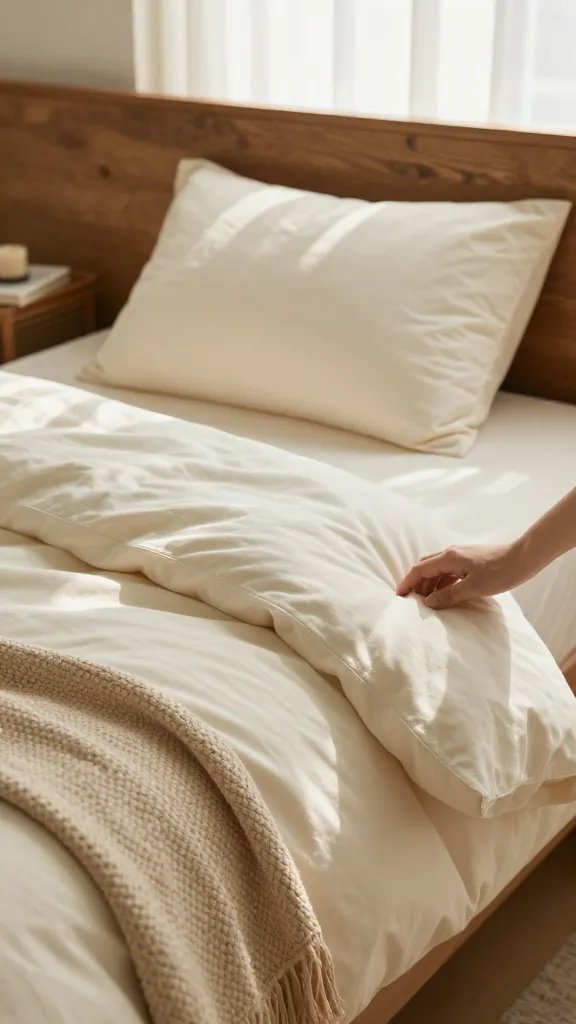
– Let the bed be the star. Linens with subtle patterns or a solid, creamy duvet create a serene center.
– Keep surfaces tidy but personal. A single plant, a small stack of artful books, and one statement lamp can do wonders.
– Add a crafted headboard or a tapestry wall piece that speaks your language without stealing the scene.
Why it matters: a curated focal point anchors the room. It signals “this space is mine” without turning into a retail window. Keep the rest understated to preserve that calm energy.
2a. Subtle color storytelling
– Choose one accent color and use it sparingly—think a clay pot, a throw pillow, or a small vase.
– Repeat the accent in small ways to knit the room together without shouting.
3. Embrace negative space as a feature
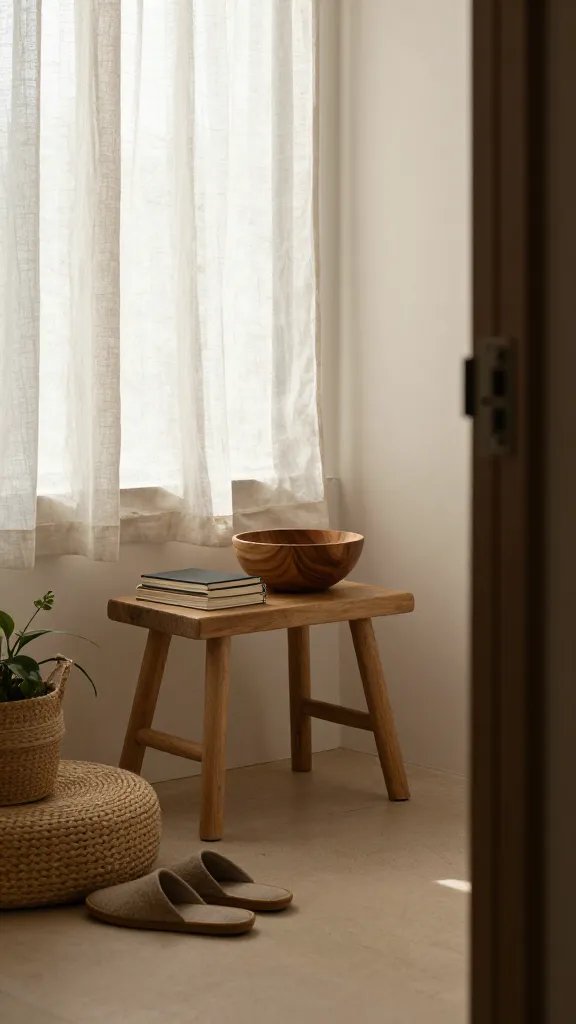
– Negative space isn’t empty. It’s a design decision that gives your eyes room to rest.
– Avoid filler for fillers’ sake. If a surface feels crowded, remove one item.
– Use wall art that isn’t oversized. A single piece or a small trio with clean mats can feel bigger and more intentional than a gallery wall that competes for attention.
Why it helps: breathing room equals a calmer mind. Your room starts to feel like a sanctuary rather than a showroom floor.
4. Layer lighting for mood, not glare
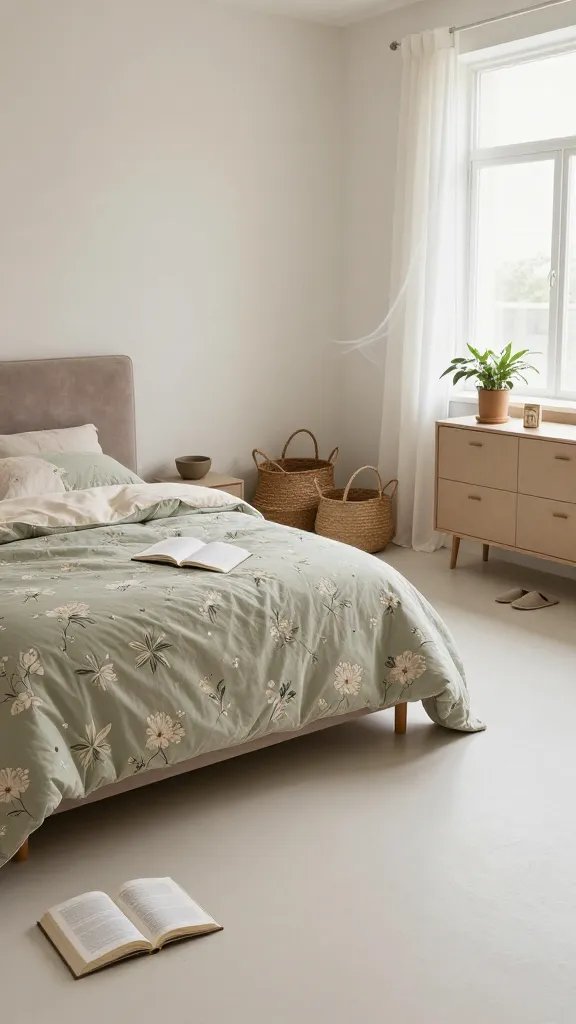
– Mix ambient, task, and accent lighting. A soft overhead, a warm bedside lamp, and a floor lamp with a dimmer give you options without clutter.
– Consider warm bulbs (2700K–3000K) to keep the glow cozy rather than harsh.
– Add a decorative lampshade or woven pendant to introduce texture and a touch of boho charm.
Tips: avoid bright overheads that wash everything out. The glow matters more than actual brightness when you’re designing a calm space.
5. Bring in plants that thrive on minimal care
– Select a few low-maintenance greens or dried arrangements to keep the natural vibe with minimal effort.
– Place plants where they’re seen but don’t demand constant attention—near a window, on a petite stand, or tucked into a corner shelf.
Why plants? They purify air, soften edges, and introduce that organic, boho feel without requiring extra space or energy. FYI, a small pothos or snake plant goes a long way in adding life with almost zero effort.
5a. Care-free plant ideas
– Snake plant, pothos, zz plant for easy keepers.
– Dried pampas or grass in a tall vase for a boho silhouette without daily watering.
6. Perfect the art display without clutter
– Rotate a few favorite pieces rather than trying to fit every memory on every wall. A small gallery shelf or a wall ledge lets you swap things in and out easily.
– Frame a favorite quote or a minimalist print that resonates with the room’s mood. Keep frames in similar finishes to maintain harmony.
Why it helps: intentional art feels curated rather than chaotic. It also gives you a quick way to refresh the space with little effort.
7. Invest in a single, standout textile
– A throw or a rug with tactile texture can define the space more than multiple minor accents.
– Choose a textile that you can physically feel: thick weave, linen, or a soft boucle. It should invite you to touch and relax.
Practical tip: A bold texture can act as the “color punch” without needing bold color. It’s the quiet rebel of boho-minimalist design.
8. Streamline your storage, with style
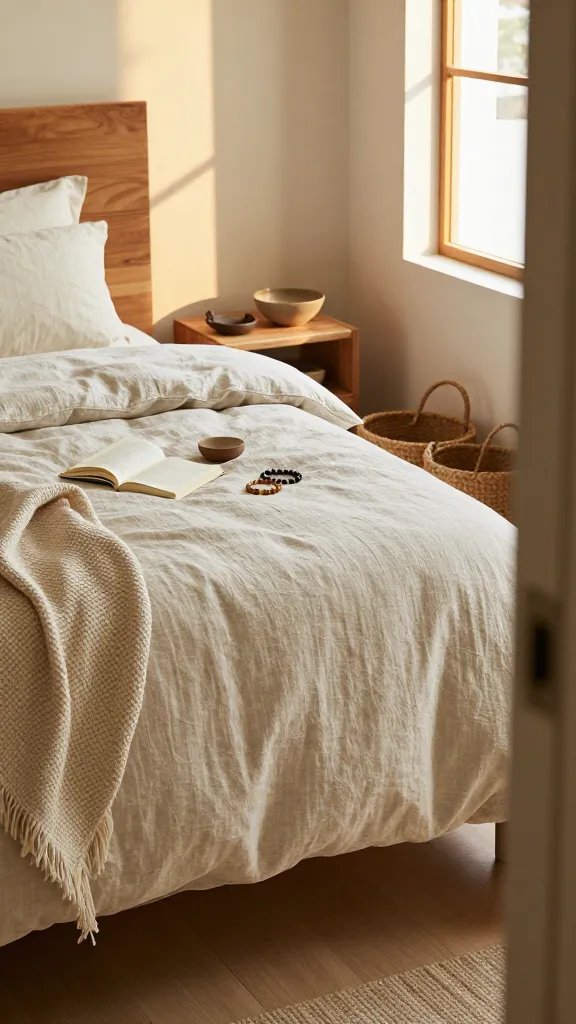
– Conceal clutter with stylish baskets, woven boxes, and under-bed storage. The trick is to keep them in a cohesive material family—rattan, wicker, or natural woven fibers.
– Use hidden storage for everyday items. A simple trunk at the foot of the bed or a storage ottoman keeps things tucked away but accessible.
Question to ask yourself: if you can’t see it, does it tempt you to fill the space with more? If yes, reduce the number of visible containers.
9. Create a sense of ritual around your routine
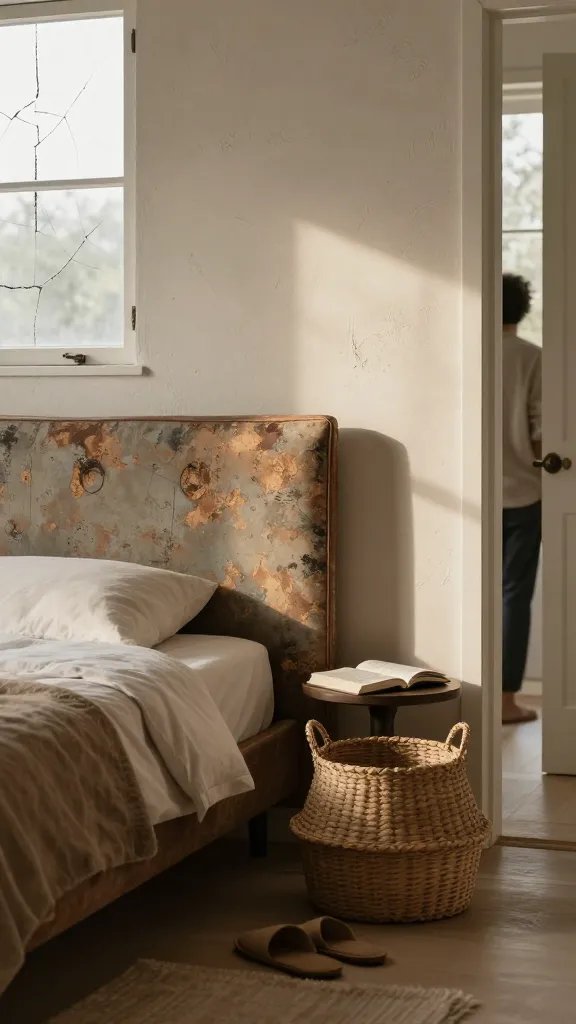
– A small bedside station for essentials—water, book, lamp—makes nights more intentional.
– Consider a minimal “how you begin and end the day” setup: a single candle, a diffuser, and a single book to signal the boundary between day and night.
Why rituals help: they give the space a narrative. It stops the room from feeling like a static photo and turns it into a lived-in habit.
10. Personalize with quiet, meaningful items
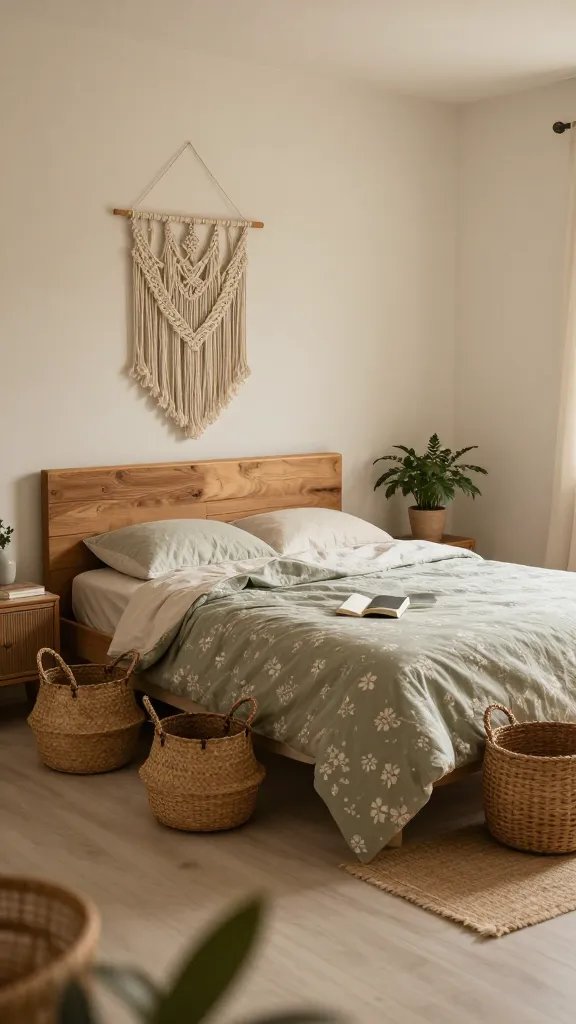
– Choose a few items that truly speak to you—photos in one frame, a handmade object, or a travel-memory piece.
– Keep this collection small and well-curated. The point isn’t to showcase everything you own, but to tell a story you love.
The aim: make the space yours in a way that remains calm and minimal. If it doesn’t feel like “you,” it’s not doing its job.
10a. A small checklist for personalization
– Do you love the texture of a material? Keep more of it in the room.
– Do you have a focal piece that sparks joy? Let it be the star, but don’t overshare the stage.
– Do you feel relaxed when you walk in? If not, prune one item or swap a texture.
FAQ
What exactly makes Boho Minimalism different from other styles?
Boho Minimalism blends the relaxed, organic vibes of boho with the restraint of minimalism. It’s about texture, natural materials, and soft colors rather than a saturated, busy palette. It’s intentionally curated, not cluttered, and aims for a lived-in calm rather than a showroom perfection.
How can I start if my space is already small or oddly shaped?
Start with the bed as a focal anchor and use vertical space. Choose a light color base to expand the room visually, add a single large plant for scale, and keep surfaces clear. Use multi-functional furniture—storage ottomans, wall shelves—to maximize every inch.
Is it okay to have technology in a Boho Minimalist bedroom?
Yes, but keep it discreet. Hide cords, pick sleek, simple electronics, and choose a charging station that looks intentional. The goal is a calm space where tech feels like a support rather than a distraction.
How do I maintain this look over time without constant upkeep?
Build in simplicity from the start. Use fewer, higher-quality pieces you actually love, and create a regular, quick declutter routine. Rotate textiles seasonally to refresh without adding clutter.
What colors should I lean on if I want a calm mood but a bit more warmth?
Warm neutrals work beautifully: creams, taupes, greiges, and soft browns. Add depth with a few earthy accents—terracotta, clay, olive—sparingly to keep the space cozy without overpowering.
Can I pull this off in a rental or a space with restrictions?
Absolutely. Focus on non-permanent touches: textiles, plants, art, and removable wallpaper or tapestries. These give you the Boho Minimalist vibe without violating rules.
Conclusion
Bringing It All Home
You don’t need to overhaul your life to achieve this calm, cozy, and completely intentional Boho Minimalism bedroom. Start with a calm base—neutral tones, natural textures, and a single well-chosen focal point. Layer in warmth with textiles, light with layered lighting, and personality with a few carefully chosen pieces. Maintain breathing room by prioritizing negative space and simple storage. And most importantly, let your space evolve with you. This isn’t a fixed look; it’s a living, breathing sanctuary that grows as you do.
If you take one idea away, let it be this: simplicity is not the absence of personality. It’s the deliberate shaping of personality so your space feels like a quiet celebration rather than a loud statement. So go ahead—tidy up, layer thoughtfully, and curate with love. You’ve got this: a boho minimal sleep haven that feels calm, cozy, and completely intentional.